by Elias Siegelman | Mar 2, 2026
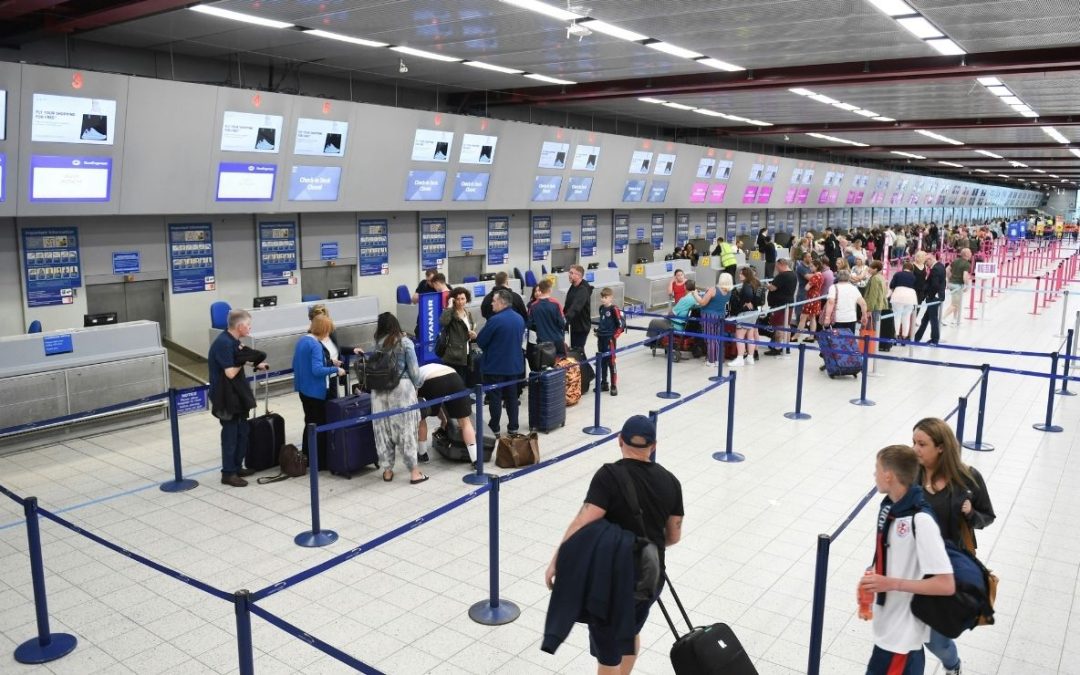
Facial matching has moved from trials to regular checks at many U.S. gateways. Customs and Border Protection uses facial comparison to confirm identity for international arrivals and some departures, and airlines connect gate cameras to that service. A second track is...
by Elias Siegelman | Mar 2, 2026
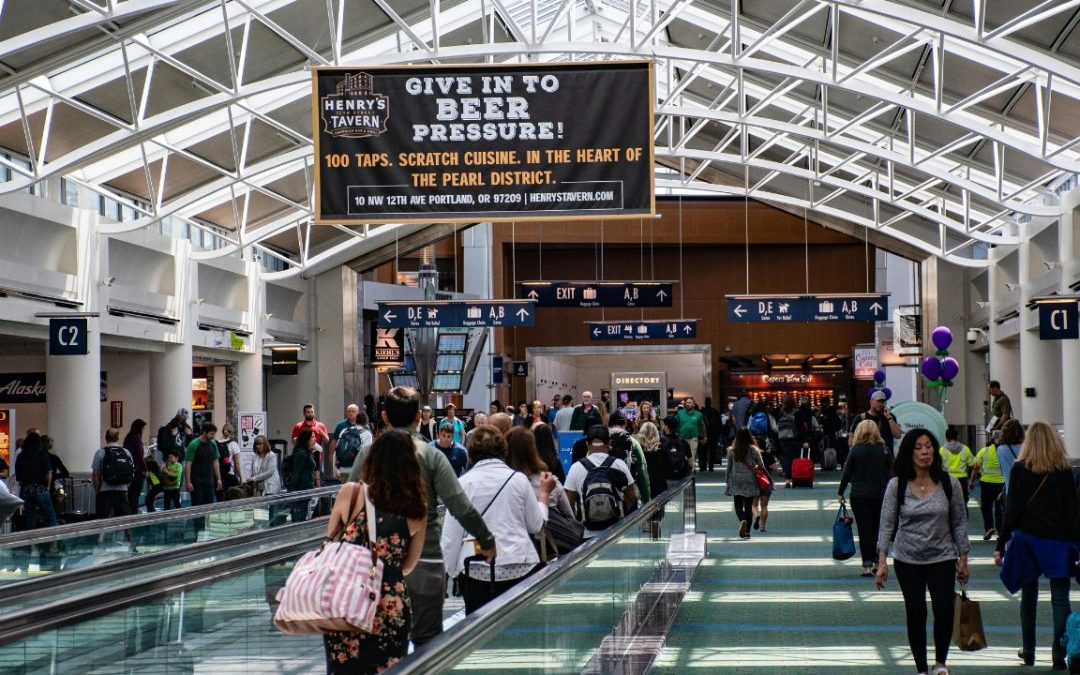
Security lines in the U.S. have started stretching out again, and it’s not always because you showed up late. Higher passenger volumes, checkpoint construction, and uneven staffing can turn a normal morning into a slow shuffle. Crowds also bunch up when flight banks...

by Elias Siegelman | Mar 2, 2026
Festival cancellations are not rare in the United States, but a true return often needs fresh funding, permits, and public trust. Some events lost years to disasters, debt, or public health limits. A comeback means identity and tourism impact restart at scale. Here,...
by Elias Siegelman | Mar 1, 2026
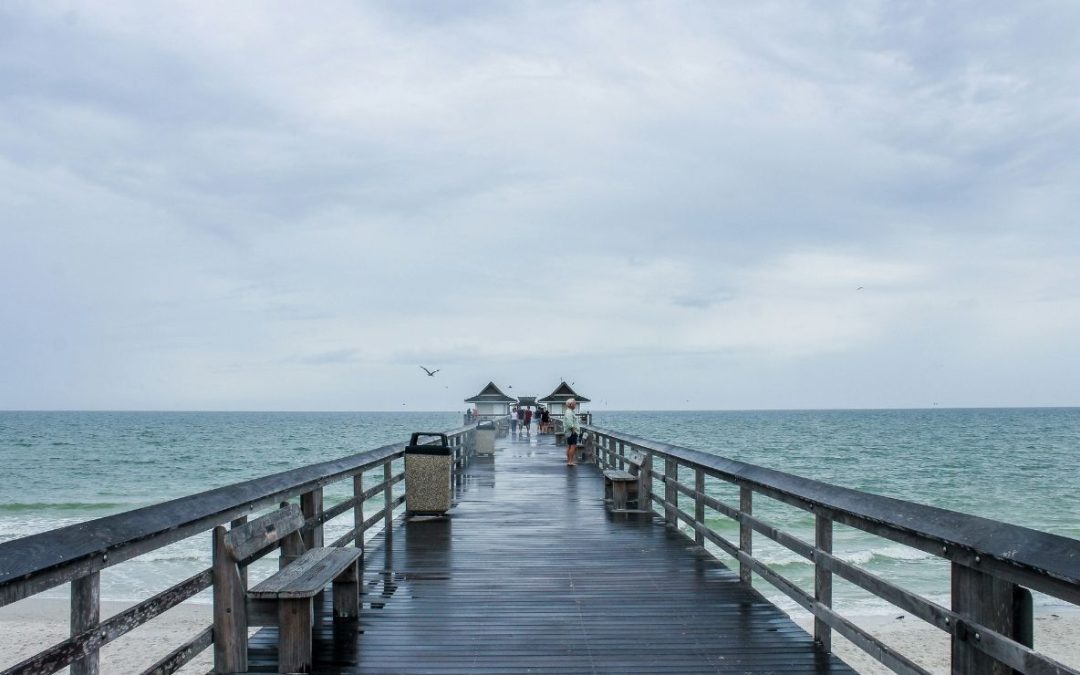
Boardwalk rebuilds show how U.S. beach towns keep tourism alive after storm surge strips away decking and sand. When waves lift planks and pilings fail, access, safety, and local income are disrupted at once. Engineering studies usually guide reconstruction, FEMA and...
by Elias Siegelman | Mar 1, 2026
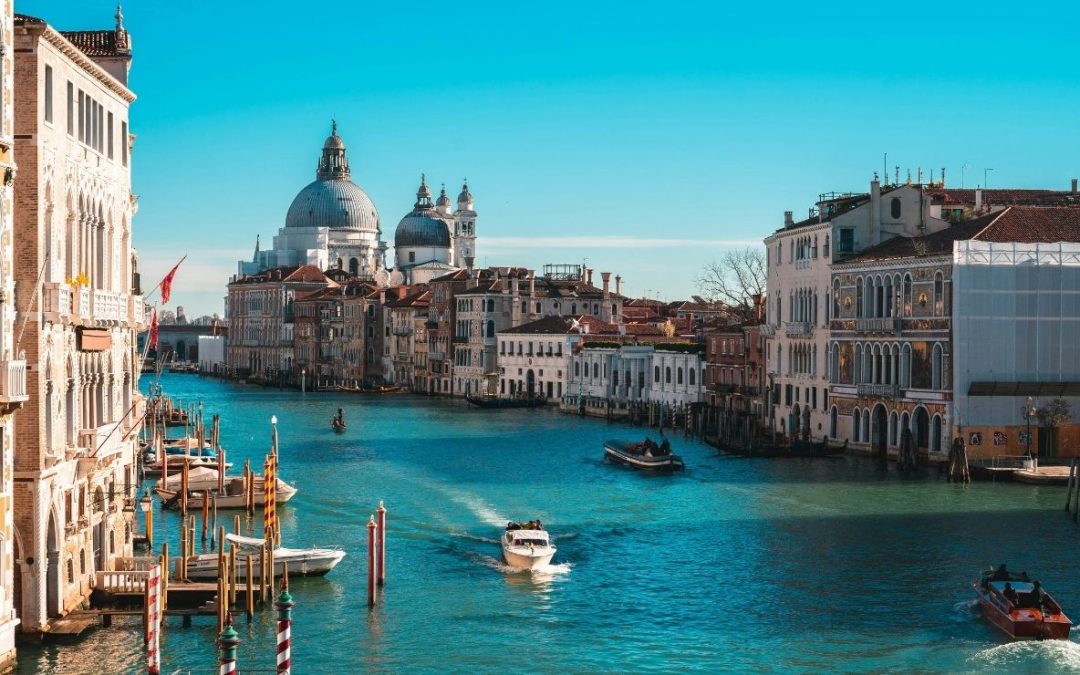
Europe’s busiest city centers are being managed more like limited public space than an unlimited draw. Record visitor volumes have raised local costs and have strained sanitation, policing, and metro lines. In many places, resident pushback has been amplified through...

by Elias Siegelman | Mar 1, 2026
Viral clips can turn a lookout, beach, or museum room into a must-visit stop before most travelers learn what a peak day actually feels like there. The most shared angles rarely show the waiting, noise, or blocked views. Many of these places remain impressive, but the...

by Elias Siegelman | Mar 1, 2026
Trip planning in the United States is being changed by heat spikes, smoky skies, and flood-prone weekends. Instead of picking dates first and checking forecasts later, many travelers start with risk maps and seasonal outlooks. NOAA’s 2025 national climate assessment...
by Elias Siegelman | Mar 1, 2026
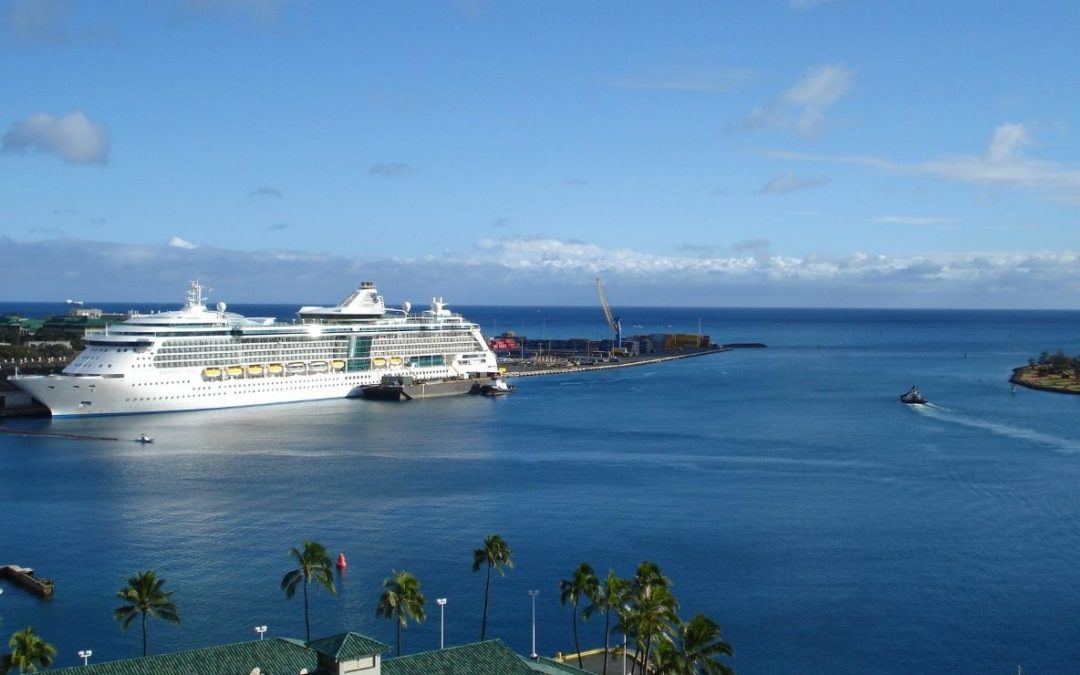
A cruise call can drop five to ten thousand day visitors into a harbor district built for fishermen, ferries, and school runs. The surge is felt in road backups, restroom lines, and pressure on medics when heat, slips, or alcohol meet tight excursion clocks. Tender...

by Elias Siegelman | Feb 28, 2026
Amusement parks look permanent because seasons repeat and payrolls return each spring. Still, closures can land fast when debt, leases, or ownership strategy changes. That shock hits staff first and then local hotels, diners, and suppliers. Some shutdowns were...
