
Many bucket list trips now start with a lottery application rather than a map. Agencies cap use where trails, rivers, or beds are limited, then award access by random drawing tied to dates. That change affects timing, budget, and backup planning.
Most systems open months ahead, often once per year, and charge nonrefundable fees. Winners still must follow separate rules on group size, safety gear, and leave no trace practices. Missed windows can push a trip into the next season.
This list focuses on experiences where a lottery is the primary gate, not simple timed entry. Each item has a defined application cycle and a hard quota. Knowing the mechanism early helps travelers align flights, lodging, and training.
1. The Wave Coyote Buttes North
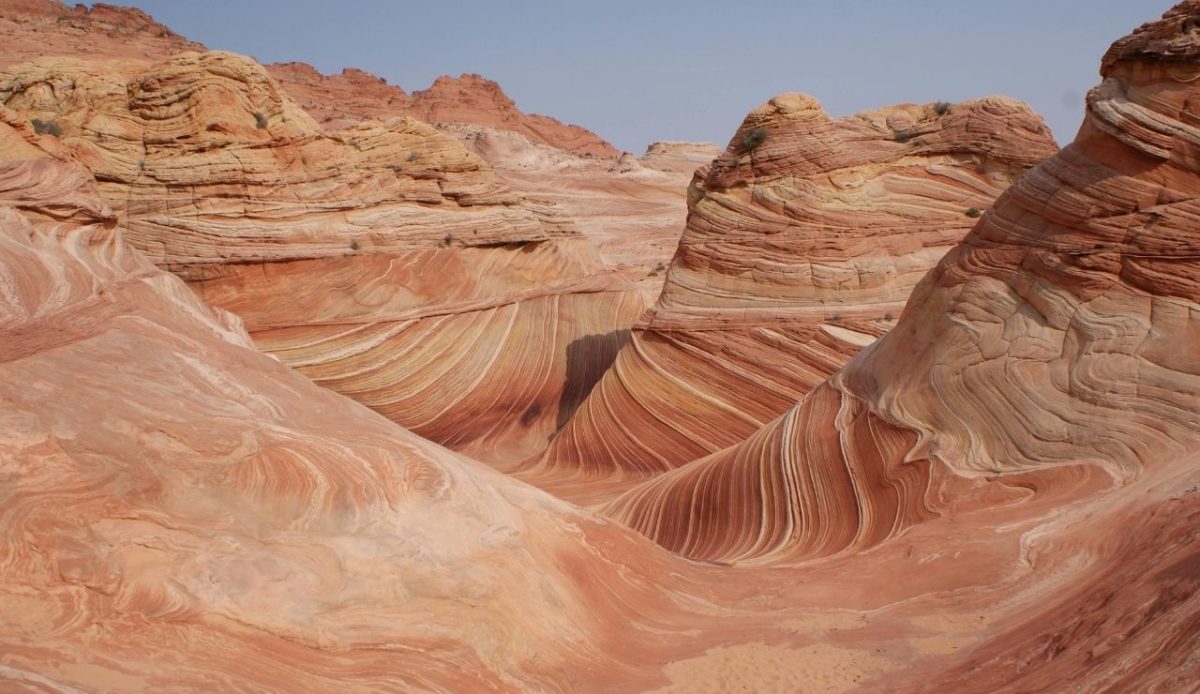
The Wave in Coyote Buttes North allows only a small daily quota to protect the thin desert soil and the soft sandstone surface. Permits are issued through online lotteries under federal BLM oversight.
Applicants enter month-based draws and list several acceptable dates. A second chance drawing closer to travel can fill remaining slots, but odds stay low during spring and fall demand peaks.
Permit checks happen at the trailhead, and entry without a permit can trigger fines. The permit is tied to a trip leader who must carry a photo ID. Water planning matters because the route has no reliable sources, and summer heat can exceed safe hiking limits.
2. Half Dome Cables Route Yosemite
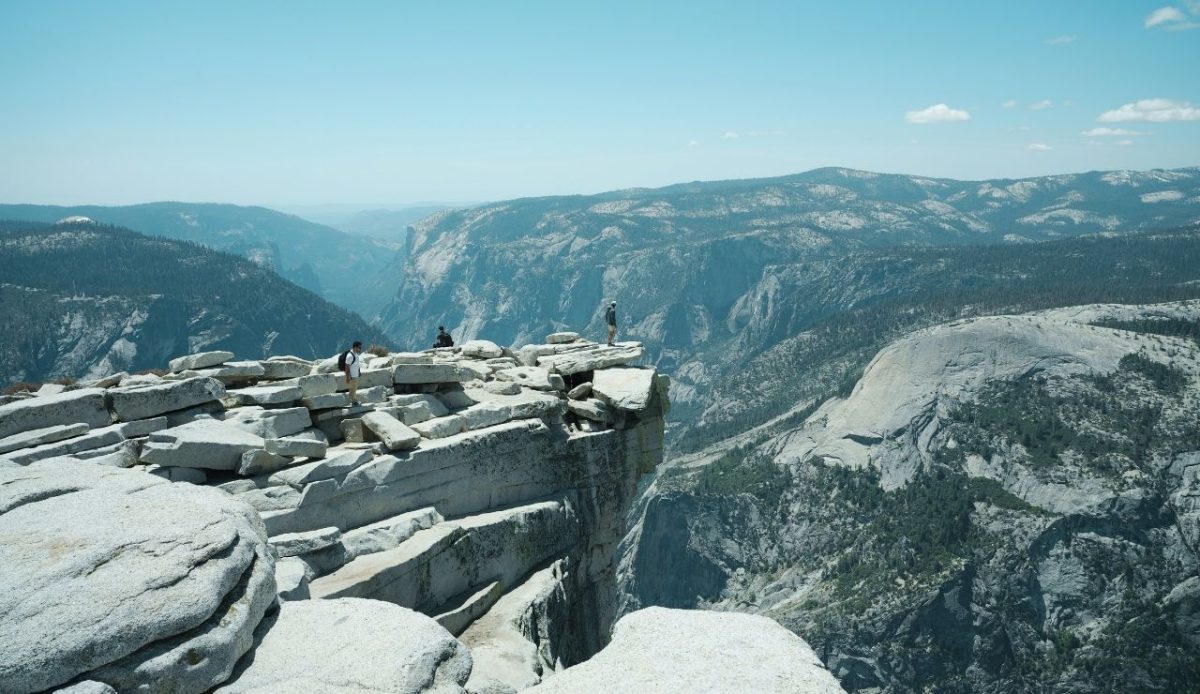
Yosemite limits the Half Dome cables route because of crowding, with hikers once stacked on slick granite. A permit is required for the cable section, and access is assigned through preseason and short-notice lotteries.
The main drawing opens in March for late spring through early fall dates. A smaller daily lottery runs a few days before hiking, which can work for flexible trips but still has tight odds.
Rangers verify permits near the Sub Dome before the final climb. Permits are nontransferable, and the group leader must be present. Gloves and weather timing matter because the cables become hazardous in rain and lightning, and the steep granite steps can ice over early.
3. Angels Landing Zion
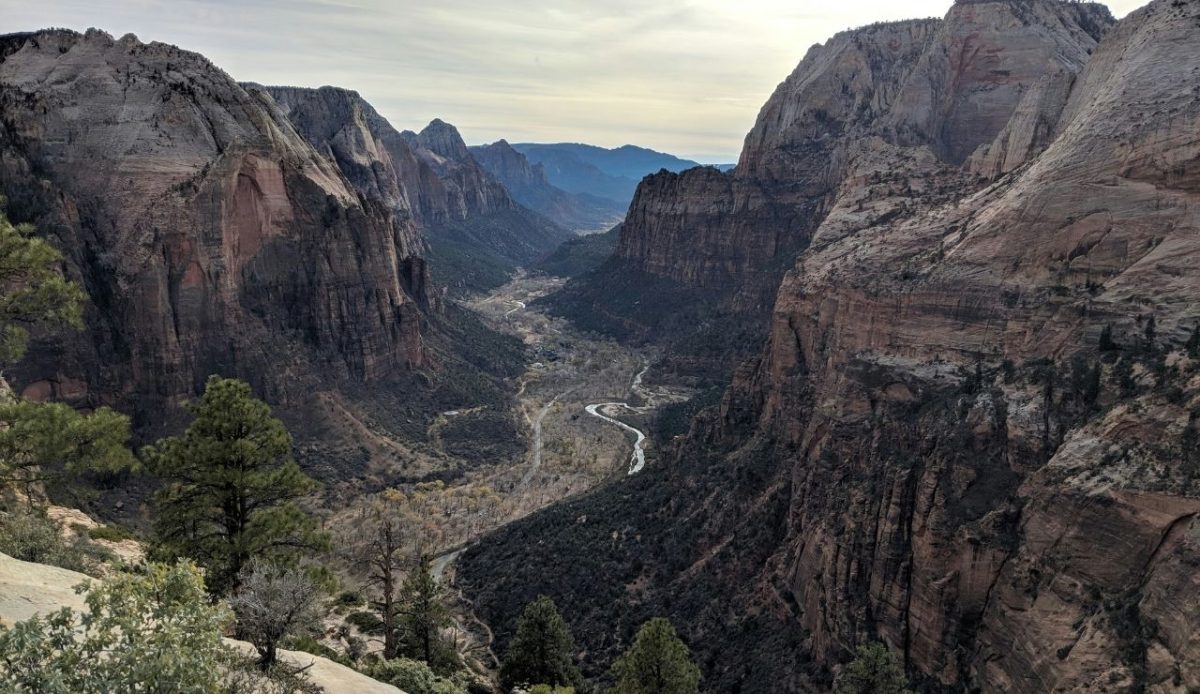
Zion requires a permit for Angels Landing due to the narrow ridge where chains guide hikers above sheer drop-offs. The system uses seasonal lotteries plus a next-day drawing, with permits tied to entry windows.
Applicants choose date ranges and party size, then results are issued through Recreation.gov. Time slots are spread across the day, so bottlenecks are reduced on Walter’s Wiggles and the spine.
Checks are done at Scout Lookout before the chain section begins. The permit holder must carry identification and stay with the group. Wind and afternoon storms can raise risk, so many winners aim for early starts, and the cap limits crowd pressure on sandstone edges.
4. Mount Whitney Main Trail
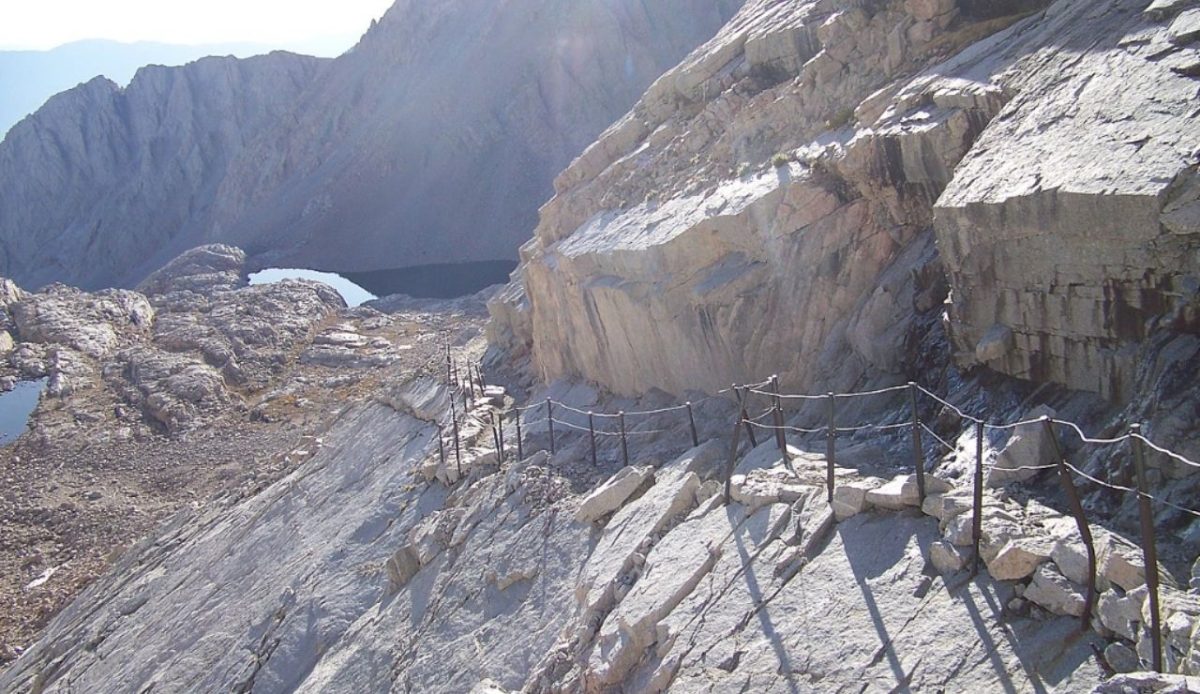
Mount Whitney access on the main trail is capped by the Inyo National Forest through an annual lottery for day use and overnight trips. The quota protects fragile alpine terrain and manages waste limits above tree line.
Applications open early in the year for the core season that runs from late spring into fall. Winners receive date-specific permits, and later releases can appear when parties cancel or fail to confirm.
Permit checks are common at Whitney Portal and along the route. Altitude illness is a major hazard, so acclimation days are often planned before summit attempts. The lottery reduces crowding at narrow switchbacks and at the summit hut area.
5. The Enchantments Core Zone
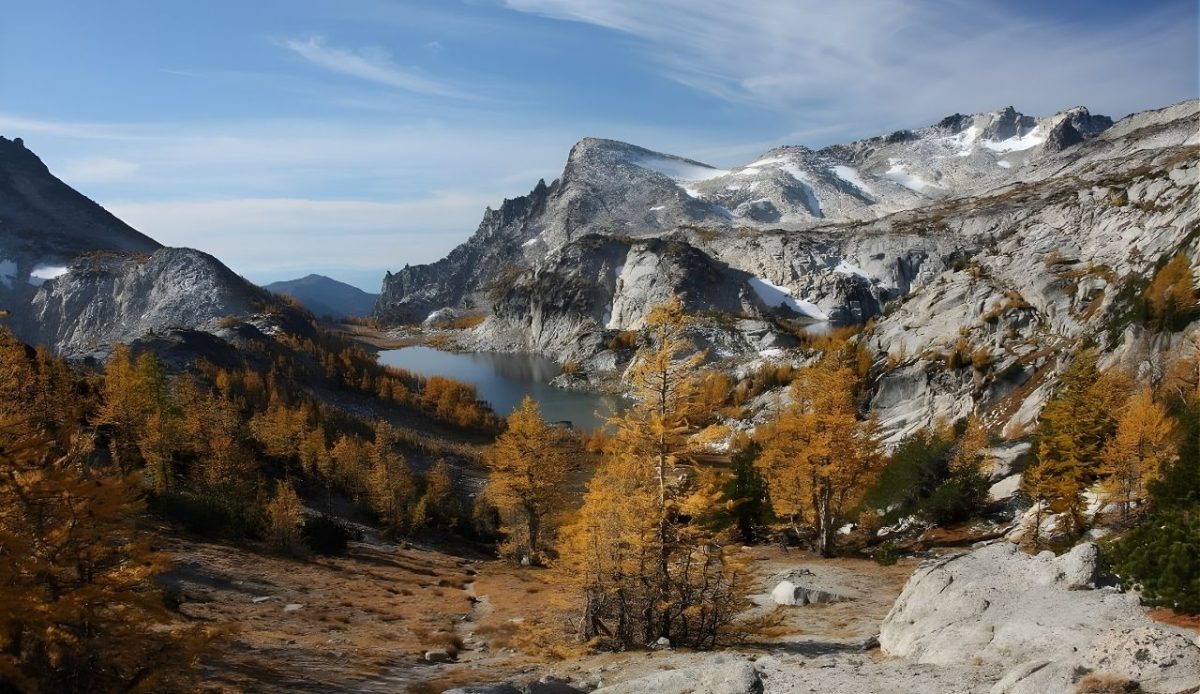
The Enchantments Core Zone in Washington is managed with an annual overnight lottery because campsite space is scarce and vegetation recovers slowly. Permits are issued by the Forest Service for specific zones and dates.
Applicants rank preferred areas such as Core, Snow Lakes, and Colchuck, and then a drawing assigns entry. The approach routes are steep and rocky, so the limited overnight quota also helps reduce rescue workload.
Rangers conduct checks at trailheads and in basins during summer. Carrying all waste out is required, and fires are restricted. The lottery protects water quality in the high lakes that can be altered by concentrated camping pressure.
6. Phantom Ranch, Grand Canyon
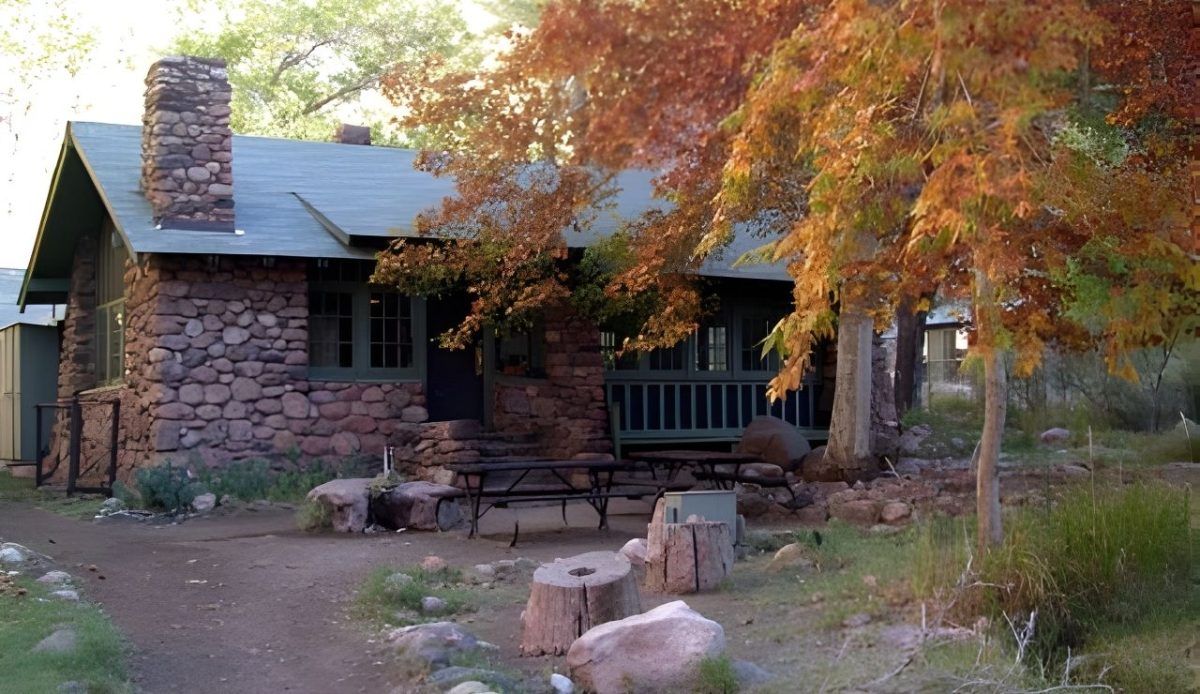
Phantom Ranch lodging at the bottom of the Grand Canyon is allocated through an advanced lottery because the number of beds is small and resupply is complex. Stays are tied to fixed nights and strict check-in rules.
Requests are submitted far ahead for months of travel, then awards are issued based on availability. Meals are bundled with many reservations, and mule-carried deliveries limit how much can be served each day.
Guests reach the ranch by hiking or mule ride, which adds safety planning for heat and water. Lottery winners often coordinate permits for backcountry camps to build an itinerary. The system helps keep crowd levels compatible with water, power, and waste capacity.
7. Grand Canyon Noncommercial River Trip
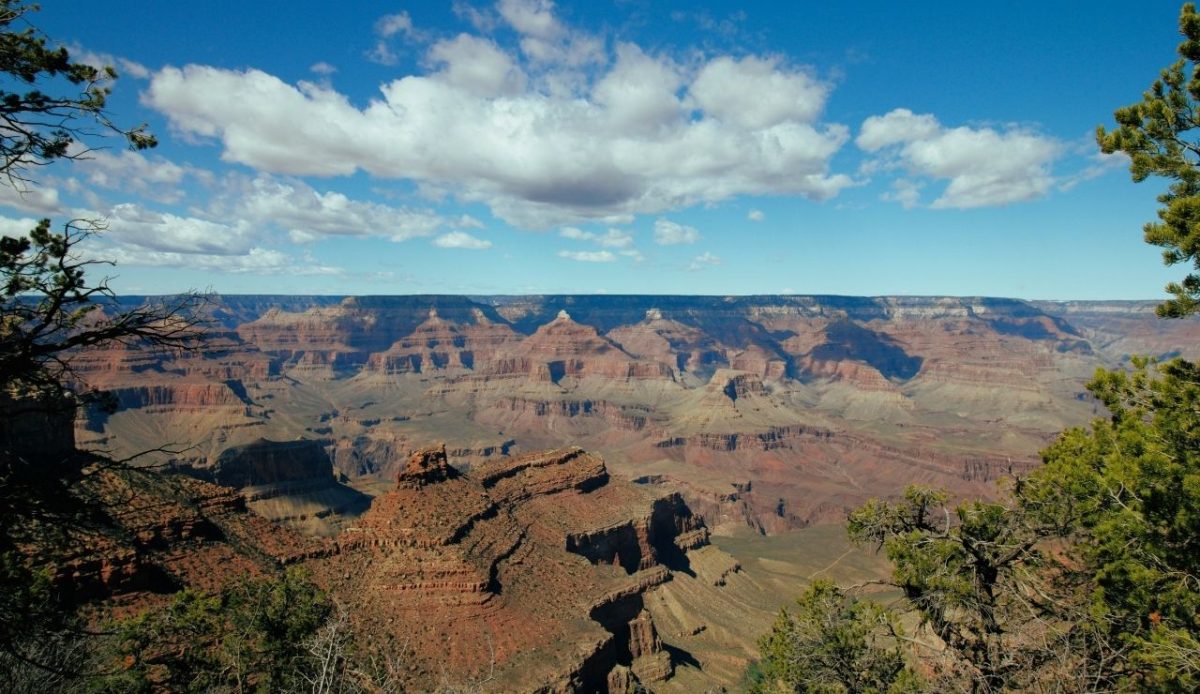
Private rafting through the Grand Canyon requires winning a weighted lottery for noncommercial launch dates. River use is capped to protect beaches, archaeological sites, and habitat while keeping campsites from being overwhelmed.
Applicants enter drawings for specific months, and selection can lead to trips scheduled long after the application cycle. Trip leaders must meet equipment, sanitation, and safety standards that are enforced before launch.
Rangers confirm permits at Lees Ferry, and compliance is reviewed during trips. High water years can reshape camps, while low flows can increase grounding risk. The lottery keeps the number of boats compatible with the limited camps and the length of the corridor.
8. Denali Road Lottery
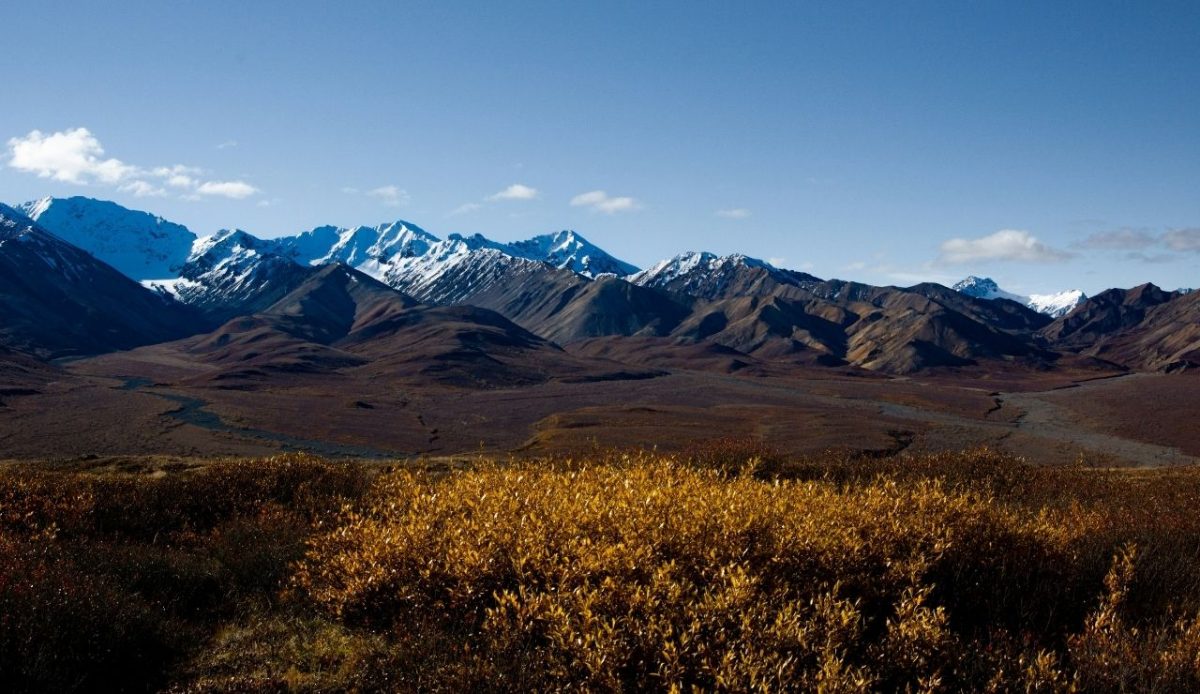
Denali National Park runs a fall road lottery that allows a limited number of private vehicles beyond the normal transit boundary. Most of the season relies on shuttle buses to reduce wildlife disturbance and traffic conflicts.
Applicants enter for specific September dates, and winners receive a permit for a defined day. The route is gravel, and weather can shift quickly, so vehicle readiness and spare tires are practical concerns.
Rangers verify permits and enforce speed rules to protect animals that cross the road. The lottery provides rare self-directed access to viewpoints while preserving the park’s management model. It also prevents parking overload at pullouts that have little shoulder space.
9. Maroon Bells Snowmass Wilderness Overnight
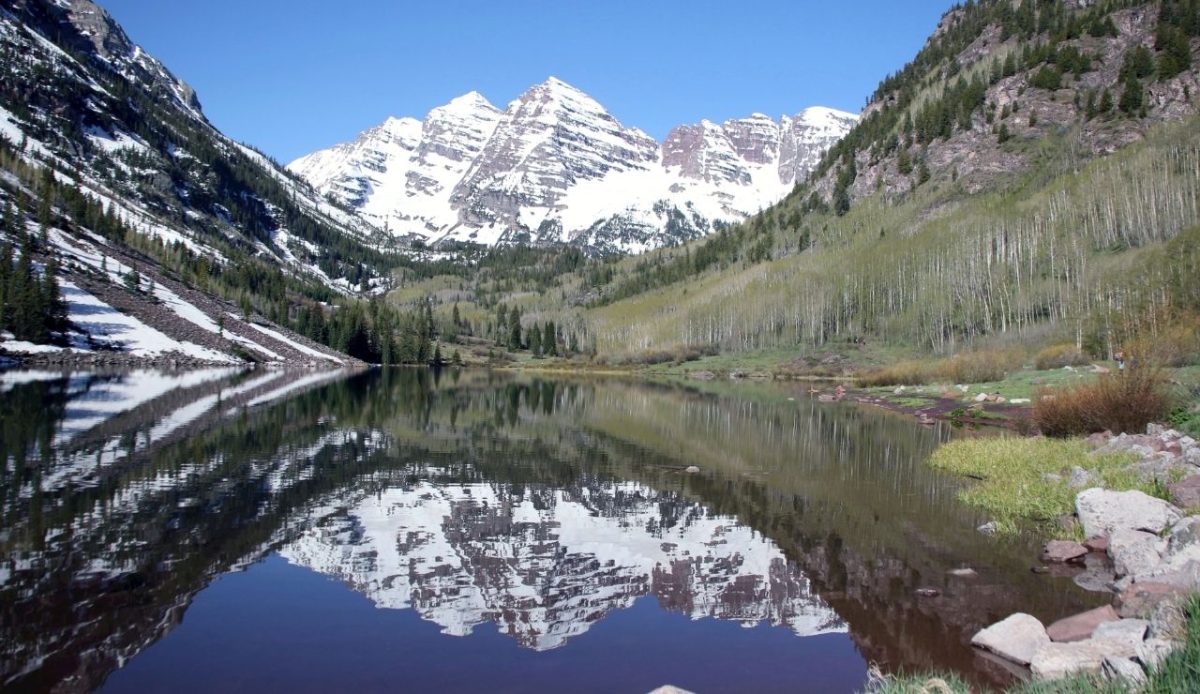
The Maroon Bells Snowmass Wilderness uses a lottery for high-demand overnight permits in key zones during peak months. Heavy visitation near popular lakes has caused vegetation loss and widened social trails.
Applicants request dates and zones, then a draw assigns limited entries. Quotas reduce campsite sprawl and keep human impact within what the high alpine soils can tolerate during short growing seasons.
Permit compliance is monitored by rangers and stewards on main routes. Bear-resistant food storage is required, and storms can bring sudden cold even in summer. The lottery helps keep trail repair needs manageable while still allowing backcountry camping access.
10. Rogue River Wild Section Float
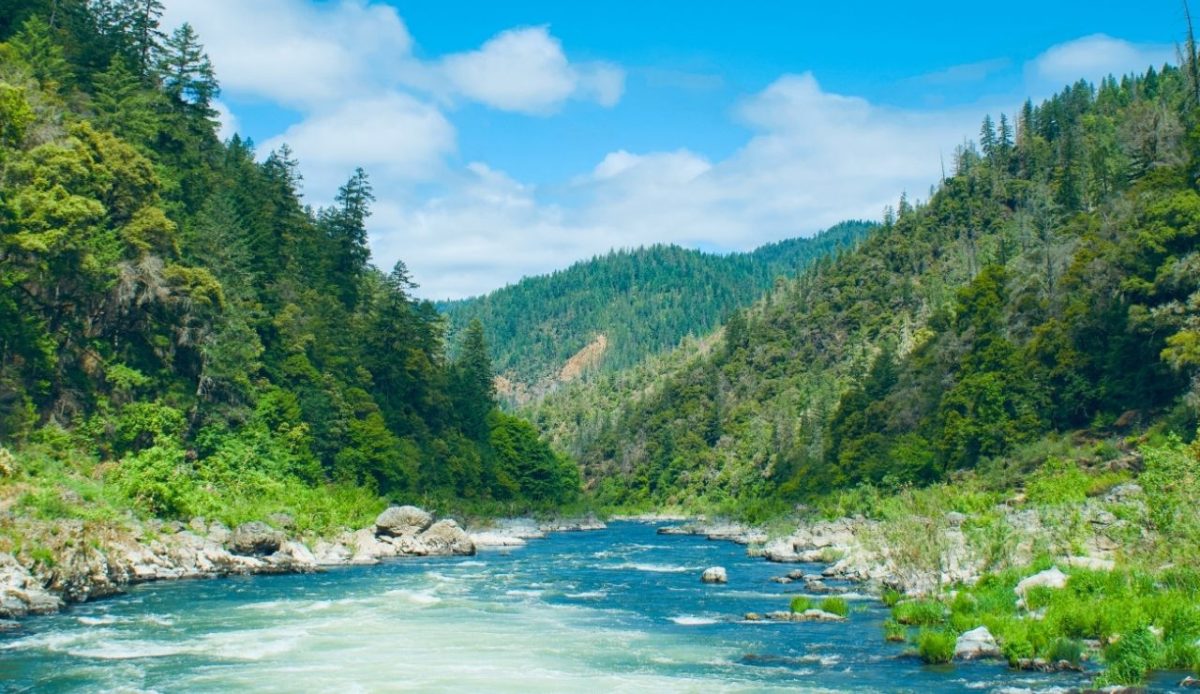
Oregon’s Rogue River Wild Section limits noncommercial boating during the control season through a lottery managed by the Bureau of Land Management. The river corridor has few camps and sensitive riparian banks.
Applicants choose launch dates for spring and summer and are assigned permits when selected. Group size limits and required gear reduce conflict and protect habitat for fish that depend on cool, shaded water.
Permits are verified at the launch point,s and party rules are enforced on the water. Wildfire smoke and late summer heat can affect safety planning. The lottery prevents stacked launches that would strain camps, toilets, and riverbank access sites.
11. Middle Fork Salmon River Float
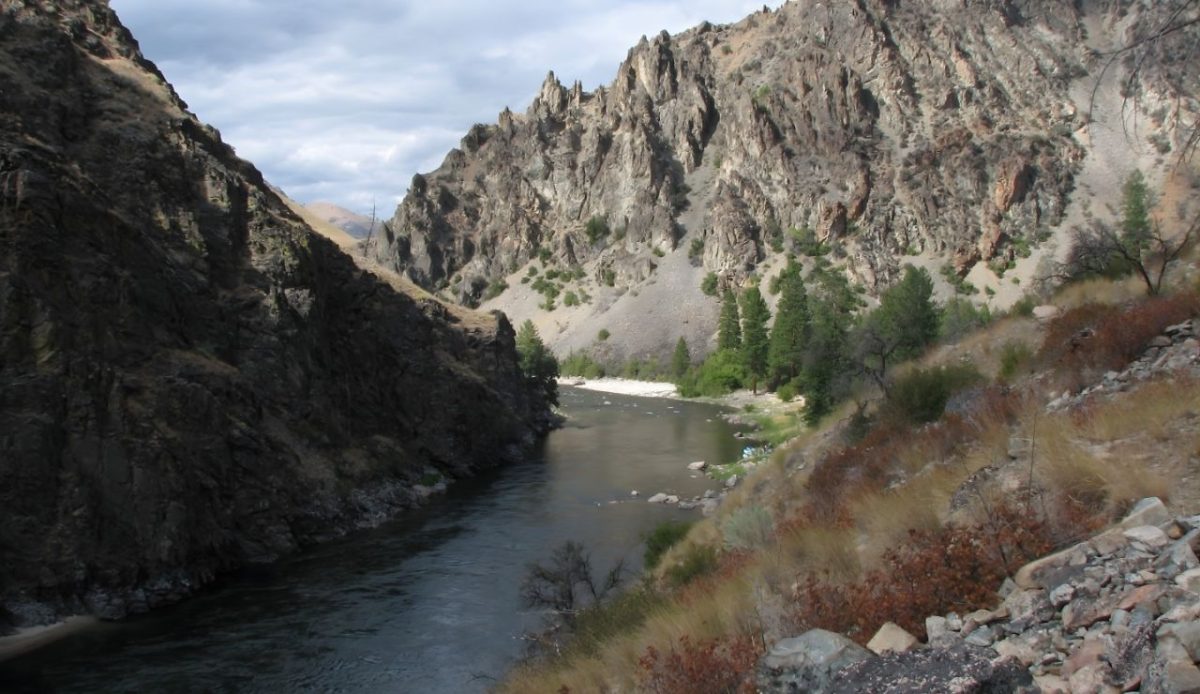
Idaho’s Middle Fork of the Salmon River is a premier wilderness float that uses an annual control season lottery for private parties. Launch numbers are capped to protect camps, hot springs, and side canyons.
Applicants enter through Recreation.gov and list preferred dates, then the results assign a fixed launch. Permit holders must follow rules on portable toilets, fire pans, and invasive species checks for boats.
Rangers inspect gear at the Boundary Creek launch and can deny trips that fail standards. Water levels change rapidly with snowmelt, affecting rapids and timing. The lottery keeps solitude values intact while limiting shoreline erosion from repeated camping.
12. Smith River State Park Float
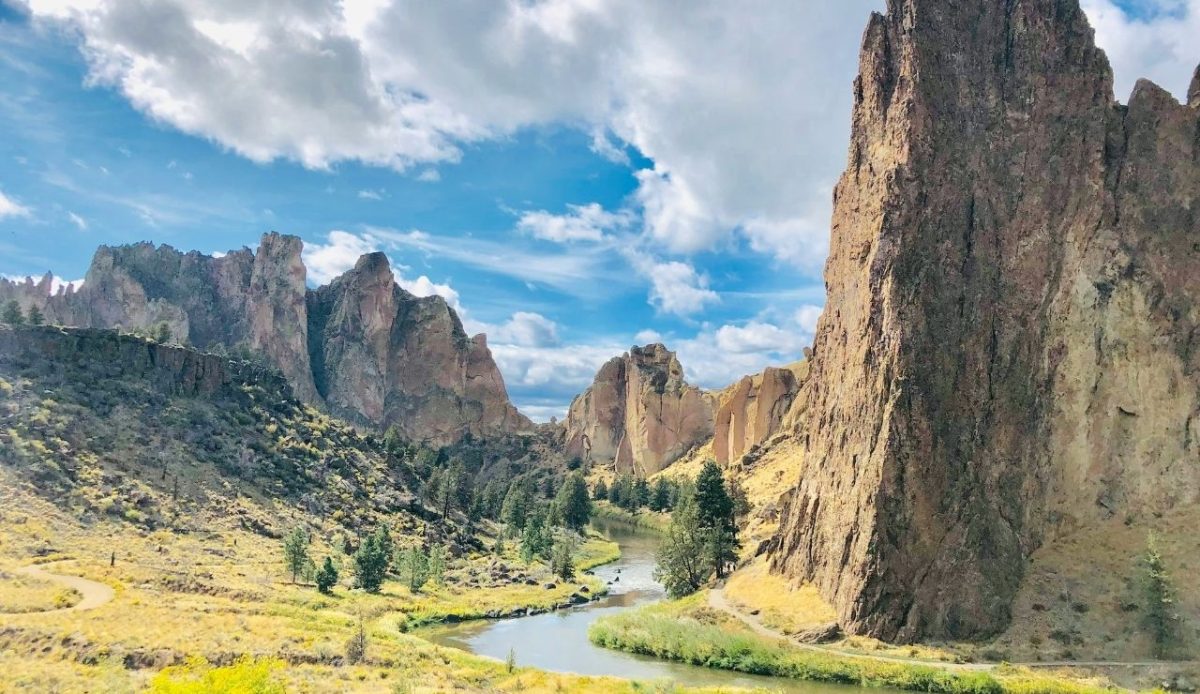
Montana’s Smith River State Park manages its multi-day float via a once-a-year drawing because the canyon has limited put-ins, take-outs, and designated camps. Demand is highest during spring runoff each year.
Applicants submit date choices, and selected parties receive launch permits for the season. Trips require a float plan, and camping is restricted to assigned sites to prevent bank damage and user conflicts.
Permits are checked at the point of entry, and wardens patrol the corridor. Wind, cold water, and swift current can raise hypothermia risk early in the season. The lottery protects fisheries and keeps the crowding low on a river with narrow access points.
