
Travel packing often rewards restraint more than accumulation. Many items sold as essential for safety, comfort, or convenience sound smart before departure, yet become awkward once travelers start moving through airports, train stations, sidewalks, and hotel rooms. Gear that promises protection can add bulk, create inconvenience, or even make a traveler stand out more clearly in unfamiliar places.
The problem is usually not the existence of the item itself. It is the mismatch between marketing claims and the way most trips actually unfold in real life.
These are the moments when travel gear that seems reassuring on paper may turn into dead weight, false confidence, or a problem of its own abroad.
1. Money Belts Can Create More Problems Than Protection
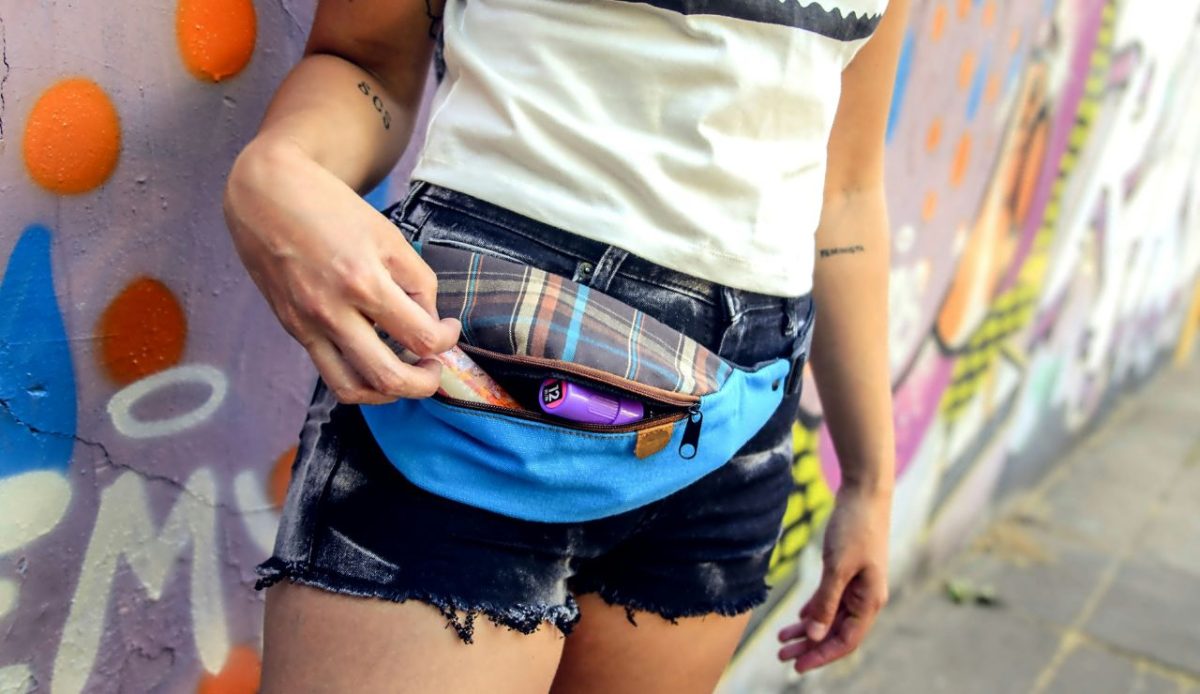
Money belts are still presented as a classic security solution, but they often create more problems than they solve. Many are uncomfortable in hot weather, awkward under clothing, and difficult to reach discreetly when paying in public. That extra friction can make ordinary purchases feel stressful rather than secure.
They can also become predictable. A concealed pouch worn around the waist is hardly a secret anymore, and obvious adjustments may tell observers exactly where valuables are stored.
For many trips, dividing cash and cards between secure pockets, a day bag, and a backup location is more practical than trusting one uncomfortable hiding place all day.
2. Passport Wallets Can Put Everything at Risk at Once
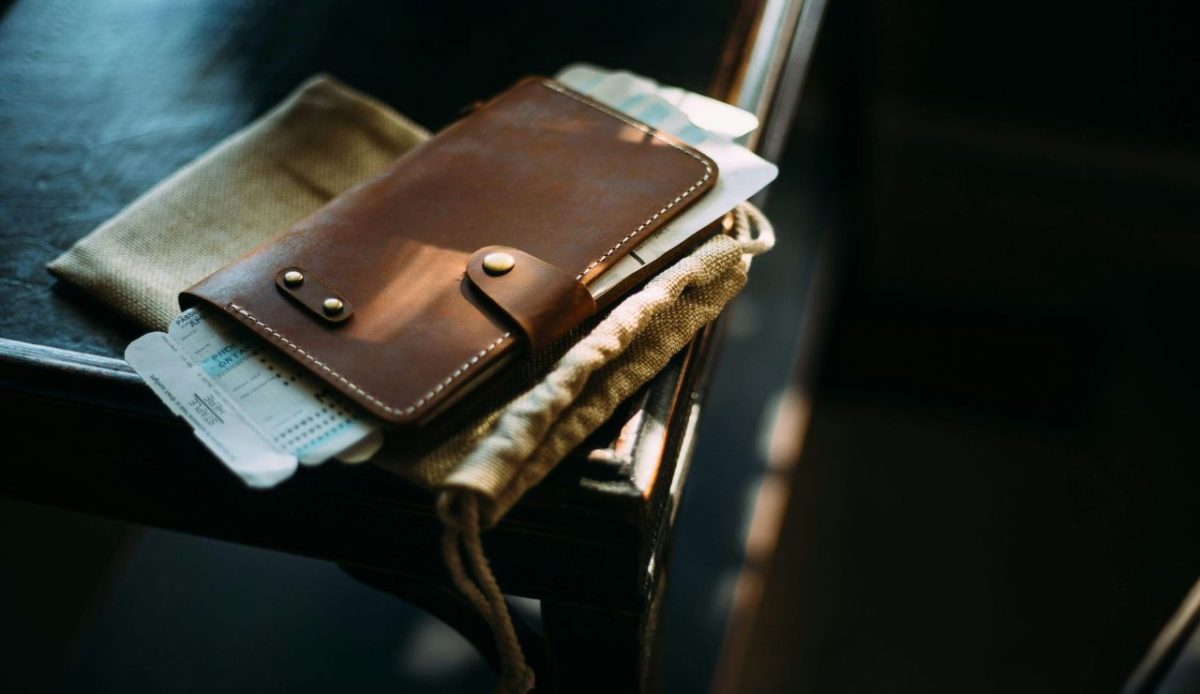
A dedicated passport wallet may look organized, but it can also concentrate too much risk in one place. When a traveler stores a passport, identification, bank cards, boarding documents, and emergency cash in the same pouch, one loss can quickly become a major disruption that affects the entire journey.
The issue is convenience turning into vulnerability. A single item is easy to grab, easy to forget on a counter, and harder to recover when everything important is packed together.
A better approach is often to separate documents by priority, keep digital backups where appropriate, and avoid turning one specialized wallet into the storage point for your entire trip.
3. Self-Defense Tools Can Cause Legal Trouble Abroad
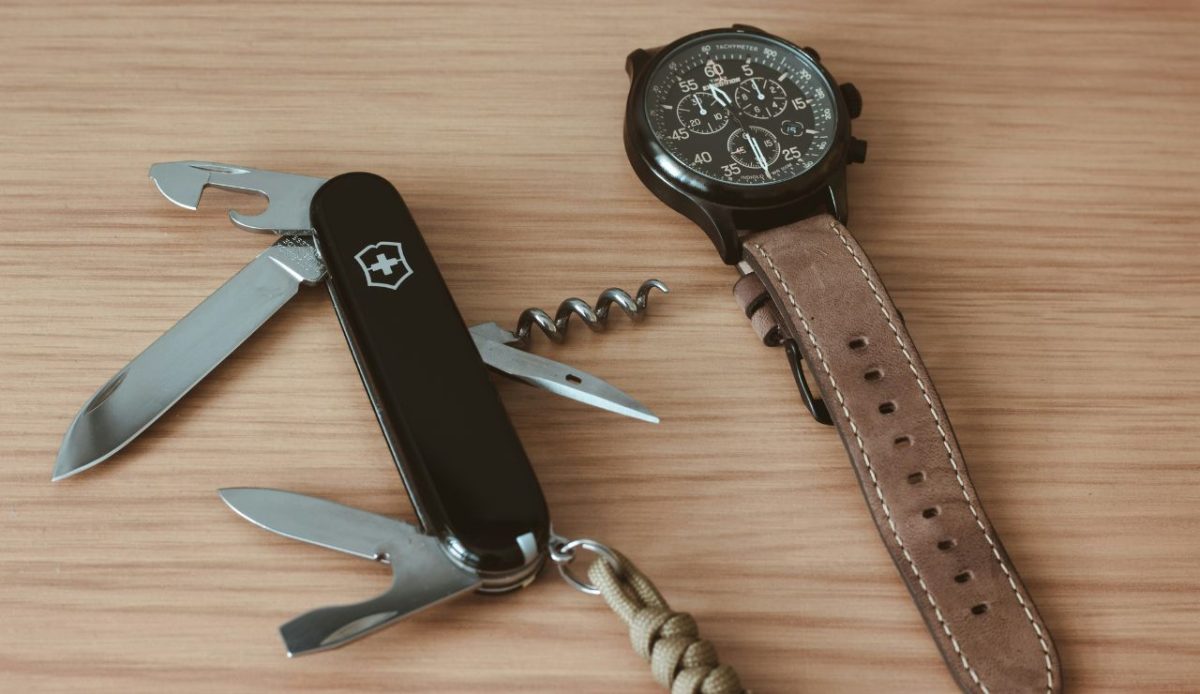
Self-defense tools such as pepper spray, tactical devices, or stun-style gadgets may sound sensible before international travel, but laws differ sharply from country to country. An item considered normal at home may be restricted, confiscated, or treated as a legal offense once you arrive somewhere else.
That means a product packed for reassurance can create the exact kind of trouble travelers are trying to avoid. Airport screening, border checks, and local police rules leave little room for assumptions.
In many cases, situational awareness, careful route planning, and ordinary safety habits do more for personal security than carrying gear that may be unusable, illegal, or impossible to explain abroad.
4. Cheap Anti-Theft Bags Can Offer False Confidence
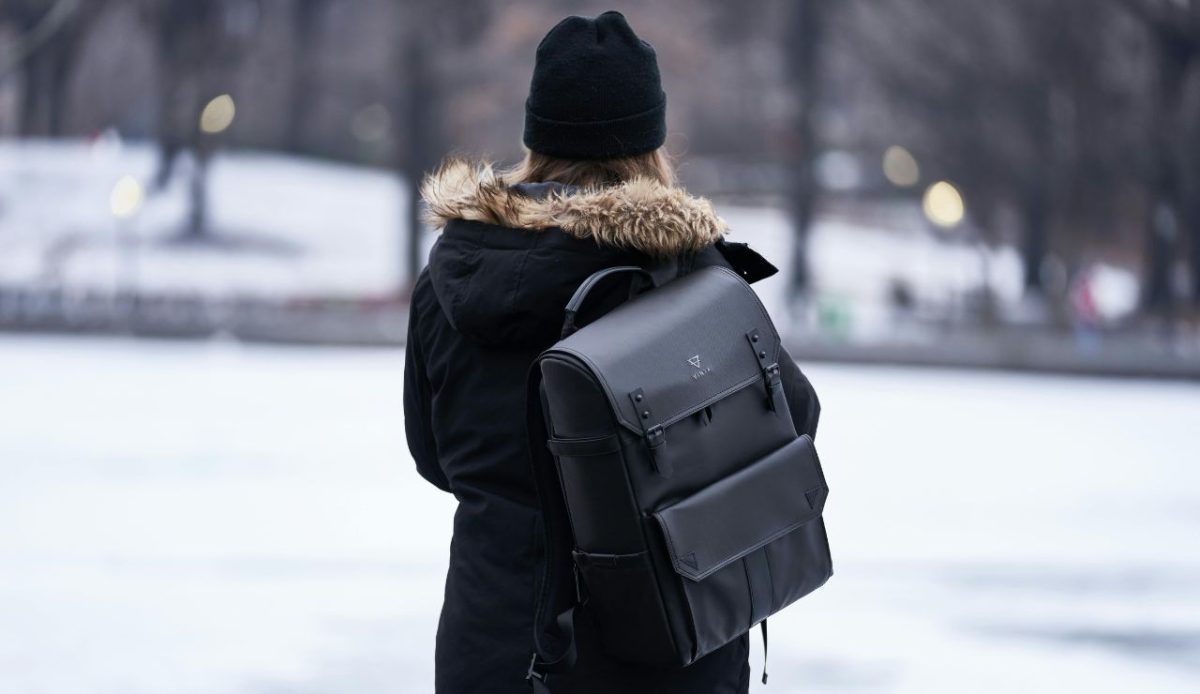
Cheap anti-theft bags are often sold as if locks, slash-proof panels, and hidden zippers automatically make travel safer. In practice, low-quality materials, stiff construction, and flimsy hardware can create a false sense of security while adding weight and making everyday access more annoying than it needs to be.
A specialized bag can also draw attention when it looks expensive or heavily engineered. The branding and design may signal valuables instead of helping you blend into normal surroundings.
A plain, well-made bag carried with awareness is often more useful than a bulky product that promises protection but delivers inconvenience, visibility, and hardware that fails under regular travel use.
5. Hotel Room Safes Are Not Always as Secure as They Look
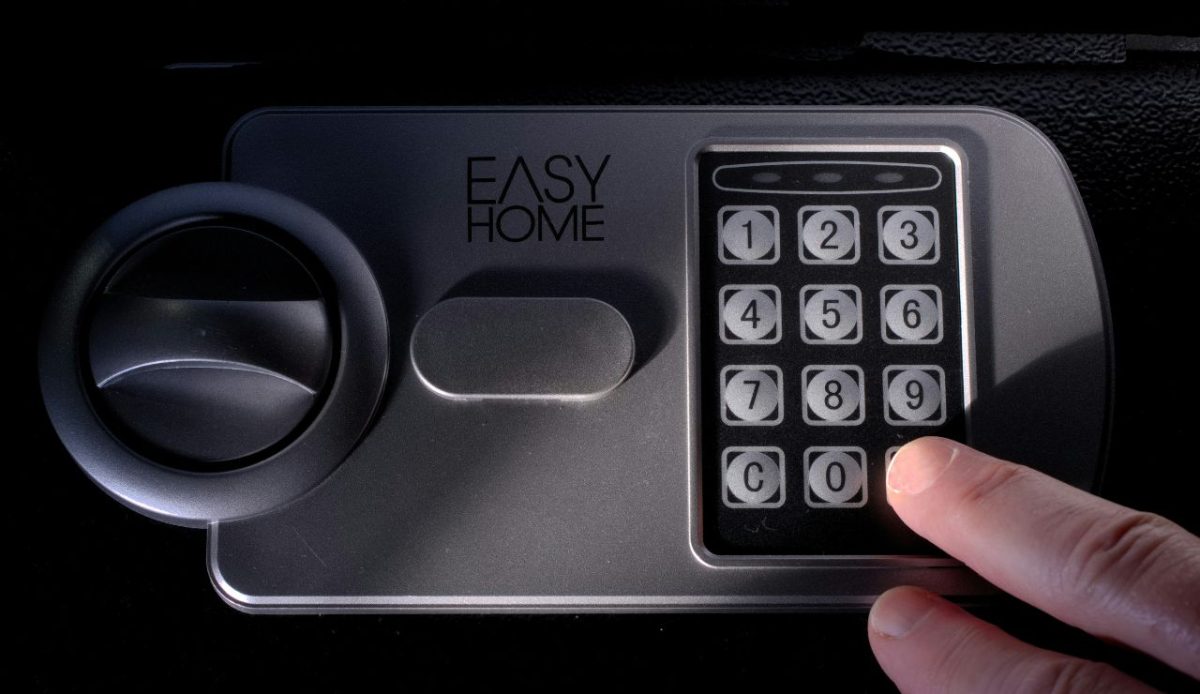
Hotel room safes seem like an obvious answer for passports, spare cash, and valuables, but they are not always as dependable as travelers assume. Some are poorly secured, some rely on generic override systems, and some are attached to furniture in ways that do not inspire much confidence once you look closely.
The bigger issue is blind trust. Guests may store all critical documents in a safe simply because it is there, without thinking about what happens if access fails or the safe itself is compromised.
For many travelers, spreading risk matters more than relying entirely on one box in one room. A hotel safe may help, but treating it as a perfect solution can become a costly mistake.
6. Microfibre Towels Often Solve a Problem You Do Not Have

Microfibre towels are promoted as compact travel essentials, especially for minimalist packing, but they do not always justify the space they take. Many feel less comfortable on the skin than expected, dry unevenly in actual use, and can start to smell unpleasant when packed damp after repeated use.
They also solve a problem that may not exist. Hotels, hostels, rentals, and many tour operators already provide towels, making a personal one unnecessary on a large number of trips.
Unless your itinerary clearly requires one for camping, beach transfers, or remote stays, a dedicated travel towel can become one more item carried out of habit rather than genuine need.
7. DSLR Cameras Can Burden Travelers Who Rarely Use Them
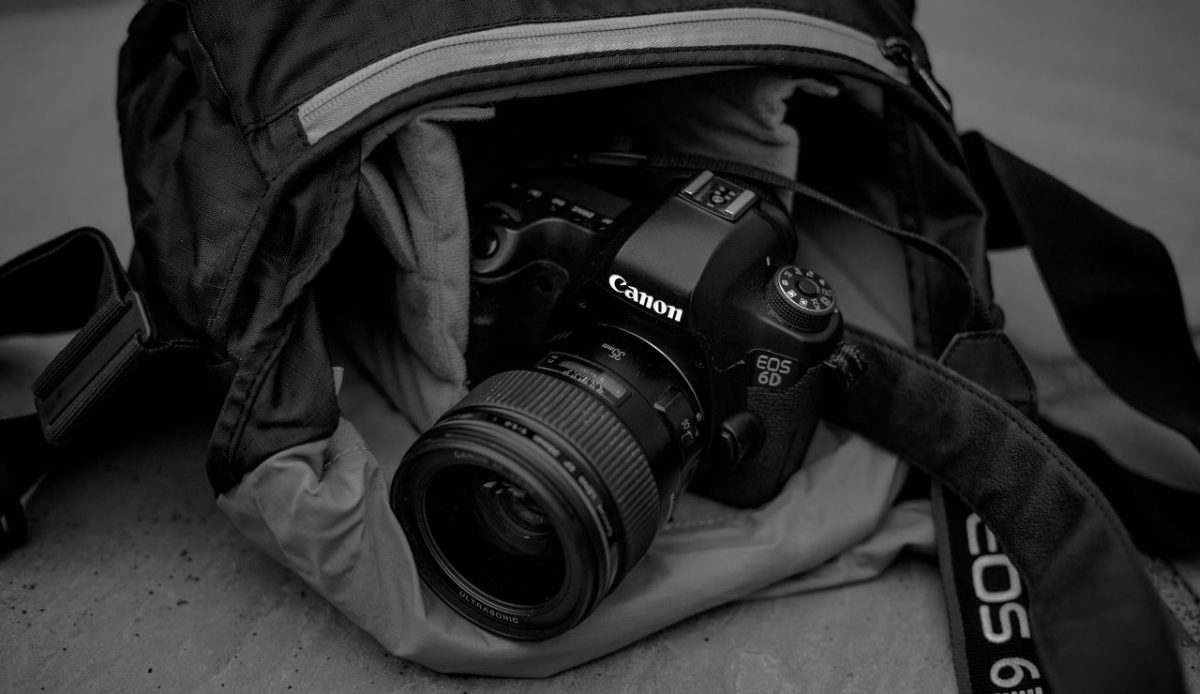
A DSLR setup can produce excellent images, but for travelers who are not committed photographers, it is often more of a burden than a benefit. A camera body, extra lens, charger, memory cards, and protective case add serious weight, take up valuable packing space, and require constant attention while moving through public places.
That extra gear can also change the rhythm of a trip. Instead of moving freely, travelers may end up planning the day around equipment management, battery life, and secure storage.
For general sightseeing and personal memories, a modern phone or smaller camera often offers a better balance. The best travel gear is not always the most advanced option, but the one you will actually use comfortably.
8. Specialized Travel Clothes Can Make You Stand Out
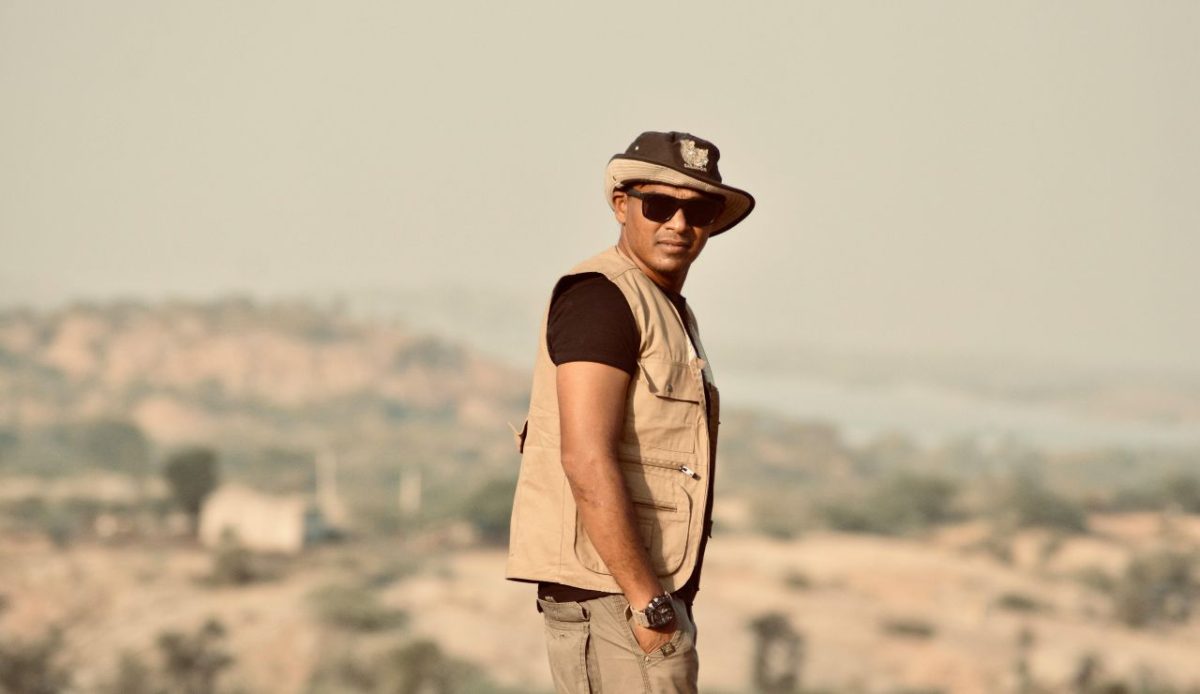
Specialized travel clothing is often marketed as the smartest way to move through airports and foreign cities, yet it can sometimes make travelers stand out more rather than less. Zip-off trousers, oversized utility garments, and highly technical fabrics may prioritize features over appearance, comfort, or cultural fit.
The problem is not performance alone. Clothing also communicates. Outfits that clearly read as tourist gear can draw attention in places where blending in helps people move more comfortably and confidently.
Simple, versatile clothes that suit the weather and local setting often work better than purpose-built travel pieces. When an outfit sacrifices flexibility for gimmicks, it can become dead weight in both the bag and the social setting.
9. Physical Guidebooks Can Become Outdated Before You Use Them

Physical guidebooks once served as a reliable way to navigate unfamiliar destinations, but thick printed guides now become outdated quickly and add noticeable weight for a single-use item. Transit changes, restaurant closures, altered entry rules, and shifting opening hours can make carefully packed information less useful the moment you arrive.
They also duplicate tools that most travelers already carry. Phones can store maps, reservations, translation help, and saved research in a form that is easier to update and search on the move.
A slim notebook for personal notes can still be helpful, but a heavy guidebook often becomes something you carry out of habit, not because it meaningfully improves the trip.
