
Washington, DC’s best-known landmarks are tightening visitor checks as agencies balance public access with stronger safety procedures. For travelers, that usually means earlier arrival times, smaller bags, and added screening before entry rather than a major change to the visit itself.
The shift is most noticeable at sites where timed admission, guided tours, or controlled access already shape the experience. In those settings, security has become a more routine part of the visit.
Across the city’s major public attractions, clearer screening points and posted restrictions are shaping how visitors move through headline sites.
Washington Monument Screenings Are More Structured
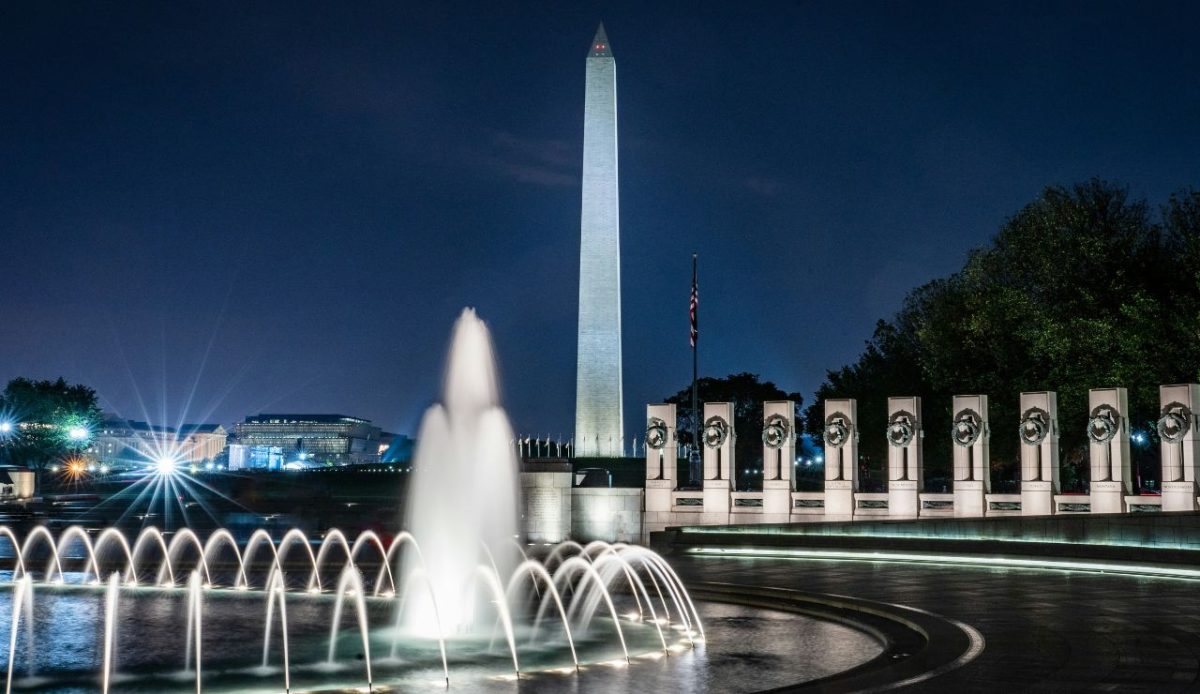
At the Washington Monument, security is now part of the visit from the moment ticketed guests approach the entrance. The National Park Service says large bags are not allowed, and items such as weapons, aerosols, lighters, and many food or drink items are restricted before visitors head inside.
That makes the experience more controlled than a casual stop on the National Mall. Even simple personal items can slow entry if they fall outside the posted rules.
Travelers who arrive light, carry only essentials, and review restrictions in advance are more likely to move through screening without delays and keep their timed reservation on track.
Capitol Visits Now Require More Deliberate Planning
A tour of the U.S. Capitol already involves formal entry, but current guidance makes the security process more central to the overall experience. All visitors must pass through screening, and the Capitol Visitor Center states that magnetometers and x-ray devices are used before entry.
The prohibited-items rules are detailed, covering oversized bags, aerosols, drones, hazardous materials, and many food and beverage containers. That leaves less room for spontaneous drop-ins.
Because final tours begin later in the afternoon, visitors are advised to leave extra time for screening rather than treating arrival as a last-minute step.
White House Access Comes With the Tightest Rules
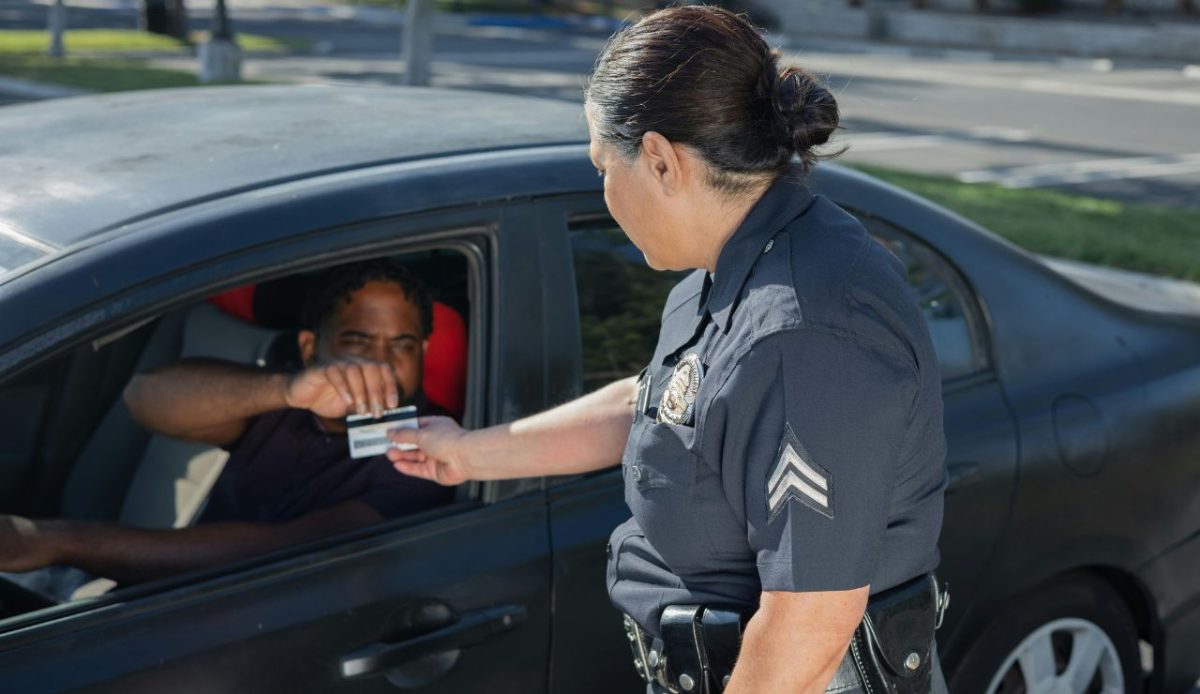
Among major Washington landmarks, the White House remains the most tightly controlled public visit. Tour requests still go through a member of Congress, but entry rules now place greater emphasis on exact identification checks, advance registration, and a very limited list of permitted personal items.
Current White House guidance says guests age 18 and older must present valid government identification. Since May 7, 2025, visitors must be REAL ID compliant or use a passport.
Bags of any kind, water, strollers, laptops, and many everyday carry items are prohibited, making this the strictest screening routine on most visitors’ itineraries.
Smithsonian Museums Are Using More Visible Entry Checks
Security has also become more noticeable at Smithsonian sites, especially museums that already draw heavy daily crowds. The Smithsonian says many museums conduct hand checks of bags and containers, while several major locations require visitors to walk through metal detectors before entering.
That list includes the National Museum of Natural History, the National Museum of American History, and the National Air and Space Museum, among others. Entry is still straightforward, but less casual.
For travelers, the result is a smoother system when expectations are clear, but a slower start if they arrive carrying extra bags or restricted items.
Travelers Should Expect Security To Shape The Day

The main effect of heightened security in Washington is not that landmarks feel closed off, but that visits now depend more on preparation. Earlier arrivals, lighter packing, and close attention to identification and bag rules can make the difference between a smooth morning and a delayed entry.
That is especially true when combining several landmarks in one day, since each location follows its own screening process. Moving between sites does not mean the rules stay the same.
Washington’s monuments and civic buildings remain open to the public, but the visitor experience increasingly begins at the checkpoint, not the front door.
