
Smart luggage was designed to make travel feel easier. Built-in chargers, GPS tracking, digital locks, and app controls promise a smoother airport experience and less stress on the road. For travelers juggling flights and crowded terminals, that convenience can sound useful.
But the same features can also create problems. A dead battery, software issue, or airline restriction can quickly turn a useful suitcase into a travel headache.
When a bag depends on working technology, even a minor malfunction can affect check-in, boarding, and security screening. What starts as a modern solution can end up disrupting the trip it was meant to simplify.
Why Smart Luggage Looks So Useful
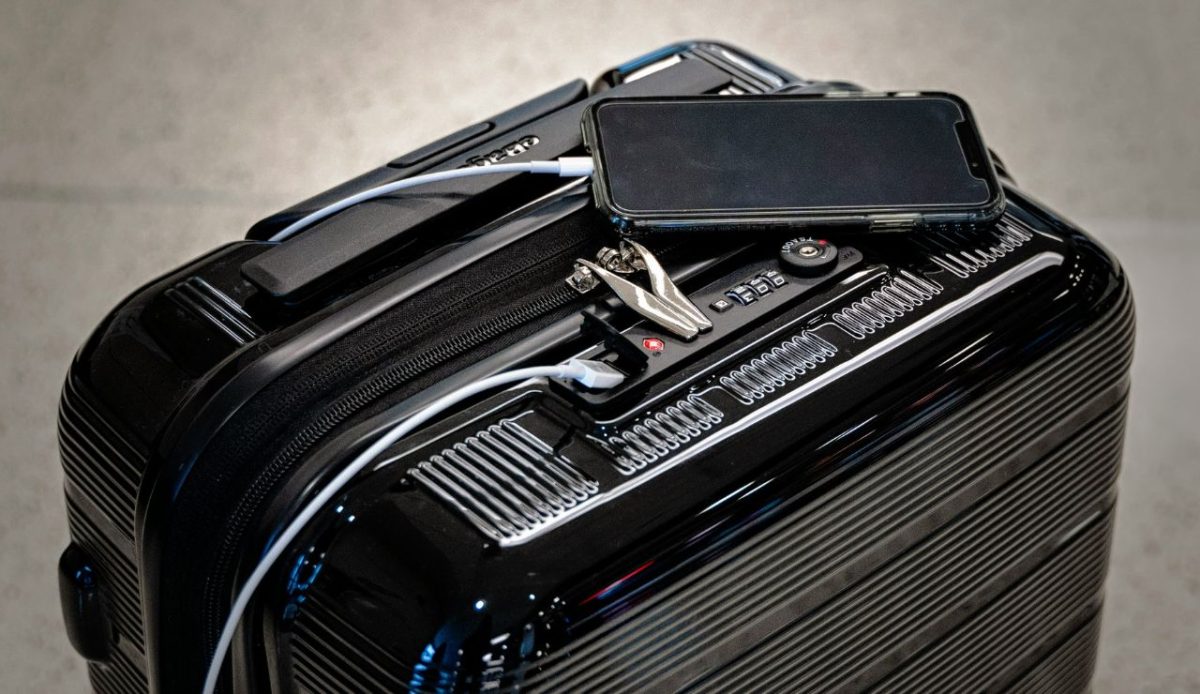
Smart luggage appeals to travelers because it combines storage with digital tools that seem genuinely helpful. USB charging ports, location tracking, weight sensors, and remote locking can reduce small hassles that often build up over a long journey.
Instead of searching for an outlet or wondering whether a checked bag arrived, users can manage those concerns through one product. That convenience feels especially valuable during long-haul trips or connections.
The appeal is not just novelty. It comes from the idea that more information and extra control can make travel feel more organized, efficient, and predictable from departure to arrival.
Airline Rules Can Create Immediate Problems
Airline rules are one of the biggest weak points for smart luggage. Many carriers allow these bags only if lithium-ion batteries can be removed, especially when the bag must be checked instead of carried onboard.
A suitcase that seemed ready for a smooth journey can suddenly require last-minute unpacking at check-in. Some passengers may need to remove the battery on the spot or risk losing time during boarding and screening.
That disruption is not always caused by poor planning. Smart luggage sits between changing airline safety policies and consumer tech expectations, and that gap can create real problems at the airport.
Battery Failures Undercut the Main Benefits

Battery-related failures can create problems before a traveler reaches the destination. If a charging system stops working, a tracker loses power, or a digital lock becomes unresponsive, the features that justified the purchase may vanish at the worst time.
Unlike a standard suitcase, a tech-enabled bag may depend on power for functions users rely on. When the battery drains unexpectedly, tasks such as unlocking a compartment or locating a misplaced bag become harder.
That matters because travel already involves delays, fatigue, and changing conditions. A device failure adds uncertainty to a process that rarely needs extra complications.
When Apps and Connectivity Stop Cooperating
Smart luggage can create trouble when its connected features fail to sync properly. Tracking apps may lag behind real bag locations, Bluetooth connections can drop, and software may not work smoothly across phones or systems.
That mismatch can be especially frustrating in busy airports, where people make quick decisions with limited information. If an app shows the wrong status, travelers may search in the wrong place or assume the bag is lost.
In that moment, the promise of seamless travel starts to break down. The bag still works as luggage, but the smart features no longer provide the clarity or confidence they were supposed to offer.
Reliability Still Matters More Than Extra Features

For many travelers, the lesson is not that smart luggage is useless, but that convenience should never come before reliability. Features such as removable batteries, manual locks, and simple design often matter more than digital extras.
A useful travel product should still function well when technology fails. Bags that remain easy to carry, secure, and airline-compliant without app support are usually better suited to real travel conditions.
Smart luggage can still serve a purpose, especially for frequent flyers who understand the trade-offs. But dependable gear is often the kind that keeps working when the smart part stops being smart.
