
Adventure tourism has long relied on a balance between excitement and careful planning, but that balance is becoming harder to maintain as insurance premiums climb.
Operators offering rafting, climbing, zip-lining, diving, and backcountry trips are facing steeper costs tied to accident exposure, weather disruption, and legal liability.
As coverage becomes more expensive or harder to secure, many companies are reworking itineraries, staff training, and trip design to keep experiences running while limiting financial risk. The shift is changing the business model behind many tours that once depended on lower cost structures.
Why Insurers Are Charging More for Outdoor Adventure Coverage
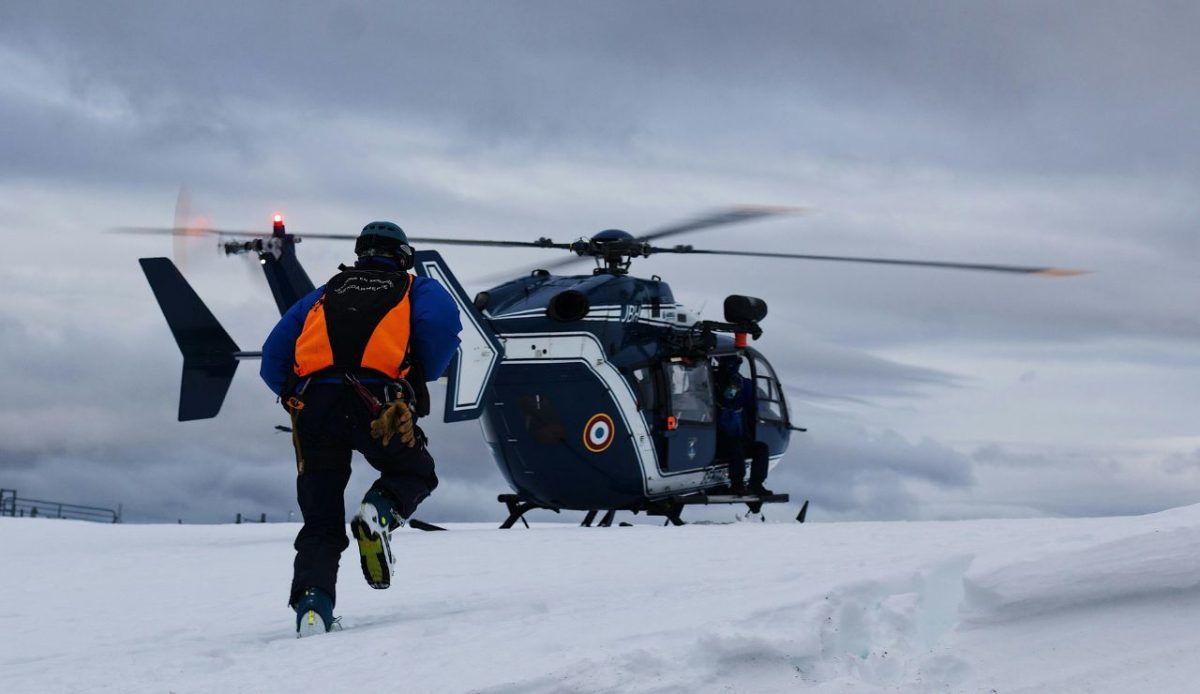
Adventure tour operators are seeing insurance prices rise as underwriters respond to a mix of higher claim costs and broader uncertainty.
Medical expenses, equipment losses, transport issues, and liability cases have all become more expensive, pushing insurers to reassess what it costs to cover high-risk activities.
In many markets, extreme weather and natural hazard exposure are adding another layer of concern. That means even well-run companies are being grouped into a tougher insurance environment than they faced a few years ago, regardless of whether their own claims record has remained relatively strong.
How Tour Companies Are Redesigning Trips to Reduce Liability
To keep insurance within reach, many operators are changing how adventures are structured before guests ever arrive.
Some are shortening routes, removing the most hazardous sections, capping group sizes, or requiring more detailed health disclosures during booking. Others are investing in better safety briefings, guide certifications, satellite communications, and evacuation planning.
These adjustments are not always visible to travelers, but they reflect a growing effort to prove that risk is being managed in a measurable, consistent way. In practice, many tours are being rebuilt around insurability as much as guest demand.
What Higher Insurance Bills Mean for Travelers and Pricing

Rising insurance costs rarely stay behind the scenes for long, because they usually affect what travelers pay and what is included in a trip.
Some companies are raising prices, adding stricter cancellation terms, or offering fewer fixed departures to protect margins. Others are limiting age ranges or excluding activities that once helped define the experience.
For travelers, the result can be a trip that feels more controlled, more expensive, and slightly less flexible than the adventure packages that were common in earlier years. Even small policy changes can reshape how a tour is marketed and sold.
Why Smaller Operators Are Under the Greatest Pressure
Large tourism brands often have more bargaining power, stronger cash flow, and access to specialist brokers, but smaller operators usually have less room to absorb a sudden premium jump.
Independent guides and niche tour companies may rely on one season, one region, or one activity type, which makes insurance shocks especially disruptive. If a policy becomes unaffordable, the business may need to cut departures, reduce staffing, or pause operations entirely.
That pressure is reshaping competition across the adventure travel market, with local specialists often facing the hardest decisions about what risks they can still afford to offer.
How the Adventure Sector May Adapt in the Years Ahead
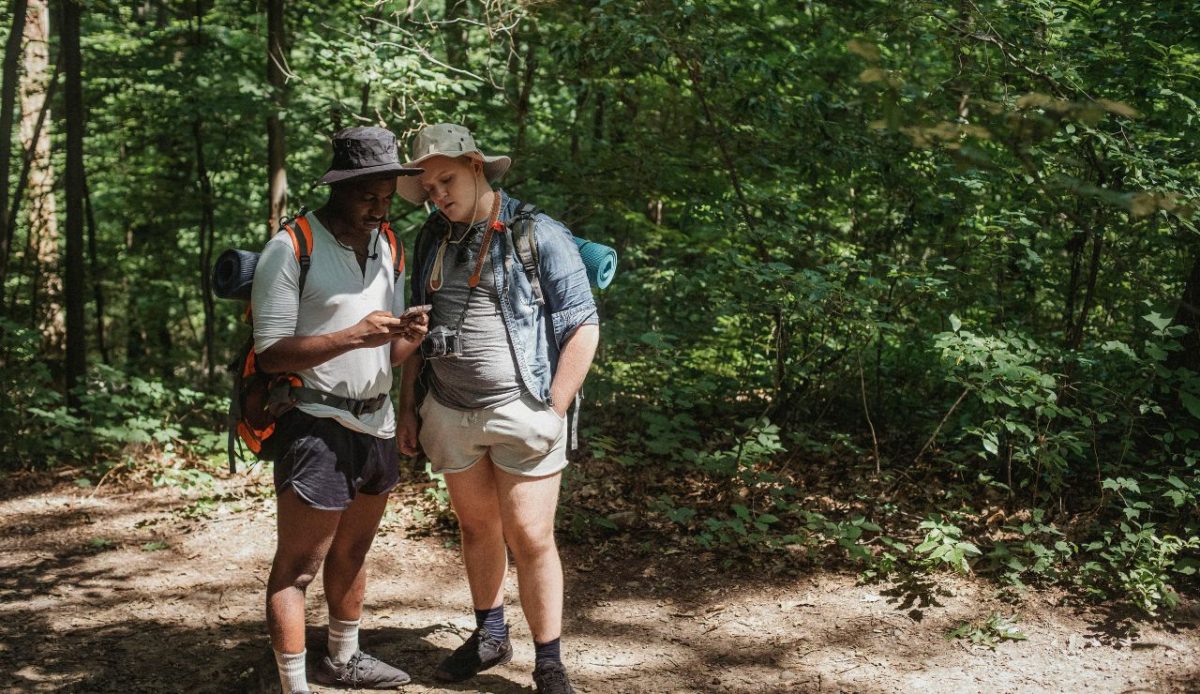
The industry’s response will likely extend beyond raising prices, as operators increasingly treat risk management as part of the product itself rather than a back-office requirement.
More companies may standardize safety systems, adopt digital tracking tools, strengthen guide training, and work more closely with insurers that specialize in outdoor travel. Others may redesign offerings around lower-risk routes or blended itineraries that combine physical activity with cultural or nature-based experiences.
Adventure travel will keep evolving, but insurance is now helping define the pace and shape of that change.
