
Water restrictions aren’t just a desert problem anymore. From islands and beach towns to mountain lake gateways, popular U.S. vacation areas are limiting outdoor watering, tightening irrigation schedules, and urging visitors to use less.
These rules can affect what travelers notice day to day: browner lawns, fewer fountains, shorter hotel laundry cycles, and closed or reduced water features during peak demand.
Most programs target outdoor use first because it’s the easiest to cut fast, and some places back the rules with fees or fines. Planning around them is simple: expect conservation signage, follow posted guidance at rentals and resorts, and don’t assume water is unlimited.
1. Maui (West Maui & Upcountry)
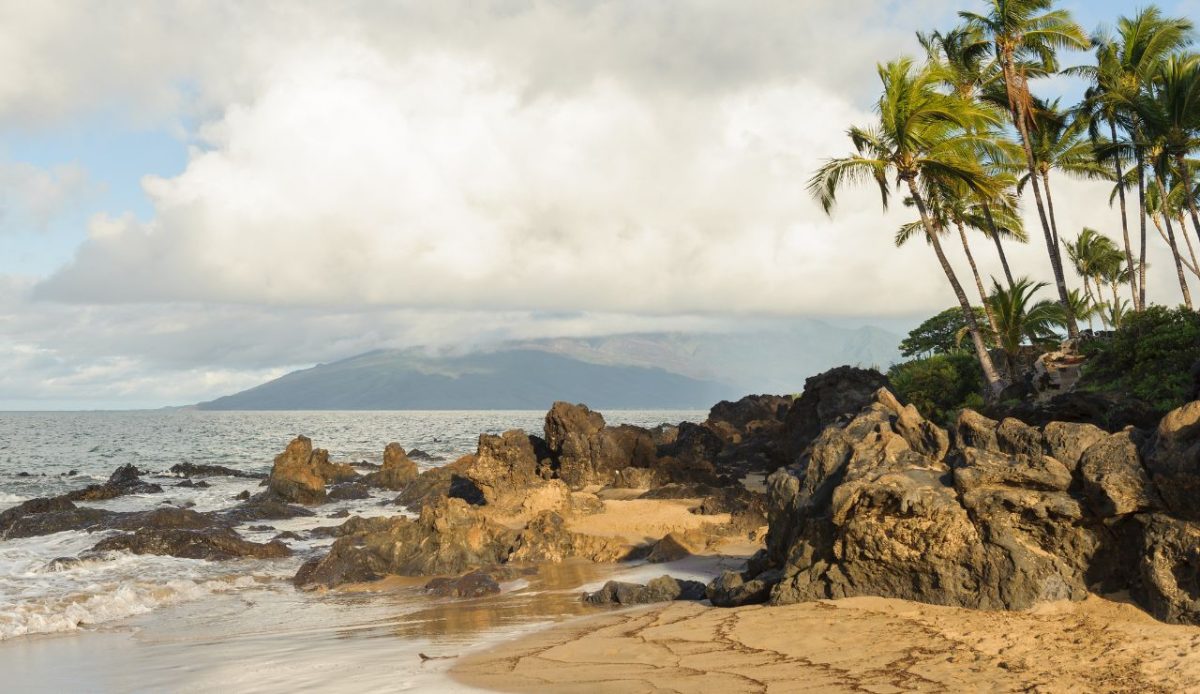
Maui County has declared water-shortage stages in parts of the island, with rules that ramp up when rainfall stays low and demand rises. In West Maui, guidance includes stopping nonessential commercial use and limiting irrigation to a single assigned day each week.
Upcountry communities also cycled into higher shortage stages in 2025, showing how fast restrictions can tighten when supply projections fall behind. Visitors notice less landscape watering and more conservation messaging at resorts and vacation rentals.
Plan for “dry-looking” landscaping. Take shorter showers, run laundry less, and avoid water use at vacation homes, because the priority is keeping drinking water and firefighting reserves stable.
2. Las Vegas Valley, Nevada
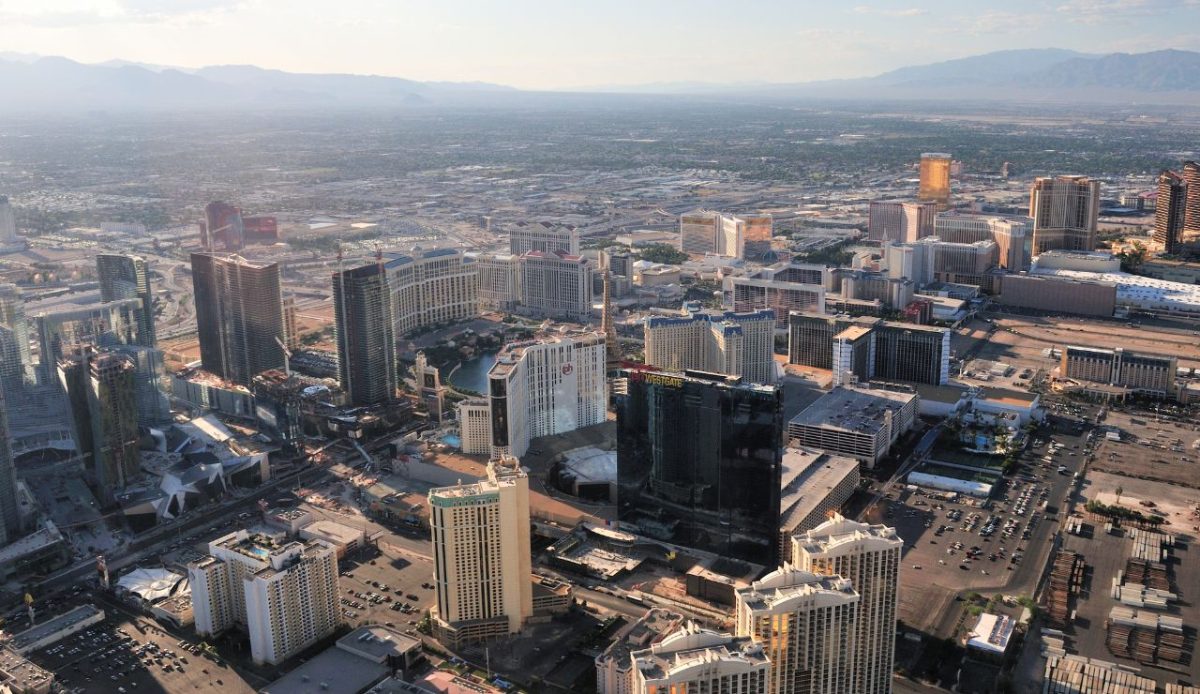
Southern Nevada runs on strict conservation rules, and visitors feel it in the landscaping. The Las Vegas Valley Water District’s mandatory seasonal schedule limits sprinkler irrigation to one assigned day per week in winter, and watering outside your day is treated as water waste.
The Southern Nevada Water Authority supports the schedule with guidance and enforcement to cut overwatering and protect limited supplies. Many resorts lean on desert-adapted plants instead of turf.
If you rent a home with a yard, follow the posted watering group and keep sprinklers off on prohibited days. Choose quick showers and reuse towels; outdoor water is the first thing the region tries to save.
3. South Lake Tahoe, California–Nevada
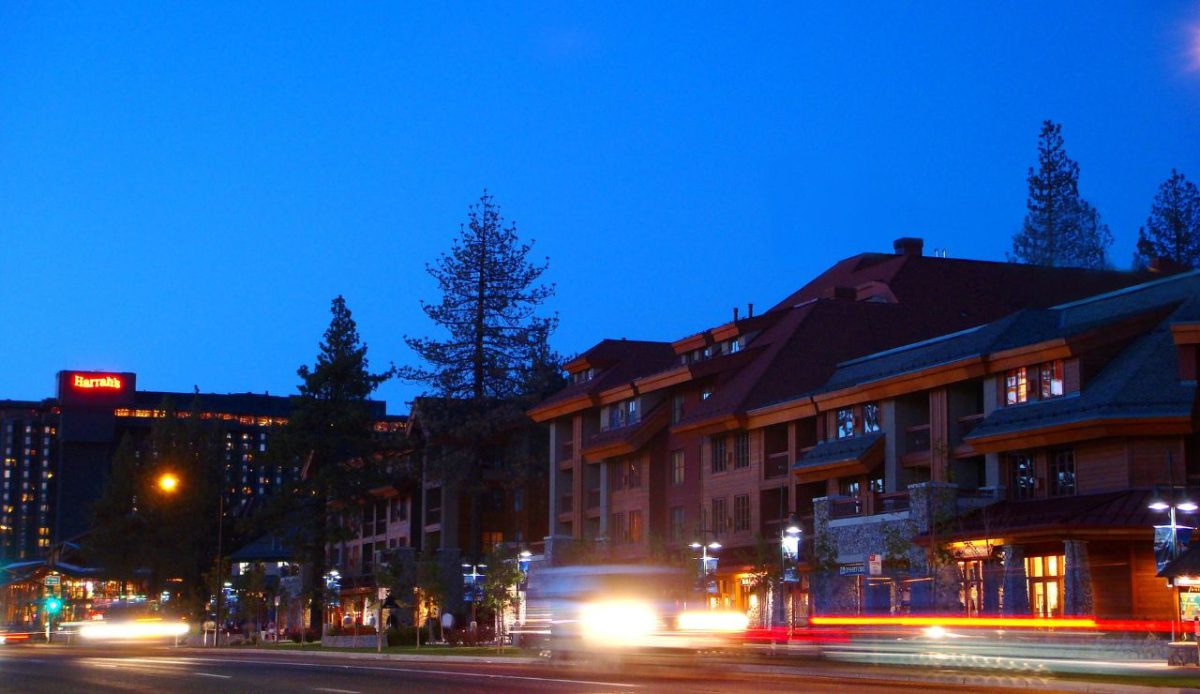
Lake Tahoe’s shoreline towns rely on small local systems, and some utilities keep mandatory restrictions in place even outside headline drought years. South Tahoe Public Utility District says its water restrictions and efficiency provisions are mandatory, with fines possible for violations.
That can mean tighter rules for outdoor watering, washing, and other high-volume uses at cabins and rentals, especially during dry stretches or busy weekends when demand spikes.
If your stay includes plants or a yard, don’t add extra watering. Use refill stations, take shorter showers, and expect conservation signs, since the goal is protecting supply reliability and emergency reserves.
4. Monterey Peninsula & Big Sur Gateway, California
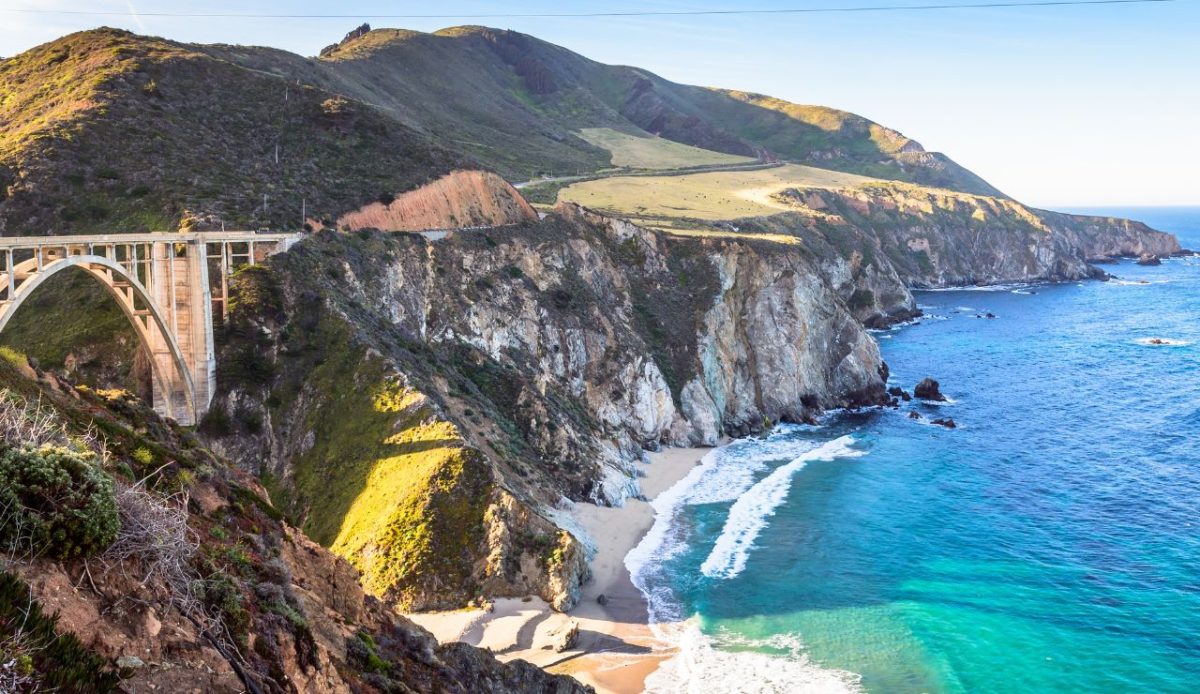
The Monterey Peninsula has long managed water tightly, with a conservation-and-rationing plan that can be adjusted as conditions change. Monterey Water Conservation notes that the Peninsula operates under district rules and California American Water provisions to protect local supplies.
Even at lower stages, the emphasis is on cutting outdoor use first and avoiding runoff or overspray. Travelers in towns near Big Sur see reduced landscape watering and conservation reminders at rentals.
Treat conservation as part of the visit. Skip hose-washing patios, flag leaks to your host, and keep showers short after beach days. Small changes matter when supply is limited, and ecosystems are sensitive.
5. Cape Cod, Massachusetts
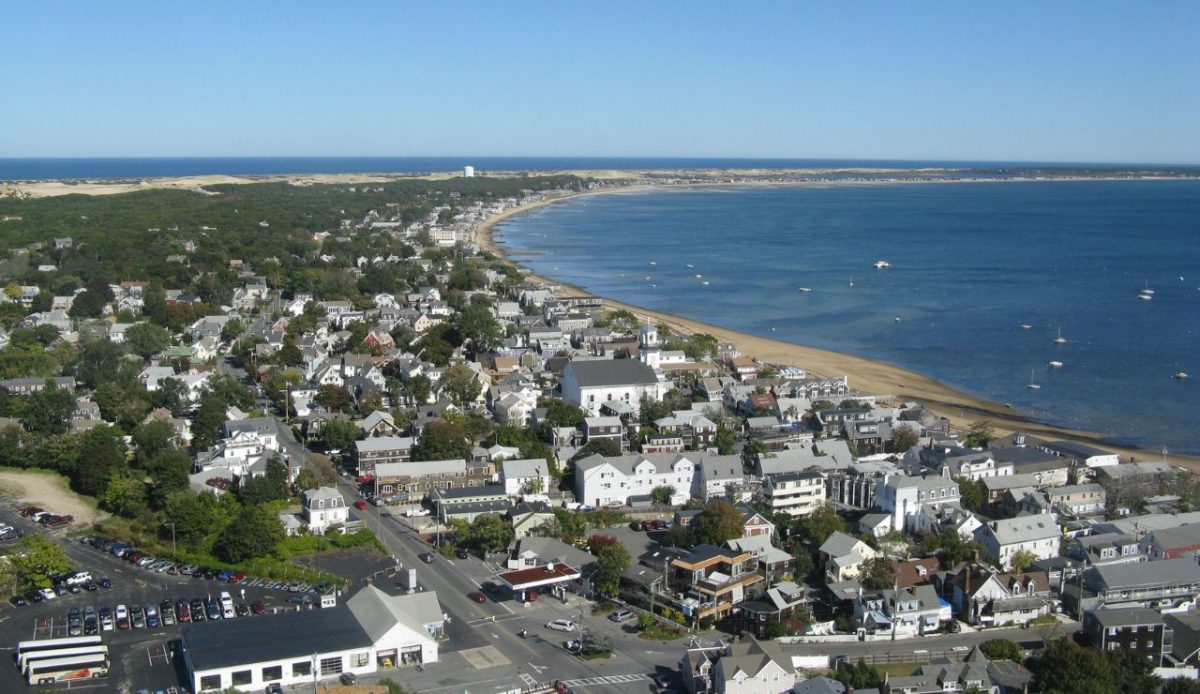
Cape Cod’s peak-season demand hits local groundwater supplies, so drought declarations often translate into outdoor watering limits. Massachusetts has declared significant drought conditions for the Cape Cod region, and local suppliers may restrict lawn watering to as little as one day per week.
Drought.gov’s Northeast updates have also tracked ongoing drought on Cape Cod, showing how coastal areas can run dry even when nearby regions look greener. Visitors may see conservation messaging and less irrigated landscaping.
At rentals, don’t turn on sprinklers “just to be safe.” Take shorter showers and run laundry and dishwashers only with full loads, since many restrictions focus on cutting avoidable use quickly.
6. Santa Fe, New Mexico
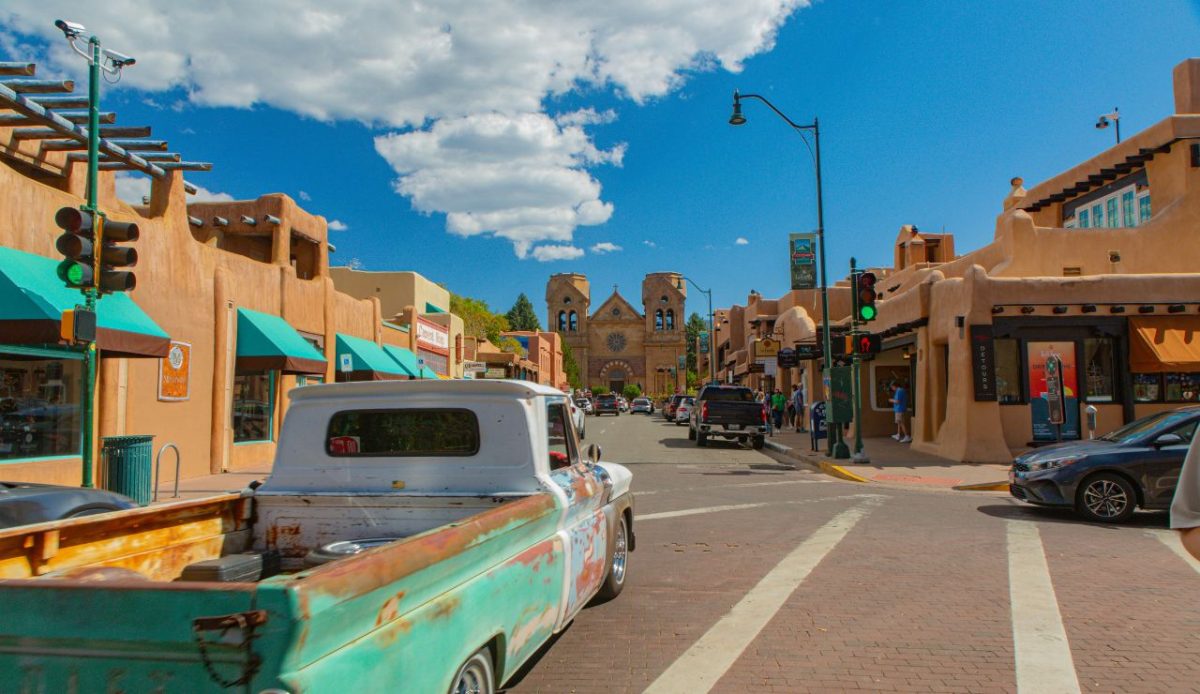
High-desert cities don’t have much margin when conditions turn hot and dry, and Santa Fe uses firm outdoor-water rules. The city’s conservation office applies time-of-day limits that ban outside watering between 10 a.m. and 6 p.m. in the warm season, plus caps on weekly watering.
Local drought warnings can tighten irrigation further with odd-even schedules and fewer watering days. Visitors see xeriscaped yards, drip lines instead of sprinklers, and fewer decorative water features running.
If your rental has plants, avoid midday watering and don’t add extra days. Take short showers, reuse towels, and report leaks fast, because the region’s water plans are built around preventing waste before supplies get stressed.
7. Tampa Bay & Gulf Coast Beaches, Florida
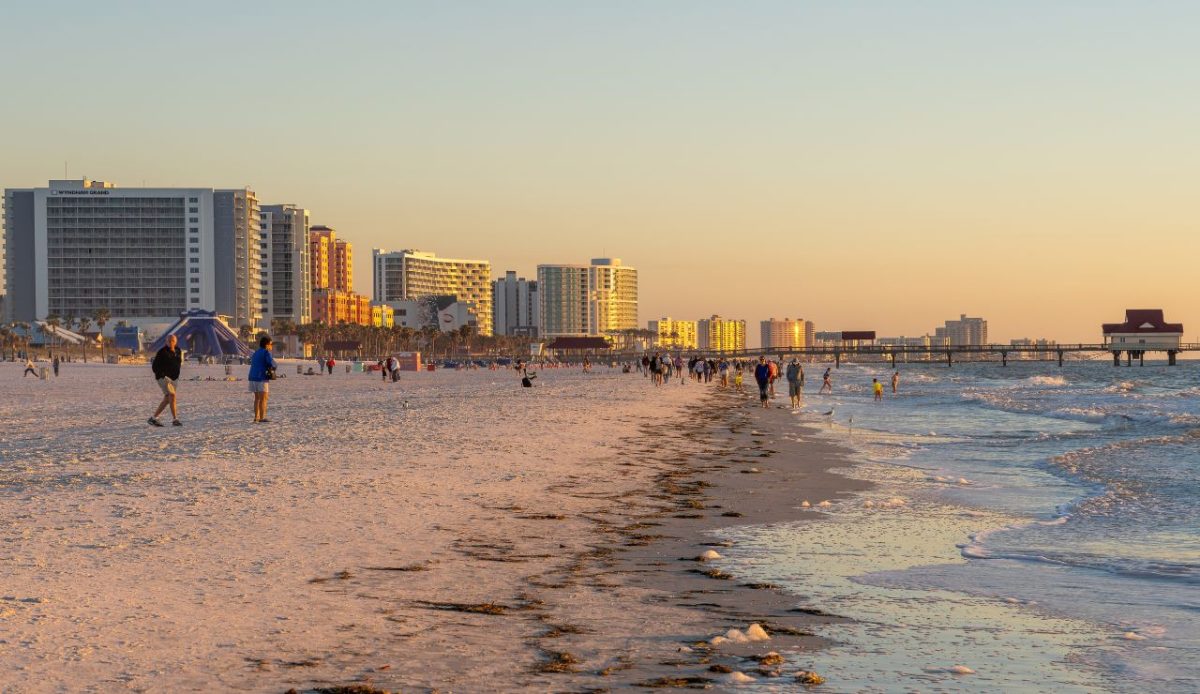
Florida’s 2026 dry season has pushed water agencies to tighten outdoor use in Tampa Bay. Axios reports watering limits shifting to once per week as drought intensifies and rainfall lags.
The Southwest Florida Water Management District has issued water shortage restrictions covering multiple counties, with orders that can stay in place for months and allow stricter local rules. For travelers, the biggest change is landscape irrigation schedules.
Expect fewer “always-green” lawns and more conservation reminders at rentals. Avoid hose-washing cars or gear, take shorter showers, and follow posted outdoor-water rules, because enforcement is designed to cut waste quickly during dry stretches.
8. Miami-Dade & the Florida Keys, Florida
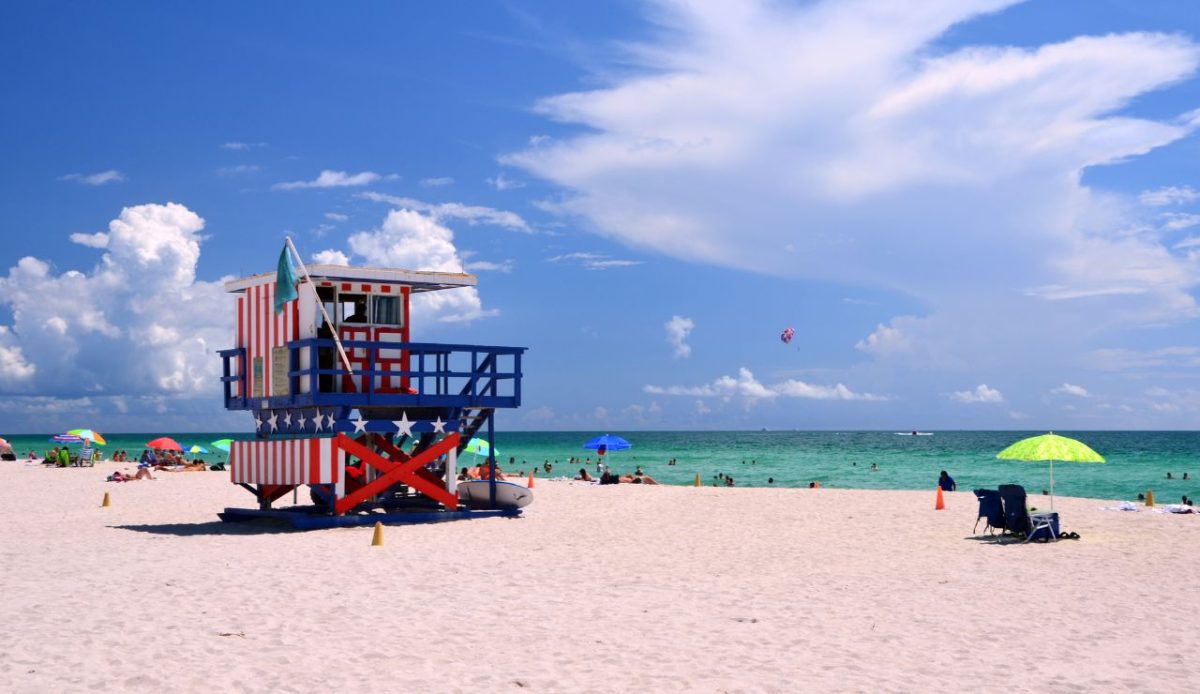
South Florida relies heavily on groundwater, and drought raises concerns about low levels and saltwater intrusion. WLRN reports water shortage warnings for Miami-Dade and the Keys, reminding residents to follow local rules that restrict lawn watering to set days and cooler hours.
Even when measures start as “warnings,” they shape what visitors see: more conservation messaging, fewer irrigated lawns, and a stronger push to avoid waste. That matters where aquifer protection is a top priority.
At rentals, don’t run sprinklers outside allowed windows. Keep showers brief, reuse towels, and don’t leave taps running, because the fastest drought savings usually come from trimming everyday use.
