
Cruises are marketed as predictable getaways where lodging, meals, shows, and transport are wrapped into one purchase. That convenience can hide how many separate systems control the trip once a ship leaves the pier. Maritime law, flag state rules, port authorities, and private contracts decide what services must be delivered and what can be changed. Passenger costs for delays, care, or missed ports are often shifted by those documents. When travelers know who has power over health response, routing, and refunds, the risks start to look more concrete than the brochure. That context guides smarter booking choices.
Most sailings end without serious problems, and modern ships use navigation sensors, watertight doors, and trained crews to manage routine issues. Even so, a cruise is a dense environment where one failure can affect thousands of people at once. Illness can spread through dining rooms and elevators, itineraries can shift when ports restrict entry, and medical care is limited by distance and equipment. Costs and responsibilities are laid out in public inspection records and ticket terms, yet they are rarely reviewed before payment is made. Reading them early sets expectations and shows where insurance may be needed.
Health Outbreaks Are Documented After They Start
Cruise lines promote cleaning programs, but stomach and respiratory outbreaks still occur because passengers share food service, restrooms, and tight corridors. For many ships calling on U.S. ports, the CDC Vessel Sanitation Program posts inspection scores and publishes outbreak updates when case counts cross set levels. That means public reporting is triggered after transmission has already taken hold. Control can include isolation guidance, intensified cleaning, and food service changes, yet exposure cannot be fully ruled out. Reviewing a ship’s recent score and outbreak history gives a clearer baseline than onboard announcements.
Transmission risk is driven by timing and layout. Embarkation days concentrate crowds, and buffet lines and theater seating bring repeated close contact. Cabins are cleaned between sailings, but rapid turnover can leave little margin for deep drying time on soft surfaces. Crew members may work across venues, so one sick worker can touch many settings before symptoms are recognized. Passengers can reduce risk by choosing off-peak dining times, washing hands before meals, and staying out of shared areas when ill. Vaccines and a well-fitted mask help during surges, and early reporting to the medical desk can limit spread in a cabin block.
Itineraries Can Change Without Meaningful Refunds
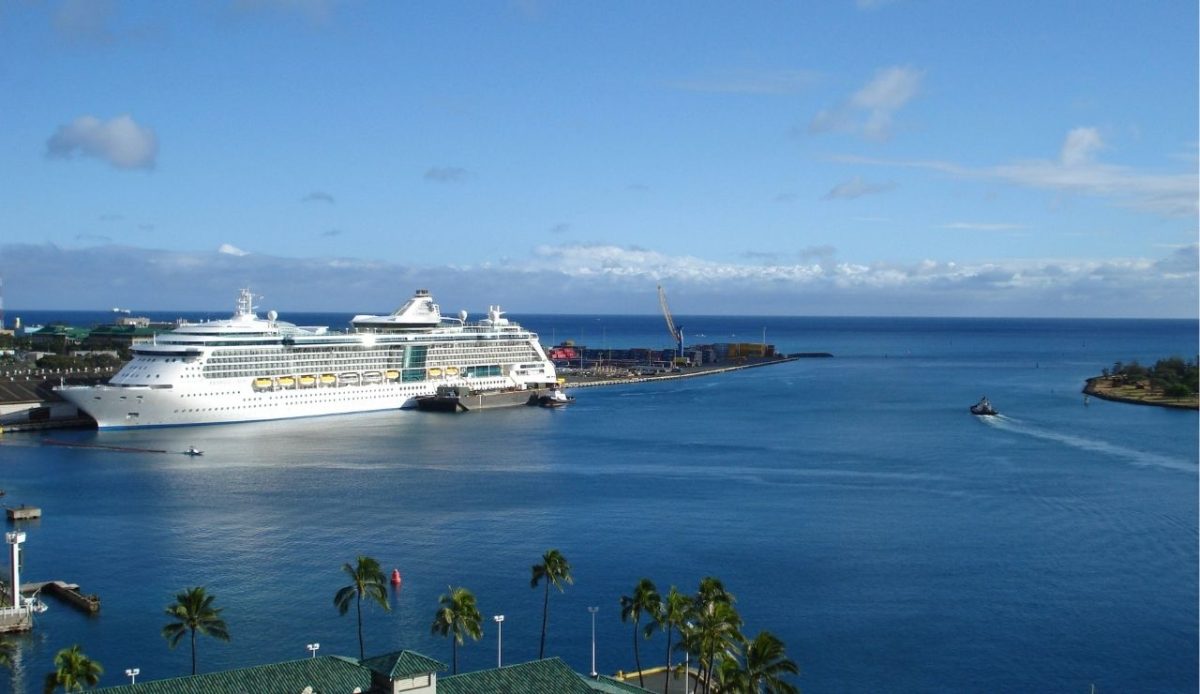
Port stops are presented as the main attraction, yet most ticket contracts give the operator wide discretion to cancel, reorder, or replace ports. A change can be made for storms, mechanical limits, port congestion, labor action, or local security guidance. Because the contract allows this flexibility, a missed stop is rarely treated as a breach when safety or operations are cited. When a stop is dropped, passengers are refunded port fees, while private tours, flights, and hotel plans remain at their own expense. Sometimes a sea day is substituted and onboard credit is offered, but it may not match the value of a lost destination.
Changes are not limited to cancellations. Tender ports can be skipped when swells make lifeboat-sized shuttles unsafe, and late arrivals can shrink time ashore. Ships may also lose a berth to larger vessels or to priority docking for cargo and local ferries, which forces a revised schedule. Route shifts can be driven by fuel planning or to maintain arrival windows for immigration processing. Travelers can reduce disruption by avoiding tight flight connections, booking refundable third-party tours, and treating the printed itinerary as a plan, not a guarantee. Alerts may appear in the app or cabin letters only hours before docking.
Medical Limits and Billing Surprise Many Passengers
Ship medical centers can handle basic injuries and some urgent conditions, but they are not full hospitals with broad imaging, surgery, or specialist coverage. Serious cases may require diversion to the nearest port or a helicopter evacuation coordinated with coastal authorities. Care is usually billed directly to the passenger, and many health plans treat it as out-of-network international service. Without travel insurance that covers emergency transport, a short visit to the clinic can turn into a large expense. Medication supplies are finite, and some consults are handled by telemedicine when specialists are not on board.
Many cruise contracts describe shipboard doctors as independent contractors, which can affect how complaints and claims are pursued after treatment. Legal venue is often tied to the contract and the ship’s flag, not to the passenger’s home state. That can add friction if records are requested, expert reviews are needed, or deadlines differ across jurisdictions. Passengers can protect themselves by carrying a summary of conditions and prescriptions, asking for written notes from the clinic, and saving receipts for later reimbursement. Consent forms and billing terms may be presented quickly during stress, so a photocopy can help later.
Shore Excursions Often Transfer Responsibility

Excursions sold through the cruise line can feel like part of the ship’s operation, yet many are delivered by local companies under separate agreements. The cruise line may screen vendors for basic qualifications, but daily decisions about vehicles, guides, and equipment are made by the operator on the ground. Terms for shore activities often state that the provider is an independent contractor and that risk is assumed by the guest. If an incident occurs, the complaint path may run through a foreign business and local courts, not the cruise brand. Travelers should check licensing, insurance, and recent reviews beyond the ship’s sales page.
Operational risks ashore can be different from risks at sea. Traffic laws, road quality, and emergency response times vary widely, especially on rural routes used for beaches, ruins, or remote viewpoints. Some tours involve water sports or small boats where safety gear standards differ from U.S. expectations. Guests who miss the all aboard deadline can be left behind and must pay to catch up at the next port. Waivers are common, and added charges can appear for gear loss, transport, or clinic visits. Ship sold tours may coordinate return timing when delays occur, but independent outings leave recovery entirely on the traveler.
Emergency Response Depends on Conditions and Crew
Cruise ships carry layered safety systems required by international rules, including fire detection, suppression equipment, lifeboat capacity, and regular muster drills. These measures reduce risk, yet real emergencies are shaped by weather, sea state, and how quickly a problem is recognized. A fire in a machinery space can be contained if compartments hold and ventilation is controlled, but smoke spread can still disrupt large areas. Evacuation is also constrained by wind and waves, which can slow loading even when drills have been completed. Drills are scripted, while real events can involve darkness, injuries, and blocked corridors.
Security risks are also handled through procedures that passengers seldom see. Overboard events rely on detection, eyewitness reports, and rapid coordination with coast guards, which can be difficult at night or in heavy seas. Theft and assault complaints may be handled by onboard security first, then referred to port police, depending on location and jurisdiction. On voyages tied to U.S. ports, some serious allegations must be reported to federal authorities. Because evidence can cross borders, travelers should report incidents promptly, request written case numbers, and preserve messages and photos.
