
Free attractions used to be the easiest win in an American itinerary: walk in, look around, leave a donation if you felt like it. Over the last decade, many sites have shifted to tickets, timed entry, processing charges, or paid parking to manage crowds and keep the lights on.
Some places still market themselves as “free,” but the most popular experience now requires a reservation fee or a paid add-on. Others ended long-running open access and moved to standard admission like a major museum or garden.
Below are 12 spots where travelers often get surprised at the gate. Rules and prices can vary by season, time of day, and residency, so use this as a planning checklist and confirm terms before you build your day around a “free” stop.
1. Washington Monument, Washington, D.C.
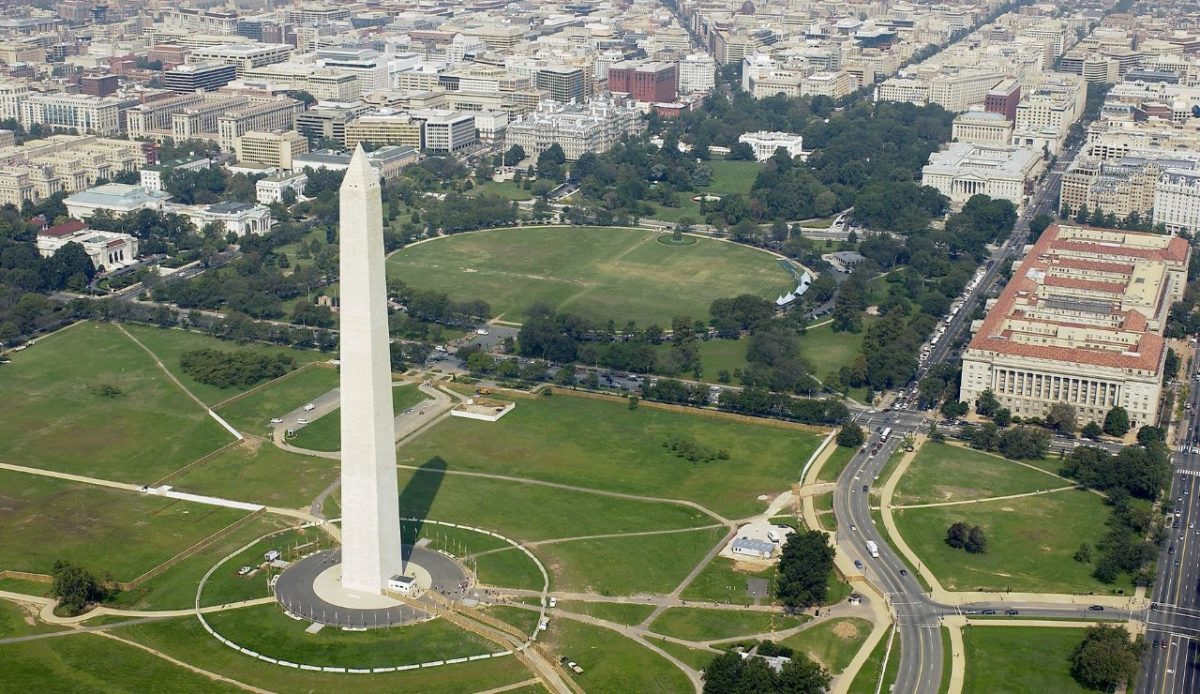
Visitors often hear the Washington Monument is “free,” then learn the elevator ride is tied to timed tickets. Those tickets come with a small per-ticket service charge, even though the admission price itself is listed as zero.
That change matters for spontaneous trips, because you can’t just wander up and assume a spot will open. During busy weekends and school breaks, ticket times can disappear quickly, and the monument’s security rules make late arrivals a no-go.
To keep your day from collapsing, check both the advance window and the day-before releases, and pair it with nearby walk-up options like memorials, museums, or a simple loop around the Tidal Basin if your preferred time is gone.
2. Metropolitan Museum of Art, New York City
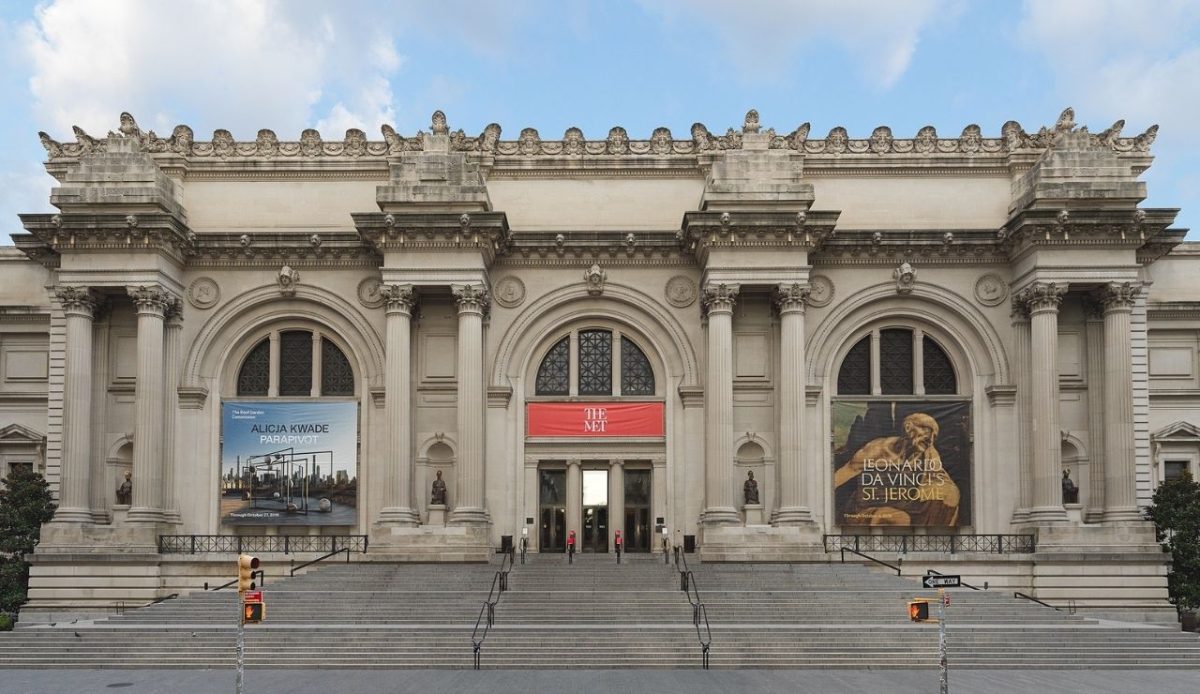
For decades, the Met’s “pay what you wish” tradition worked like a soft free entry for many travelers. A policy change made most out-of-state and international visitors pay a mandatory admission price instead of treating payment as optional.
That turns a casual pop-in into a budget decision, especially for families stacking multiple museums in a weekend. Different rules can apply depending on residency and eligibility, so it’s easy to show up assuming flexibility and get surprised.
If you’re visiting from outside New York, price it like a headline attraction and plan your route inside: pick a few wings or exhibits you actually care about, so the ticket covers a real experience rather than a rushed lap.
3. Indianapolis Museum of Art at Newfields, Indianapolis

This museum spent long stretches operating with free general admission, which made it an easy add-on for locals and road-trippers. That changed when general admission moved to a standard ticket price for nonmembers.
For spontaneous visitors, the surprise isn’t only the price, it’s that the ticket often covers both museum and grounds, so you may end up paying full freight even if you only have an hour or two.
If you’re short on time, check what the ticket includes and whether there are limited free windows, community-access programs, or member perks that fit your situation. Otherwise, treat it like a paid attraction and schedule enough time to justify it.
4. Contemporary Arts Center, Cincinnati
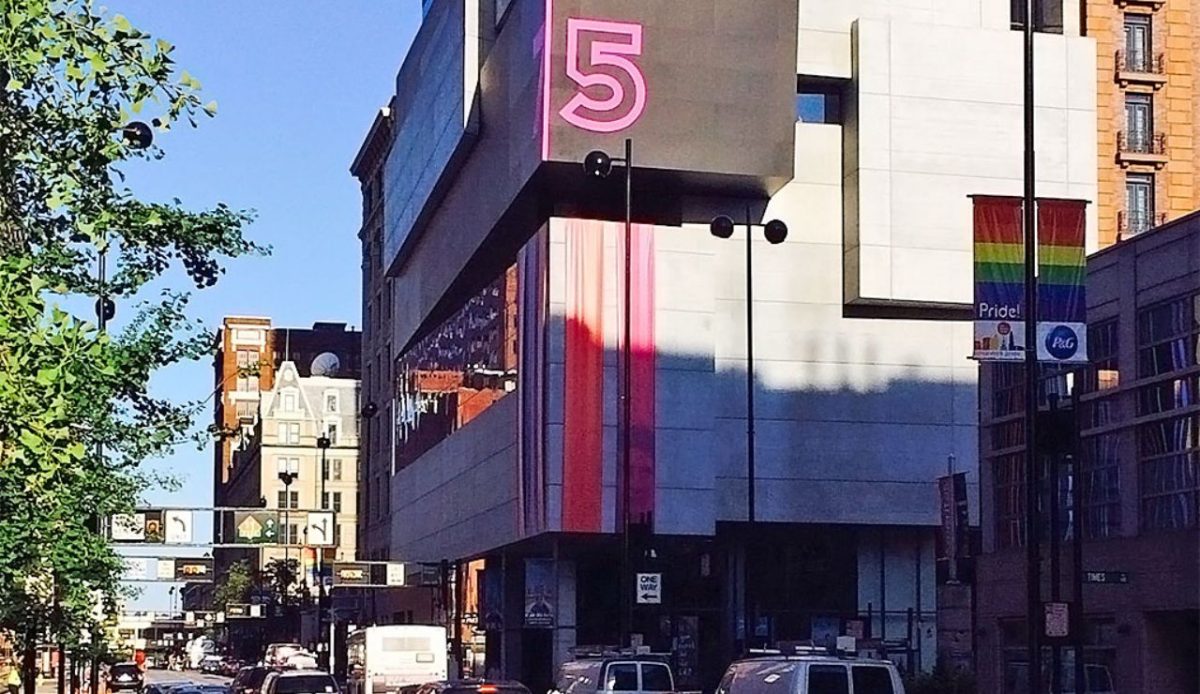
The Contemporary Arts Center built its identity around being easy to walk into, even for people who weren’t “museum people.” In 2025, it began charging general admission for adults, ending the long-running free-entry vibe.
That hits spontaneous itineraries hard because CAC often works best as a quick, low-pressure stop between neighborhoods, meals, or riverfront walks. A paid ticket makes that casual drop-in feel less automatic.
If it’s on your list, check for free or reduced days, member benefits, and whether a current exhibit lineup matches your interests. If you’re already paying, you’ll want to spend real time with the galleries instead of treating it as a five-minute peek.
5. Monk Botanical Gardens, Wausau, Wisconsin
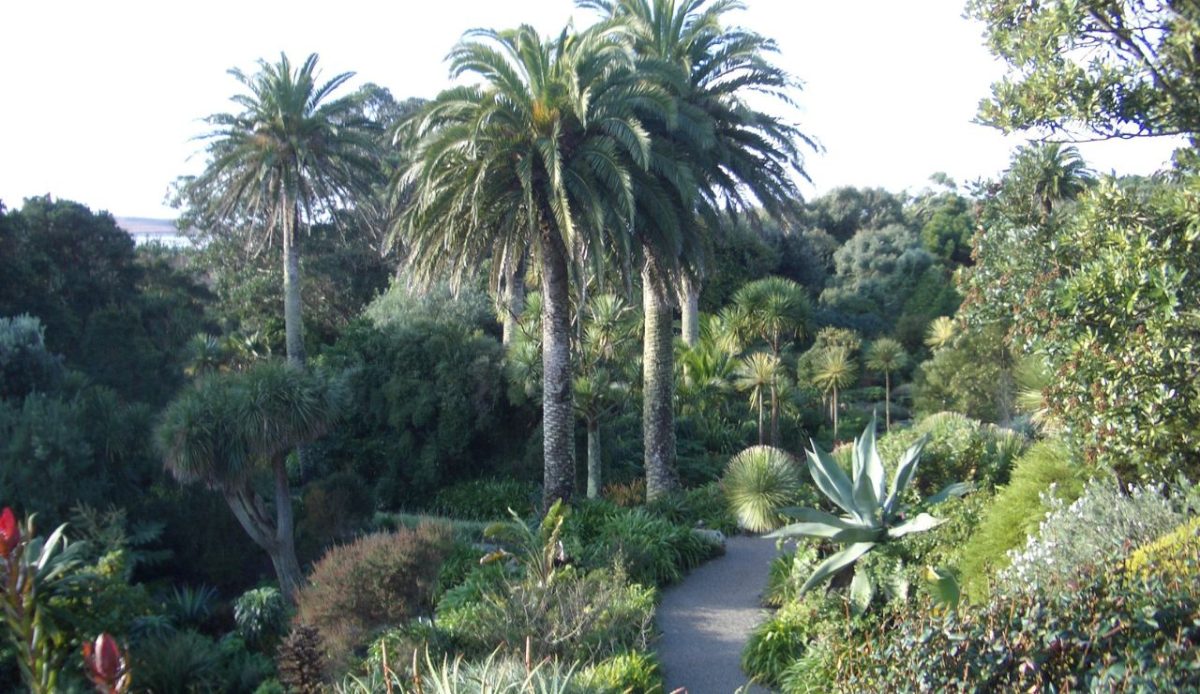
Community gardens often feel like the definition of “free,” especially when locals treat them as an everyday walking spot. Monk Botanical Gardens has faced controversy as it introduced admission fees, changing expectations for casual visitors.
On a spontaneous trip, the friction is the unexpected step: you arrive ready for a quick loop, then have to decide whether the cost fits a short visit. It also changes how families plan repeat visits during the summer.
Before you go, check current pricing, membership options, and whether there are community-access programs or discounted periods. If you do pay, plan a longer visit so you can explore trails, seasonal plantings, and any special programming without feeling rushed.
6. Fort Worth Botanic Garden, Fort Worth

For years, many locals treated this garden like a free outdoor reset button. That changed when it began charging admission to non-members in 2019, framing the shift as part of a long-term plan to fund operations and upgrades.
The planning hit is simple: a stop that once worked as a quick, flexible stroll now needs tickets in the budget, especially for families or multi-stop days. It can also affect travelers who assumed a garden break would be the cheapest part of the itinerary.
If you’re visiting on a tight schedule, check what areas are included with admission, what’s seasonal, and whether membership or reciprocal garden programs can reduce costs if you plan to visit more than once.
7. Chicago Botanic Garden, Glencoe, Illinois
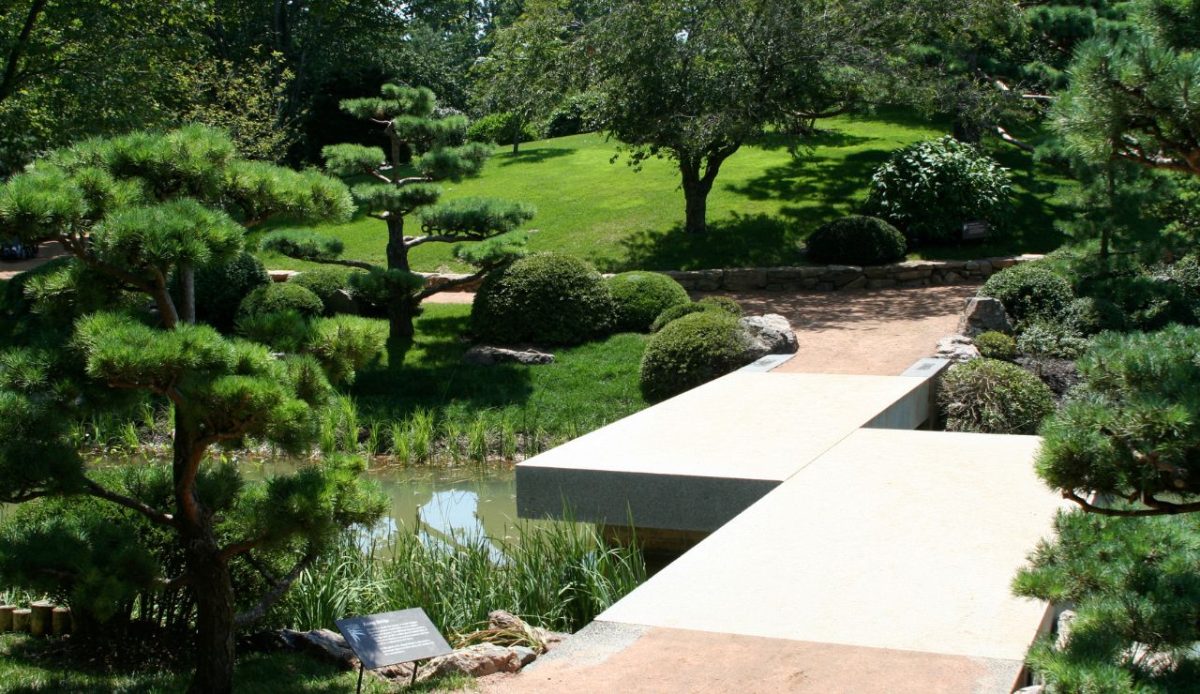
This is a classic “it used to be an easy free day” story. The Chicago Botanic Garden announced it would start charging admission for the first time, moving away from the old model where you could enter freely and mainly think about parking.
For spontaneous travelers, the surprise is that fees can vary and capacity can matter, especially around peak bloom seasons and holiday displays. What feels like a casual detour can turn into a priced, ticketed stop.
To keep it low-stress, look up current admission rules, resident perks, and free-day programs well before you arrive. If you’re paying, aim for a visit long enough to justify conservatories, themed gardens, and any special exhibits running that week.
8. San Francisco Botanical Garden, Golden Gate Park

Golden Gate Park has a reputation for free wandering, so it throws people when a garden inside the park isn’t automatically open-door. The San Francisco Botanical Garden began charging admission after decades of being free to the public, shifting it from a casual hangout to a ticketed visit.
For travelers building a day around park hopping, that fee can land as an unplanned add-on, especially if you’re also budgeting for nearby paid stops like conservatories or museums.
If you want to stay flexible, check who qualifies for free entry, what days have reduced pricing, and whether a combined membership across Golden Gate Park gardens makes sense if you plan multiple visits.
9. Longwood Gardens, Kennett Square, Pennsylvania
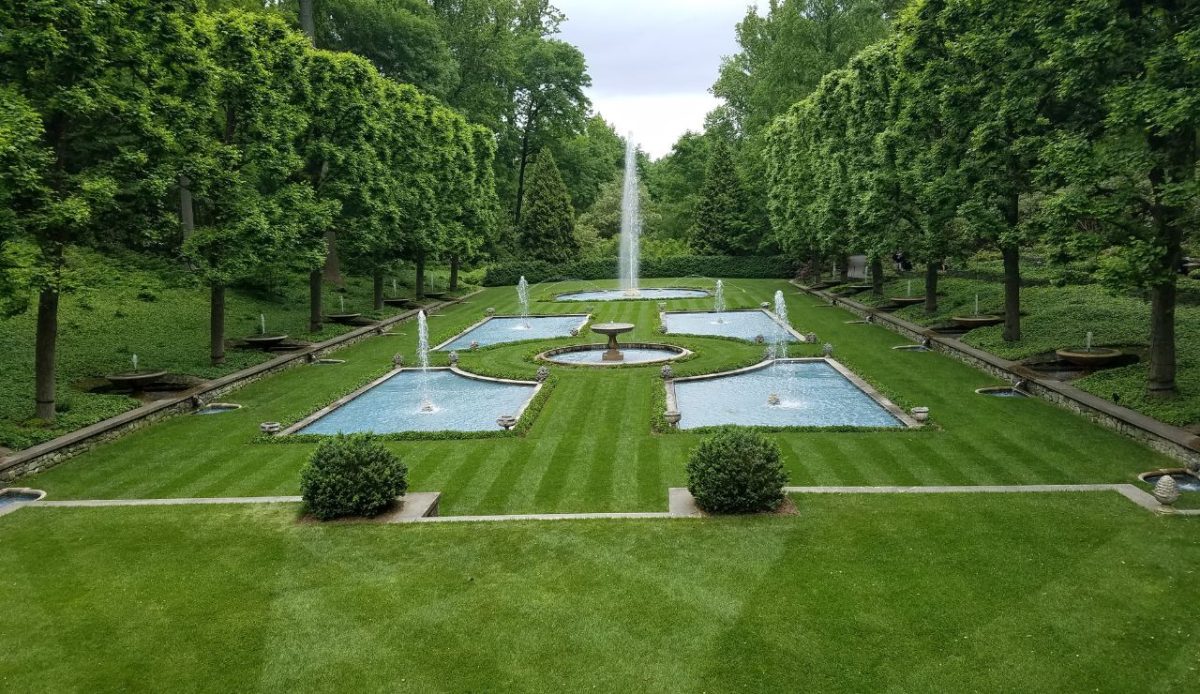
Longwood is a major ticketed destination today, but it wasn’t always that way. Historical notes describe years when the gardens were free to visit, then began charging admission in 1973, shifting from open public access to a paid model.
For travelers, the modern impact is that Longwood isn’t a casual stop you squeeze into an afternoon. Timed entry, peak-season demand, and special displays mean prices and availability can shape your schedule.
If you’re road-tripping the region, treat it as a centerpiece attraction: choose a season you want to see, budget for the ticket, and give yourself enough time to explore conservatories and outdoor grounds without rushing.
10. The Broad, Los Angeles

The Broad is known for free general admission, which is why visitors get caught off guard by ticketed add-ons. Reports around its early years noted that while the museum stayed free, it began charging for certain special exhibitions, creating a two-tier experience.
For spontaneous trips, that matters because the “must-see” show your friends mention might be the part that costs money, and those timed tickets can sell out even when the main collection remains open.
If you’re building a day around downtown L.A., double-check whether the exhibition you want is included in free entry or requires a separate ticket. That one detail can decide whether the stop is a quick, free visit or a paid, timed commitment.
11. Pate Museum of Transportation, Fort Worth
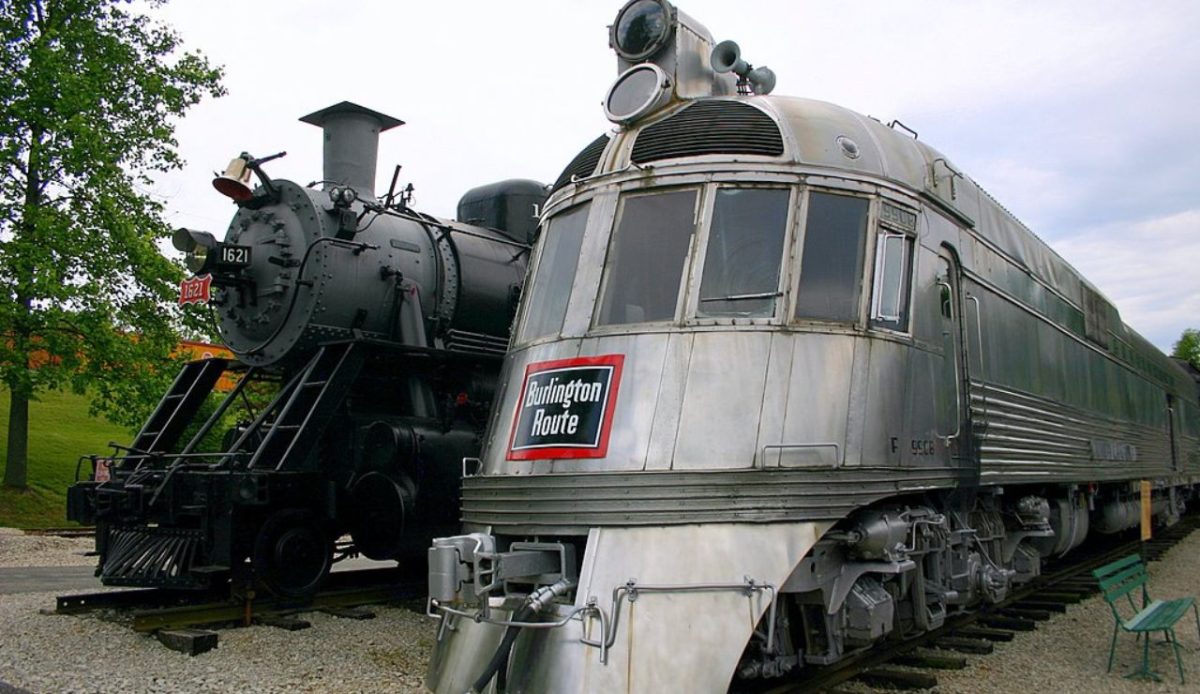
Smaller specialty museums can flip from free to paid fast, often because costs rise while donations flatten out. Coverage of the Pate Museum of Transportation described a long period of free admission, followed by a move to charging visitors as finances tightened.
For travelers, the lesson is broader than one museum: niche collections may look like an easy, low-cost detour, but policies can change quietly and without big marketing campaigns.
Before you drive across town for a quick stop, check current admission and hours, and confirm whether any galleries are seasonal or limited. If there’s a fee, pair it with nearby attractions so the trip still feels worth the time and money.
12. Crown Point and Vista House, Columbia River Gorge, Oregon
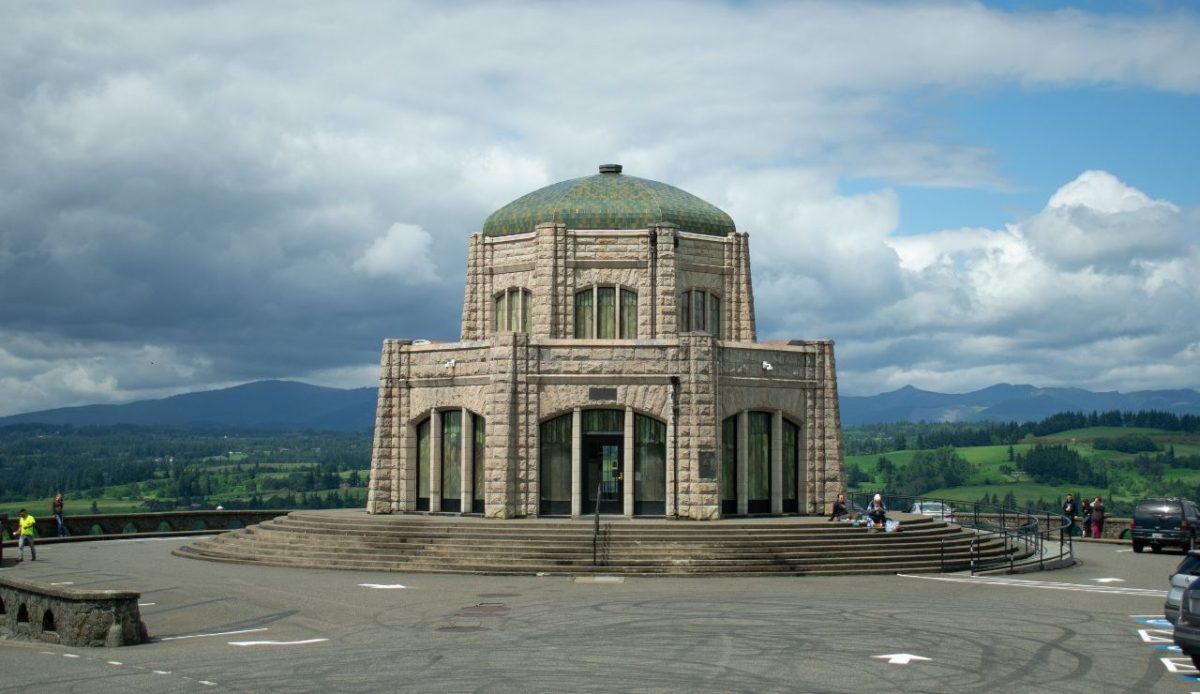
Crown Point’s views and the Vista House overlook feel like the kind of quick, free roadside stop you tack onto a waterfall day. Oregon State Parks has expanded day-use parking fees, and coverage of Crown Point notes a required fee starting in October 2025.
For spontaneous travelers, the trap is assuming you can pull over for ten minutes without thinking about permits or payment systems. It’s more noticeable when you’re hopping between multiple scenic viewpoints.
Before you build a Gorge itinerary, check which pullouts require day-use fees and whether a day pass or annual pass fits your route. That small step prevents a classic road-trip mood killer: learning the rules after you’ve already parked.
