
U.S. national parks are absorbing heavy use that has stayed high since the travel rebound. The National Park Service counted 325.5 million recreation entries in 2023, and many signature parks still see peak days that fill before midmorning. Most access systems were built for smaller volumes, with few lanes, limited pullouts, and aging water and power lines. At the end of fiscal year 2024, NPS estimated about $22.986 billion in deferred maintenance needs across its assets, which makes crowd-driven damage harder to absorb. Each year.
The breaking point described in this topic is driven by behavior that shifts costs onto parks and nearby towns. Lines form when visitors arrive in waves for the same overlooks, ignore posted capacity limits, or stop in roadways for photos. Rangers then spend more time on traffic control and emergency response, while resource work is delayed. More parks are already moving to managed entry, including Arches timed entry tickets and Acadia vehicle reservations for Cadillac Summit Road that are scheduled again for the 2026 season. If habits do not change, access will be tightened more often systemwide.
Crowd Surges Outpace Park Capacity
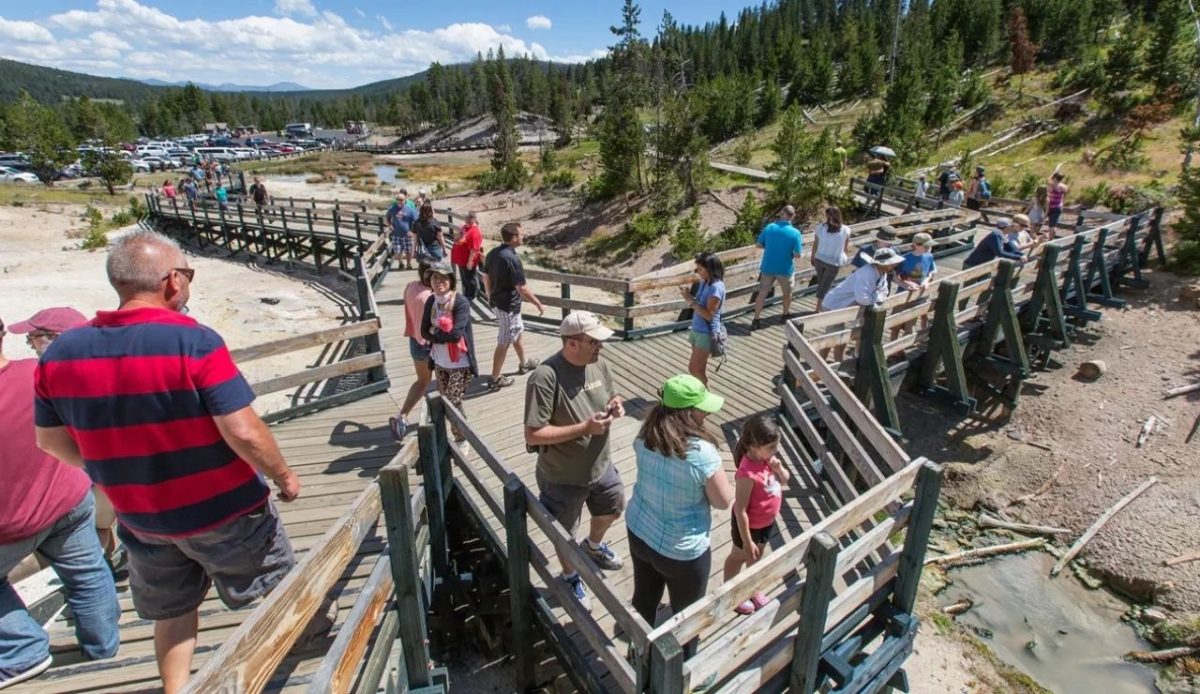
Crowd pressure is intensified by the way park roads concentrate movement into a few corridors. At places such as Yosemite and Zion, a small set of entrances, valley roads, and trailhead lots controls the whole day’s flow. When vehicles stack at gates, idling increases, pedestrians cross between stopped cars, and minor crashes block lanes. Shuttles reduce some demand, yet capacity is fixed by fleet size, driver staffing, and turnaround time. For that reason, timed entry and vehicle reservation programs have been used at several parks, including Yosemite, Rocky Mountain, and Glacier access routes during recent peak seasons.
The load is not spread evenly across the system, so a handful of parks carry outsized impacts. The Great Smoky Mountains often lead the annual visitation list, but its road network and parking footprint cannot expand much without habitat loss. As pavement breaks and culverts fail, repairs are scheduled, and traffic is rerouted onto fewer open segments. That concentrates visitors even more, so crowded pullouts become conflict points and rule compliance drops. By 2026, more days may be managed through reservation windows because the alternative is repeated closures after damage. Emergency access is also delayed.
Shortcut Culture Damages Trails And Habitat
Selfish crowd behavior shows up as shortcutting, which turns a designed trail into a braided network. When visitors cut switchbacks, the slope is exposed, and water runs straight downhill, carving ruts that grow with each storm. In desert parks, biological soil crust can be crushed by a single step, reducing stability and allowing dust to rise. In alpine zones, thin tundra mats are torn, and roots are left inthe sun and wind. These unofficial tracks are often called social trails, and they increase repair work far beyond routine maintenance. Crews then install fencing, rock lines, and reroutes, but the new path is often bypassed again.
Habitat is also harmed when people push past signed boundaries for quiet photo spots. Repeated trampling near streams compacts soil, so runoff carries sediment into pools used by amphibians. Meadow edges are widened, and small mammals lose the cover that protects them from predators. When wildlife is approached for close images, stress responses rise, and feeding time is reduced, especially for animals with young. Restoration can require seasonal closures, native seeding, and long-term monitoring, which shifts staff away from visitor services. Enforcement is difficult when a single overlook draws hundreds of people at once.
Parking Gridlock Spills Into Gateway Towns
Parking scarcity turns crowding into a regional problem because vehicles do not disappear when a lot is full. At Arches, queues can extend toward Moab, while drivers search for roadside spaces near trailheads. At Acadia, Cadillac Summit Road requires vehicle reservations in the busy season, including a published 2026 window, because the summit area cannot safely absorb unlimited arrivals. When systems are bypassed, cars spill onto town streets, private driveways, and narrow shoulders, creating hazards for cyclists and pedestrians. Towing and citation work increases, and local police are pulled from other duties during peak weekends.
Gateway towns absorb costs that were not priced into a park entrance fee. Traffic control requires overtime, and sanitation pickup is increased when day visitors bring meals and leave waste behind. Ambulance response is slowed by gridlock near entrances, so some counties stage units closer to the park on high-volume days. Local road surfaces deteriorate under constant stop-and-go loads, which raises repair bills. By 2026, more towns may adopt paid parking zones or shuttle-only districts to keep basic services functioning. When parking is scarce, frustration leads some drivers to stop in travel lanes, which escalates collision risk.
Rule Breaking Raises Rescue Demand And Injury Risk
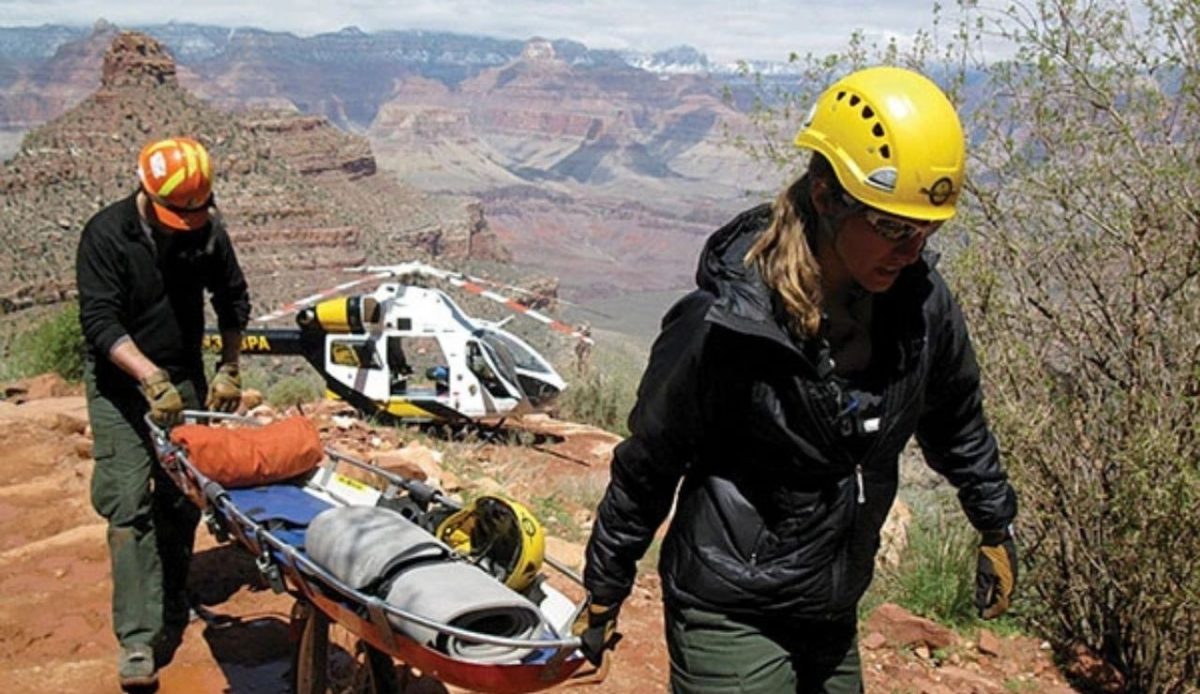
Search and rescue demand grows when visitors treat warning signs as suggestions. In desert parks, heat illness and dehydration are triggered by late starts, low water, and hiking beyond ability. In canyon terrain, falls occur when people cross barriers to reach a photo angle, or when they leave maintained routes and get cliffed out. Each incident pulls rangers from patrol and interpretation, and aircraft time may be needed for rapid extraction. The workload increases sharply on the same days that staffing is already stretched. County teams and volunteers often assist, but coordination and medical care still consume limited budgets.
As incident numbers rise, policy tools are used to shift behavior before harm occurs. Some parks require permits for high-risk backcountry routes, while others impose seasonal closures when conditions make rescues more dangerous. Fines for off-limits travel can deter a share of violations, yet enforcement is uneven when crowds are dense. Clearer pre-trip messaging helps, but it competes with viral content that downplays risk. If selfish rule-breaking continues, more restrictive access rules are likely to be adopted by 2026 to protect both staff and visitors. Reservations can be tied to trailhead briefings so hazards are understood on entry.
Social Media Hotspots Create Flash Crowds
Online hype compresses visitation into short windows, producing flash crowds that are hard to staff for. A single post can redirect thousands of people to the same viewpoint within days, overwhelming a small parking area and a narrow trail. At sites like Horseshoe Bend on federal land near Page, Arizona, crowd management features were added after rapid growth, including controlled parking and safer railings. Inside national parks, the same dynamic fills pullouts and blocks trail junctions, so normal circulation breaks down. When lines form for one photo, pushing and off-path movement increase, and rangers are reassigned to manage queues.
Tools that spread arrivals across time are used more often because they cut surge impacts without closing a site. Timed entry at Arches, updated for 2026 planning, shows how gate control can keep roads from locking up at midday. Reservations also provide counts that help assign staff to sanitation and patrol. Many visitors resist planning and show up hoping to negotiate entry on site. Limited last-minute slots help, but they are consumed quickly and leave late arrivals searching for loopholes. For content-driven trips, permit rules for guided groups and paid shoots are applied to reduce crowding and keep paths clear.
Litter And Human Waste Overwhelm Sanitation Systems
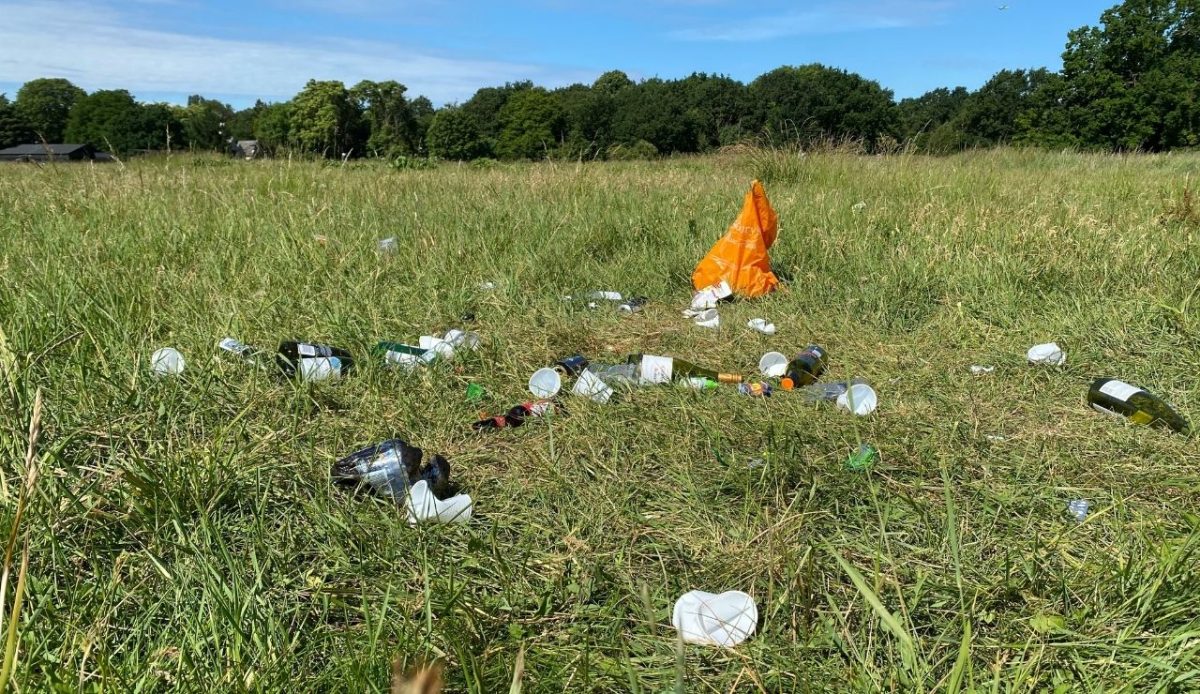
Sanitation systems fail first when crowds act as if someone else will handle the mess. At busy trailheads, trash cans fill early, and food waste draws ravens and rodents that learn to scavenge near people. Restrooms are sized for typical peaks, so lines form and facilities are overused during holiday surges. Joshua Tree has issued repeated guidance on packing out trash and avoiding toilet paper left behind, showing that the problem is persistent. Cleanup requires staff time that would otherwise go to maintenance and education. When dumpsters overflow, wind spreads litter into washes, and removal becomes harder after storms.
In remote areas, human waste becomes a public health issue when it is left near campsites or water. Thin soils do not break down waste quickly, and runoff can carry bacteria into streams used downstream. Some parks promote or require carry-out systems on specific routes, and composting toilets are installed where feasible. Mount Rainier and other high-use peaks rely on clear rules and visitor cooperation because hauling waste out by crew is limited by weather and access. If compliance stays low, more areas may shift to permit only access by 2026, so impacts can be managed. Closures may be used after contamination events.
