
Seawalls and floodwalls are built to limit storm surge damage and chronic tidal flooding, but they also change what people see at the waterline. When a wall is raised or rebuilt, the street edge, railings, and walkway grades often shift with it.
In coastal towns, that can mean a higher barrier along a drive, a new promenade above the beach, or a different shoreline profile where stone or concrete replaces a natural slope. These changes can affect public viewpoints, access paths, and the feel of waterfront parks.
This article looks at ten U.S. coastal places where major wall projects altered the visible edge between town and water. Each example ties the view change to a specific construction or reconstruction effort.
1. Seattle, Washington
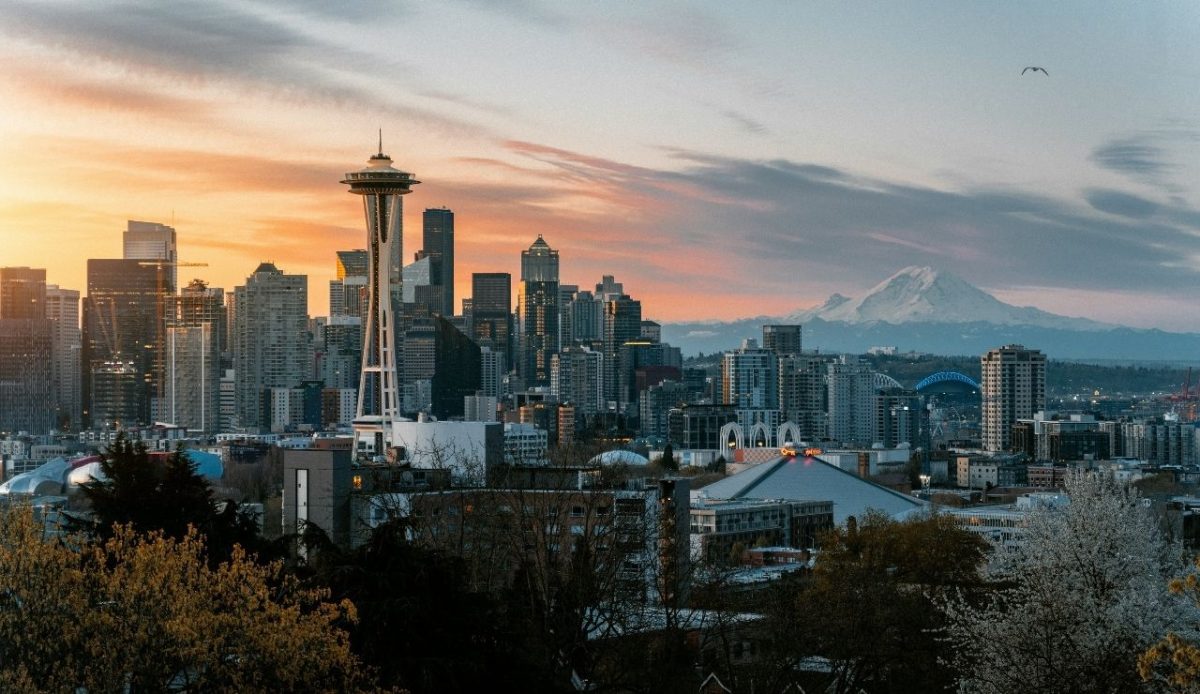
Seattle replaced the aging Elliott Bay Seawall along Alaskan Way after engineers flagged seismic risk and soil instability. The new wall uses modern anchors and a rebuilt deck that supports the roadway and waterfront utilities.
That rebuild changed the downtown shoreline where people walk and look out over the bay. The prior vertical face was replaced with a reworked profile that includes habitat ledges and revised grading.
Because the wall is directly beside the central promenade, even small shifts in height and alignment change sightlines. Views from the sidewalk now pass over a different edge condition than the one that stood for decades, altering how the bayfront is framed.
2. Hull, Massachusetts
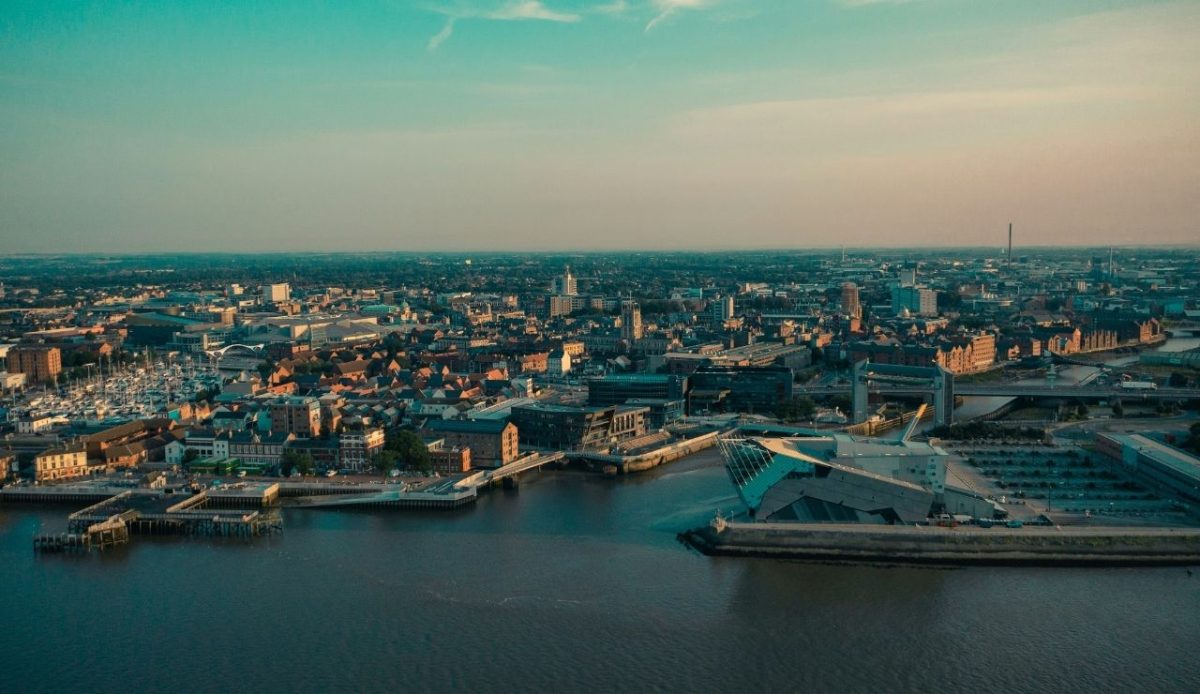
Hull rebuilt the Nantasket Avenue seawall after repeated Atlantic storms damaged older concrete and stone sections. The project replaced long stretches with a higher reinforced wall, rebuilt revetment support, and drainage work to limit overtopping.
Along this road, the seawall functions as both protection and a visible boundary between pavement and surf. A taller barrier and a reset edge change what drivers and pedestrians see during nor’easters, when spray and water once crossed the lane.
The work also added defined overlooks and safer paths on the ocean side. Those additions shift where people pause and the angle of the view, compared with the prior low wall that sat closer to the travel lane.
3. Plymouth, Massachusetts
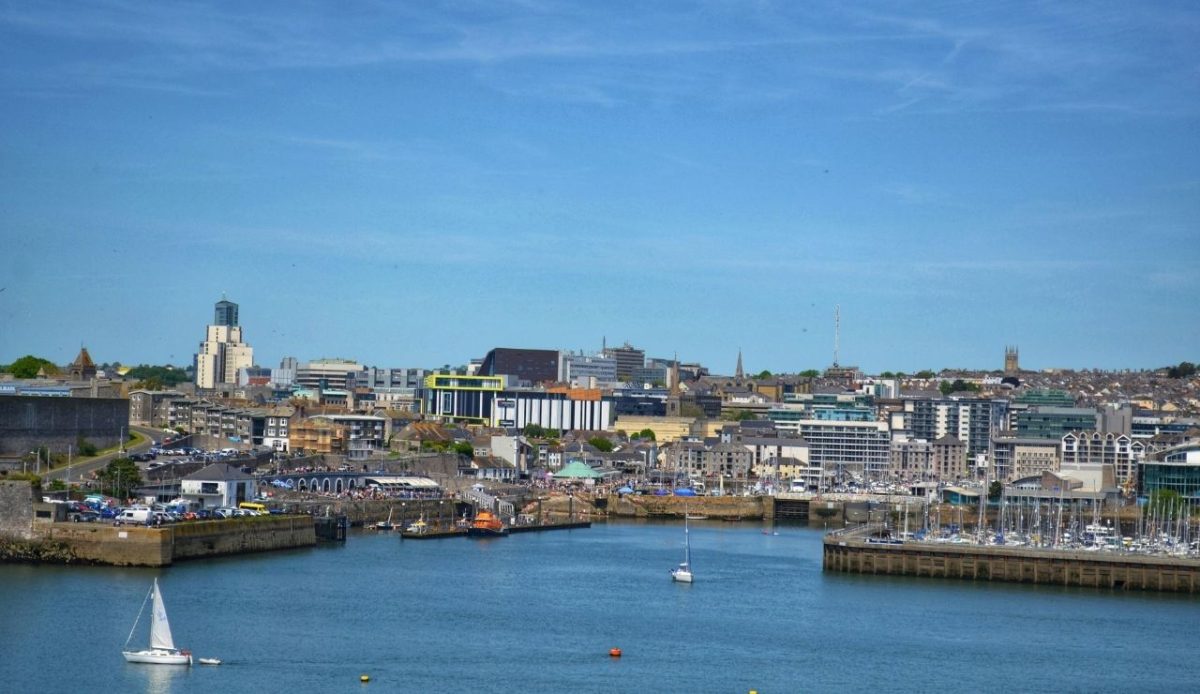
Plymouth carried out a phased reconstruction of seawall and revetment segments along Plymouth Beach and Long Beach. Town work replaced failing sections that had slumped, exposing backfill and weakening the protective line.
When continuous stretches are rebuilt, the shoreline appearance changes even if the footprint stays similar. New stone placement and uniform crest heights replace the patchwork look created by years of emergency repairs.
Access points and nearby homes now face a more consistent engineered edge. The rebuilt wall also affects how sand accumulates against the structure, which can change what is visible from the beach path over a season.
4. Charleston, South Carolina
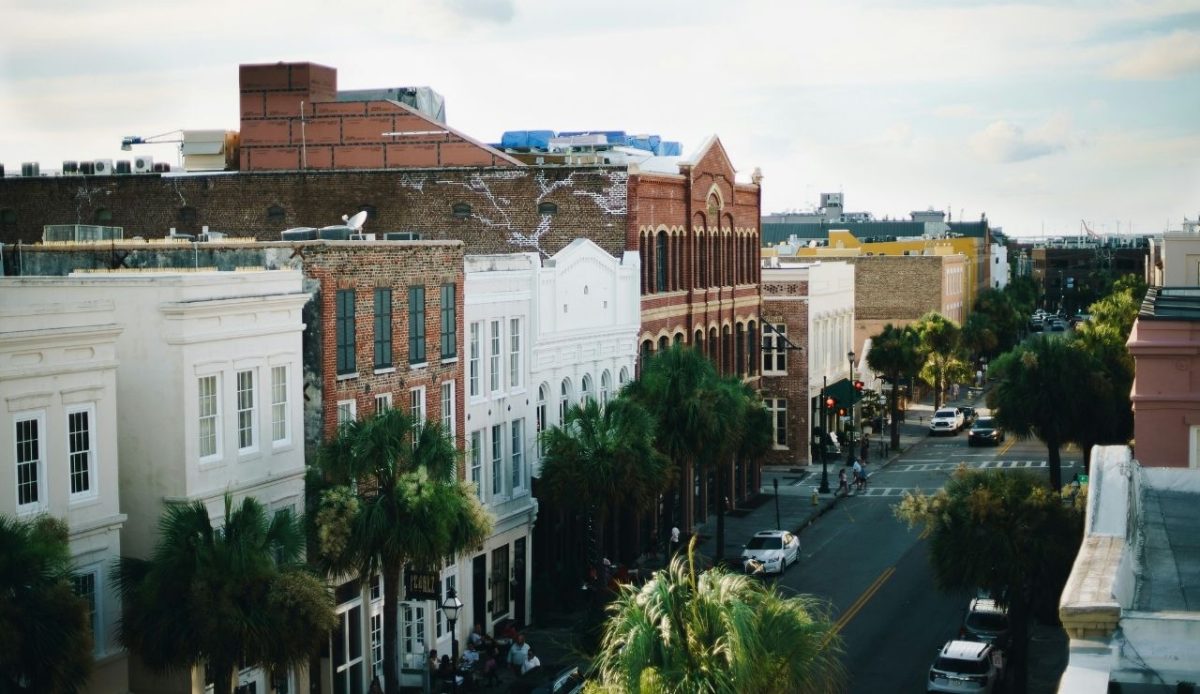
Charleston repaired the Low Battery seawall along the Battery promenade after structural movement and voids were found behind the wall. Work included dismantling damaged portions and rebuilding with stronger backing and drainage.
Because the promenade runs at the harbor edge, wall height and cap geometry matter for views. Rebuilt sections present a cleaner, more uniform line, and in places a higher protective edge than before.
The project also adjusted adjacent walk surfaces and rail details to match the restored wall. From the public walkway, the harbor is now seen over a reconstructed barrier rather than cracked masonry that had uneven settling.
5. St. Augustine, Florida
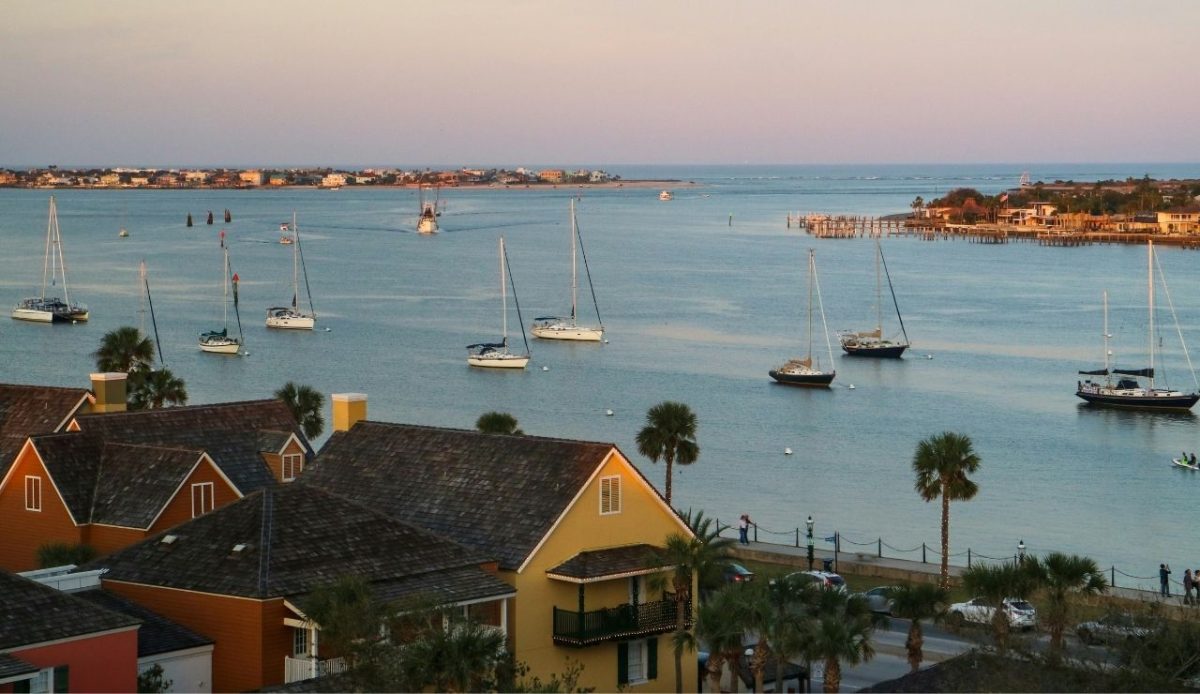
St. Augustine upgraded parts of the Avenida Menendez bayfront seawall to address low points that allowed frequent overtopping. The project added a higher protective element behind sections of the existing wall and repaired weak segments.
A higher barrier changes the bayfront street view because the road runs directly beside Matanzas Bay. Where water and wall once sat close to eye level, the raised line increases separation between traffic and the bay.
The change is most noticeable at pedestrian crossings and overlooks along the corridor. People looking out from the sidewalk now face a taller built edge, and the bay is seen from a different height than before construction.
6. Norfolk, Virginia
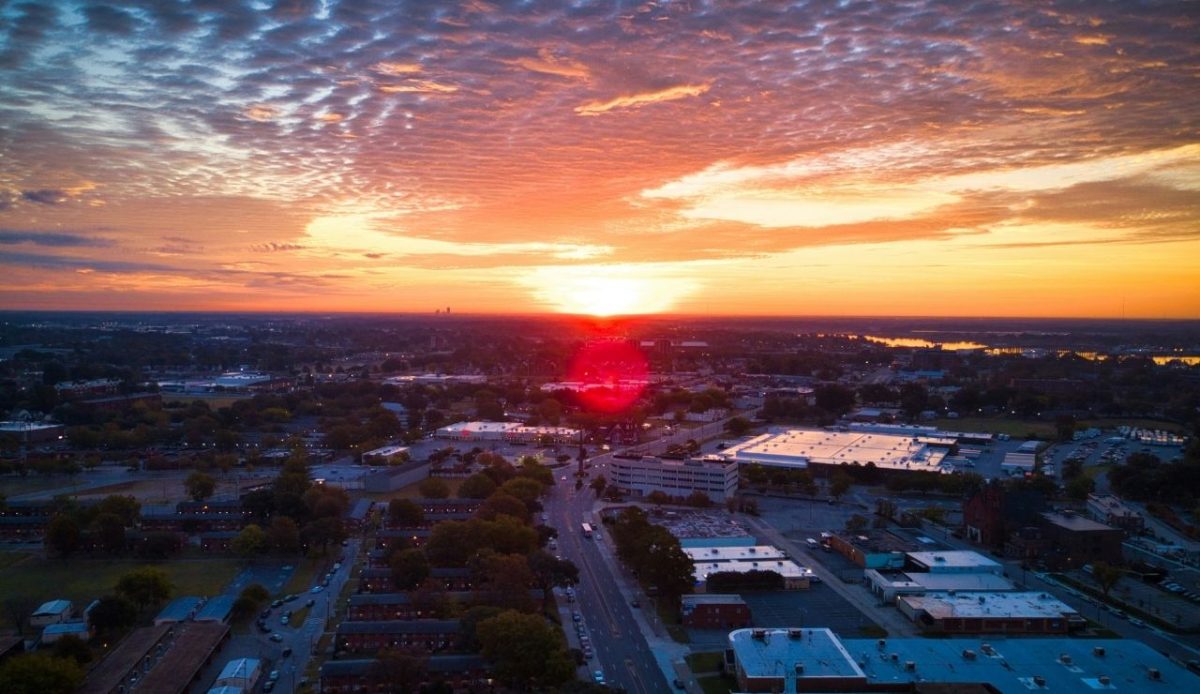
Norfolk has advanced coastal storm risk reduction work that includes floodwalls in low-lying neighborhoods near the Elizabeth River. Walls are used where space limits berms and where streets and buildings sit close to the water.
Unlike a buried drainage upgrade, a floodwall is visible from the block and can interrupt prior sightlines. In areas such as Freemason, residents have raised concerns that higher barriers will block water views from streets and homes.
Where segments are built, the waterfront edge becomes a defined vertical element in the streetscape. That changes how the riverfront reads from sidewalks and parks, even when gates and openings are included for access and traffic.
7. Manhattan, New York City
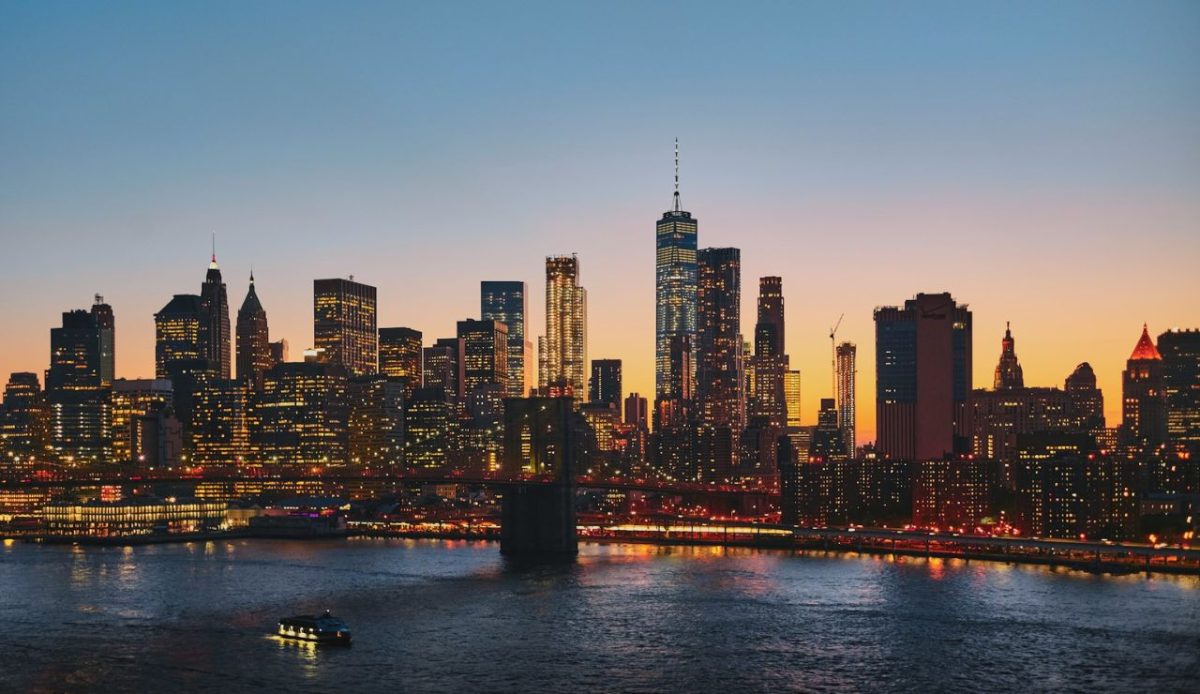
On Manhattan’s Lower East Side, East Side Coastal Resiliency rebuilt parts of the East River park edge while adding flood protection. Bulkheads, esplanade areas, and park grades were reconstructed to meet design flood heights.
Raising parkland and adding protective features changes how the river is seen from interior streets and paths. New berms, walls, and higher walkways shift the horizon line and reduce direct at-grade views in some spots.
The project also repositions entrances and ramps, which changes where people approach the water. The result is a different visual sequence from city blocks to riverfront, created by engineering needs rather than aesthetics.
8. Galveston, Texas
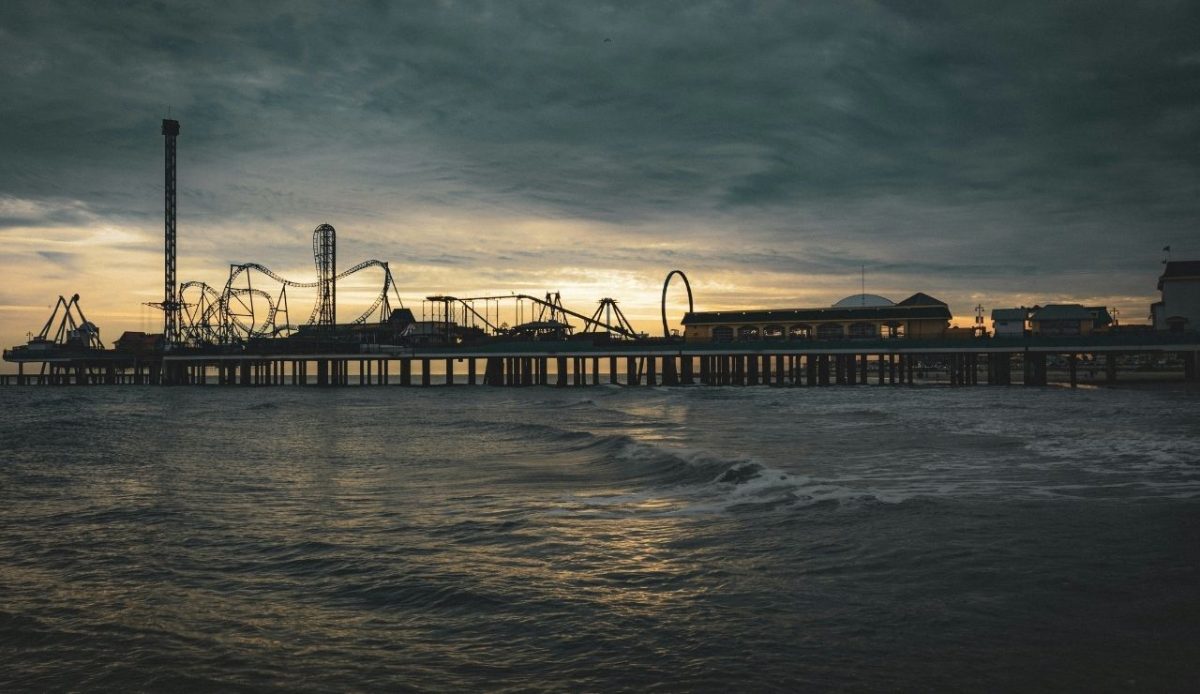
Galveston’s seawall was built after the 1900 hurricane to protect the Gulf-facing shore and support a raised boulevard. It formed a continuous concrete barrier and was paired with grade raising in parts of the city behind it.
That construction replaced a low beach ridge with a tall fixed edge that dominates the oceanfront. The roadway on top creates a raised viewing line, and the wall face blocks a direct street to the sand transition.
Over time, repairs and extensions kept the wall as the defining feature along Seawall Boulevard. For residents and visitors, the Gulf is approached from a higher roadway above a hard barrier, which is a lasting change from the earlier shoreline form.
9. Cape May, New Jersey
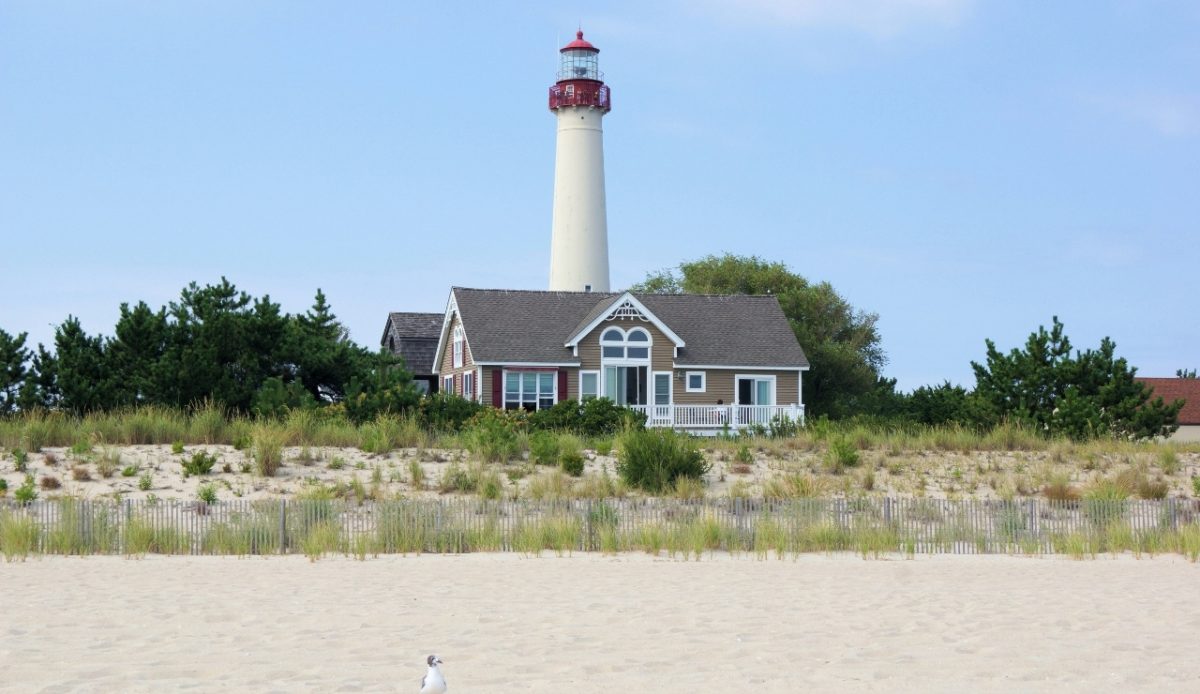
Cape May has pursued work on the Beach Avenue seawall to address structural wear and improve protection along the oceanfront road. Plans and construction have included raising sections to reduce wave overtopping and damage during storms.
Because Beach Avenue is a primary viewing corridor, a higher wall affects what is seen from cars, benches, and crosswalks. Even a modest increase can shift the line between pavement and beach and change how the water is framed.
The wall also influences dune placement and sand retention in front of the road. That can change how much beach is visible from the street across seasons, with the seawall height setting the baseline edge people look over.
10. North Wildwood, New Jersey
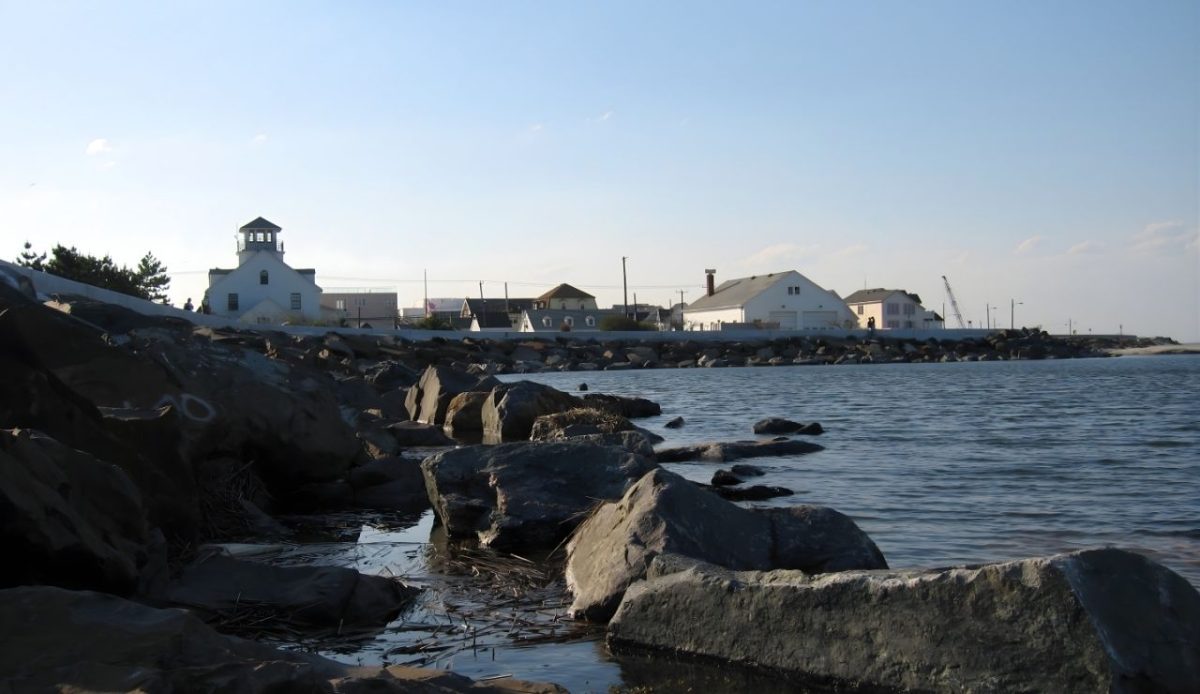
North Wildwood built and widened sections of its concrete seawall promenade, using the wall as both coastal protection and a public walkway. The structure forms a continuous hard edge along parts of the oceanfront.
A promenade on top changes the view because the walking surface is above the beach grade. Instead of looking from a dune line or boardwalk set back from sand, people stand on a concrete cap at the shoreline boundary.
Widening and upgrades also increase the visual footprint of the barrier when seen from adjacent streets and beach entrances. The town’s oceanfront is defined by the seawall geometry, which changes how the shoreline reads compared with softer dune-backed blocks.
