
Short stays are being discouraged in several tourist hot spots through fees, booking limits, or legal minimum stay rules. These measures mainly target day trips and very short rentals that concentrate crowds while adding little local spending per visitor.
Penalties take different forms. Some places charge for entry without an overnight booking. Others restrict short-term rentals by banning whole-home stays below a set length or by capping the number of nights a home can be rented each year.
For travelers, the effect is practical. A quick stop may require registration, proof on a phone, or a higher total cost. A short rental may be unavailable, removed from platforms, or face enforcement that shifts demand toward hotels.
1. Venice Historic Center
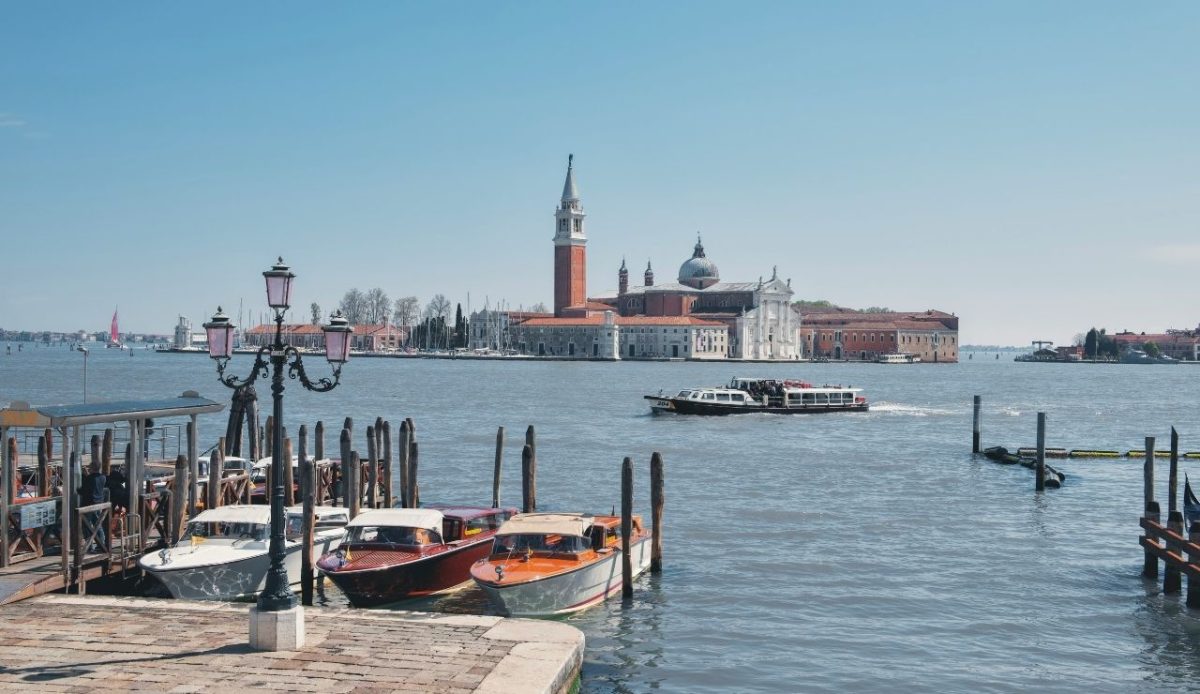
Venice charges an access fee on selected high-demand dates when a visitor enters the historic center without an overnight stay. Payment is linked to the visit day, and a QR code voucher is issued and may be scanned during checks.
The policy targets day trips that load vaporetto lines, bridges, and public services within a few hours. People staying in registered lodging are exempt because a separate tourist tax is collected by the accommodation.
Visitors who arrive without registration can be fined, and the price is higher when booked close to the visit date. The design raises the cost of short visits while keeping access open for those who plan or stay overnight.
2. Amsterdam
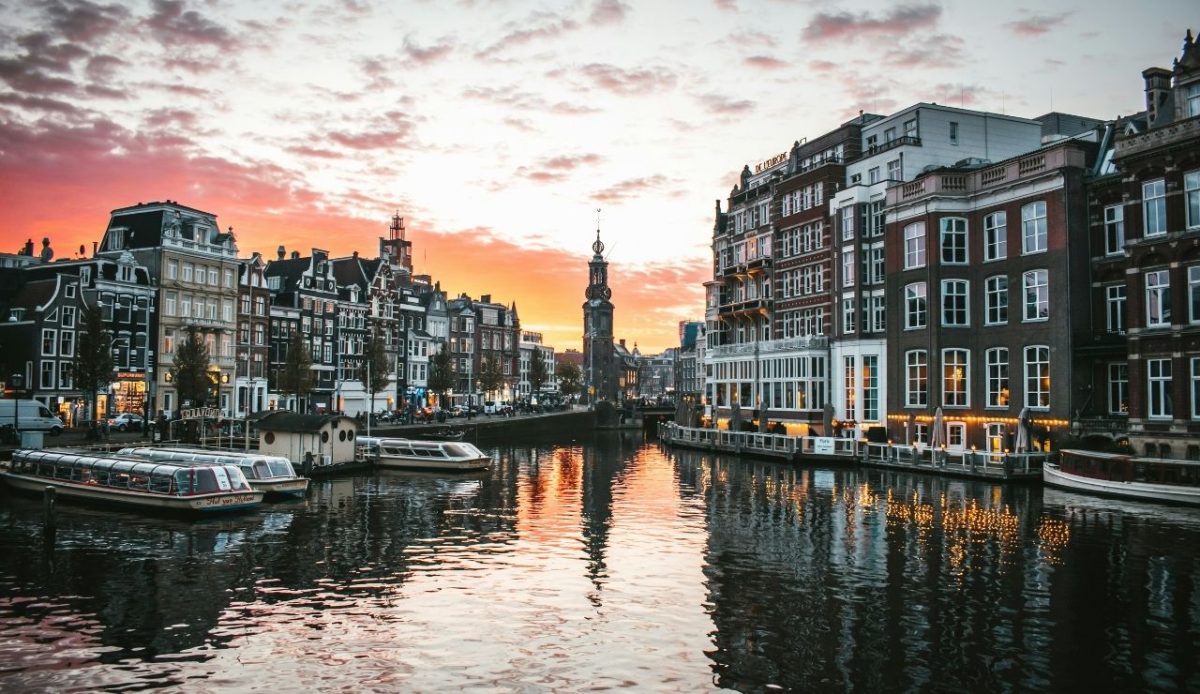
Amsterdam limits whole-home holiday letting to a fixed annual night cap, commonly thirty nights, and requires registration with the city. Hosts must report stays, and rules differ by district, with tighter limits in some areas.
The penalty is tied to short rental turnover. When the cap is exceeded, or reporting is missing, enforcement can include fines and orders to stop renting. Platforms may delist noncompliant properties.
For visitors, this reduces the supply of legal one to three-night apartments, especially in central neighborhoods. Availability tends to shift toward hotels or licensed aparthotels, while compliant hosts often reserve their limited nights for higher value bookings.
3. London
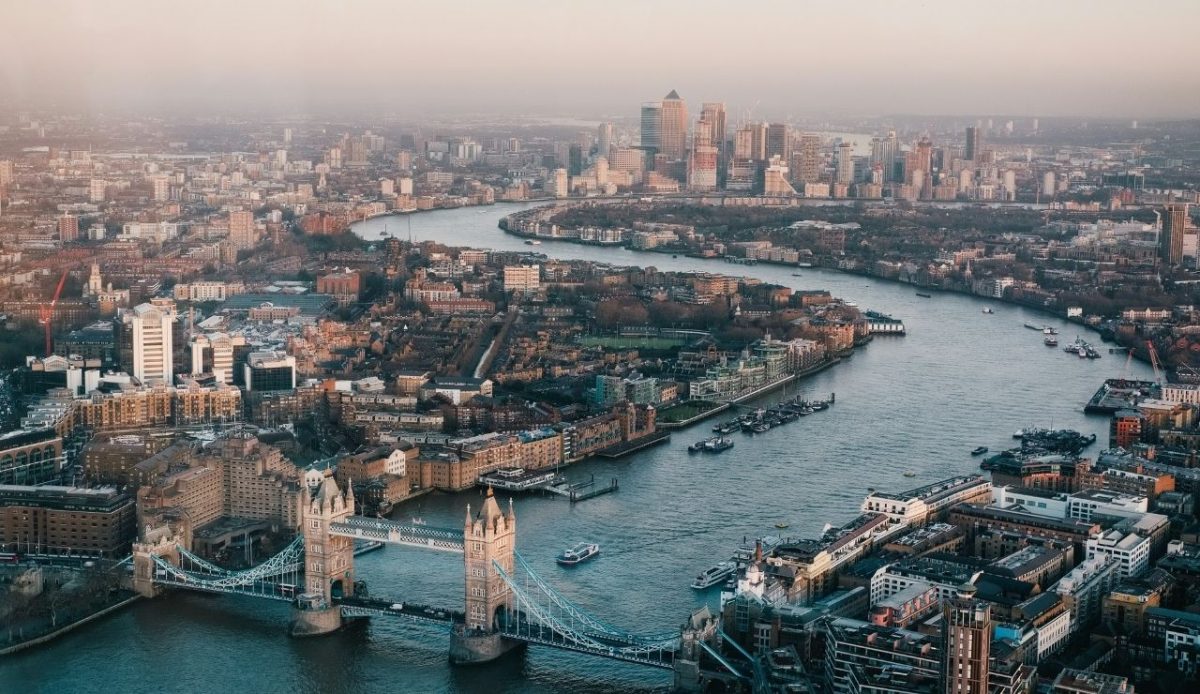
In Greater London, short letting of a primary home is generally limited to ninety nights per calendar year unless planning permission is obtained. The rule was built to prevent homes from operating as full-time visitor rentals.
The penalty is indirect but real. Once the annual limit is passed, the activity can be treated as a planning breach and can trigger enforcement action. Some platforms apply automated blocking after the cap is reached.
Short stays still exist, but they are rationed across the year. A traveler may see fewer legal listings for quick weekends during peak periods because hosts save remaining nights or avoid risking a breach that could bring orders to stop and financial sanctions.
4. New York City

New York City restricts rentals under thirty days unless the host is present and the stay meets specific occupancy rules. Local Law 18 requires host registration, and platforms must verify a registration number before processing a booking.
The penalty mechanism works through transaction blocking and civil enforcement. Unregistered listings can be removed, and hosts can face monetary penalties. Platforms that facilitate illegal bookings also face liability.
For short-stay travelers, this has reduced the supply of entire apartment options and raised prices for remaining compliant inventory. Hotels and licensed apartments are in high demand, while many former short-term listings can no longer be booked for quick trips.
5. Oahu

Honolulu, on Oahu, defines short-term rentals as stays under thirty consecutive days in many zones and requires permits or registration to operate. Rules vary by location, and some neighborhoods are not eligible for visitor rentals.
Penalties include fines that can accrue per day of illegal operation, plus actions to shut down nonpermitted units. Enforcement is supported by complaint intake, investigations, and checks against registration records.
For travelers, quick stays in residential areas can be harder to book legally, and listings may disappear without warning if flagged. Demand often shifts to resort districts and hotels where visitor lodging is allowed under zoning rules.
6. Singapore

Singapore imposes a strict minimum stay for private residential properties. Short stays in private homes are not allowed, and the required minimum is measured in months rather than nights.
Enforcement is handled under planning rules, with cases that can result in fines or prosecution. The policy is designed to prevent residential blocks from functioning as unregulated hotels and to protect neighbor welfare.
For visitors, the practical outcome is clear. Weekend and weekly apartment rentals in private condos are off limits, so short trips rely on hotels or licensed serviced apartments that are approved for brief accommodation, with a higher average nightly cost.
7. Paris

Paris controls short-term letting of primary residences through registration and an annual day limit set by law and local rules. Hosts who exceed the limit or fail to register can face substantial fines.
While the rule does not punish a traveler for a single night, it penalizes the market that supplies frequent short stays. By limiting how many nights a home can be used for visitors, the city reduces high-turnover rentals that compete with long-term housing.
For travelers, this can mean fewer legal apartments for quick stays and tighter availability during events. Some visitors move to hotels or licensed serviced units, while illegal listings carry a higher risk of cancellation under enforcement.
8. Barcelona

Barcelona has tightened control over tourist apartments through licensing rules and announced a plan to end many holiday apartment licenses over time. Operating without a valid license can result in sanctions and forced closure.
The penalty pressure falls on short stay supply because tourist apartments are commonly used for brief visits. As licenses expire and are not renewed, legal inventory shrinks, and enforcement targets listings that continue to rent to tourists.
For visitors, short stays become harder to secure in residential buildings, with demand shifting toward hotels and regulated lodging. Prices can rise in peak periods as the apartment channel contracts and compliance checks increase.
