
Some of America’s most photogenic landscapes aren’t fully accessible right now, not because they’re “sold out,” but because they’re unsafe. Rockfall zones, eroding stairways, unstable bridges, damaged boardwalks, and active geothermal hazards can force managers to close specific viewpoints, trails, or scenic corridors.
These closures often affect just one slice of a larger destination, and the details can change as weather shifts and repairs progress. Good planning is simply knowing what’s closed, why it’s closed, and what remains open nearby.
Below are eight U.S. scenic areas with well-publicized closures tied to ongoing safety concerns, plus the kinds of nearby substitutes visitors use to keep a trip moving.
1. Big Sur Coast, California (Highway 1 Closure Segment)
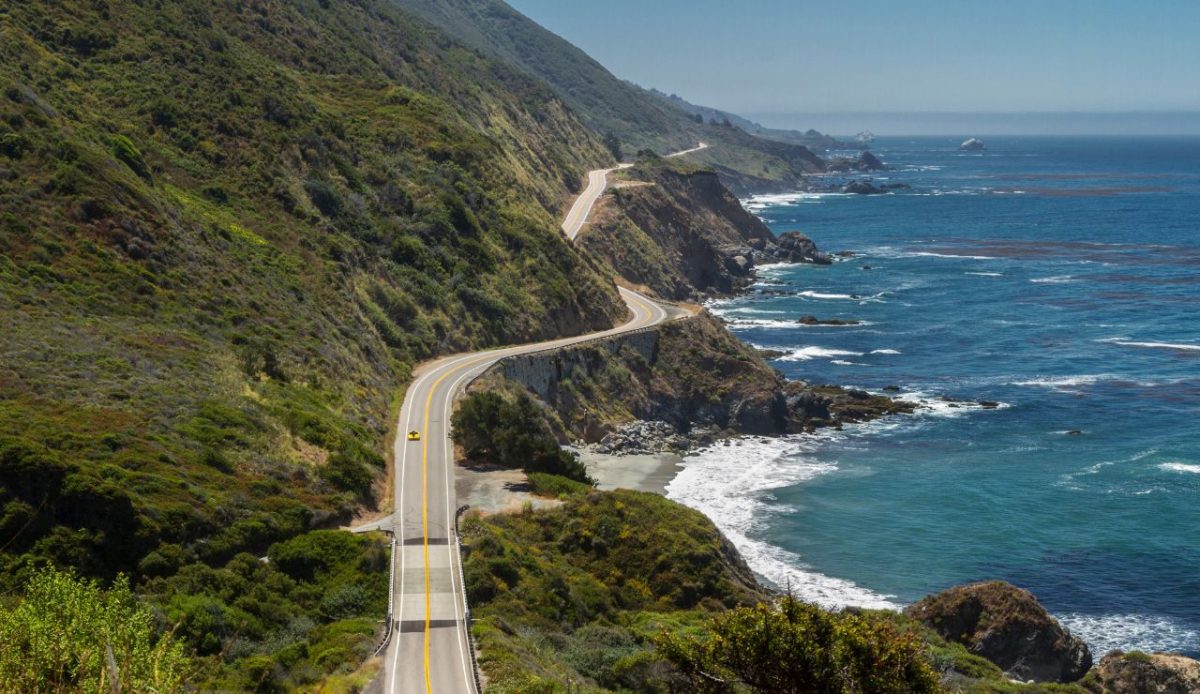
California’s Highway 1 is famous for cliff-hugging ocean views, but that same geology makes it prone to slides. Recent rockfalls and debris have shut down a long stretch between Ragged Point and Big Sur, cutting the classic coastal drive.
Safety closures here aren’t just about clearing rocks off pavement; crews often need to evaluate unstable slopes above the roadway before reopening. That’s why reopening dates can be hard to predict after storms.
Travelers usually re-route via U.S. 101 and approach Big Sur from the north when possible, or treat the closure as two separate scenic drives. Before you go, check the latest state road conditions so you don’t get stuck at a hard closure gate.
2. Mount Baldy, California (Angeles National Forest Storm Closures)
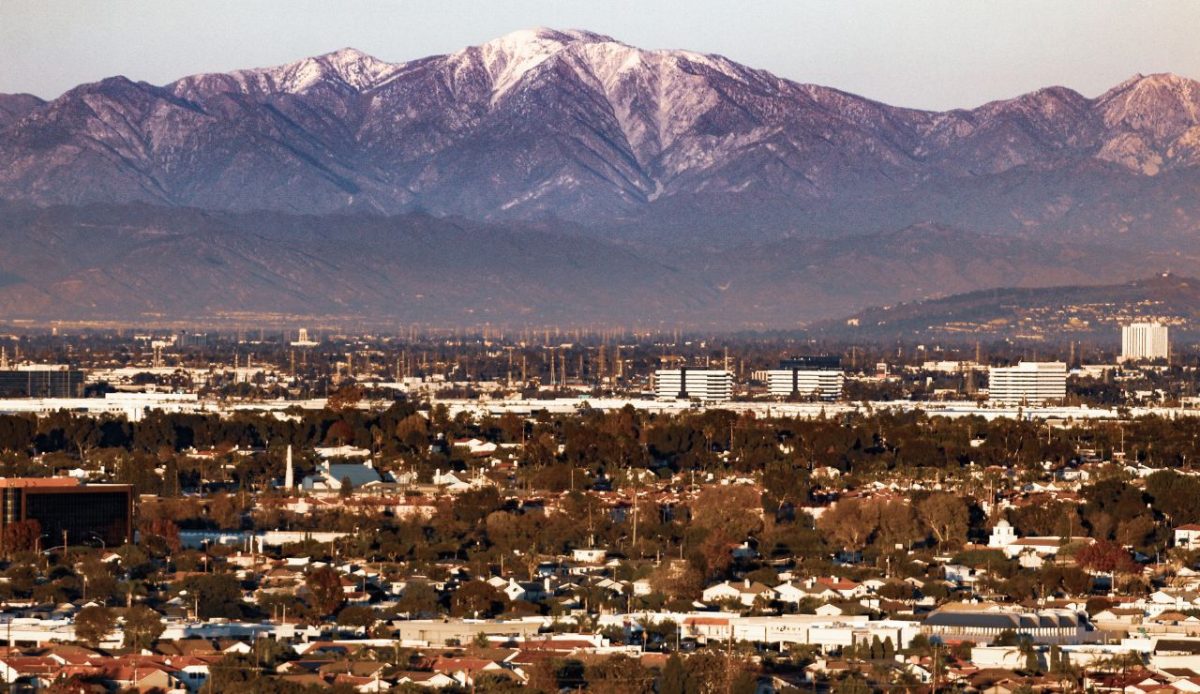
Mount Baldy is one of Southern California’s most dramatic day-hike backdrops, but it’s also notorious for rapid weather shifts and winter hazards. During storm cycles, forest officials have temporarily closed key routes like Devil’s Backbone and the Baldy Bowl area.
The issue isn’t just snow; it’s ice, whiteout navigation, falling rock, and the difficulty of rescues when conditions crash fast. Closures are meant to reduce preventable emergencies, not to “ruin” anyone’s weekend plans.
If you’re aiming for alpine scenery, lower-elevation trails in the Angeles National Forest often stay accessible, and nearby foothill parks can still deliver wide views without the same exposure.
3. Biscuit Basin, Yellowstone National Park, Wyoming
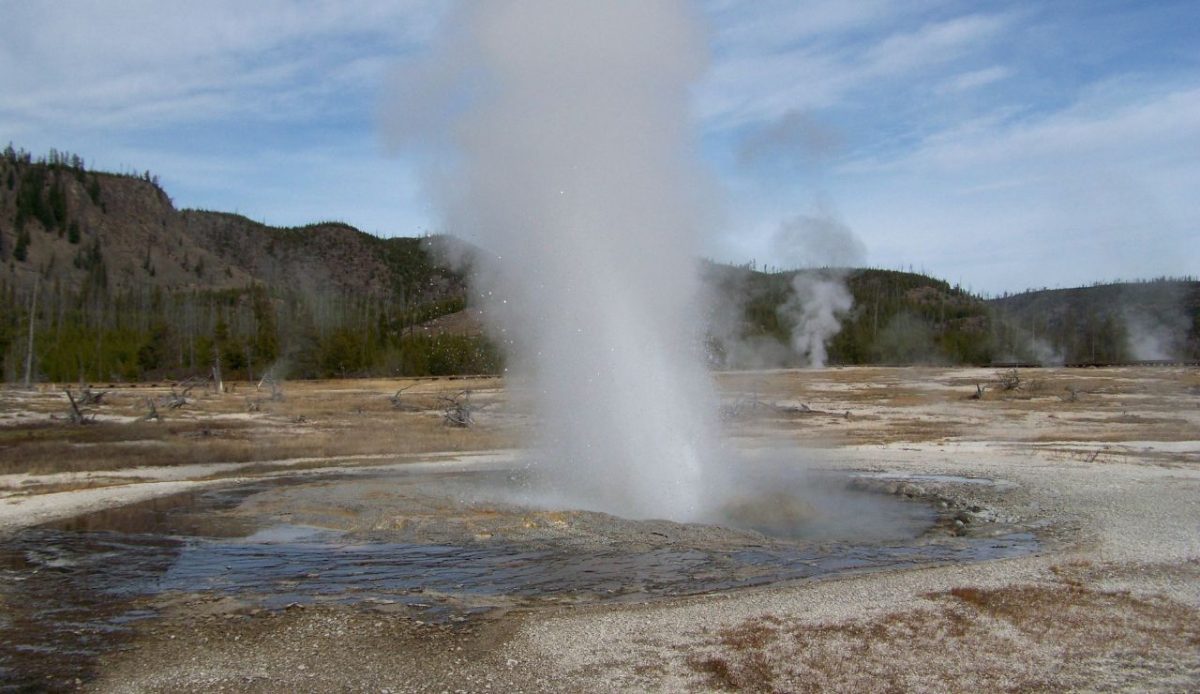
Yellowstone’s Biscuit Basin sits near Old Faithful, but it has been closed to visitors after a hydrothermal explosion damaged the area and raised concerns about future events. Because these eruptions can throw rocks, mud, and scalding water, the safest option is keeping people out.
Unlike a simple trail washout, geothermal hazards are unpredictable and can persist even when things look calm. Scientists and managers monitor activity and assess damage before any talk of repairs or reopening.
Nearby thermal areas such as Black Sand Basin and the Old Faithful area typically remain open, so visitors can still see geysers and hot springs while respecting closure boundaries around Biscuit Basin.
4. Hidden Canyon, Zion National Park, Utah
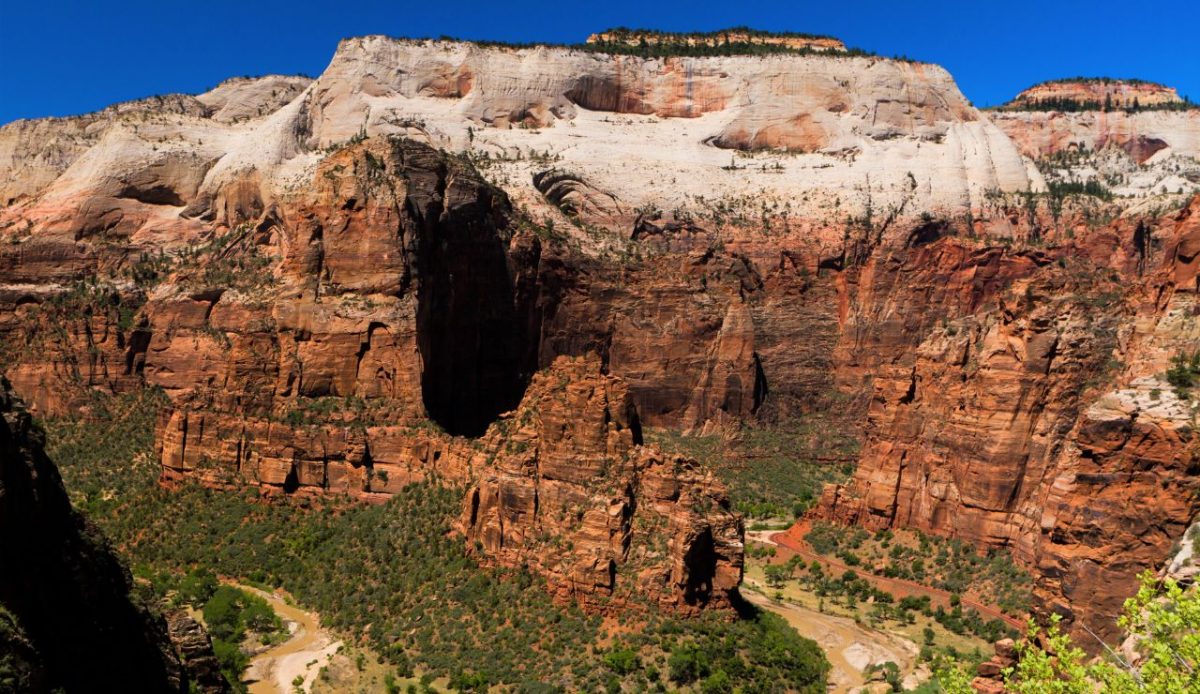
Zion’s Hidden Canyon is a short, thrilling route known for exposed sections and chain-assisted traverses, but it’s also in a rockfall-prone corridor. Park updates list it as a long-term closure due to major rockfall and ongoing instability.
Rockfall risk is tricky because it’s not always tied to a single storm; fractured cliffs can continue shedding debris long after the initial event. That makes “just reopen it” a lot less simple than it sounds.
For a similar big-view experience, many visitors pivot to open canyon hikes, the Zion Canyon Scenic Drive stops, or higher-elevation options accessed via approved routes outside the closed East Rim/Hidden Canyon area.
5. Rockfall Hazard Area West of Royal Arches, Yosemite National Park, California
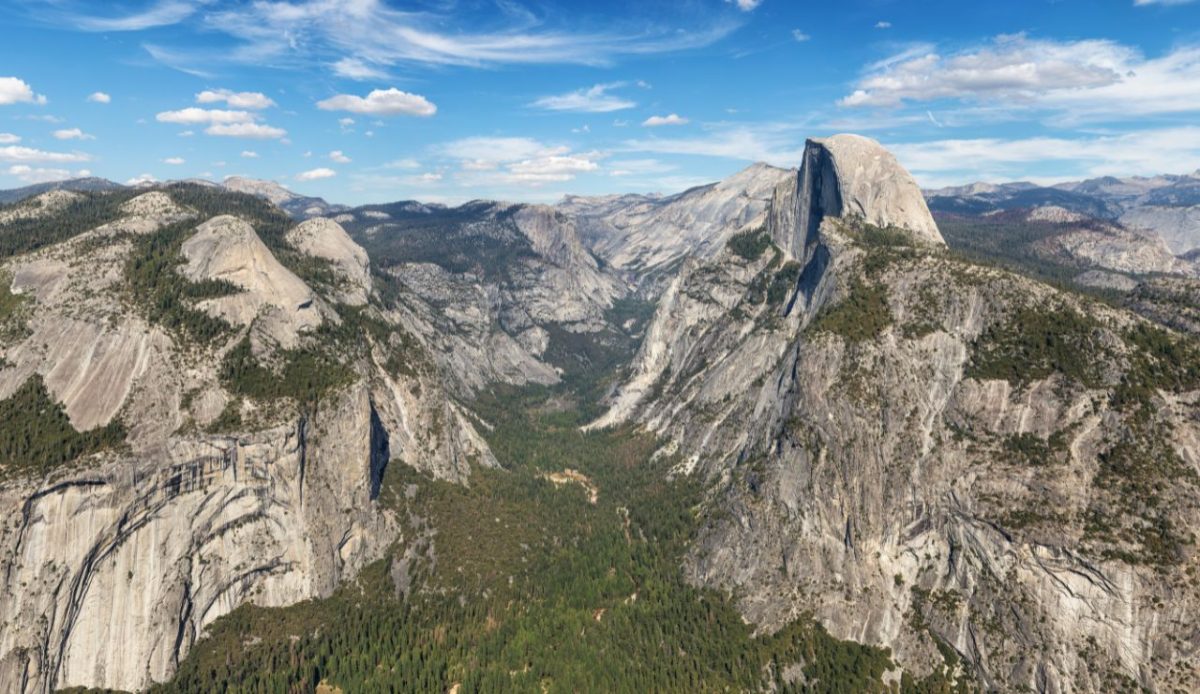
Yosemite’s granite walls are part of the magic, but they also produce rockfall, especially in steep, fractured zones. The park has issued a public safety closure for a rockfall hazard area west of Royal Arches, restricting access in a defined section.
These closures are designed to keep visitors out of impact zones where falling rock can’t be predicted or controlled. Even a small release can be lethal when it drops from hundreds of feet above.
Yosemite still offers plenty of safer, maintained viewpoints and trails in the Valley, so the best workaround is choosing routes that stay outside closure boundaries while keeping an eye on posted notices and seasonal conditions.
6. River Trail Boardwalk, Ocmulgee Mounds National Historical Park, Georgia
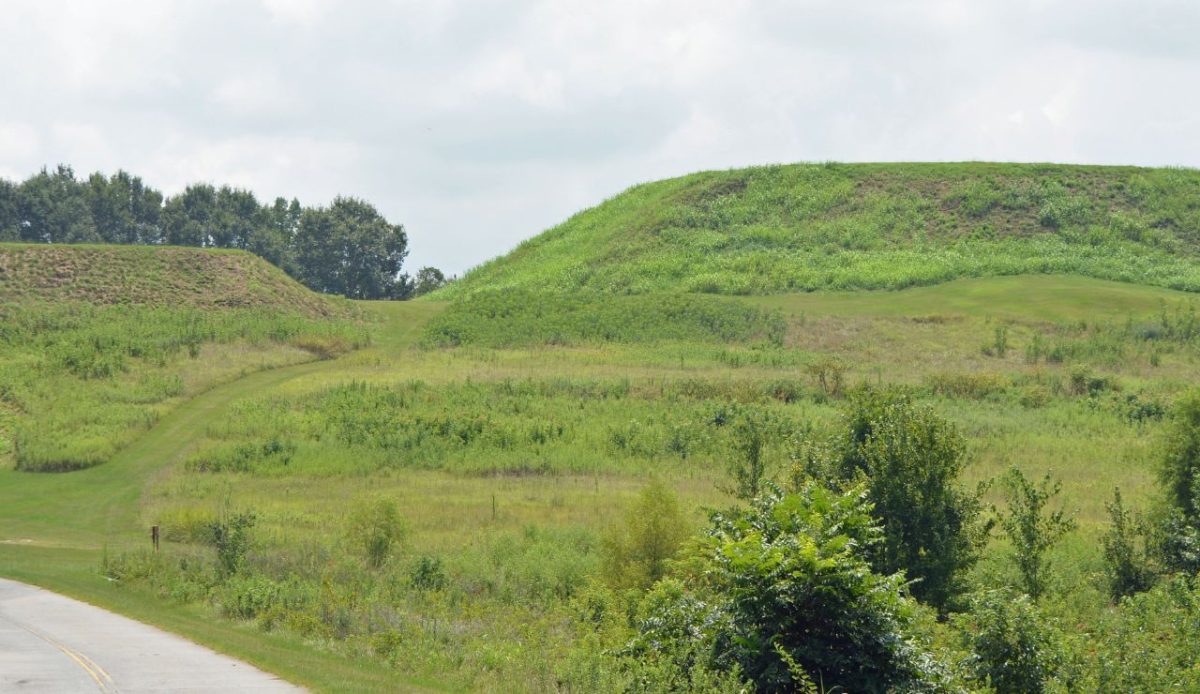
At Ocmulgee Mounds National Historical Park in Georgia, a key boardwalk segment along the River Trail has been closed due to structural issues. That closure also blocks access to parts of the Ocmulgee Heritage Trail and river approaches.
Boardwalk problems are a different kind of hazard: the risk is sudden failure underfoot, especially when wood and supports are stressed by flooding, rot, or shifting soils. Until repairs are complete, keeping people off the structure is the responsible call.
Visitors can still explore the park’s core mound area, museum, and open paths, then treat the river corridor as a “future visit” feature rather than something to push your luck on today.
7. Mohegan Bluffs Staircase (Bottom Section), Block Island, Rhode Island
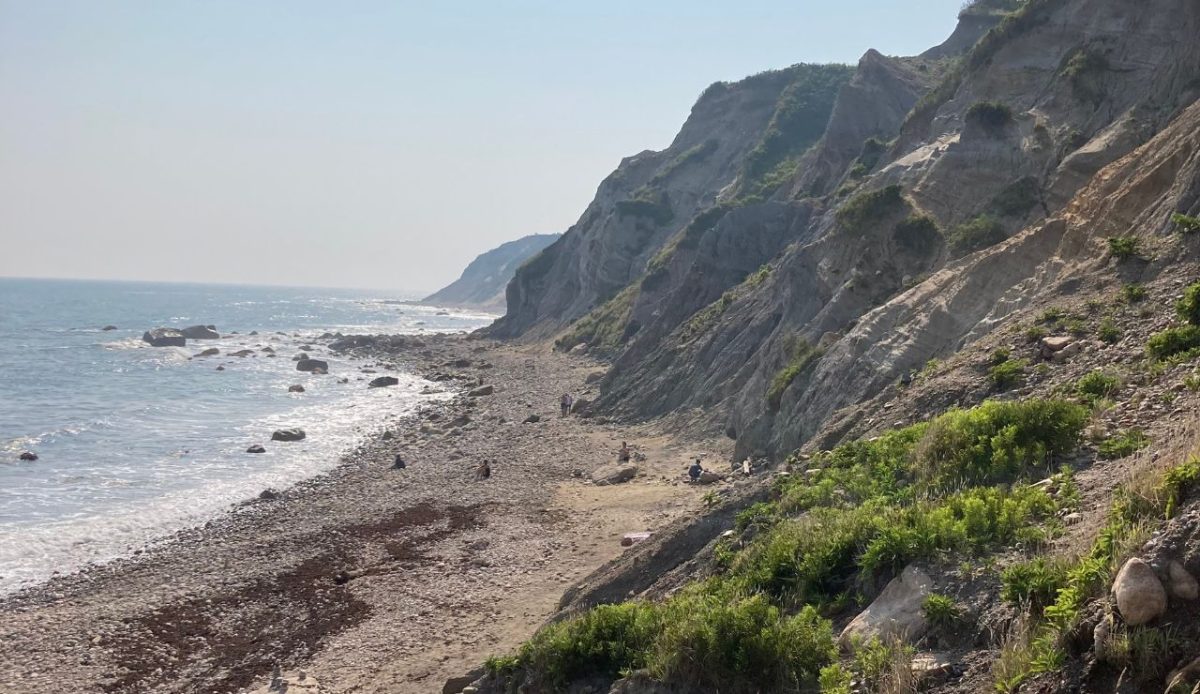
Mohegan Bluffs on Block Island, Rhode Island, is a postcard-level coastal cliff, but erosion can make access routes risky. Officials have closed the bottom portion of the famous staircase until further notice because erosion-related safety concerns make that section unstable.
Cliff environments change constantly as waves undercut slopes and storms accelerate washouts. When stair foundations shift, the danger isn’t only a fall, it’s also being trapped below with no safe way back up.
The overlook at the top typically remains accessible, so visitors can still take in the Atlantic views from above. For beach time, people often choose other island access points that aren’t dependent on a compromised stairway.
8. Grove of the Patriarchs, Mount Rainier National Park, Washington
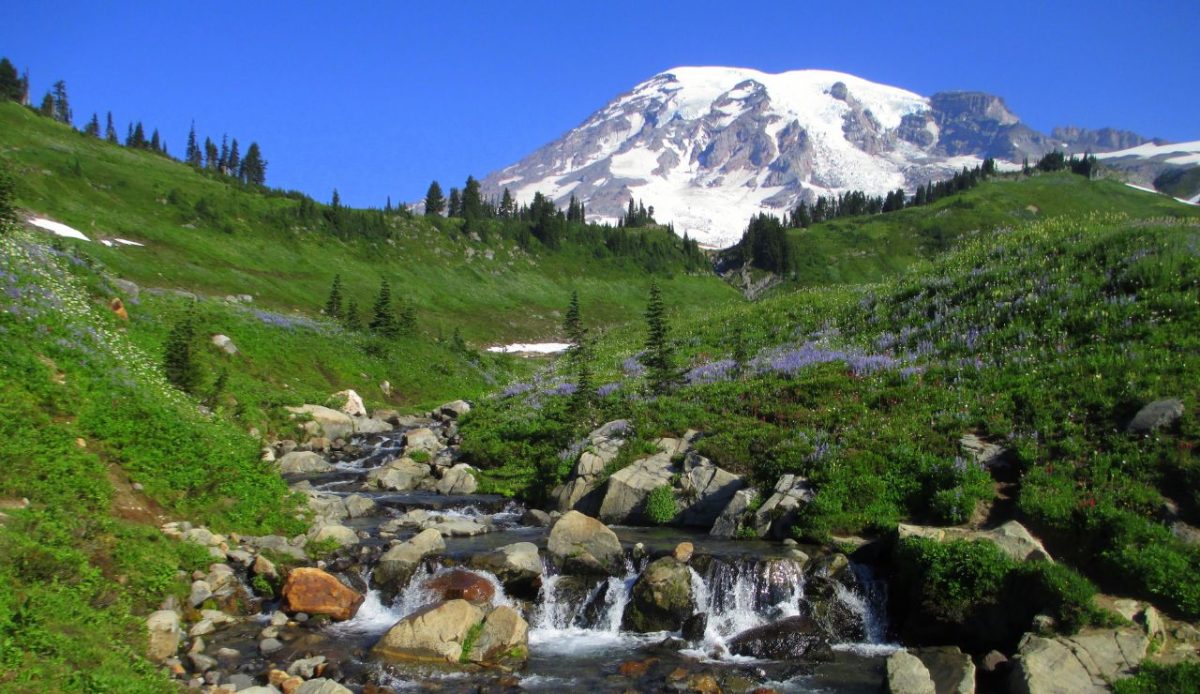
Mount Rainier’s Grove of the Patriarchs is beloved for ancient trees on an island-like loop, but the only safe access depends on a suspension bridge. After major flooding damaged that bridge, the Grove has remained closed until a replacement can be designed and built.
This kind of closure is about preventing a single-point failure: if the bridge can’t be trusted, there’s no safe way to move visitors in and out, especially during high water. That makes “quick fixes” rare.
The good news is the surrounding area often still offers open hikes like Eastside Trail and Silver Falls. Visitors can still get rainforest vibes and river scenery without entering the closed Grove zone.
