
A long-awaited trip can quickly turn frustrating, and according to new research, it often has less to do with delays or weather and more to do with other people.
A survey of 2,000 US travelers conducted by Talker Research on behalf of Cabeau found that fellow passengers are the biggest source of stress during travel. Nearly four in ten respondents said dealing with other travelers is the worst part of the journey.
Small behaviors cause the biggest frustration
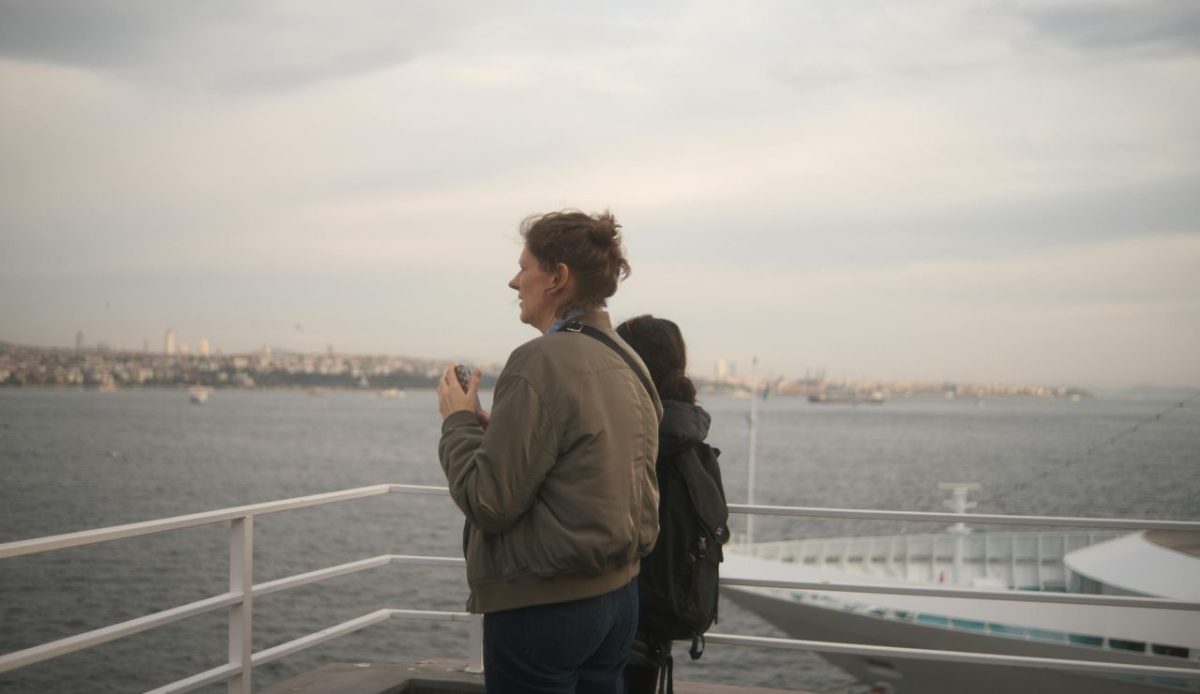
The results point to a long list of everyday habits that can turn a smooth trip into an uncomfortable one.
The most commonly cited issue was children kicking seats during flights, mentioned by 59 percent of respondents. Close behind were passengers who ignore personal space and those who take loud phone calls on speaker, both at 58 percent.
Other frequent complaints included playing audio without headphones, showing disrespect toward staff, and taking up shared space such as armrests or overhead bins.
Some behaviors were described as even more unacceptable by respondents, including grooming habits like nail clipping, hair tweezing, or similar personal care in public travel areas.
Comfort and fatigue are also major challenges
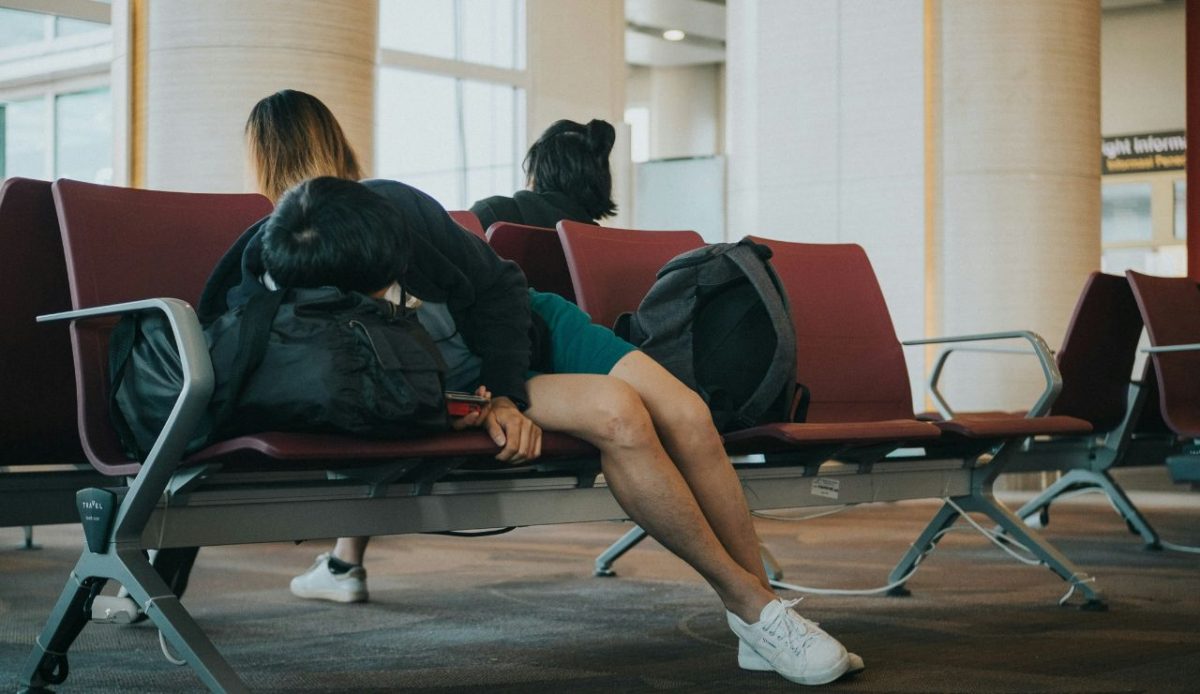
Beyond social frustrations, many travelers pointed to physical discomfort and poor planning as key issues.
Around 38 percent said staying organized during travel is difficult, while 37 percent mentioned body aches and fatigue from long travel days.
Most respondents agreed that travel can be extremely tiring. About 72 percent said a long travel day feels as exhausting as running a marathon, and 78 percent said travel would be less stressful if they could sleep better during the journey.
What travelers rely on most
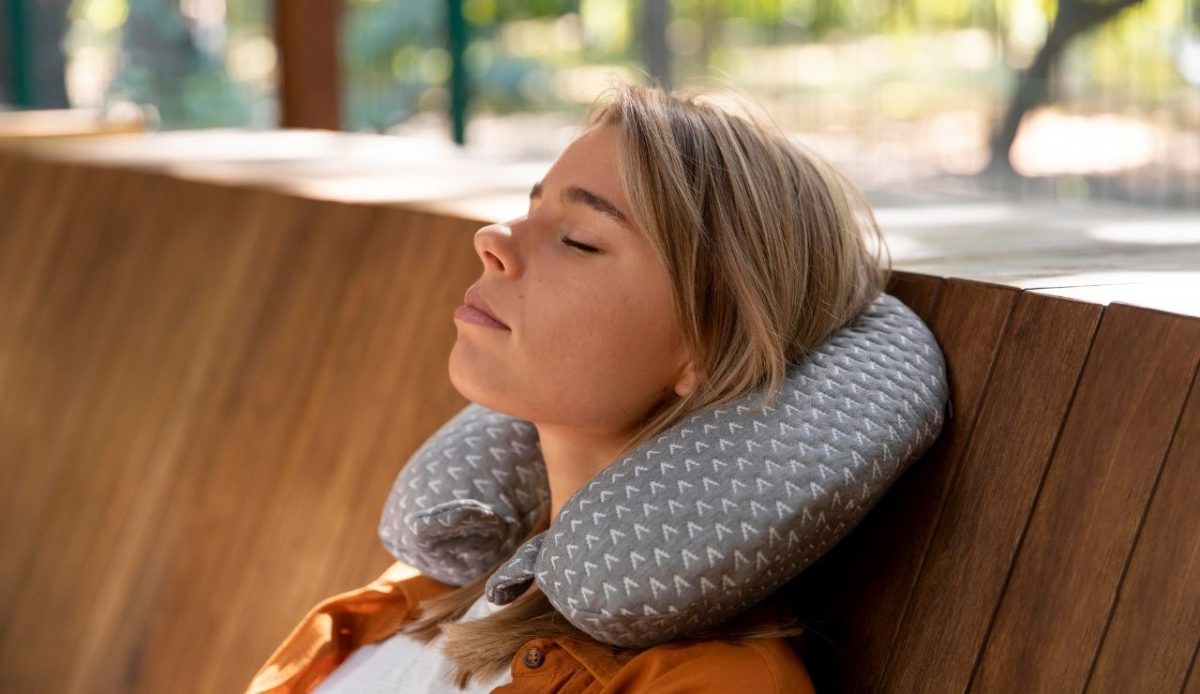
Despite the frustrations, travelers have developed a set of go-to essentials to make trips easier.
Snacks ranked highest at 67 percent, followed by hand sanitizer at 50 percent, refillable water bottles at 44 percent, and neck pillows at 42 percent.
More than one in five travelers also said they have experienced neck or back pain that affected a previous trip, showing how important comfort has become during travel.
A reminder that behavior matters
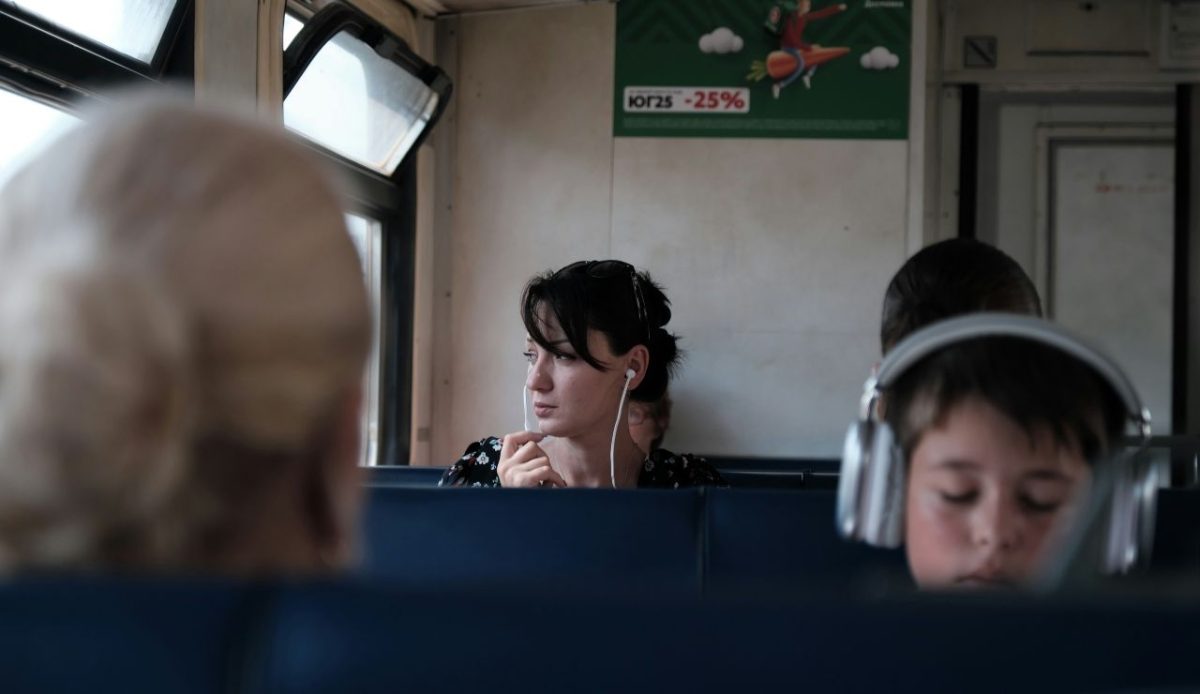
The findings highlight a simple reality of modern travel. While delays, schedules, and logistics matter, the behavior of other passengers can have an even bigger impact on the overall experience.
In the end, small acts of consideration, like using headphones, respecting space, and being mindful of noise, can make travel noticeably better for everyone.
