
Travel habits in the United States changed sharply over the past few decades. Destinations that once filled postcards, travel brochures, and television commercials no longer attract the same level of attention in 2026. Some locations lost visitors because of rising costs or aging attractions. Others struggled after travelers began choosing quieter towns, outdoor adventures, or international trips.
Many of these places still welcome tourists every year. Their influence on American travel culture, however, is far smaller than it once was. Several former hotspots now rely on nostalgia instead of excitement to draw visitors.
Here are nine U.S. destinations that used to dominate the travel industry but no longer hold the same popularity.
1. Atlantic City, New Jersey
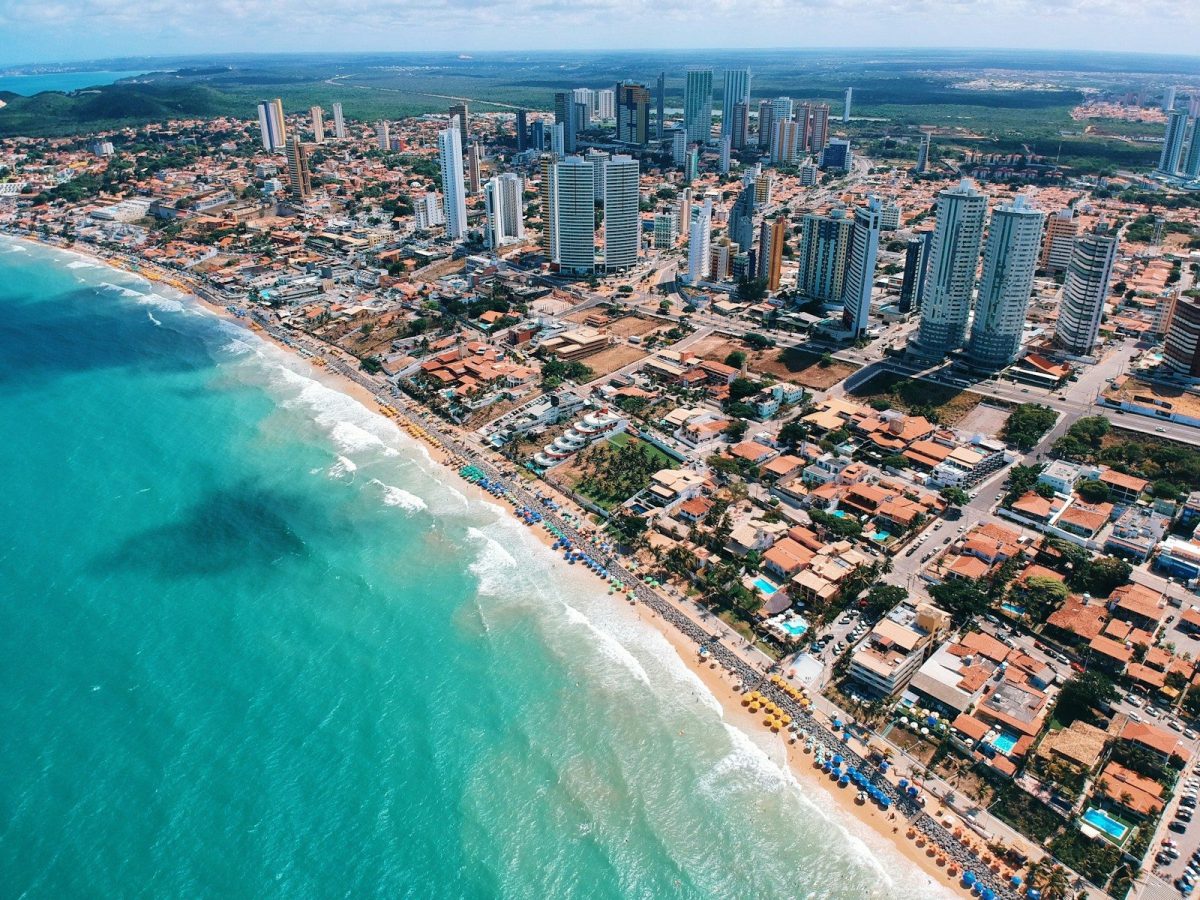
Atlantic City stood near the top of East Coast tourism for decades. Visitors packed the boardwalk, casinos stayed open around the clock, and beachfront resorts drew families from across the region. During the late 20th century, the city became one of the country’s most recognized entertainment destinations.
The city’s tourism industry slowed after nearby states opened their own casinos. Travelers gained more gambling options without making the trip to the Jersey Shore. Aging hotels and economic struggles also damaged the city’s image.
Atlantic City still attracts visitors for concerts, casinos, and beach vacations. The city no longer carries the same level of national attention it once enjoyed.
2. Branson, Missouri
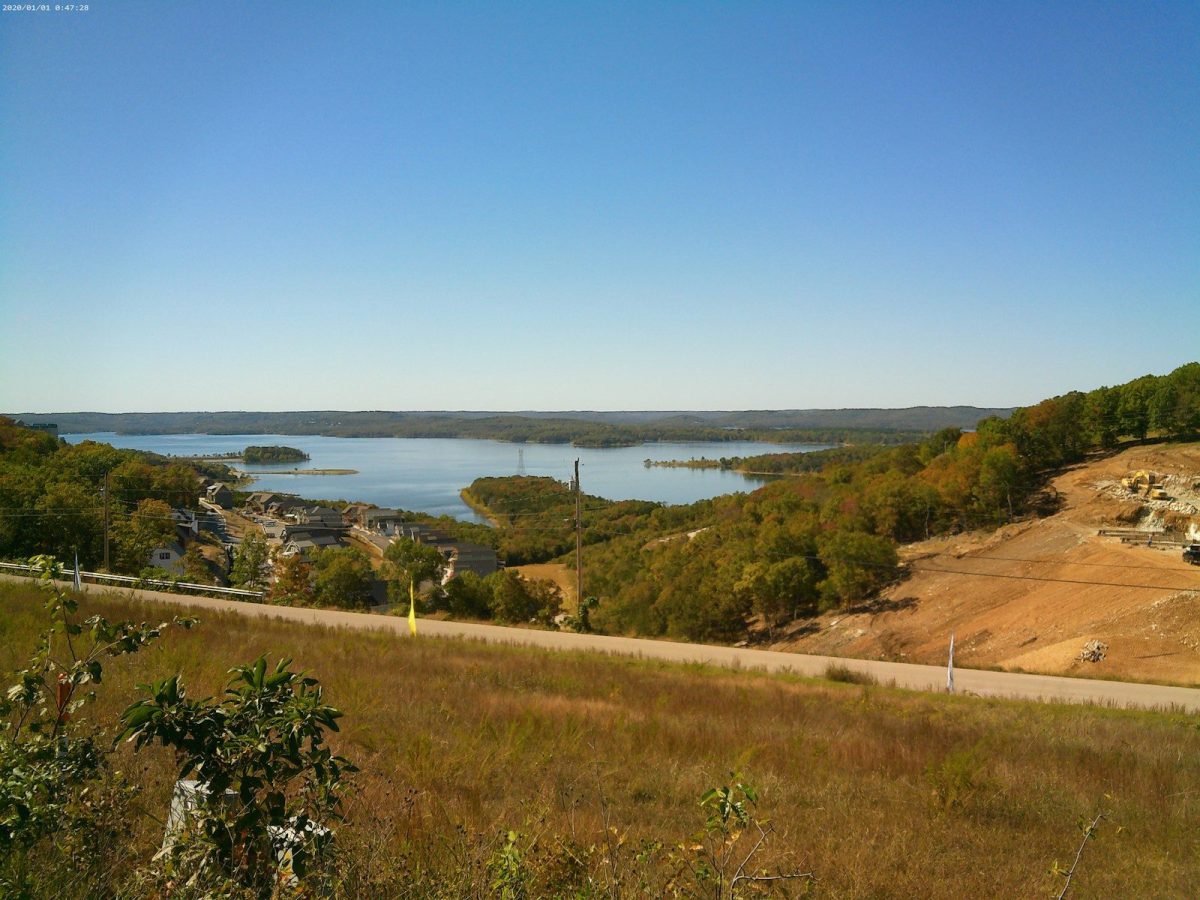
Branson became famous for live entertainment, family vacations, and country music performances. The city exploded in popularity during the 1990s as theaters, attractions, and themed venues opened across the area.
Tourism patterns shifted over time. Younger travelers moved toward larger entertainment centers, beach resorts, and outdoor destinations. Streaming services and changing music trends also reduced interest in the style of entertainment that helped build Branson’s reputation.
The city still draws loyal visitors, especially older tourists and families looking for affordable vacations. National attention surrounding Branson faded compared to its peak years.
3. The Catskills, New York
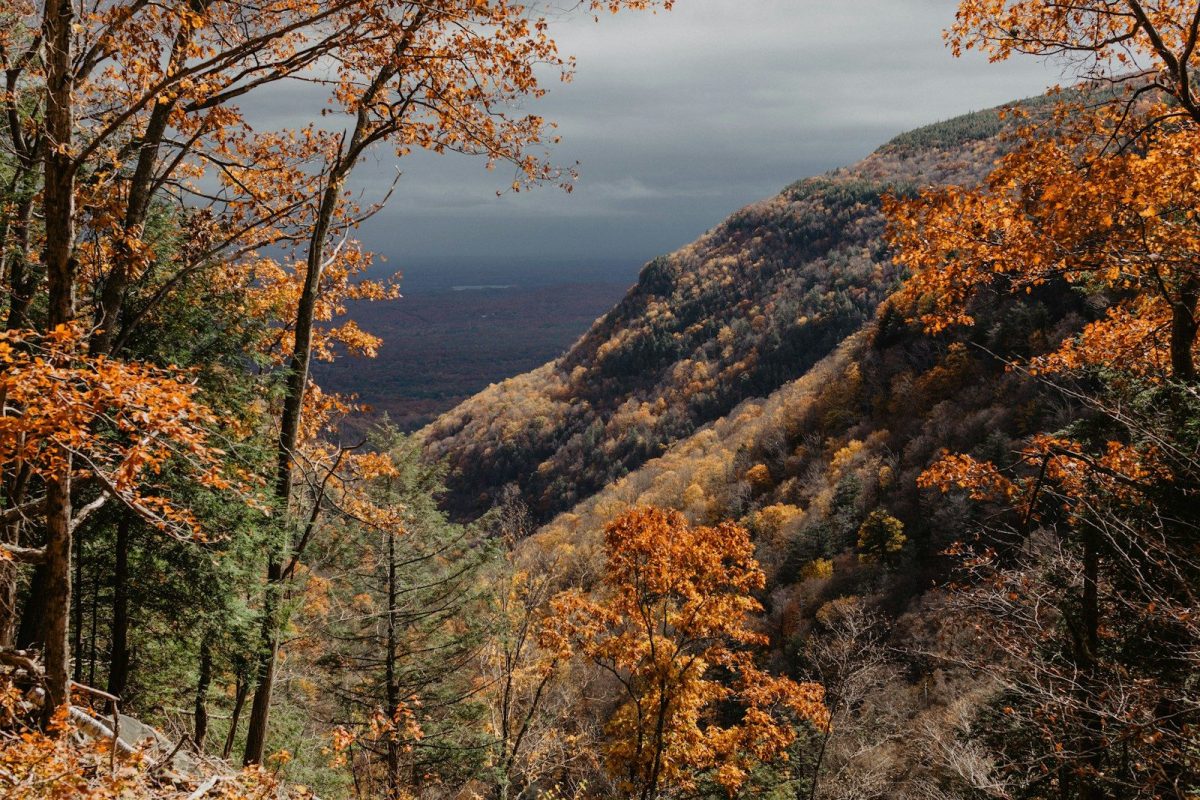
The Catskills once served as one of the Northeast’s most popular summer vacation regions. Large mountain resorts attracted thousands of visitors from New York City and nearby states during the middle of the 20th century.
The resort industry declined after affordable air travel became more common. Families who once vacationed in the Catskills started traveling to Florida, California, and overseas destinations instead. Many famous hotels closed during the following decades.
The region still offers hiking trails, small towns, and scenic mountain views. The packed resort culture that once defined the Catskills disappeared long ago.
4. Route 66
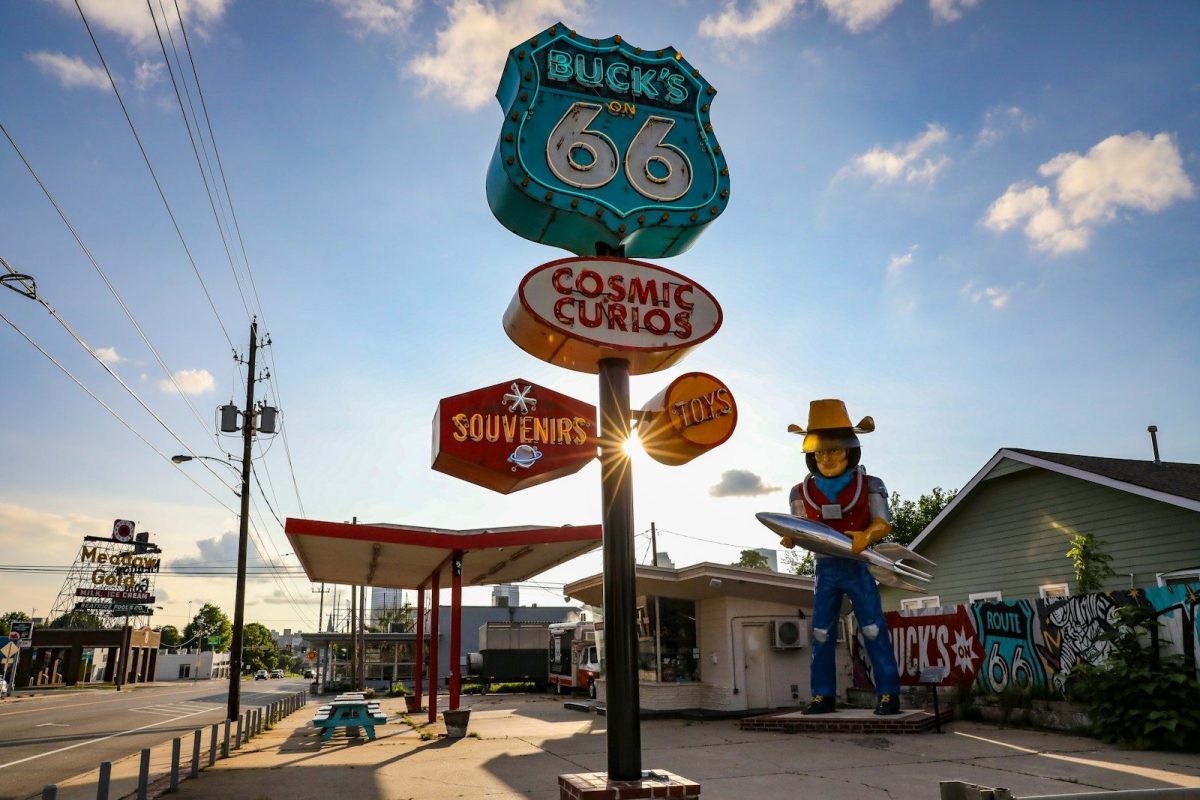
Route 66 represented the classic American road trip for generations. Families drove across the country stopping at diners, motels, gas stations, and roadside attractions along the historic highway.
The interstate highway system changed long-distance travel across the United States. Faster roads redirected traffic away from many Route 66 towns. Local businesses that depended on travelers struggled to survive after traffic declined.
Today, Route 66 attracts history fans, photographers, and nostalgic travelers. The highway no longer serves as America’s primary road trip route.
5. Salton Sea, California
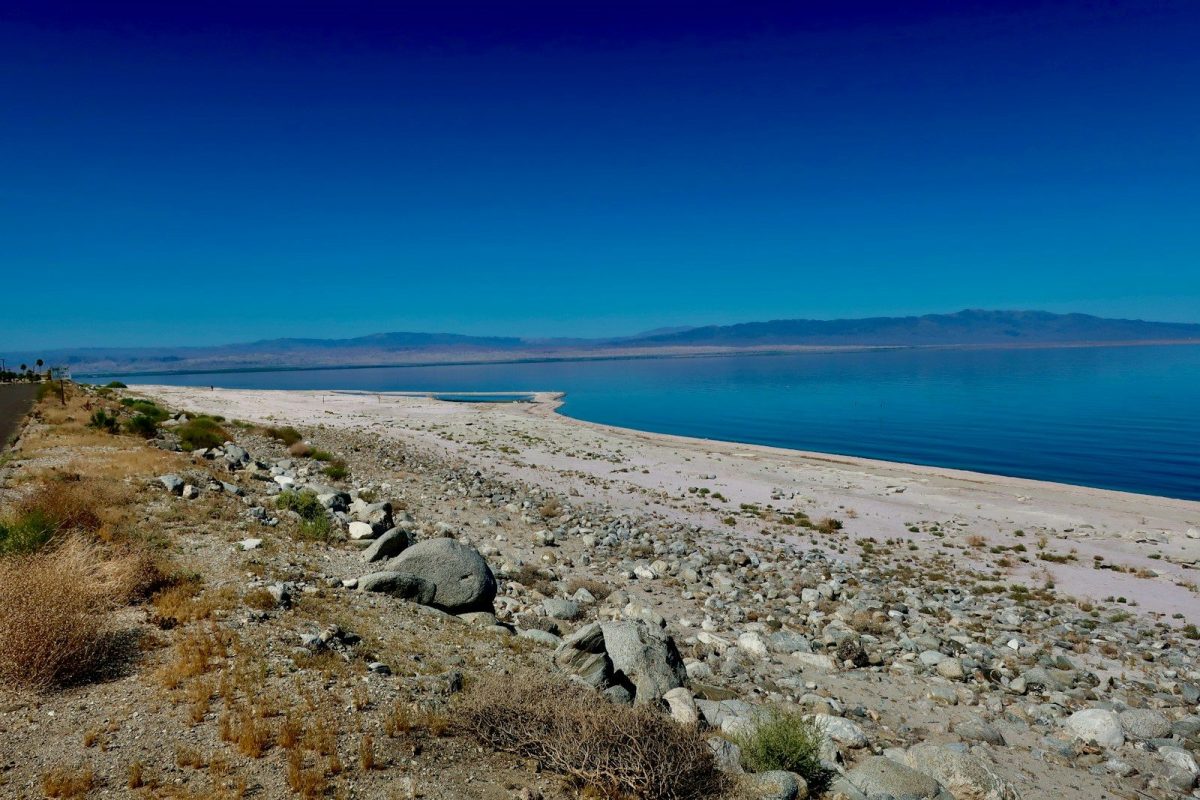
The Salton Sea once looked like a future resort paradise. During the 1950s and 1960s, celebrities, boaters, and vacationing families visited the area for fishing, watersports, and sunny weather.
Environmental problems destroyed much of the region’s tourism industry. Rising salt levels harmed wildlife, pollution increased, and unpleasant odors spread through nearby communities. Businesses closed as visitors stopped arriving in large numbers.
Abandoned buildings and empty marinas now surround parts of the shoreline. The area attracts urban explorers and photographers more often than traditional vacationers.
6. Lake Havasu Spring Break, Arizona
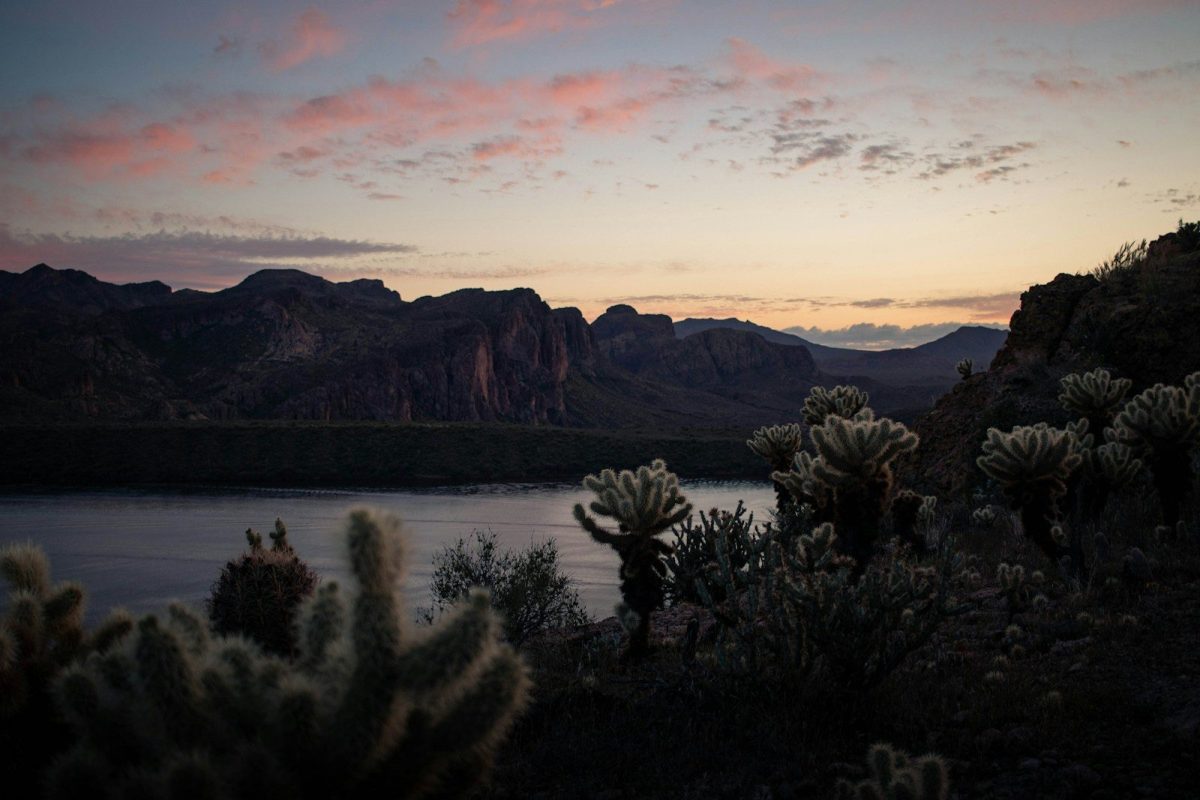
Lake Havasu became one of America’s most famous spring break destinations during the 1990s and early 2000s. Thousands of college students traveled there for parties, boating, and nightlife each year.
The city’s spring break reputation faded after stricter rules and changing travel trends reduced student crowds. Many younger travelers began choosing international beach destinations or larger party cities instead.
Lake Havasu still draws tourists for boating and outdoor recreation. The massive spring break crowds that once defined the city are far less common in 2026.
7. Niagara Falls, New York
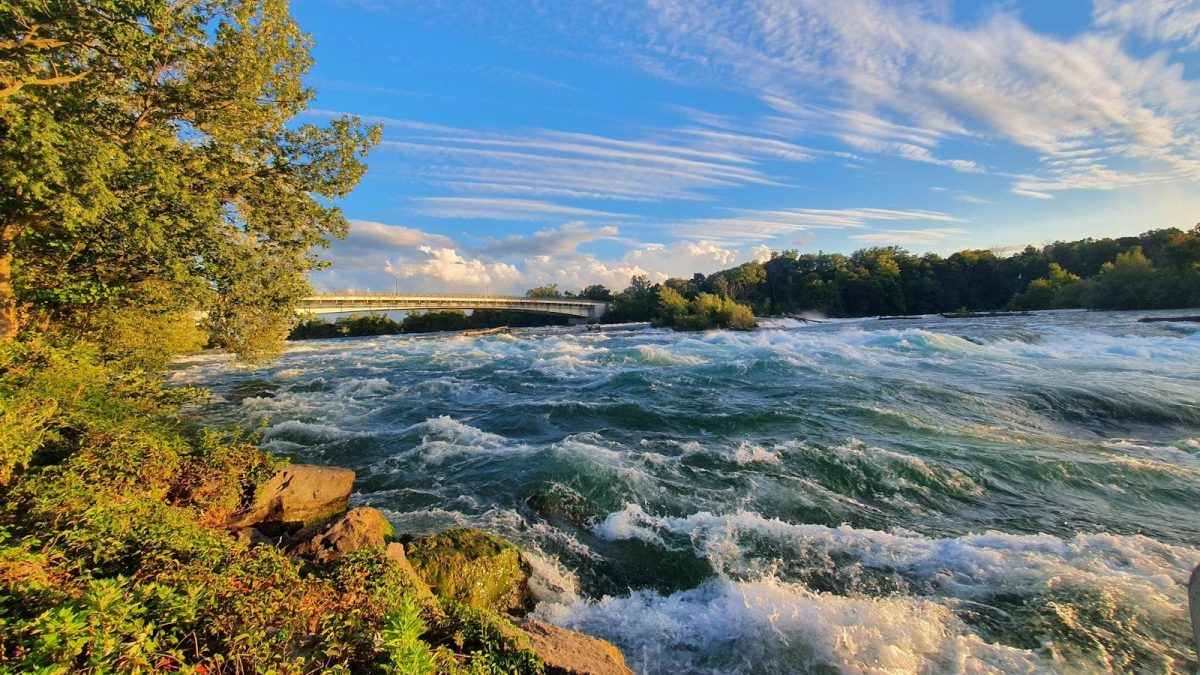
Niagara Falls spent decades as one of America’s best-known honeymoon destinations. Newly married couples traveled there for romantic hotels, sightseeing, and boat tours near the waterfalls.
Travel trends shifted over time as couples gained access to more vacation options. Caribbean resorts, cruises, and overseas trips became more popular among honeymoon travelers. Niagara Falls slowly lost its place at the center of American honeymoon culture.
The waterfalls remain one of North America’s most famous natural attractions. The destination no longer dominates romantic travel the way it once did.
8. Daytona Beach, Florida
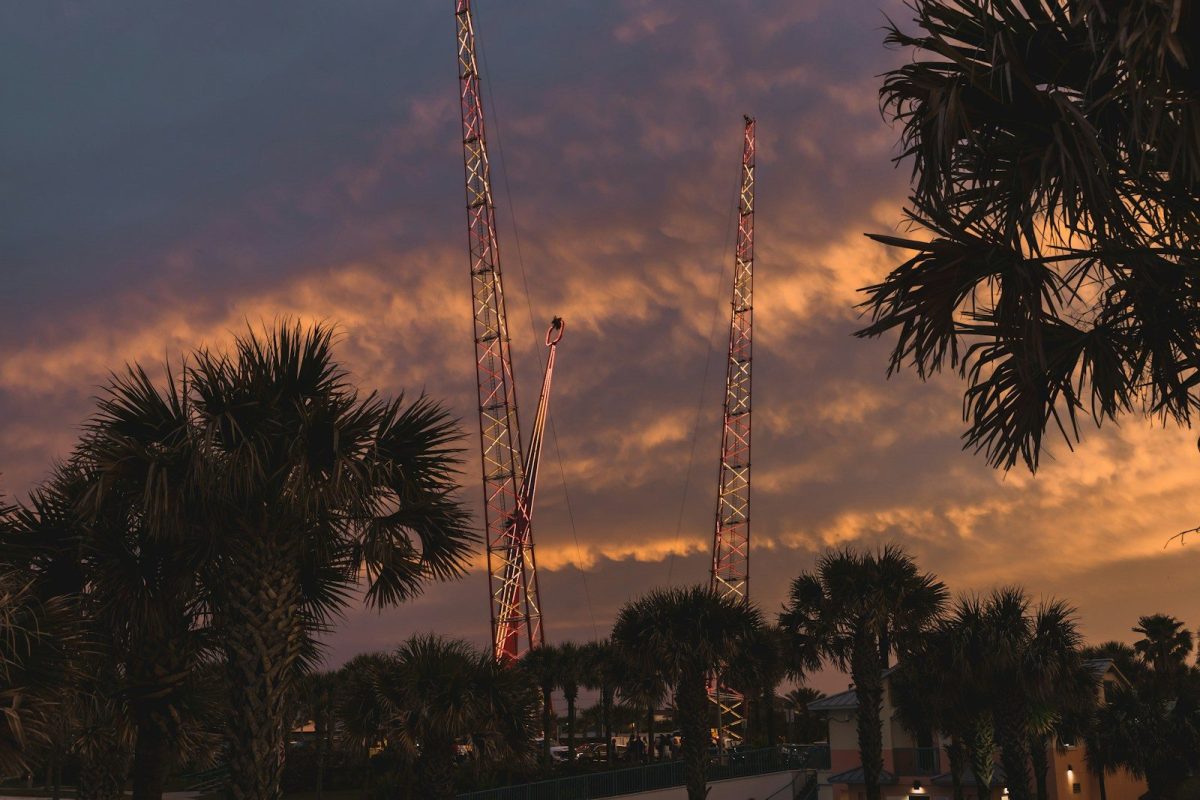
Daytona Beach built its reputation through racing events, spring break tourism, and beachfront hotels. For years, the city ranked among Florida’s biggest vacation hotspots.
Tourism habits changed as travelers began searching for quieter beaches and modern resort areas. Some visitors also viewed parts of Daytona Beach as outdated compared to newer Florida destinations.
Major racing events still bring crowds to the city every year. Daytona Beach no longer shapes Florida tourism culture the way it did during its peak decades.
Why Old Travel Trends Fade
Popular destinations rarely stay at the top forever. Travel habits shift as transportation, entertainment, and vacation priorities change across generations. Places that once attracted huge crowds can lose attention when newer destinations offer different experiences.
Social media also influences modern tourism. Travelers often search for locations that feel unique, uncrowded, or visually striking. Older destinations sometimes struggle to compete with those trends.
Many of these former hotspots still offer memorable vacations, local history, and scenic attractions. Smaller crowds may even improve the experience for travelers visiting these places in 2026.
