
Every year, thousands of campers head into North America’s forests, mountains, and national parks without a real plan for sharing the terrain with bears. Most bear incidents are not the bear’s fault. They happen because people were unprepared or simply unaware of how bears behave and what draws them in.
Bear encounters have been climbing across the American West, the Southeast, and deep into Alaskan backcountry. Wildlife managers attribute much of this trend to increased outdoor recreation, reduced natural food sources in drought years, and campers who skip basic precautions. The nine tips below are drawn from guidance by the National Park Service and U.S. Fish and Wildlife Service, updated through 2026. Read all of them before your next trip.
1. Carry Bear Spray and Know How to Use It
Bear spray is the most effective deterrent available in a close-range bear encounter. Field data compiled through 2025 shows it stops aggressive bear behavior in the overwhelming majority of documented cases. Keep the canister clipped to a hip belt or chest strap at all times.
A charging bear can close 30 feet in under a second, leaving no time to search through a pack. Make sure every person in the group knows how to operate it, and deploy in short bursts when a bear is within 30 to 60 feet. Never apply bear spray to gear or tents. The dried capsaicin residue attracts bears.
2. Store All Food and Scented Items Properly
A bear that finds food at a campsite will return. Over time, those bears lose their wariness of humans and are almost always euthanized as a result. Use an approved bear canister or hang food at least 10 feet off the ground and 4 feet from the nearest tree trunk.
Many national parks now require hard-sided canisters by regulation, so check local rules before departing. Toothpaste, deodorant, sunscreen, trash, and used cookware all need the same careful storage as food. Keep everything scented at least 200 feet from the sleeping area, and never bring any of it into a tent.
3. Make Noise on the Trail

Most encounters happen because a bear was startled at close range. Dense vegetation and moving water can mask a hiker’s approach completely. Talk at a normal volume, clap periodically, and call out before rounding blind corners. Groups accomplish this naturally through conversation.
Bear bells are considered too faint by many wildlife professionals. Human voice carries further and registers more clearly as a non-threatening presence. Be especially alert at dawn and dusk, when bears are most active and visibility is lower.
4. Know the Difference Between Bear Species
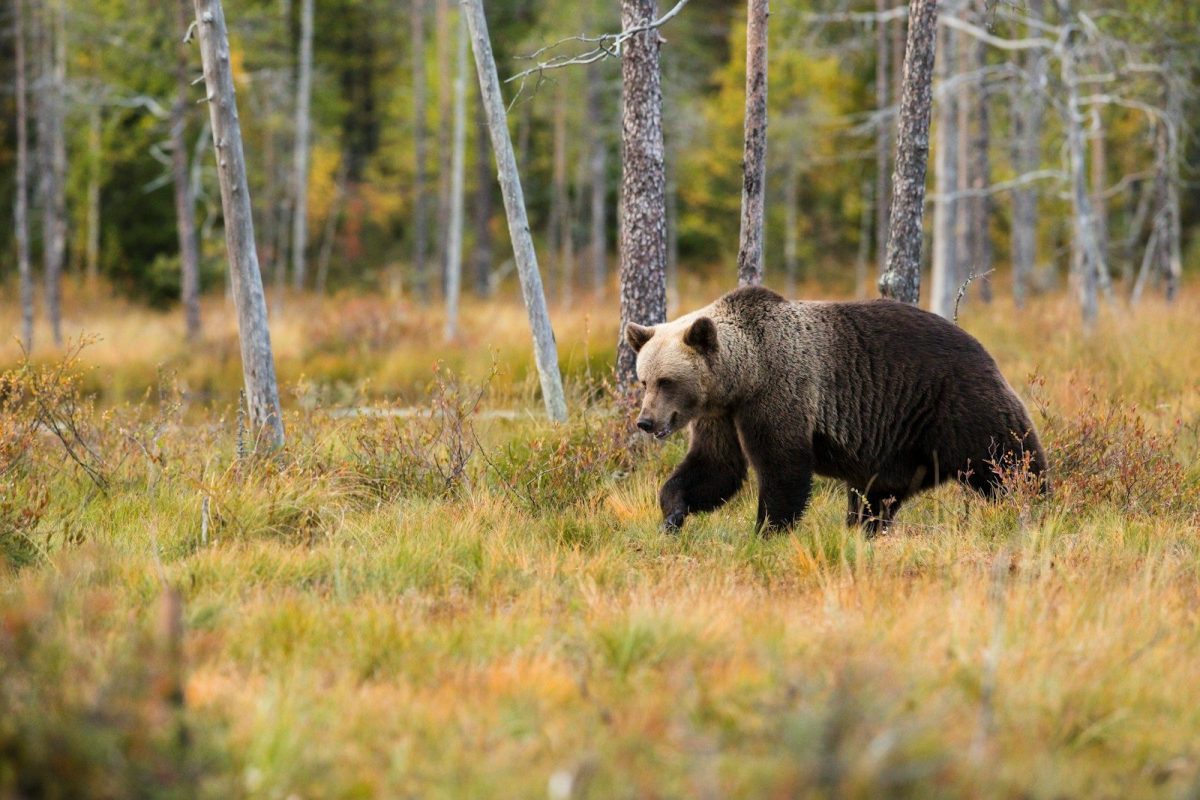
The correct response to an attack depends on the species involved. Grizzlies have a pronounced shoulder hump, a dished facial profile, and short rounded ears. Black bears have a straighter face, a rump higher than their shoulders, and taller ears. For a black bear attack, fight back aggressively.
Black bears that attack people are typically behaving predatorially, and submission makes the situation worse. For a grizzly attack, play dead: face down, hands laced behind the neck. Hold position until the bear has clearly left. Fight back only if the attack is prolonged or occurs inside a tent at night.
5. Set Up Camp Thoughtfully
Use the bear triangle: sleeping area, cooking area, and food storage at three separate points, each at least 200 feet apart. Avoid camping near berry patches, salmon streams, game trails, fresh scat, or trees with recent claw marks.
These are signs of active bear use. Established sites are preferable in high-activity areas because worn vegetation makes the space more visible, giving bears a clearer read on human presence before getting too close.
6. Avoid Hiking Alone in High-Activity Areas
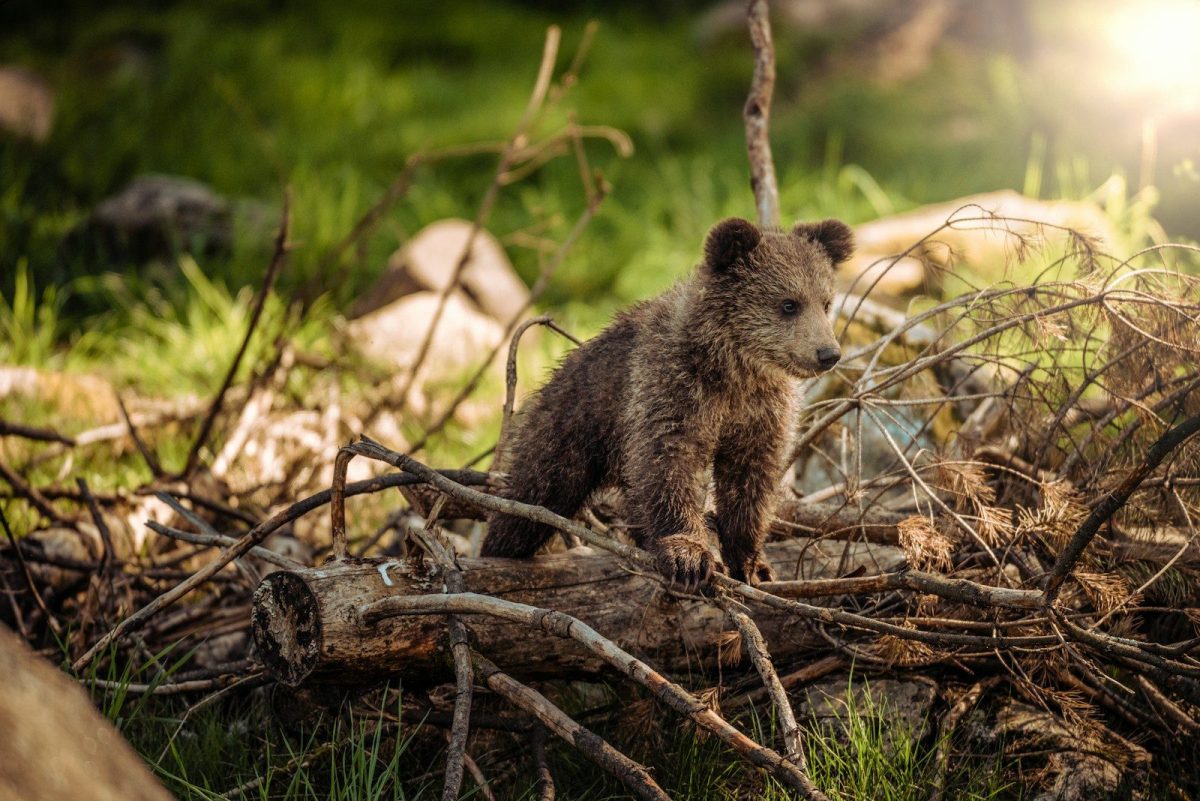
Groups are statistically much safer. There are no documented cases of a grizzly making a predatory attack on a group of four or more. Solo hikers account for a disproportionate share of serious incidents.
When solo travel is necessary, stay on open terrain, keep bear spray in hand rather than holstered, and move at a pace that allows for regular awareness checks. Always leave a detailed trip plan with a trusted contact before heading out.
7. Learn to Read Bear Body Language
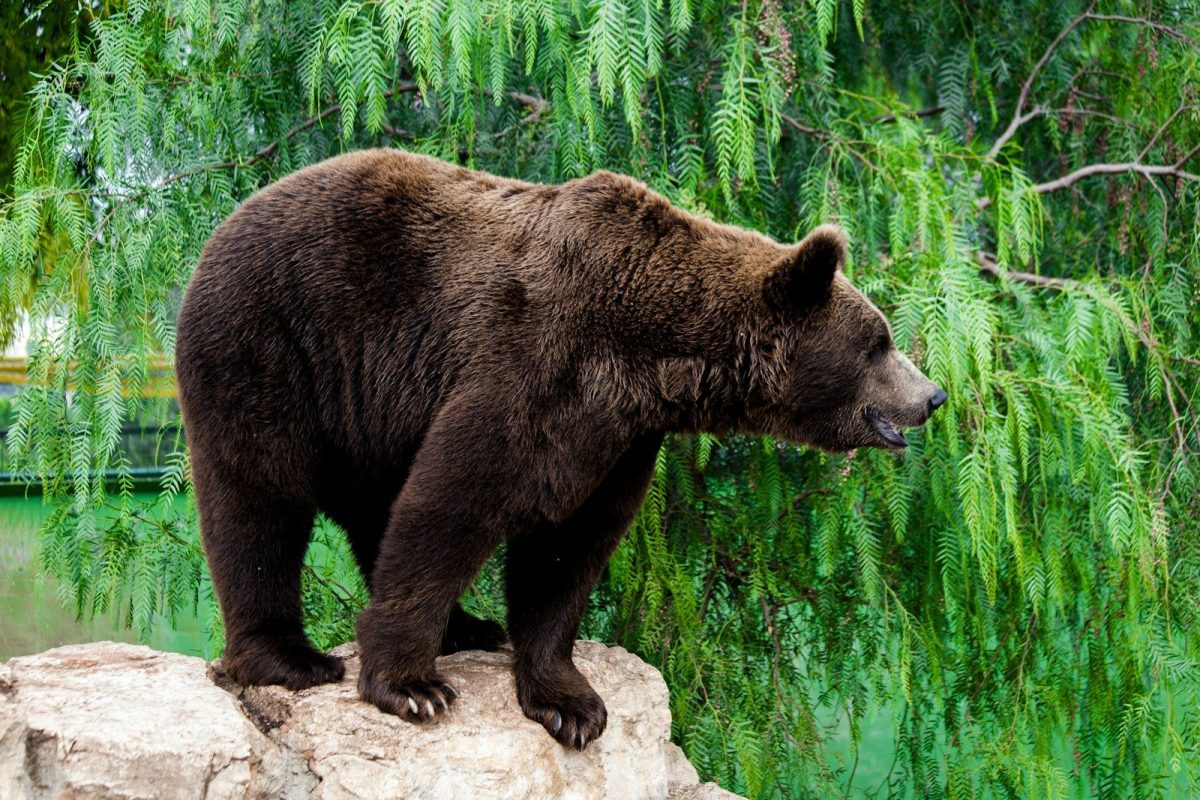
A bear standing on its hind legs is gathering information, not preparing to charge. Speak calmly, avoid direct eye contact, and give it room. Signs of genuine aggression include jaw-popping, huffing, head swaying low while facing forward, and short bluff charges.
At that stage, stand firm, wave arms slowly, speak in a steady voice, and have bear spray ready. Back away at an angle without sudden movements. Running triggers a chase response. Bears reach 35 miles per hour on flat ground.
8. Check Conditions Before Arriving
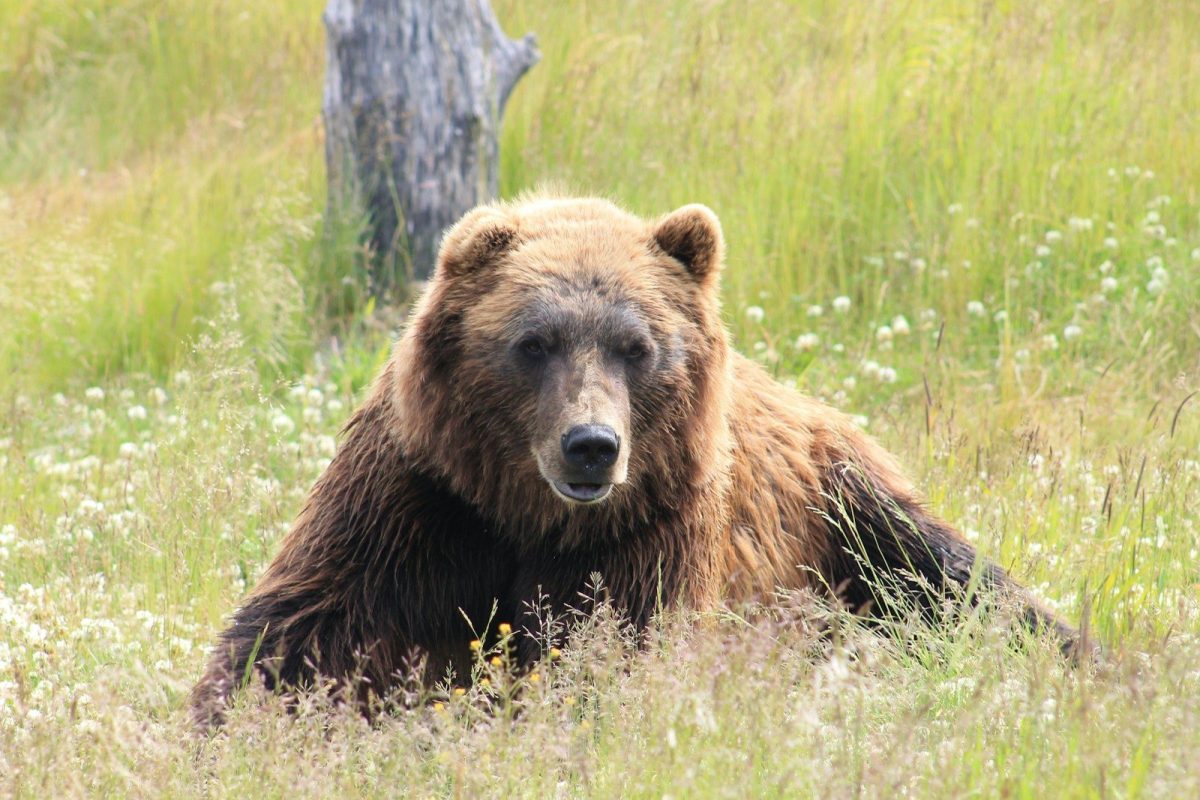
Two periods carry elevated risk: spring, when bears emerge hungry with cubs, and late summer through fall, during hyperphagia. Hyperphagia runs roughly August through October across most of the lower 48.
During this phase, bears need up to 20,000 calories per day and range further into campsites and high-traffic areas. The National Park Service and USDA Forest Service publish current bear activity reports through their apps, many of which can be downloaded for offline use. A quick check before departure can redirect a trip away from an active problem area.
9. Report Every Encounter
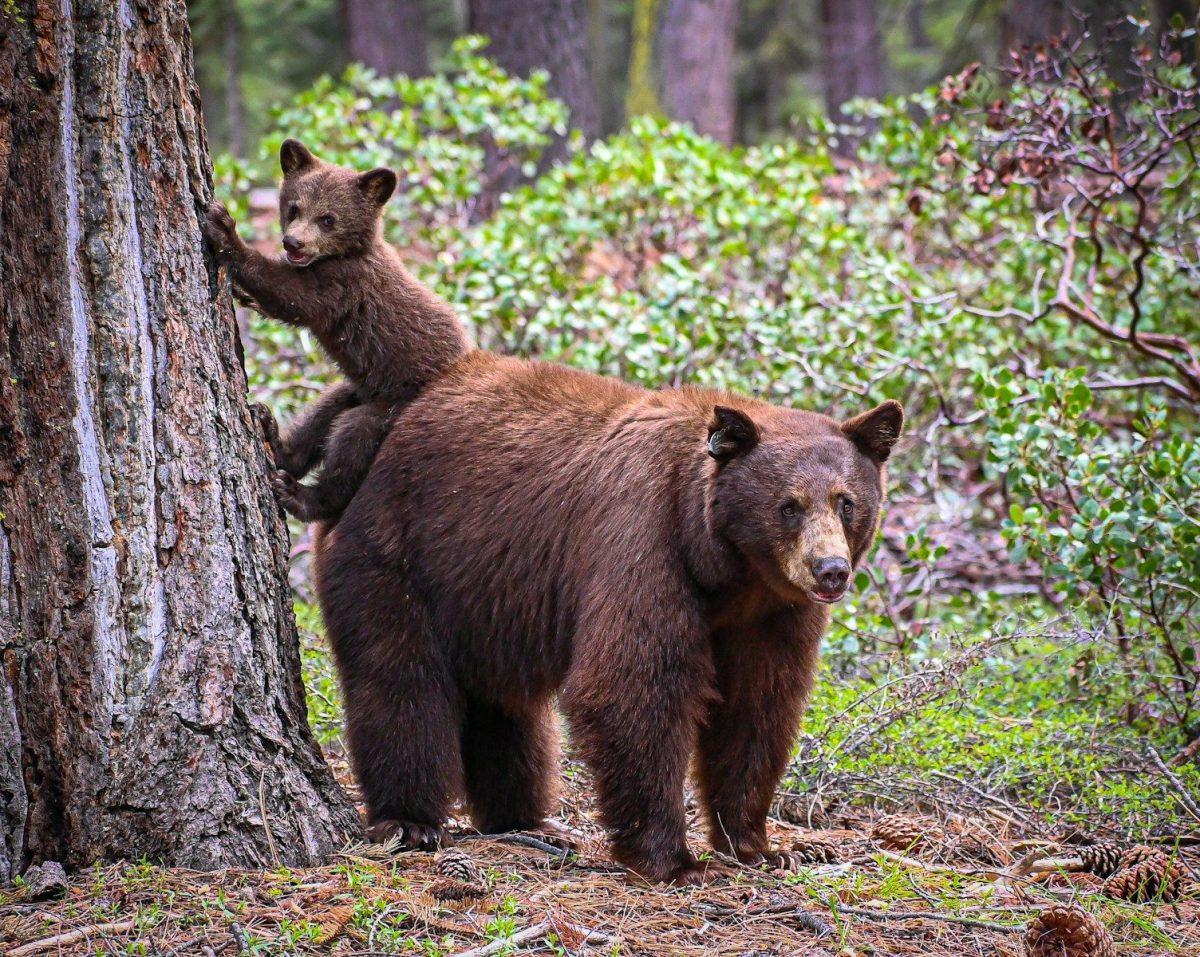
A bear that approaches a campsite once will return. Wildlife managers depend on public reports to track habituation patterns and intervene before incidents escalate. Report to the nearest ranger station or park app as soon as service is available. Include the time, location, approximate size and color of the bear, and whether it showed interest in food or people. It takes only a few minutes and contributes directly to the safety of everyone who travels the same trail afterward.
Bears have lived in these forests far longer than trails have existed. With preparation and awareness, there is room to share it.
