
Several European countries have spent the last few years building immigration pathways specifically designed to attract foreign residents. Visa programs that once seemed experimental now have years of application data behind them, and the requirements are far less imposing than most people expect.
The eight countries below share a common trait: for Americans willing to do a bit of paperwork and some advance planning, getting in is genuinely achievable.
What Americans Should Know First

Two things apply universally before choosing a destination. First, the U.S. taxes citizens on worldwide income regardless of where they live. The Foreign Earned Income Exclusion allows Americans to exclude the first $132,900 of foreign-earned income from U.S. taxes in 2026. An expat-specialized accountant is worth the cost.
Second, most European residency visas require proof of income, valid health insurance, a housing confirmation, and a clean criminal record. Apostille-certified documents are almost always needed, budget two to four weeks to collect them.
Portugal
![boats docked near seaside promenade]](https://pub-8aee4a5c22f846f0b2663e654f389536.r2.dev/2026/05/TfijW0gu-prb-sjoubfs-1200x800.jpg "8 European Countries That Are Surprisingly Easy for Americans to Move To 2")
Portugal’s two main visa routes cover most applicants. The D7 Passive Income Visa requires a minimum of €920 per month for a single applicant in 2026, drawn from pensions, dividends, rental income, or similar passive sources. The D8 Digital Nomad Visa is for actively employed remote workers, requiring at least €3,680 per month.
Consulates are increasingly rejecting D7 applications where income comes from active salaried work, so choosing the correct category upfront matters. English proficiency is high across Lisbon, Porto, and the Algarve, and the cost of living in smaller cities remains well below most of Western Europe.
Spain

Spain’s Digital Nomad Visa, introduced under the 2023 Startup Act, is the country’s first residence authorization built specifically for remote workers and freelancers. The income threshold is €2,849 per month for a single applicant in 2026. Income must come predominantly from non-Spanish sources, with no more than 20% earned from Spanish clients or employers.
For retirees and those with passive income, the Non-Lucrative Visa remains available. Valencia, Seville, and Malaga offer warm climates and lower costs than Madrid or Barcelona.
Germany

The Chancenkarte, Germany’s Opportunity Card, is a one-year residence permit that allows qualified foreign professionals to enter Germany and search for skilled employment without a job offer in hand. Applicants must demonstrate financial self-sufficiency of at least €1,091 per month for 2026.
Germany has documented shortages in technology, engineering, and healthcare; fields where many Americans already work. Tax rates are high and German becomes necessary outside of major cities, but the quality of life and public infrastructure are consistently strong.
The Netherlands
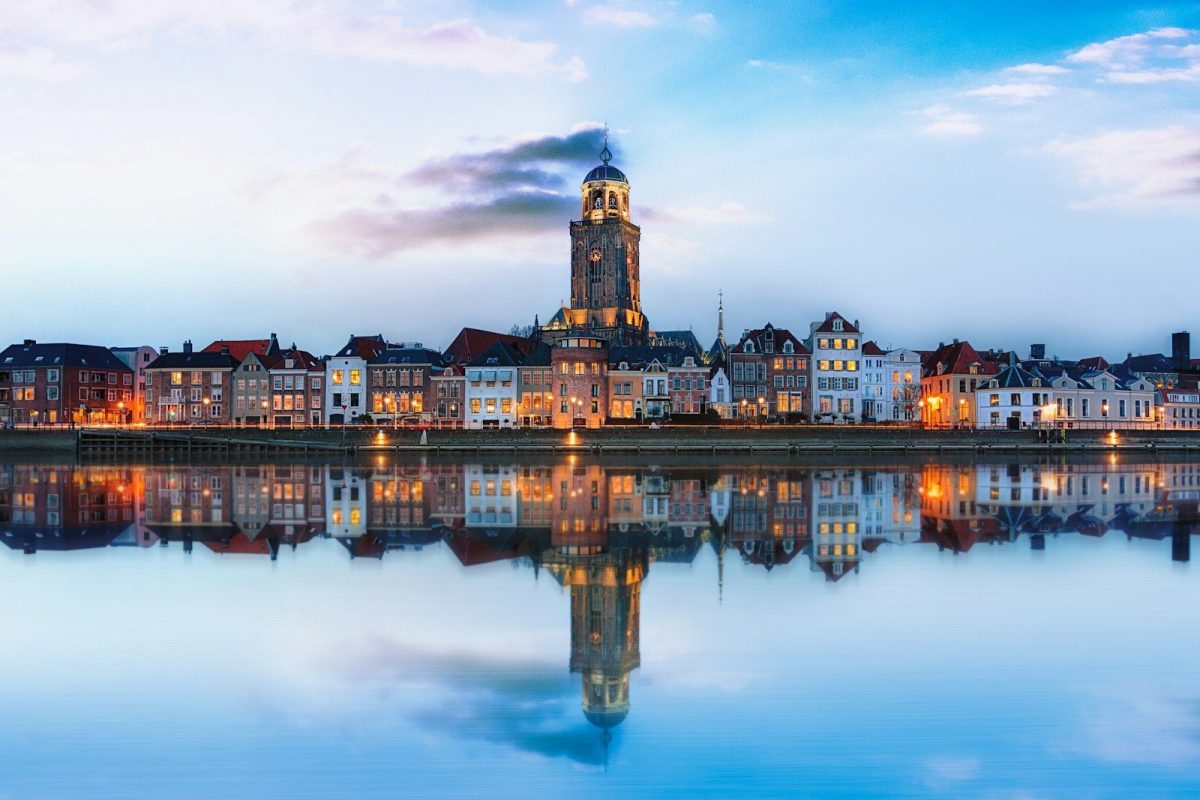
The Dutch American Friendship Treaty (DAFT) allows U.S. citizens to obtain a Dutch residence permit for self-employment with a minimum business investment of €4,500. For Americans hired by Dutch companies, the Highly Skilled Migrant visa provides access to the 30% ruling, a tax benefit that allows qualifying expat employees to treat 30% of their gross salary as tax-free for up to five years.
English proficiency in the Netherlands is among the highest in Europe, and cities like Utrecht and Rotterdam offer lower costs than Amsterdam with equally strong job markets.
Czech Republic

Prague offers an exceptional standard of living at a price point well below Western European capitals. The Czech Republic has no dedicated digital nomad visa, but self-employed Americans can use the zivno, a trade license that enables non-EU citizens to work as contractors, freelancers, or independent business operators.
The visa requires a genuine business connection to the Czech Republic, and applicants are strongly advised to obtain letters of interest from Czech companies before applying. The route leads to renewable long-term residency and, eventually, permanent residency.
Croatia
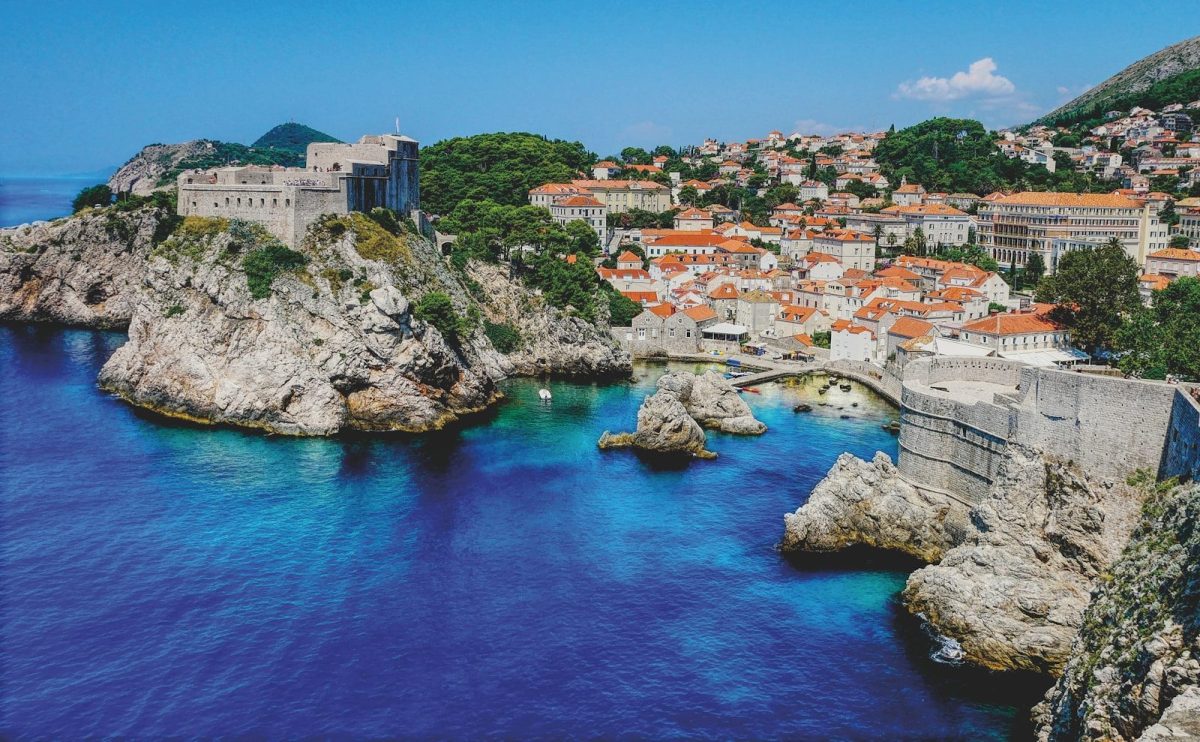
Croatia’s Digital Nomad Residence Permit allows non-EU nationals to live in the country for up to 12 months while working remotely for employers or clients based outside Croatia.
The income threshold sits at approximately €3,295 per month as of January 2026, and Croatia currently exempts foreign-source income from local tax for permit holders, making it the strongest low-tax option within Europe for this residency category. The Dalmatian coast is among the most scenic in Europe, and daily costs remain well below Western European averages.
Malta
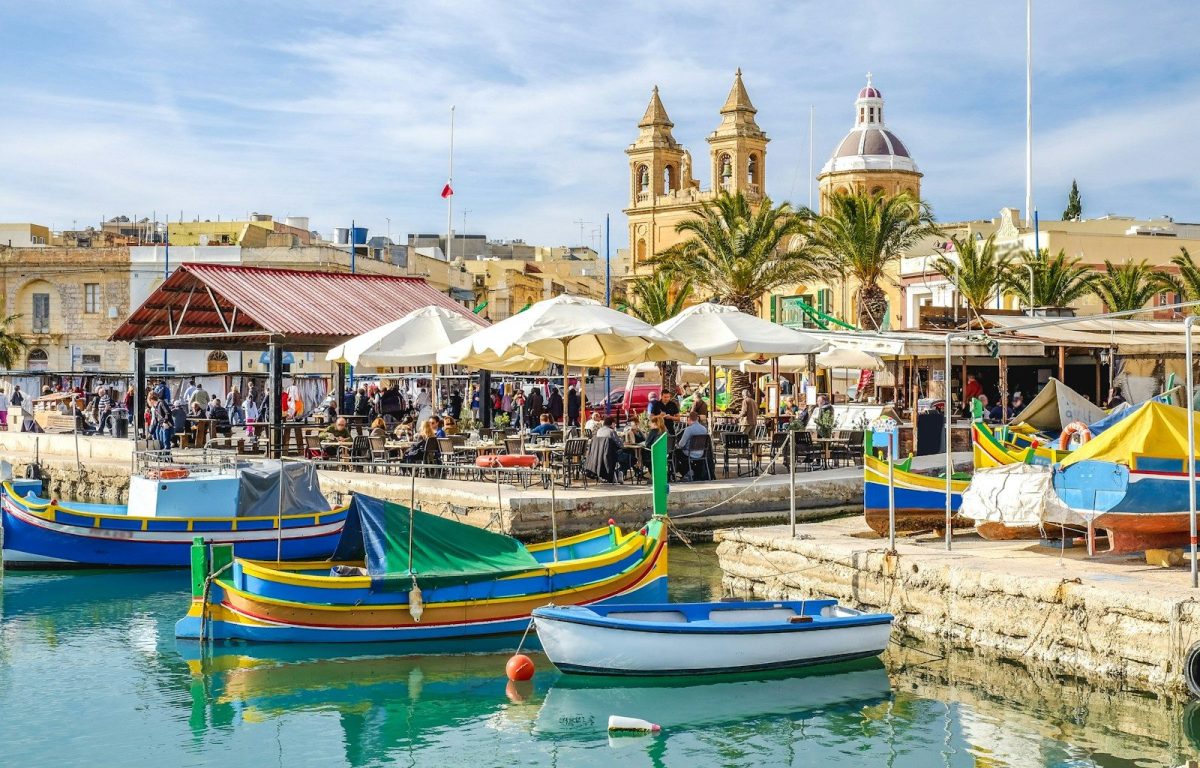
Malta’s defining advantage is straightforward: English is a constitutionally official language. The Nomad Residence Permit requires a minimum gross annual income of €42,000, approximately €3,500 per month, earned through remote employment or freelance work for companies based outside Malta.
The permit lasts one year and is renewable, and comes with a 12-month income tax exemption followed by a flat 10% rate on remote work income. The island sits within the Schengen Area, receives over 3,000 hours of sunshine per year, and has a tight-knit expat community.
Ireland

Ireland removes most of the friction Americans face abroad. U.S. passport holders can visit for up to 90 days without a visa. Longer stays require an employment permit, student permission, or family residency, along with registration for an Irish Residence Permit after arrival.
Retirees can apply for Stamp 0, which requires demonstrating a minimum annual income of approximately €50,000 per person from outside Ireland, comprehensive health insurance, and financial independence from the Irish state. Americans with Irish parents or grandparents have an accessible route through citizenship by descent. Dublin’s tech sector is home to the European headquarters of many major American companies, and the west coast offers a slower pace at considerably lower cost.
