
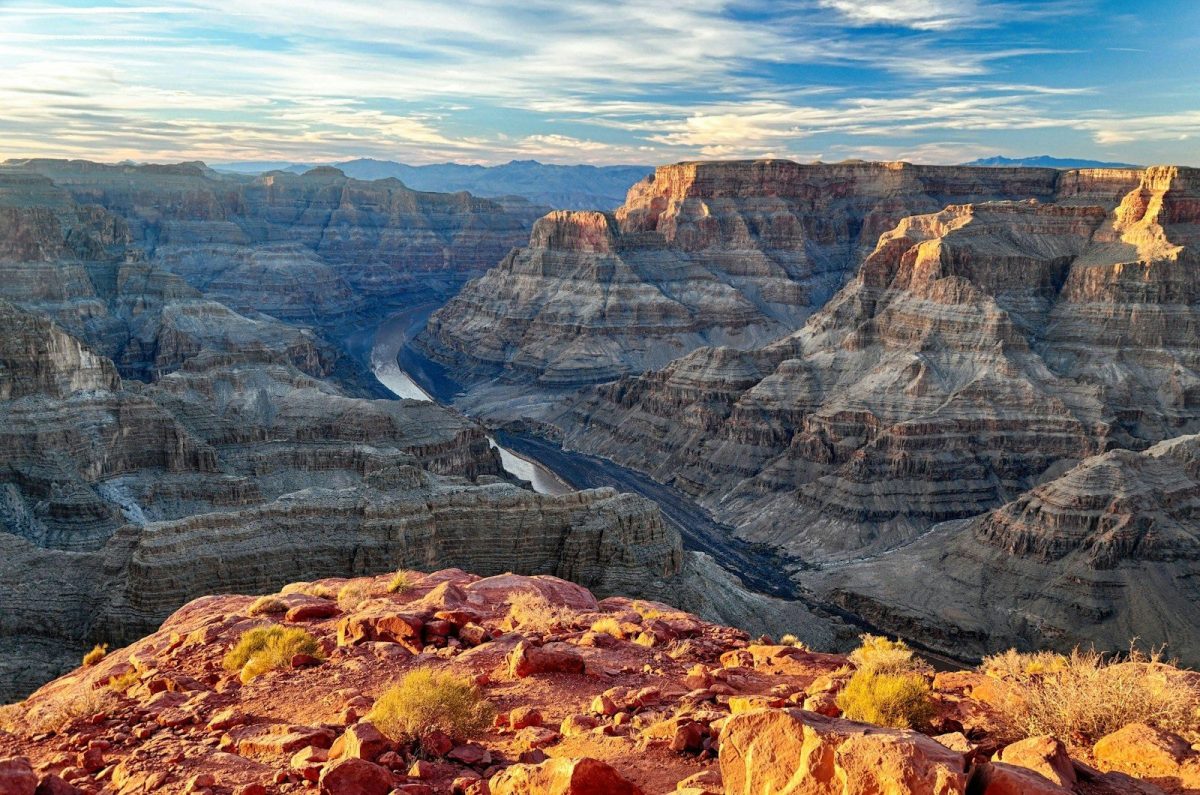
The Grand Canyon stretches 277 miles across northern Arizona, plunges over a mile deep, and exposes nearly two billion years of Earth’s geological history in its layered walls. For most of human history, the basic story of this place was a complete mystery. How did it form? Who lived here first? Where did its ancient inhabitants go?
As of 2026, researchers using everything from satellite imaging to DNA analysis have cracked open puzzles that stumped scientists for generations. Here are nine of those mysteries and the breakthroughs that finally put them to rest.
1. How Old Is the Canyon?
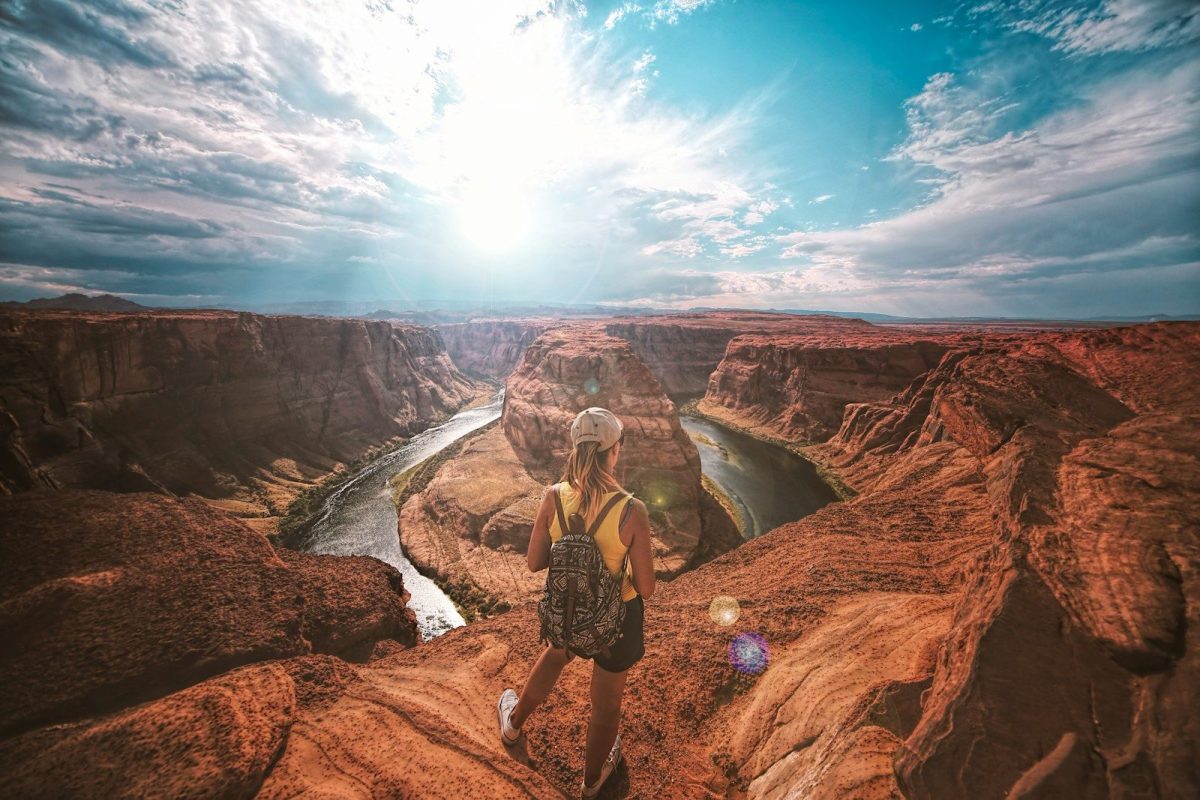
Geologists spent over a century arguing about the canyon’s age. One camp put it at five to six million years old. The other argued parts were closer to 70 million years ancient.
A landmark study in the early 2010s resolved the dispute using uranium-lead dating on cave minerals. Different sections of the canyon formed at different times. The western portion is considerably older, and the eastern gorge is the younger section. The Grand Canyon is a patchwork carved in stages across tens of millions of years, shaped by separate ancient drainage systems that eventually merged into the landscape visible today.
2. Who Were the First People Here?
Split-twig figurines found in remote limestone caves, small animals twisted from single willow branches, were dated to around 4,000 years old, pointing to an ancient ceremonial culture. Later, ancestral Puebloan peoples built granaries and dwellings into the canyon walls, exploiting microclimates that made small-scale farming possible in the inner gorge.
DNA analysis and artifact studies confirmed that the Havasupai people have lived in and around the canyon for at least 800 years. Eleven federally recognized tribes now maintain ties to the Grand Canyon, and the human history here runs far deeper than early researchers assumed.
3. What Carved the Canyon, and How Fast?
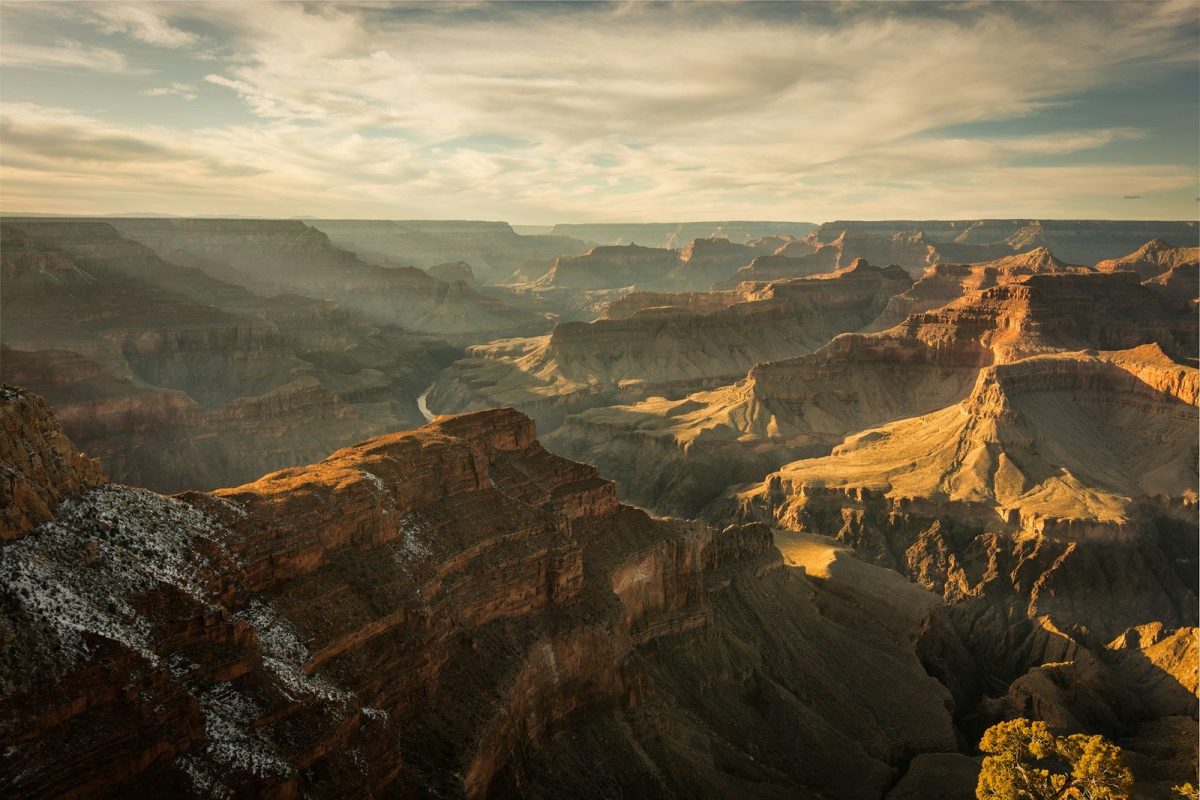
The Colorado River carved the Grand Canyon, but the question of how quickly puzzled geologists for decades. Steady erosion alone struggled to account for the roughly 10 million cubic miles of material removed.
Thermochronology and ancient sediment studies provided the answer. Massive prehistoric floods, some triggered by the collapse of natural lake dams, dramatically accelerated erosion during certain periods. During peak flood events, the river carved downward at rates dozens of times faster than its slow average, doing centuries of work in weeks.
4. Why Do Animals on Each Rim Differ?
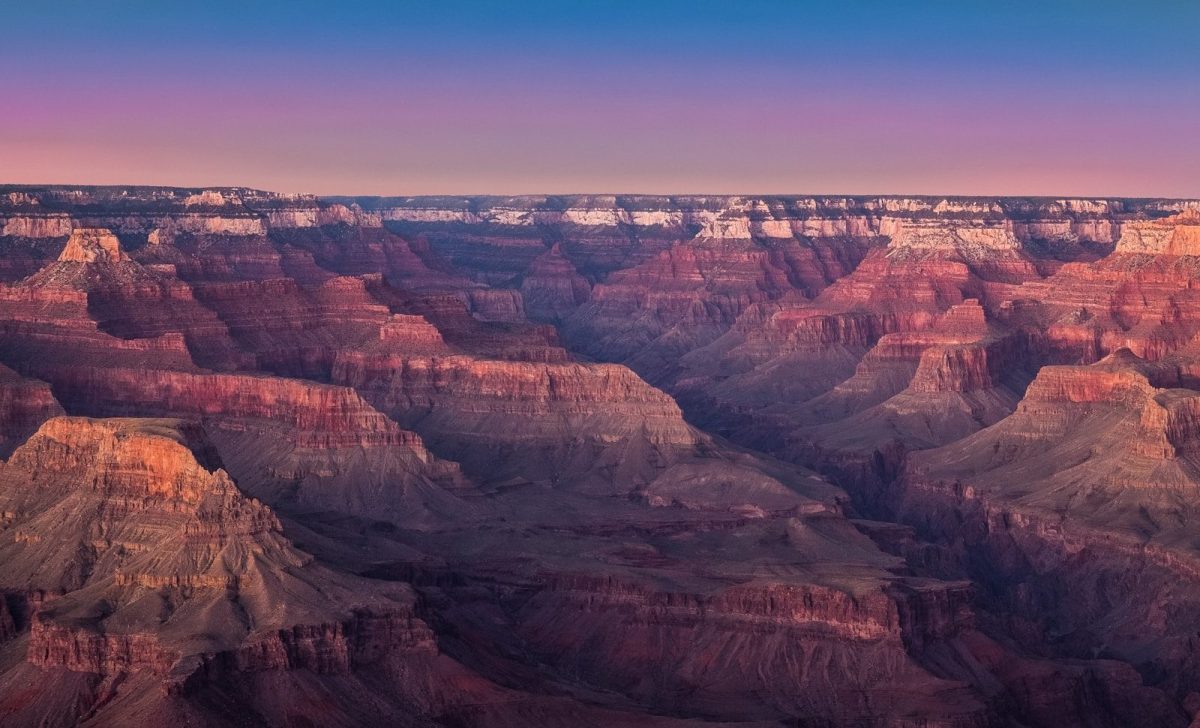
The North and South Rims sit just ten miles apart, yet the Kaibab squirrel on the North Rim and the Abert’s squirrel on the South Rim look and behave differently enough to raise an obvious question about how that separation happened.
Genetic studies confirmed the two populations diverged roughly 10,000 years ago. Rising post-ice age temperatures turned the canyon floor into an impassable desert corridor. With no route for interbreeding, each population evolved independently. The Grand Canyon is now a textbook case in allopatric speciation, cited regularly in university biology courses.
5. The Great Unconformity
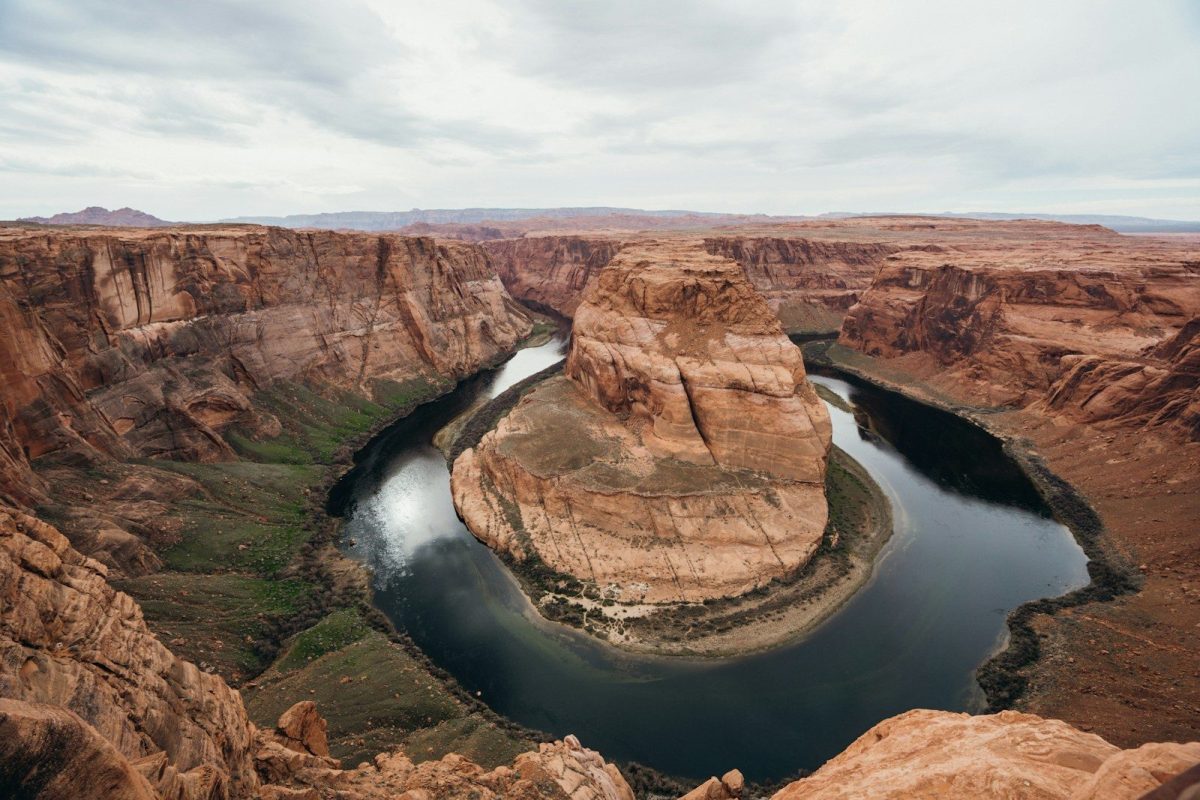
The Great Unconformity is a sharp boundary in the canyon walls where 1.7-billion-year-old basement rocks sit directly beneath 500-million-year-old sandstone. Roughly 1.2 billion years of geological record is simply absent.
A 2021 study identified the likely cause: the Snowball Earth glaciation event between 700 and 800 million years ago. Advancing and retreating ice sheets stripped away everything above the basement rock across vast regions of the continent. Visitors can physically touch that boundary and stand at the meeting point of two entirely separate geological eras.
6. Marine Fossils in the Desert
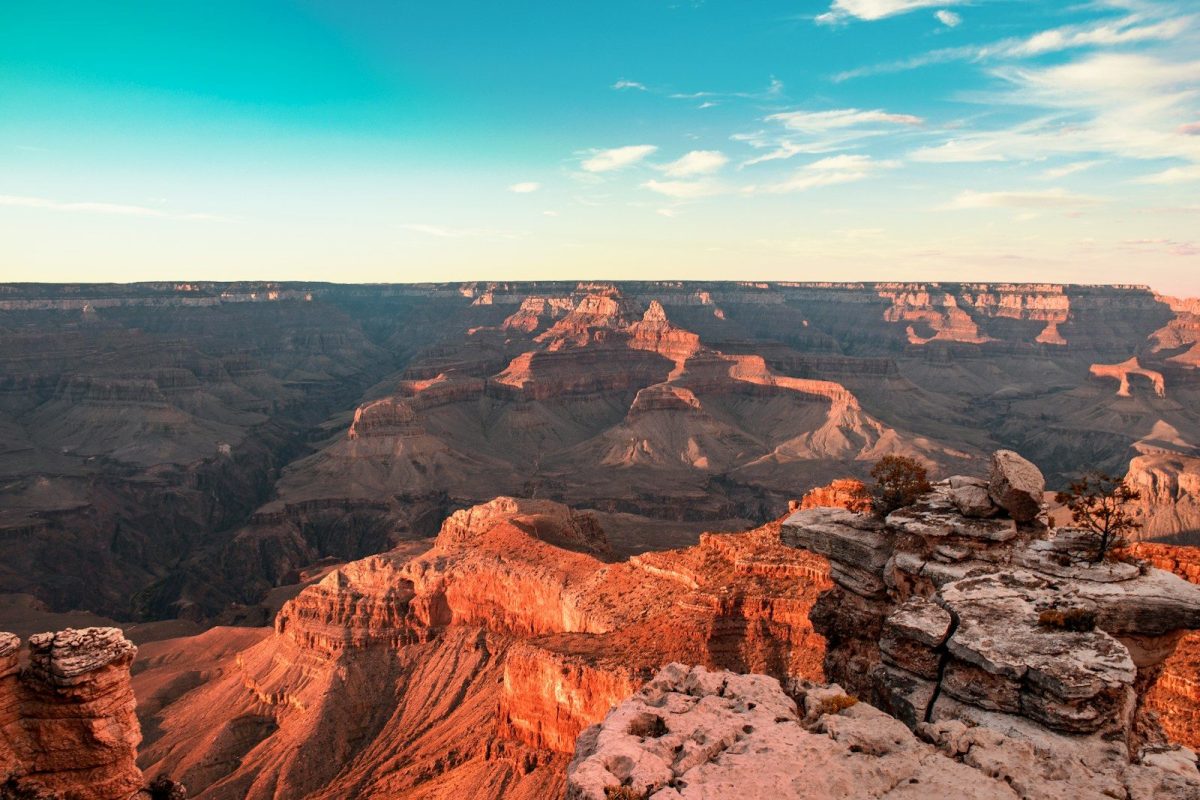
Fossilized ocean creatures, including crinoids, brachiopods, and trilobites, appear embedded in canyon walls thousands of feet above sea level. The Southwest was repeatedly flooded by shallow inland seas between roughly 540 and 250 million years ago.
Marine sediment accumulated, hardened into rock, and was lifted skyward by the tectonic forces that built the Colorado Plateau. Each limestone layer is a preserved snapshot of a vanished ocean.
7. The Collapse of Native Fish Populations
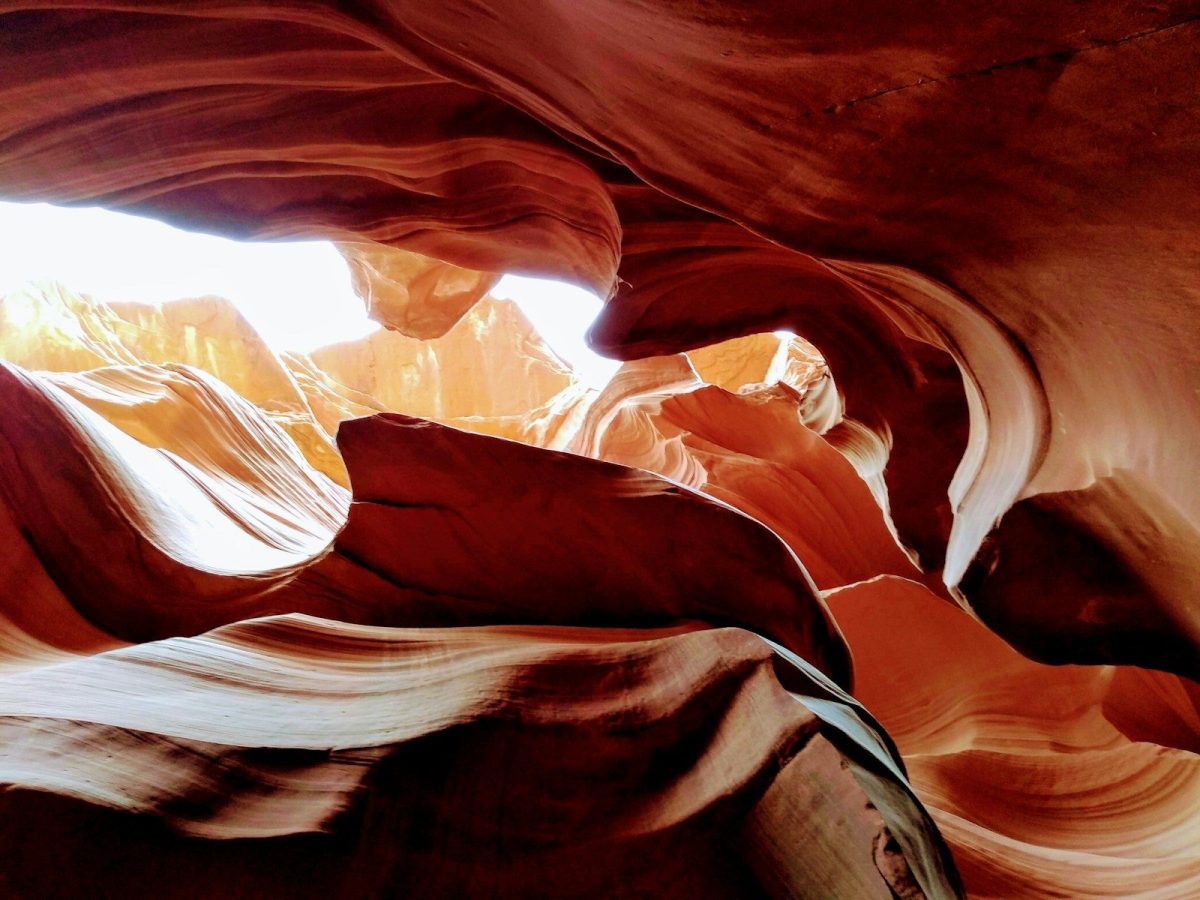
The Colorado River once supported native species found nowhere else, including the humpback chub and razorback sucker. Populations collapsed sharply after the completion of Glen Canyon Dam in 1966. The dam dropped water temperatures year-round, eliminated natural flood cycles that native fish depended on for spawning, and created ideal conditions for non-native trout, which preyed on native eggs and juveniles.
Targeted trout removal programs and managed experimental flood releases have helped stabilize humpback chub numbers. Recovery efforts are ongoing as of 2026.
8. The Canyon’s Private Weather
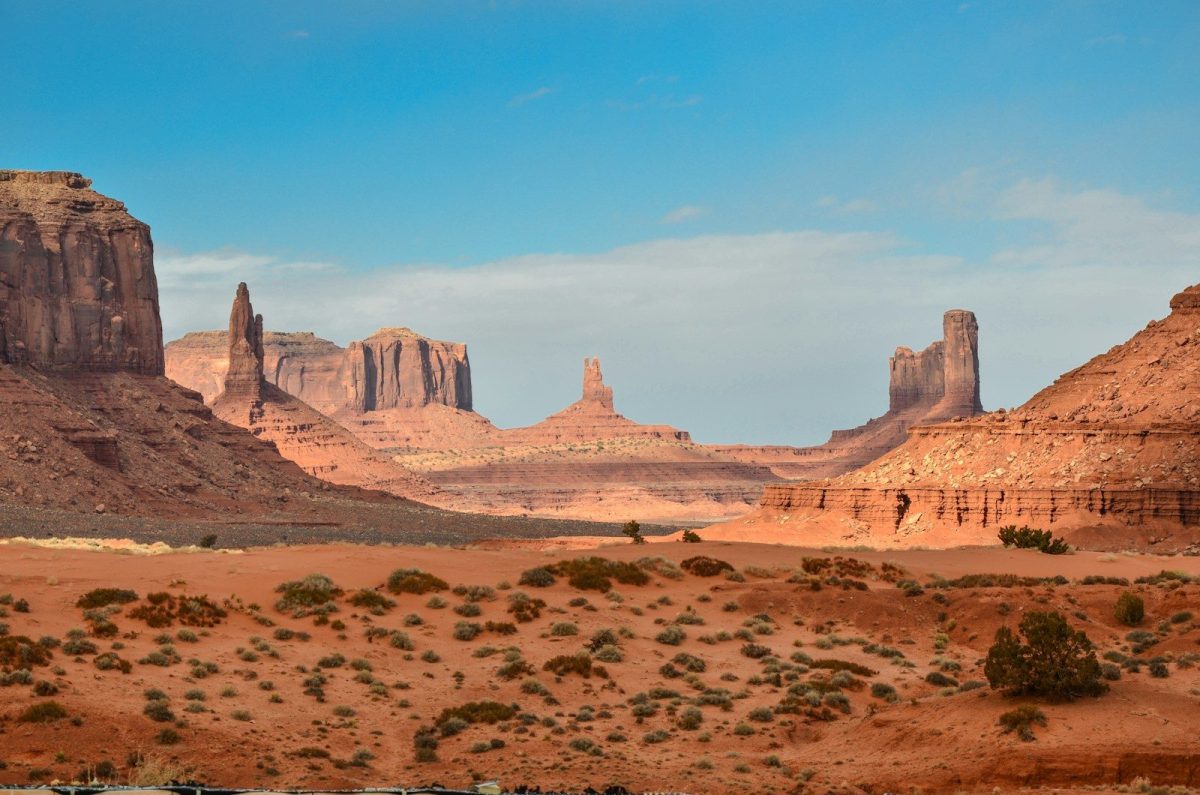
Temperatures in the inner gorge routinely run 20 to 25 degrees Fahrenheit hotter than the rim. Storms can form at the top and dissolve before reaching the canyon floor.
The dark Vishnu schist rocks at the base absorb solar radiation intensely, superheating the air above them and creating powerful updrafts. The canyon’s walls block prevailing winds, producing isolated microclimates throughout the gorge. Understanding these thermal patterns has directly improved hiker safety protocols and search-and-rescue planning.
9. The People Who Left
Around 1150 CE, the ancestral Puebloans who had farmed inside the canyon disappeared from the archaeological record, leaving cliff dwellings intact and granaries undisturbed.
Tree-ring data, pollen analysis, and isotopic studies point to a prolonged drought beginning around 1130 CE that lasted decades. Crops failed, water sources dried up, and the canyon’s inhabitants migrated south and east to join other Puebloan communities. Their descendants, including the Hopi and Zuni peoples, maintain active cultural and spiritual ties to the Grand Canyon today.
