
With over 40 million people expected to set sail in 2026, the cruise industry is running at historic capacity. Ships are larger, more crowded, and calling on more exotic ports than ever before. That combination creates health and safety considerations that too many travelers underestimate until something goes wrong.
Most cruise-related health incidents are preventable. Infectious disease physicians and cruise safety professionals point to the same core habits that separate passengers who sail home healthy from those who spend days in the ship’s medical center. None of these tips require expensive gear or complex preparation.
1. Get Destination-Specific Vaccinations At Least Four to Six Weeks Before You Sail

Routine immunizations cover far less than most travelers assume. Hepatitis A remains the most common vaccine-preventable illness seen in returning cruise passengers, and it appears across coastal markets globally. Depending on the itinerary, a travel medicine physician may also recommend typhoid, yellow fever, or Japanese encephalitis vaccines.
For some South American and African ports, yellow fever vaccination is legally required for entry. The four-to-six week window matters because several vaccines require multiple doses spaced weeks apart to reach full effectiveness.
2. Treat Hand Hygiene as Seriously as The Boarding Process

Norovirus outbreaks on cruise ships continue to occur every season. The most effective defense has not changed: washing hands properly and often. Twenty seconds of vigorous scrubbing with soap before meals, after restroom use, after touching shared surfaces, and after returning from shore excursions is the standard recommendation.
As one maritime health officer noted: “Norovirus can survive on hard surfaces for days. If there is a sink nearby, use it.” A 60-percent-alcohol hand gel is a useful backup, not a replacement for soap and water.
3. Pack a Thorough Medical Kit

Ship medical centers charge steep consultation fees, and genuine emergencies in open water can mean hours before reaching advanced care.
A solid kit includes a prescription antibiotic course for traveler’s diarrhea, an antihistamine, hydrocortisone cream, motion sickness medication, a thermometer, oral rehydration sachets, and antiseptic. Bring at least two extra weeks of any personal prescription medications in carry-on luggage. Island pharmacies frequently do not carry the same formulations available in the United States.
4. Take The Muster Drill Seriously Every Time
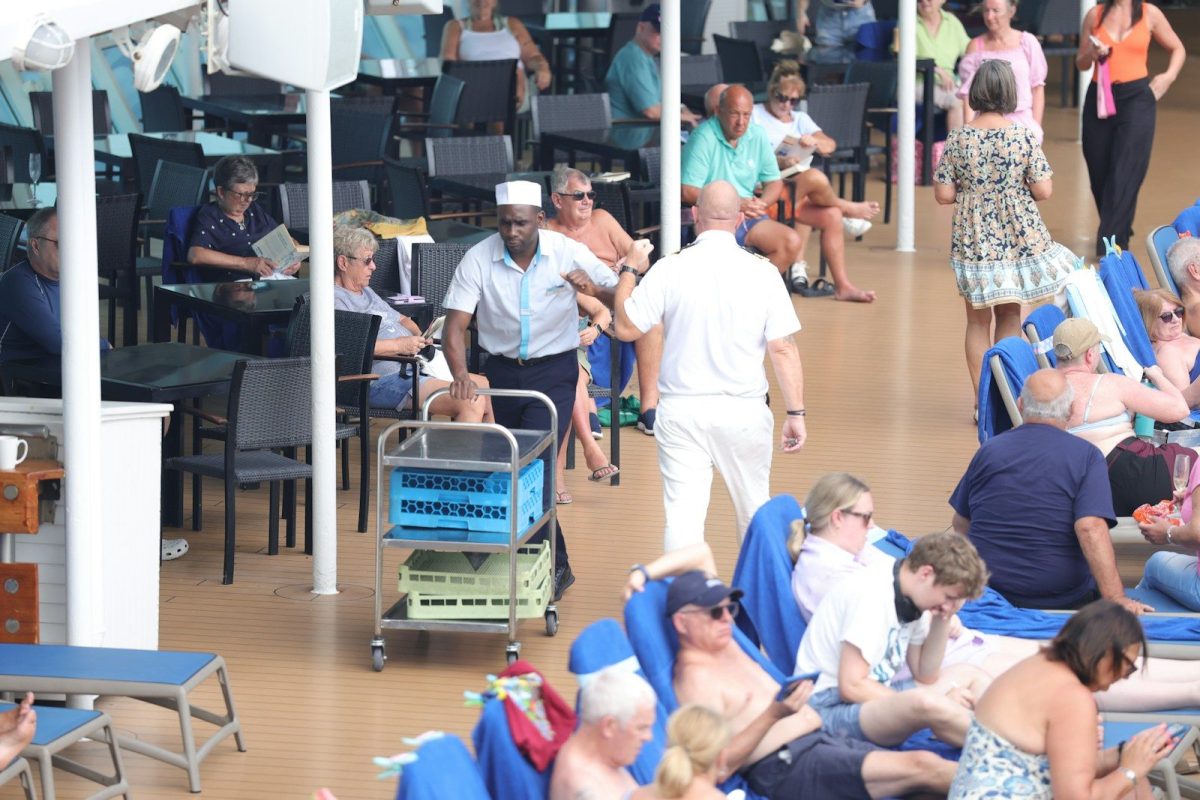
Electronic muster procedures have made safety briefings easy to tap through without absorbing the information. Cruise safety professionals recommend walking the route to the muster station in daylight, counting cabin doors to the nearest emergency exit, and physically practicing putting on a life jacket.
A cruise safety director with 18 years at sea said: “In an emergency, people revert to what they have practiced. Take five minutes to walk the route at the start of every voyage.” Passengers with mobility limitations should speak directly with crew about personalized procedures.
5. Buy Travel Health Insurance That Covers Medical Evacuation

Standard travel insurance does not automatically include medical evacuation coverage. Evacuation from international waters can exceed $100,000, and cruise lines do not cover this cost.
A policy worth purchasing includes emergency evacuation, repatriation, and coverage for pre-existing conditions. Budget plans often cap medical benefits at $25,000, which is insufficient for a single ICU overnight in many countries.
6. Be Selective About Food and Drink on Shore
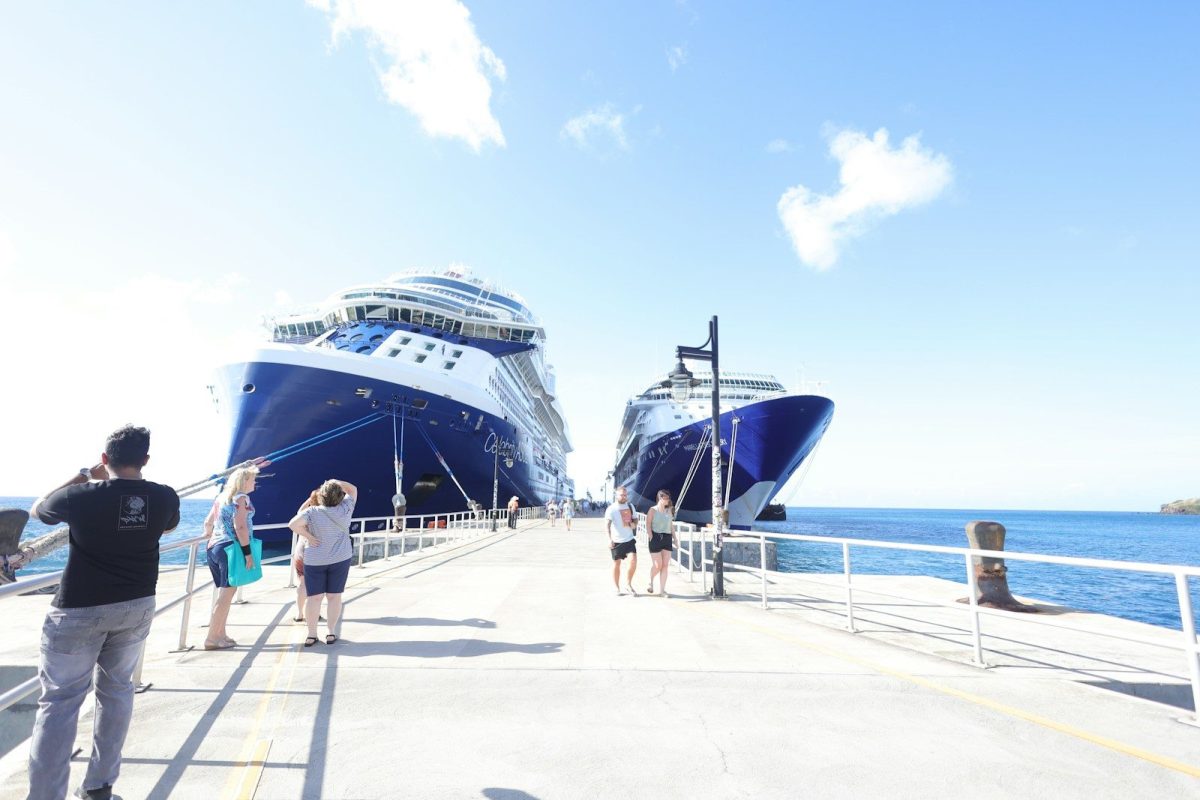
Food safety standards vary considerably between ports. The practical framework from infectious disease physicians: eat food that is thoroughly cooked and served hot, avoid raw shellfish at ports without reliable refrigeration, skip pre-cut fruit that may have been rinsed in tap water, and choose sealed bottled beverages where tap water quality is uncertain.
Ice in drinks is frequently made from tap water. A reliable signal for a trustworthy restaurant is a full room of local diners, high food turnover, and a visible cooking area.
7. Monitor Disease Outbreak Alerts Before Departure

Dengue, cholera, and respiratory illness clusters can emerge weeks before a ship arrives at a given port. Starting 30 days before departure, check CDC Travelers’ Health notices and WHO Disease Outbreak News weekly, then daily in the final week.
If an alert covers a port on the itinerary, contact the cruise line. Many adjust ports of call when risk levels reach a certain threshold.
8. Take Sun and Heat Protection Seriously

Open water reflects ultraviolet radiation back onto skin, cutting the time to sunburn roughly in half compared to land. Apply SPF 50 sunscreen 30 minutes before going outside and reapply every two hours.
A wide-brim hat and UV-protective clothing are worth packing for midday shore excursions. Heat stroke is a medical emergency. Its warning signs, including stopping sweating, confusion, and hot dry skin, are worth knowing before boarding. Alcohol and sustained heat accelerate dehydration faster than most passengers expect.
9. Report Illness Onboard Early

Passengers who push through symptoms in shared spaces are the primary driver of gastrointestinal illness spread on ships. Vomiting, diarrhea, fever, or a persistent cough should be reported to the ship’s medical center immediately.
A cruise line epidemiologist noted: “Reporting symptoms early is one of the most considerate things a passenger can do for the 4,000 other people sharing that ship.” Beyond protecting others, early reporting produces better personal outcomes. Passengers who report promptly receive treatment faster, with more options available to the medical team.
