
This summer is going to be super in the U.S., but heat waves are no longer rare inconveniences. Across North America, Europe, and Asia, summer temperatures have been breaking records with alarming regularity, and 2026 has continued that trend. For travelers who want to spend the warmer months outdoors and actually feel comfortable, the solution is increasingly geographic: go somewhere cooler.
The nine destinations below offer relief from extreme heat without sacrificing scenery, culture, or things to do. Some sit in the Southern Hemisphere, where the seasons are flipped. Others benefit from elevation or latitude that keeps temperatures mild year-round.
1. Reykjavík, Iceland
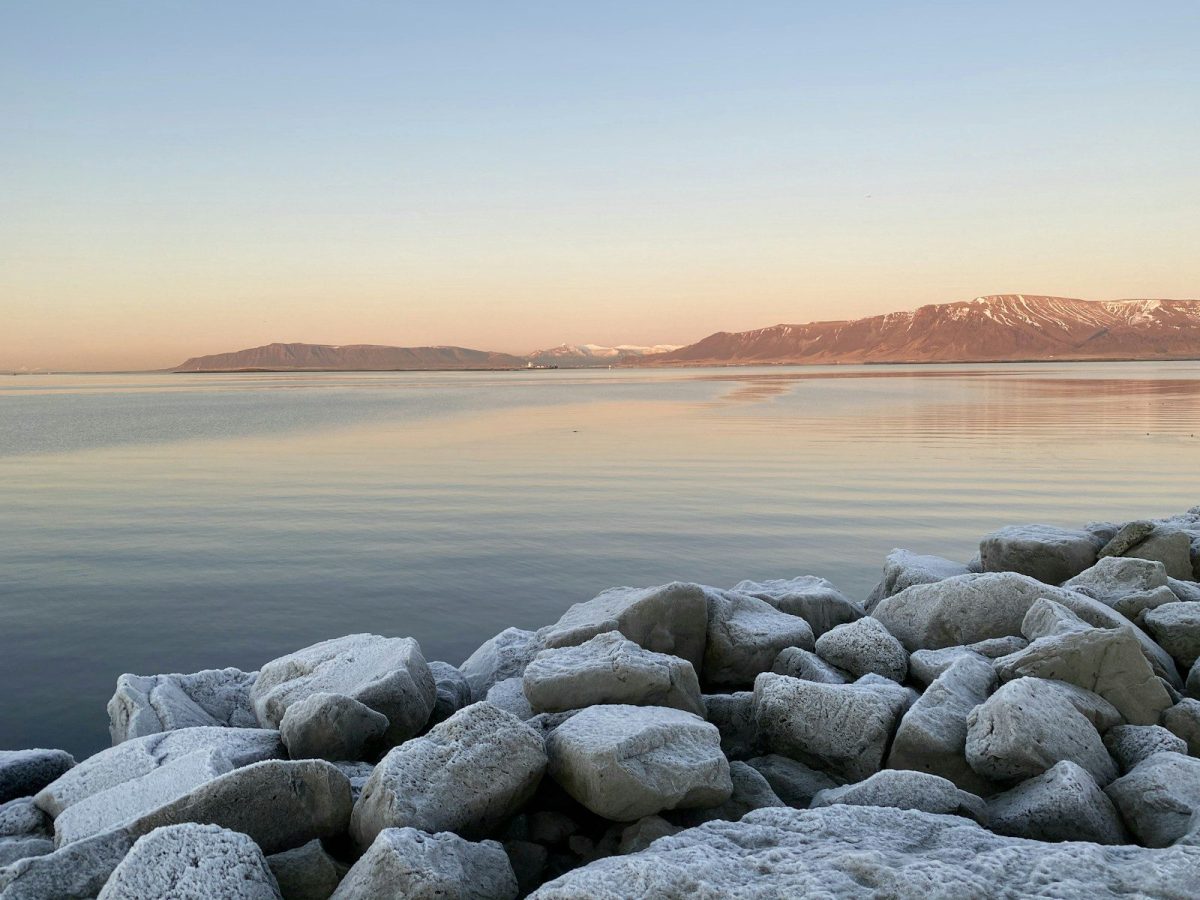
July highs in Reykjavík sit between 58 and 62 degrees Fahrenheit, with nearly 22 hours of daylight and none of the heat that usually accompanies long summer days.
The city offers excellent seafood, a walkable harbor district, and easy access to the Golden Circle’s waterfalls and geysers. Book tours early in 2026 as slots fill weeks out.
2. Queenstown, New Zealand
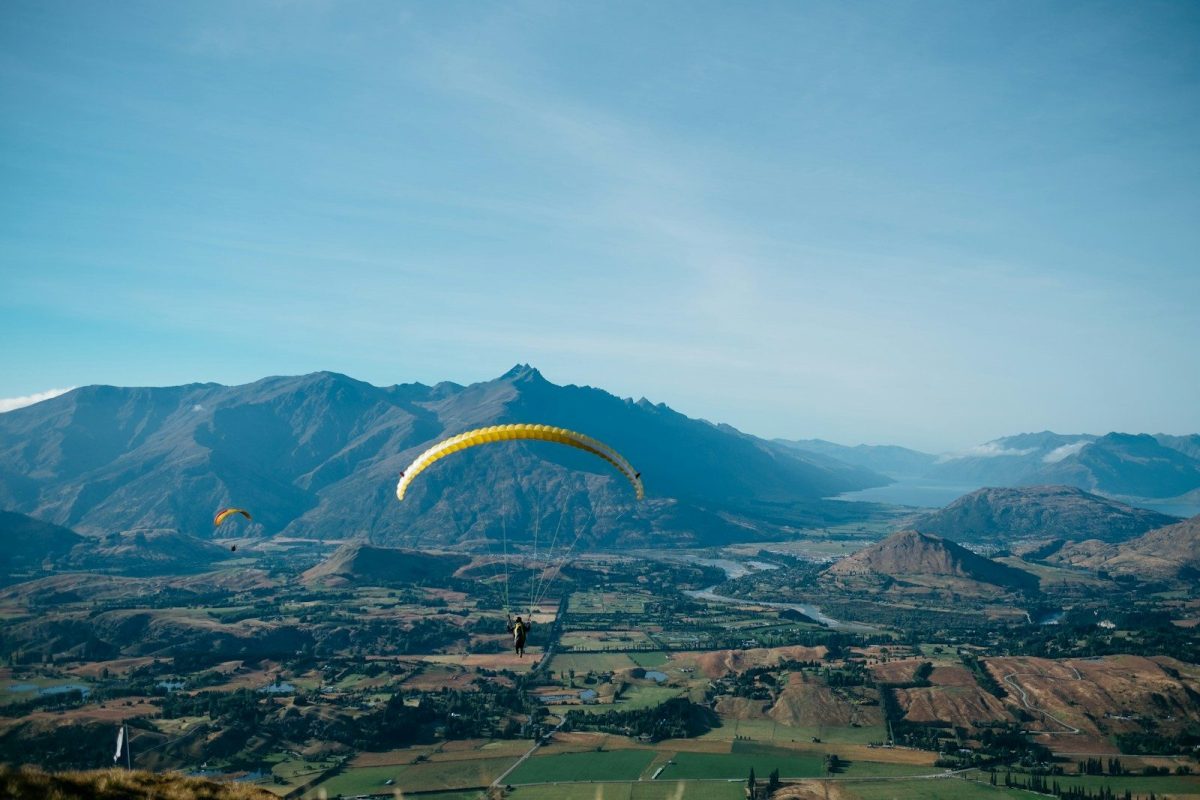
When the Northern Hemisphere hits peak summer, New Zealand’s South Island is in winter. Queenstown in July averages 46 to 50 degrees Fahrenheit, with ski conditions on the Remarkables and Coronet Peak.
The town sits on Lake Wakatipu with mountain views in every direction. Milford Sound day trips, wine tasting in Central Otago, and scenic flights round out a full itinerary with far fewer crowds than the Southern Hemisphere summer brings.
3. Tromsø, Norway
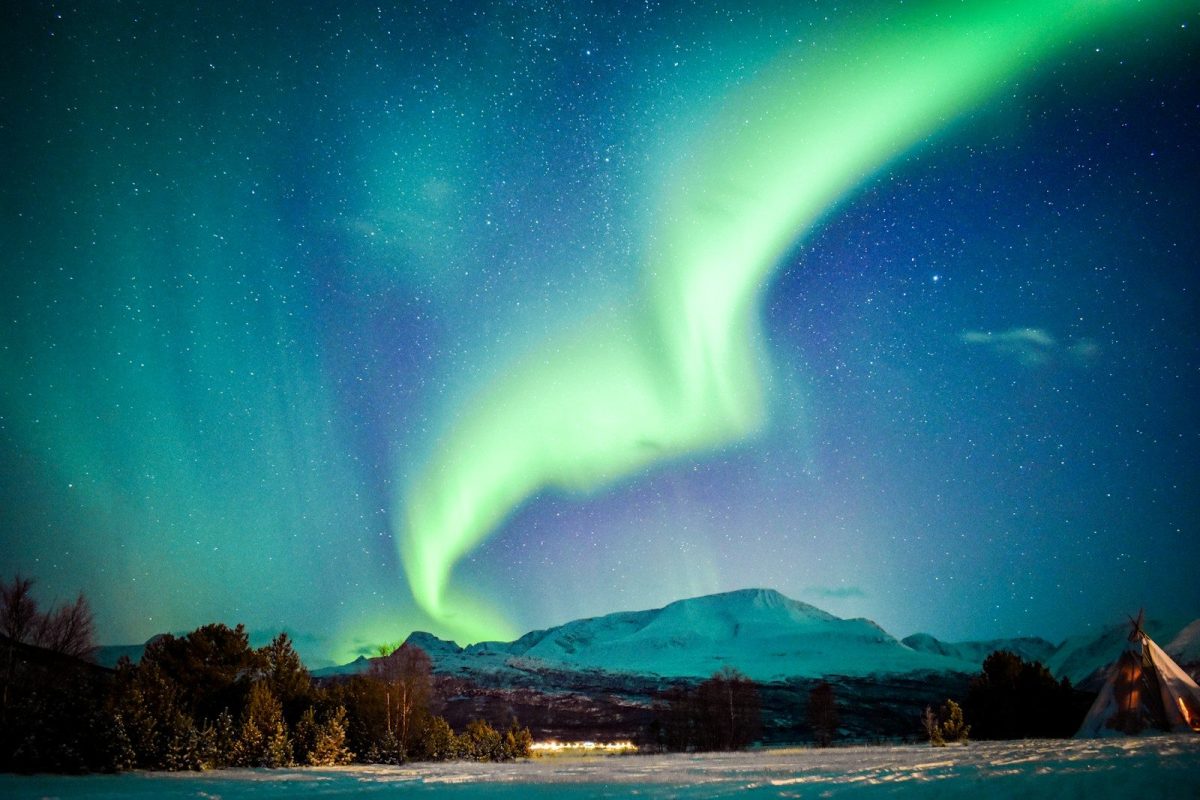
Tromsø sits 217 miles north of the Arctic Circle and averages 57 to 61 degrees Fahrenheit in July, paired with 24 hours of daylight from late May through late July. Hiking, sea kayaking, and wildlife boat tours depart from the city center.
The Fjellheisen cable car reaches the top of Storsteinen mountain for panoramic fjord views, and the Arctic Cathedral is worth seeing at any hour, midnight included.
4. Chiang Mai, Thailand

Chiang Mai between November and February operates at 65 to 75 degrees Fahrenheit, a product of Northern Thailand’s elevation and cooler seasonal winds.
The old city contains hundreds of temples, the Sunday Walking Street market is among Southeast Asia’s best, and Doi Inthanon National Park offers well-maintained mountain trekking routes. Traveling during the cool season also avoids the April Songkran crowds entirely.
5. Medellín, Colombia
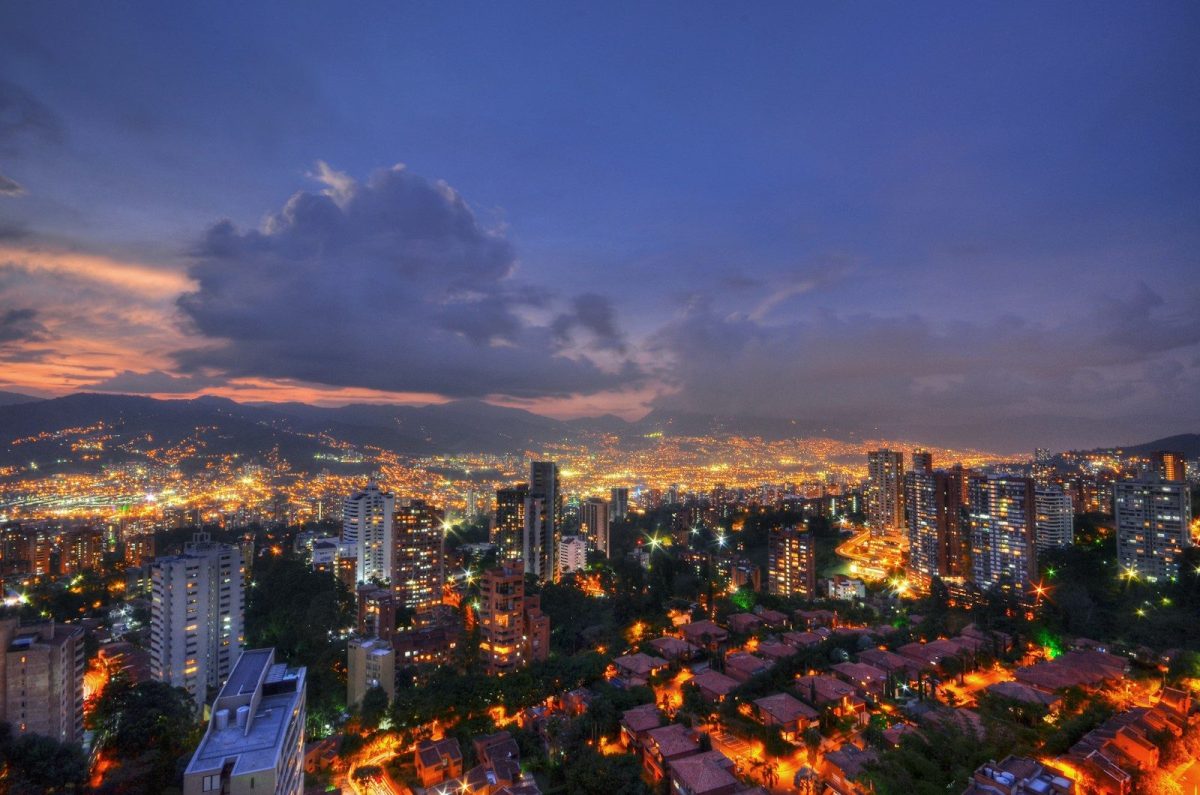
At roughly 5,000 feet above sea level in the Andes, Medellín holds year-round highs between 72 and 82 degrees Fahrenheit. Evenings are reliably cool.
The city’s Metrocable system connects hillside neighborhoods to the center, the botanical garden is excellent, and the El Poblado district has a dense concentration of restaurants and cafés. The Zona Cafetera coffee region is about three hours away by road for those wanting a day trip into Colombia’s most scenic countryside.
6. Edinburgh, Scotland

Edinburgh averages 65 degrees Fahrenheit in July and August, cool enough for full days of walking without heat becoming a factor. The Royal Mile, Edinburgh Castle, Arthur’s Seat, and the Scottish National Gallery are all within a compact historic center.
August brings the Edinburgh Festival Fringe, the world’s largest arts festival, which fills every available venue across the city. Late July offers the same mild temperatures with noticeably lower hotel prices and thinner crowds.
7. Tbilisi, Georgia
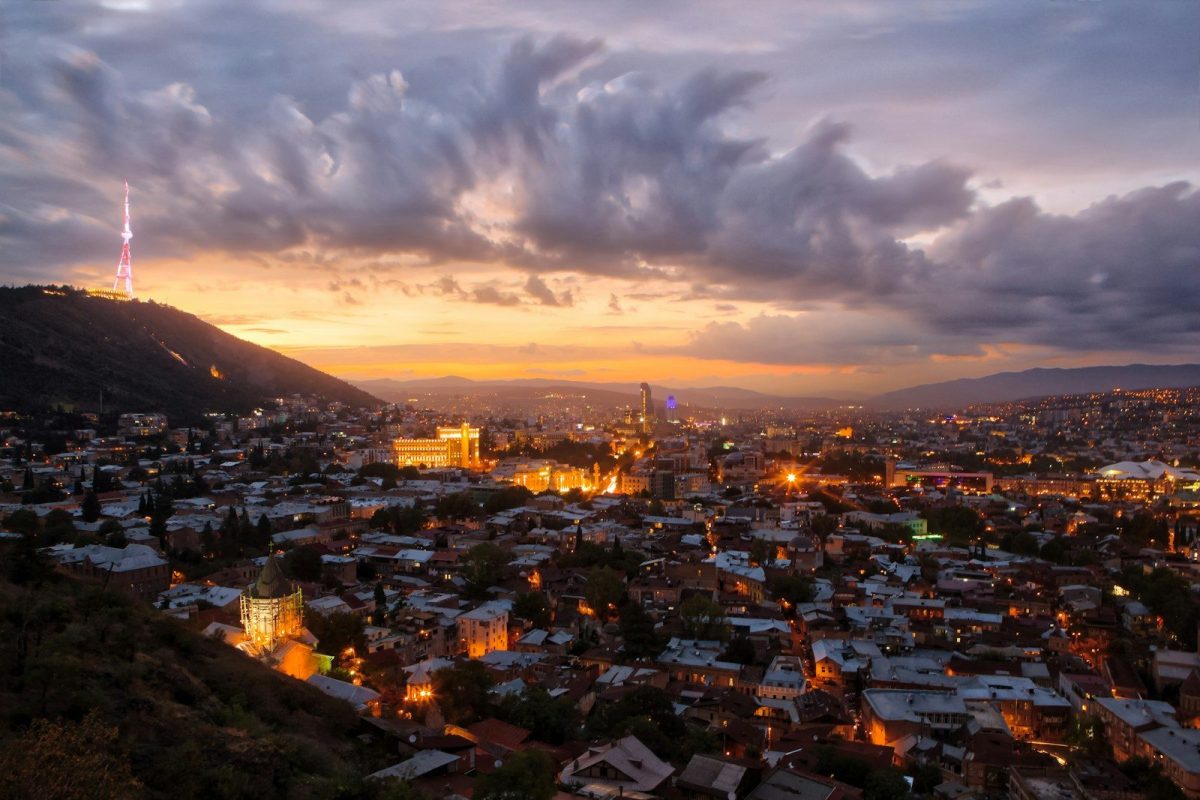
Tbilisi’s old town is an architectural layering of Persian, Ottoman, Russian, and Soviet influences spread across steep hillsides above the Mtkvari River. May and September deliver highs in the 68 to 75 degree range with clear, long days.
Georgian food, including khinkali dumplings and khachapuri cheese bread, is exceptional and largely unknown outside the region. The Caucasus Mountains to the north offer cooler temperatures and dramatic scenery within a few hours’ drive.
8. The Azores, Portugal
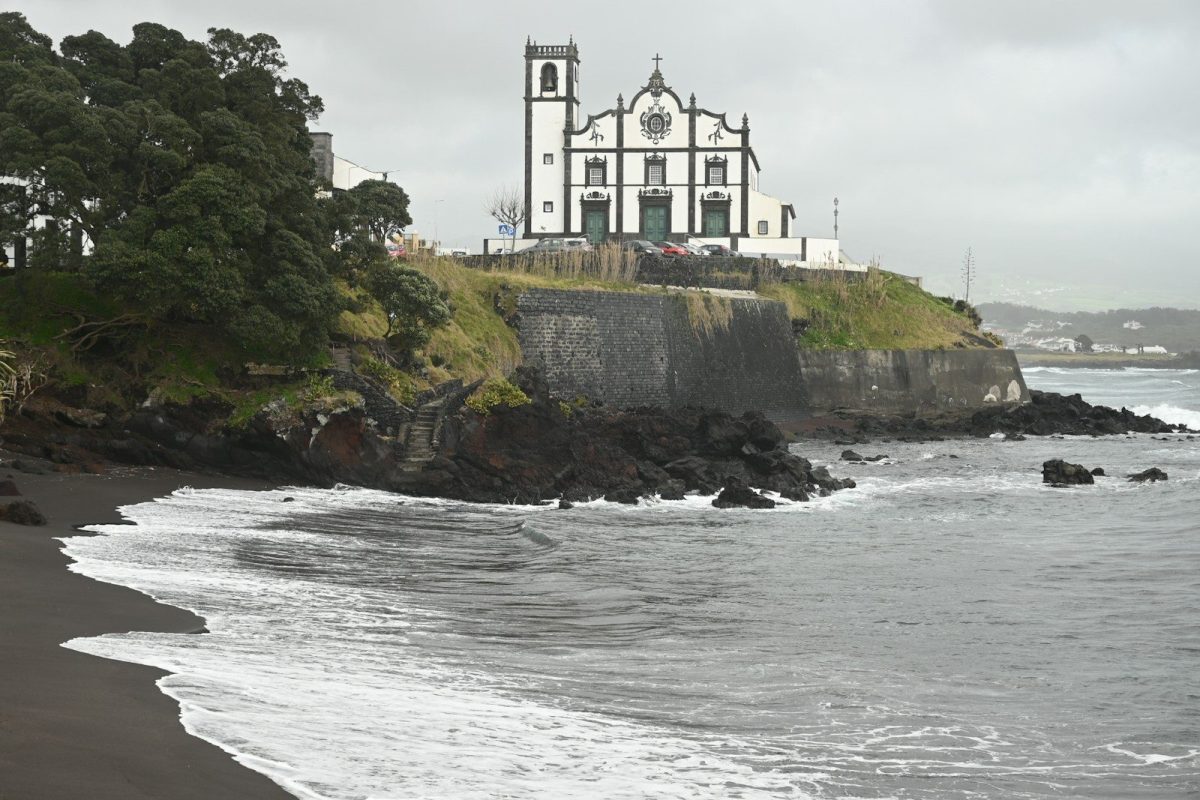
São Miguel, the largest of the nine Azorean islands, averages 73 to 77 degrees Fahrenheit in summer, moderated by constant Atlantic breezes.
The twin crater lake at Sete Cidades sits inside a dormant volcano, Furnas valley uses geothermal heat to cook food underground, and the waters off the coast are among the world’s most reliable spots for sperm whale sightings. May and June remain relatively uncrowded. Renting a car is the most practical way to reach the island’s best natural areas.
9. Vancouver, Canada

Vancouver’s July highs average 70 to 74 degrees Fahrenheit, kept moderate by the Pacific Ocean and surrounding mountains. Stanley Park sits minutes from downtown, Whistler is 75 minutes north along the Sea-to-Sky Highway, and the city’s range of Asian cuisines and Pacific Northwest seafood makes eating well effortless throughout a stay.
Heat events have shifted from occasional surprises to reliable annual occurrences. Knowing which parts of the world stay cooler has become genuinely useful trip-planning information, not just a traveler preference. These nine destinations deliver on both counts, and they fill up faster each year.
