
Travel in 2026 is full of momentum. Booking numbers are up, new attractions are opening, and travelers are hungry for experiences that go beyond the surface. The eight cities in this article span five continents and cover a wide range of interests, from ancient temples and carnival streets to reinvented neighborhoods and world-class food scenes.
Each one has something genuinely compelling to offer right now, not just because of history or reputation, but because of what is actively happening there this year.
1. Bangkok, Thailand
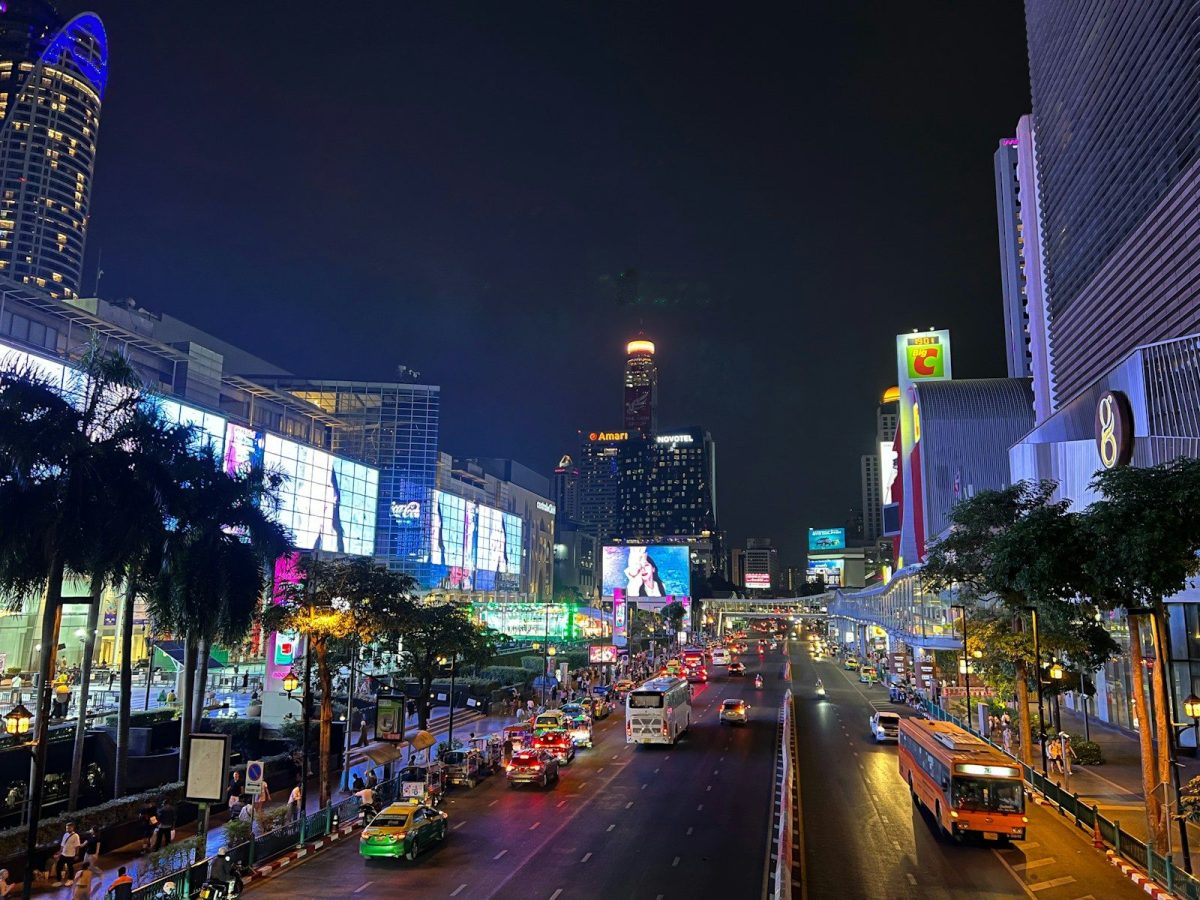
Bangkok sits at the top of the global travel charts in 2026. According to booking data from eDreams, the Thai capital was both the most searched and most booked city in the world this year, pulling ahead of perennial favorites like Paris and Rome. The Grand Palace and Wat Phra Kaew remain architectural achievements worth every minute spent visiting.
The Chatuchak Weekend Market is a sprawling maze of crafts, antiques, and street food that can easily consume an entire afternoon. Then there is the food culture more broadly. Pad thai, mango sticky rice, and spicy curries are available on nearly every street, and the upscale restaurant scene has grown considerably. One planning note: Thailand introduced stricter rules on daytime drinking in 2025, so the nightlife is best approached as an evening affair.
2. Tokyo, Japan
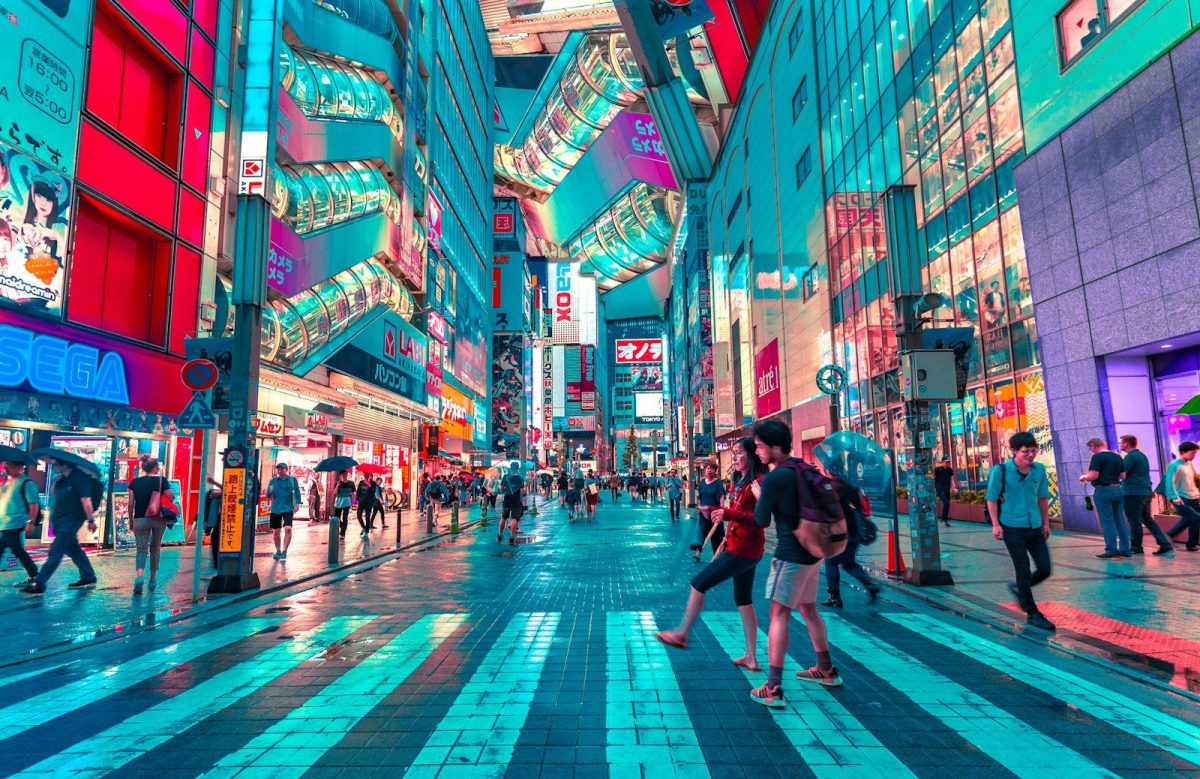
Tokyo consistently delivers, regardless of how many times a traveler has been there. The Shibuya Crossing draws crowds around the clock. Senso-ji Temple in Asakusa offers a quieter, more meditative experience. The food options, from ramen counters to multi-course kaiseki meals, are among the best anywhere in the world.
Centuries-old temples exist alongside immersive digital art installations and cutting-edge architecture, and the efficient subway system makes getting between neighborhoods straightforward. For travelers who want something off the tourist trail, the Yanaka neighborhood offers narrow streets, traditional craft shops, and a pace that feels removed from the city’s more famous districts.
3. Barcelona, Spain
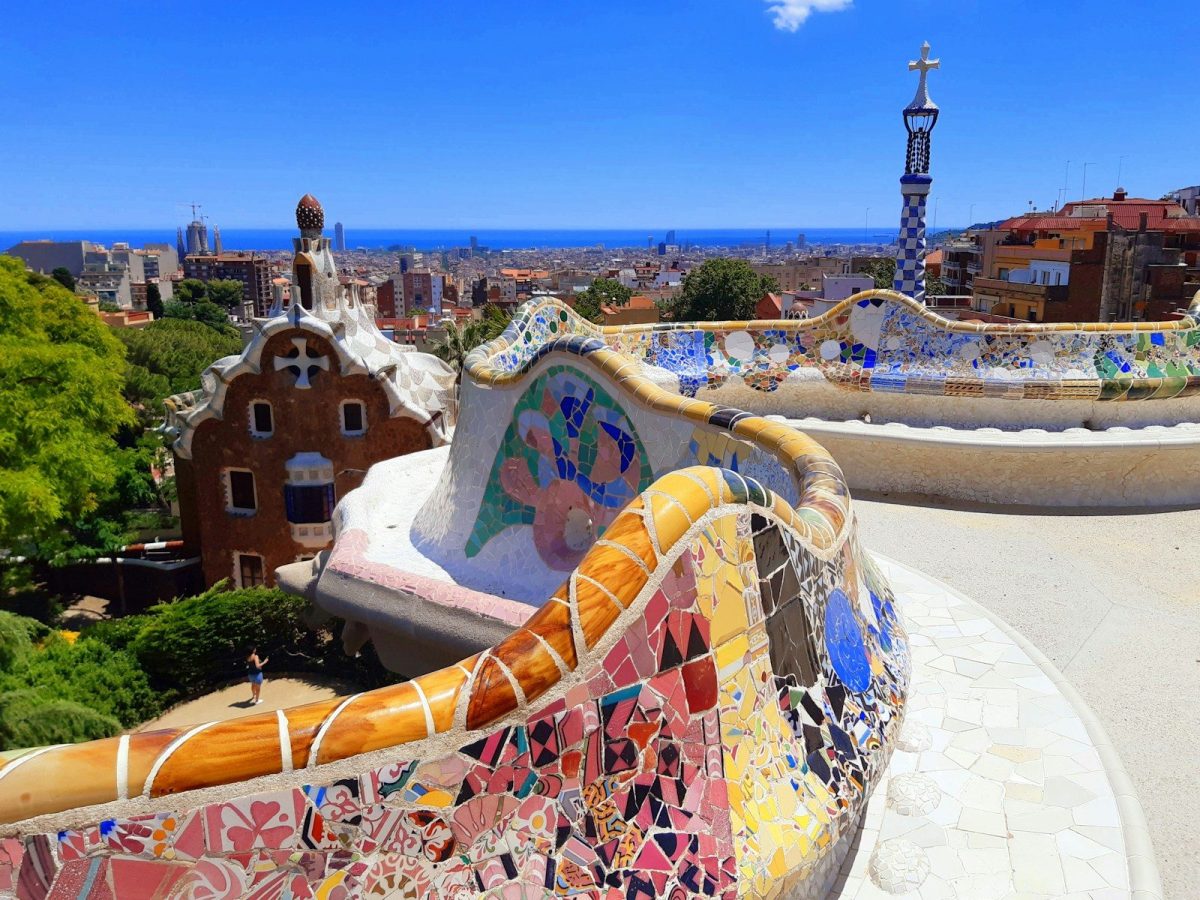
Barcelona ranked fourth globally in 2026 travel bookings and keeps reinforcing its appeal. Antoni Gaudí’s work, including La Sagrada Família, Park Güell, and Casa Batlló, still justifies every minute spent in line. Beyond the landmarks, the city has developed a serious wellness culture, with holistic retreat centers sitting comfortably alongside the beaches and Mediterranean pace that built Barcelona’s original reputation.
The restaurant scene has shifted toward sustainability, with zero-waste kitchens moving from trend to expectation. The Gràcia neighborhood offers a more local experience, with independent restaurants and a noticeably lower tourist density than the Las Ramblas corridor.
4. Medellín, Colombia
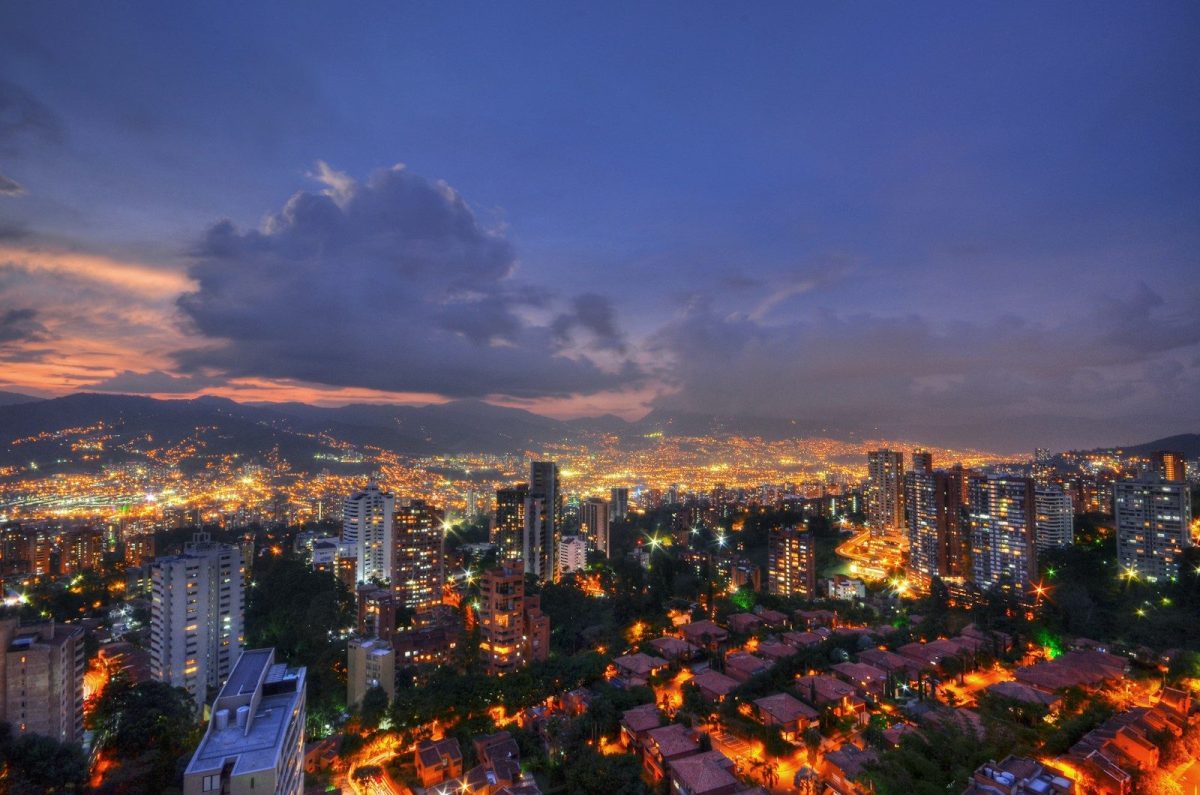
CN Traveller named Medellín one of its top destinations for 2026, and the city has earned that recognition. Set in the Andes mountains, it offers a Metrocable gondola network, street art across entire building facades, and a restaurant scene that ranges from casual neighborhood spots to creative tasting menus.
The nightlife draws a well-traveled crowd. The climate stays comfortable year-round thanks to the city’s altitude, making it an easy destination regardless of the season.
5. Mexico City, Mexico
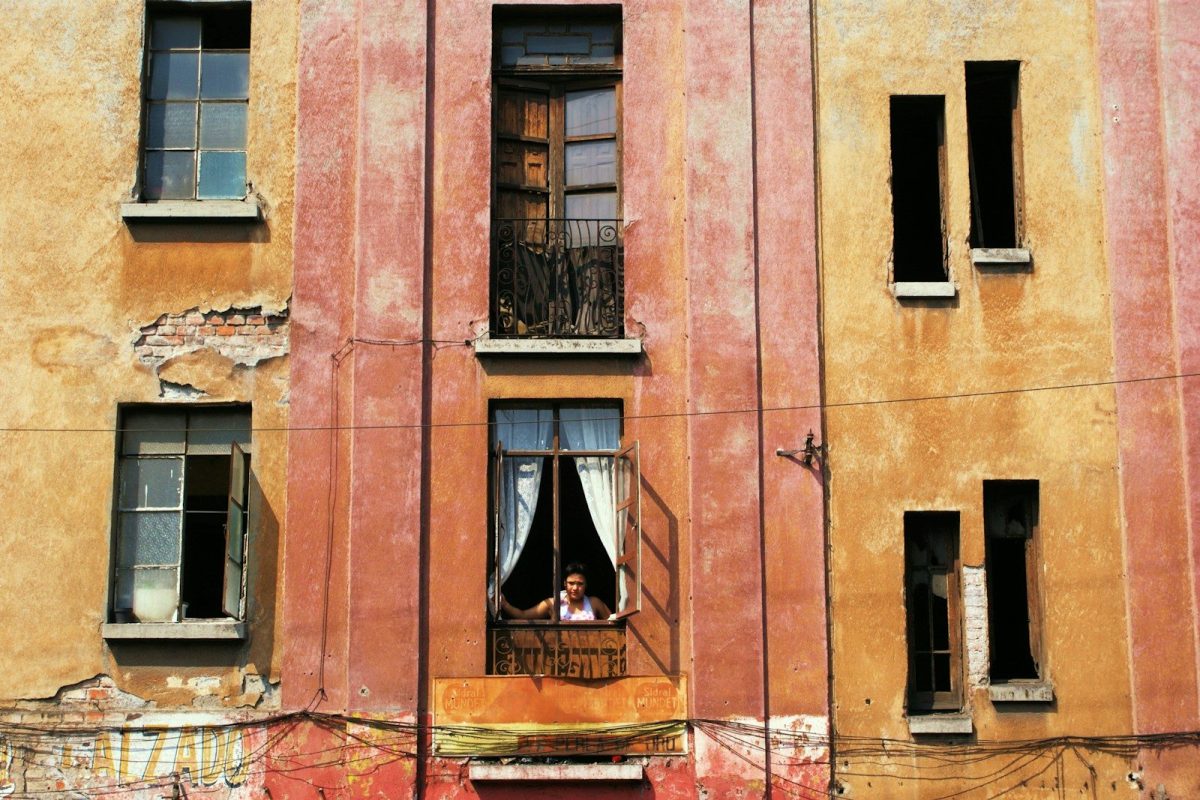
Mexico City rewards every type of traveler. The National Museum of Anthropology holds one of the finest pre-Columbian collections in the world. The Frida Kahlo Museum and Diego Rivera murals draw dedicated art visitors.
Street tacos and traditional market stalls form the accessible foundation of the food scene, while internationally recognized restaurants have put the city among the serious culinary destinations of the Americas. The Roma and Condesa neighborhoods add independent cafés, galleries, and a nightlife energy that stretches well past midnight.
6. Marrakech, Morocco
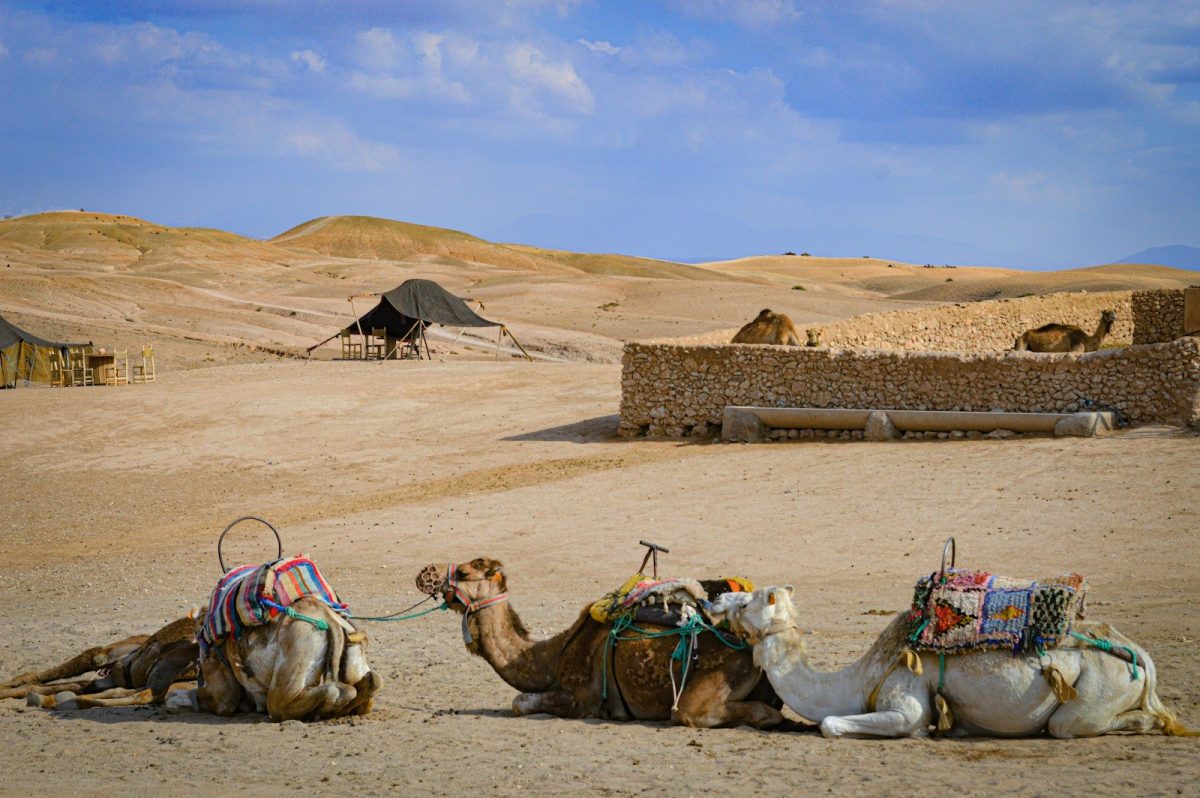
The medina of Marrakech, a UNESCO World Heritage Site, is a living historical district of souks, riads, and narrow alleys that has changed very little over centuries. Djemaa el-Fna square shifts from a daytime craft market into an outdoor gathering of musicians and food vendors by evening.
The Gueliz district adds a modern layer, with contemporary galleries and rooftop restaurants that most short-stay tourists miss. Day trips to the Atlas Mountains take about an hour. Spring and fall are the most comfortable seasons, as summer heat regularly exceeds 100 degrees Fahrenheit.
7. Brussels, Belgium
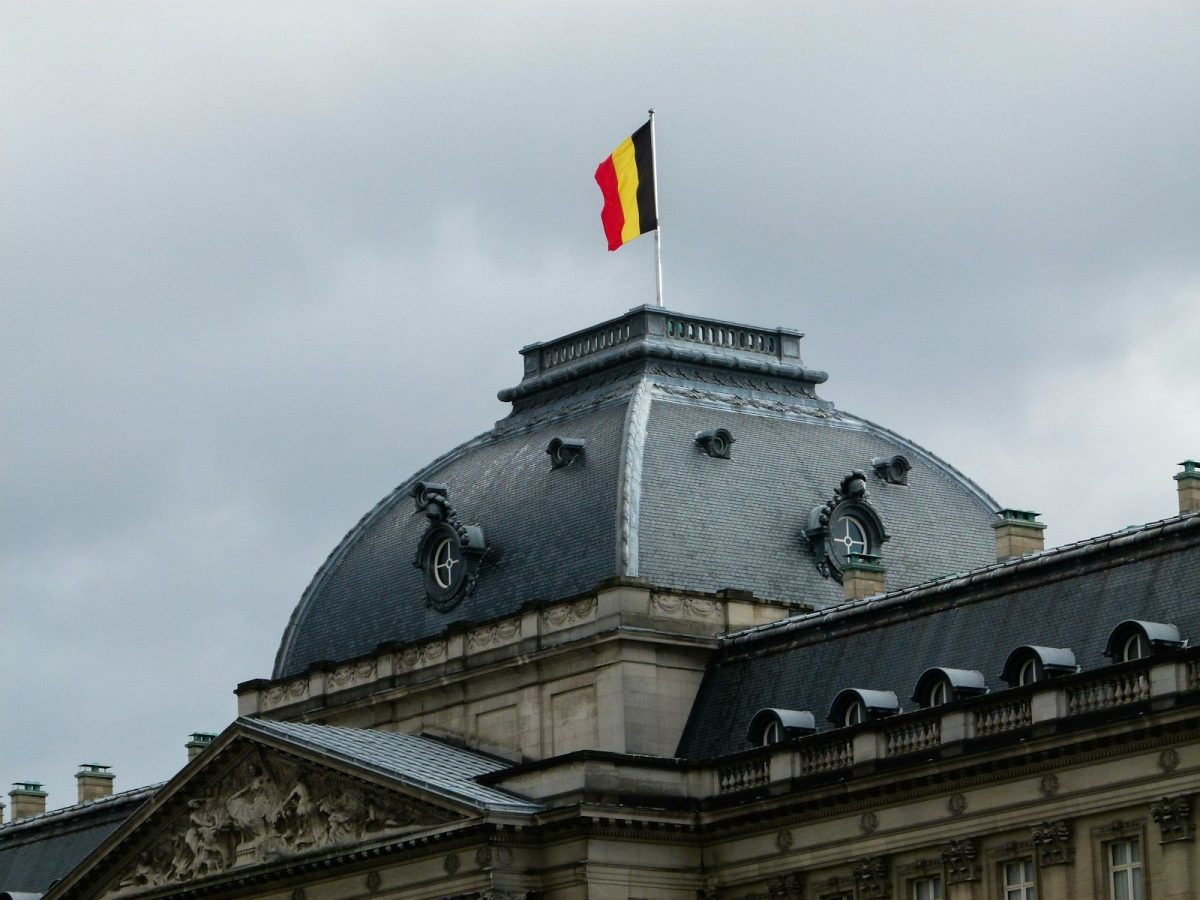
Brussels has been overlooked for years in favor of nearby Bruges and Antwerp, and that reputation is now outdated. The Grand-Place is among the finest public squares in Europe. The Ixelles and Saint-Gilles neighborhoods are lined with Art Nouveau buildings designed by Victor Horta.
Belgian chocolate and beer culture run deeper than the city’s tourist reputation suggests, and the restaurant scene has earned multiple Michelin stars. The Magritte Museum is one of the most focused and least crowded major art museums in Western Europe.
8. Rio de Janeiro, Brazil
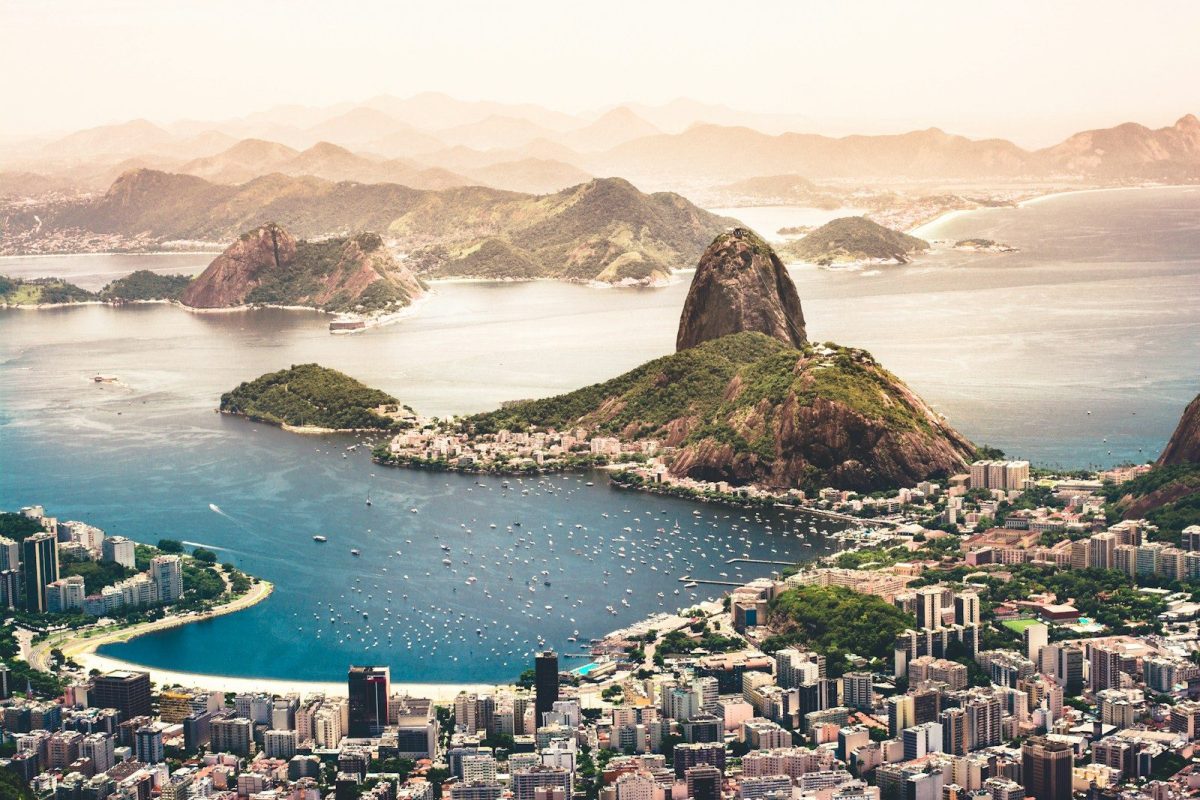
Rio ranked third globally for travel bookings in 2026, with Carnival driving much of that demand. The February celebration is one of the largest events in the world, and flights and hotels for Carnival 2026 should be booked at least six months in advance. Outside of Carnival season, Copacabana and Ipanema remain two of the most famous urban beaches on the planet, backed by the Tijuca rainforest. The Christ the Redeemer statue offers a panoramic view of the city and bay that few overlooks anywhere can match. The Santa Teresa and Lapa neighborhoods add a bohemian, artistic character through local bars, live music venues, and street art.
The Eight Cities
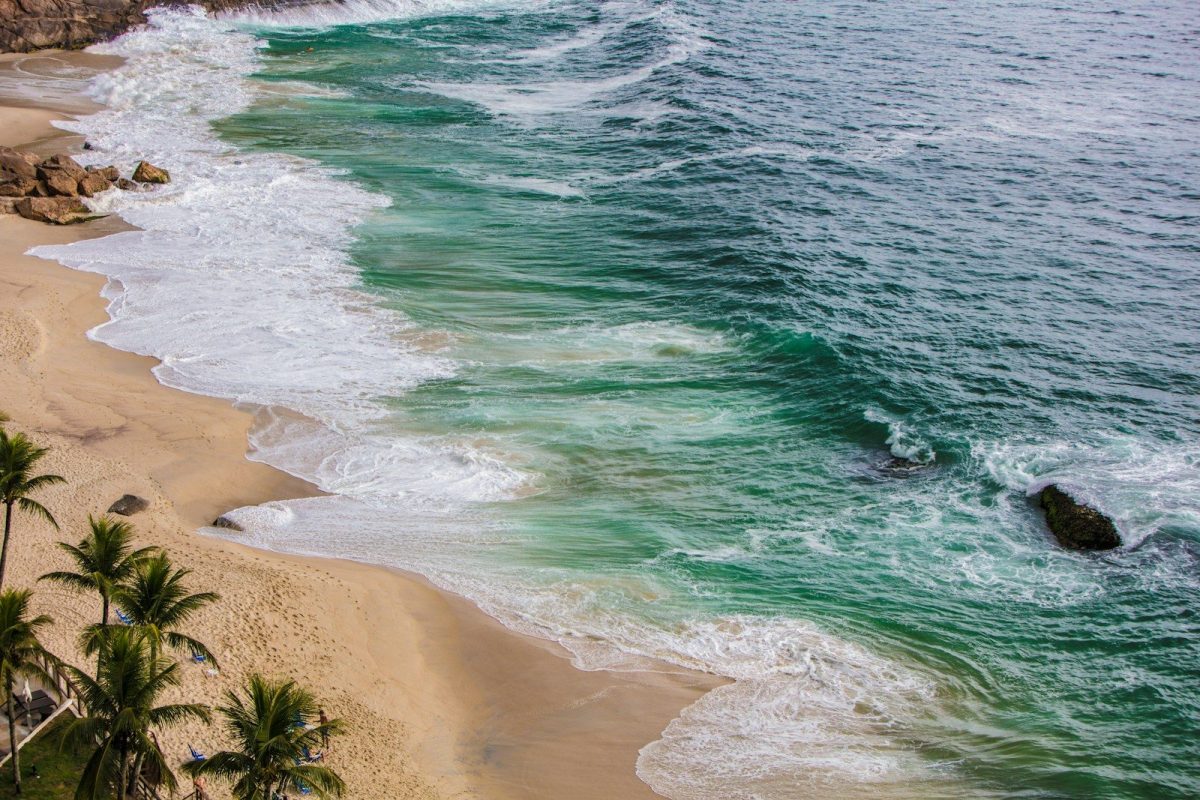
These eight cities span five continents and represent a wide range of experiences. Bangkok and Tokyo set the standard for urban travel in Asia. Barcelona and Brussels are both in periods of genuine reinvention.
Medellín and Mexico City have earned global recognition through sustained investment in culture and food. Marrakech offers historical depth that few cities can match. Rio de Janeiro brings a scale of human celebration that remains unlike anything else on the calendar. For anyone who has been waiting for the right year to go, 2026 makes a strong case.
