
A quick ferry hop should feel easy. The trouble usually starts before the boat leaves the dock.
A short ferry crossing sounds simple until the line starts moving, the ticket is buried, the kids need something from the trunk, or a crew member points you toward a lane you were not expecting. The ride may only last minutes, but the boarding window can feel tight. These five habits make the difference between stepping aboard calmly and spending the whole crossing catching your breath.
The Schedule Screenshot

Screenshot the sailing time, terminal name, and boarding cutoff before you leave reliable service. Ferry terminals can sit in waterfront pockets where reception drops just as you need the details most. A screenshot also protects you from fumbling through email, maps, or a booking app while the lane begins moving.
- Check whether the time shown is departure time or required arrival time.
- Confirm the exact terminal, especially in cities with multiple ferry docks.
- Save the return schedule too, not just the outbound trip.
This habit helps drivers, foot passengers, and families because it turns the first few minutes at the terminal into a quick check instead of a frantic search. What can go wrong is simple: showing up at the right ferry company but the wrong dock, or arriving at departure time after boarding has already closed.
The Ready Ticket
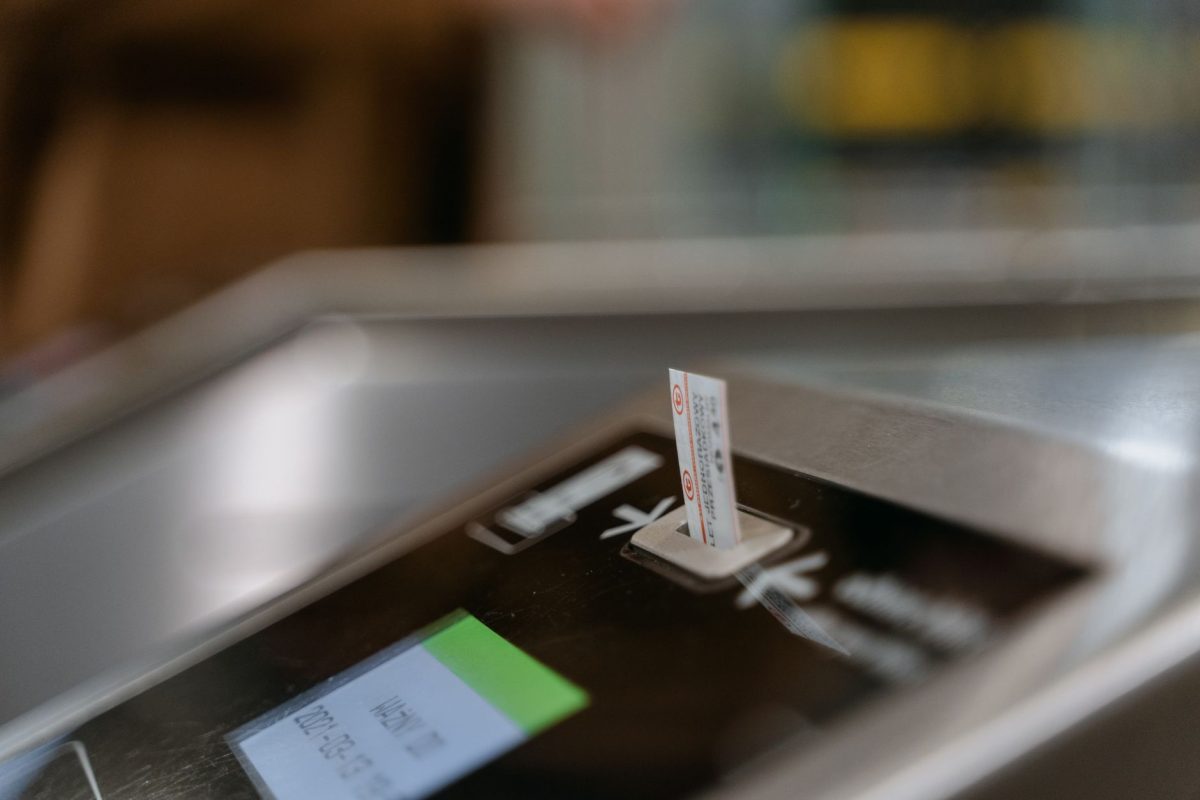
Have the ticket open before you reach the booth or gate. It sounds obvious, but ferry lines often move in short bursts. The delay comes when a passenger reaches the scanner, then starts searching through email, downloading an attachment, adjusting brightness, or asking which barcode is needed.
- Open the ticket before the line starts moving.
- Increase screen brightness if a scanner will be used outdoors.
- Keep a paper backup if your route still supports printed tickets.
This matters because one stalled car or group can ripple backward through a tight boarding window. It also lowers stress for the person driving, who may already be watching lane signals and crew directions. If a booking includes a vehicle and passengers, check that the ticket covers everyone before you reach the front.
The Packed Day Bag
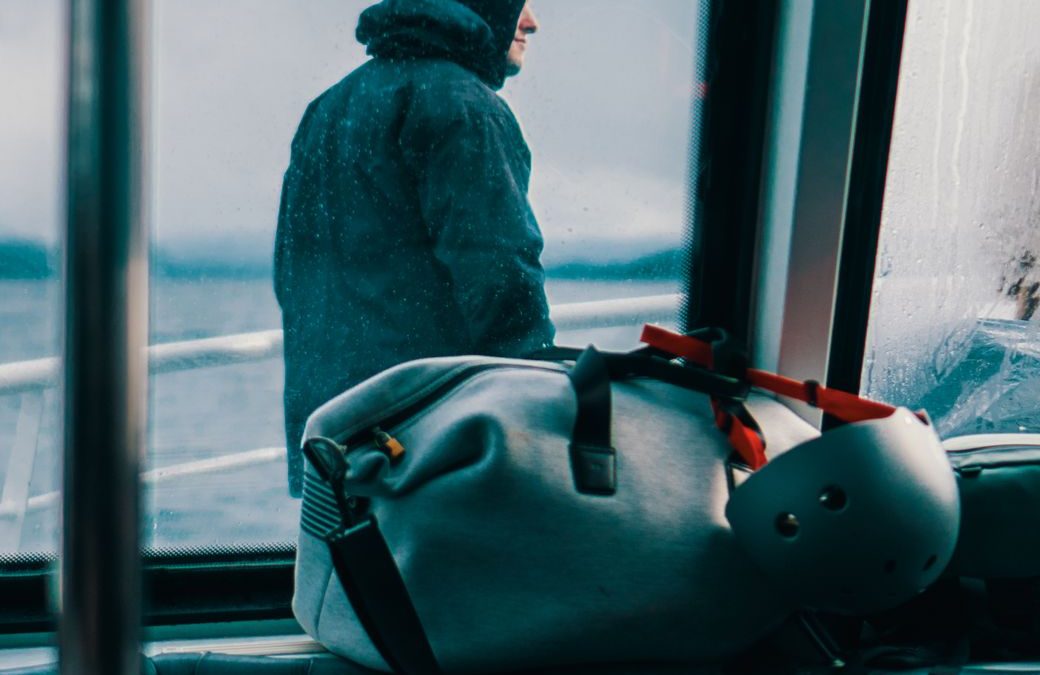
Move the things you may need during the crossing into one small bag before boarding. On many ferries, passengers may be asked to leave vehicle decks or may find it inconvenient to return to the car once parked. Even when staying near the vehicle is allowed, digging through the trunk after boarding can slow people behind you and irritate nearby passengers.
- Pack medications, snacks, sunglasses, chargers, and kids items together.
- Keep jackets handy if the passenger deck is windy or chilly.
- Do not rely on opening a roof box or packed trunk on board.
This habit helps families, older travelers, and anyone making a scenic crossing. The risk is spending a beautiful short ride hunting for a sweatshirt or water bottle instead of enjoying the view, or blocking a narrow vehicle lane while searching for basics.
The Correct Vehicle Lane

Choose the assigned lane, then stay patient when staff reshuffle the line. Ferry loading is not always first come, first loaded. Crews may sort vehicles by reservation type, length, height, destination, hazardous items, motorcycles, bicycles, or the way the vessel needs to be balanced.
- Read lane signs before committing to a queue.
- Tell staff early if you have a bike rack, trailer, roof cargo, or accessibility need.
- Follow hand signals rather than copying the car in front of you.
This matters most for drivers, because a wrong lane can create last-minute reversing, horn honking, or a missed loading sequence. What feels like a shortcut can become the slowest move at the terminal. If directions change, assume there is a loading reason and move slowly, even if another lane appears to be boarding faster.
The Slow Exit Queue
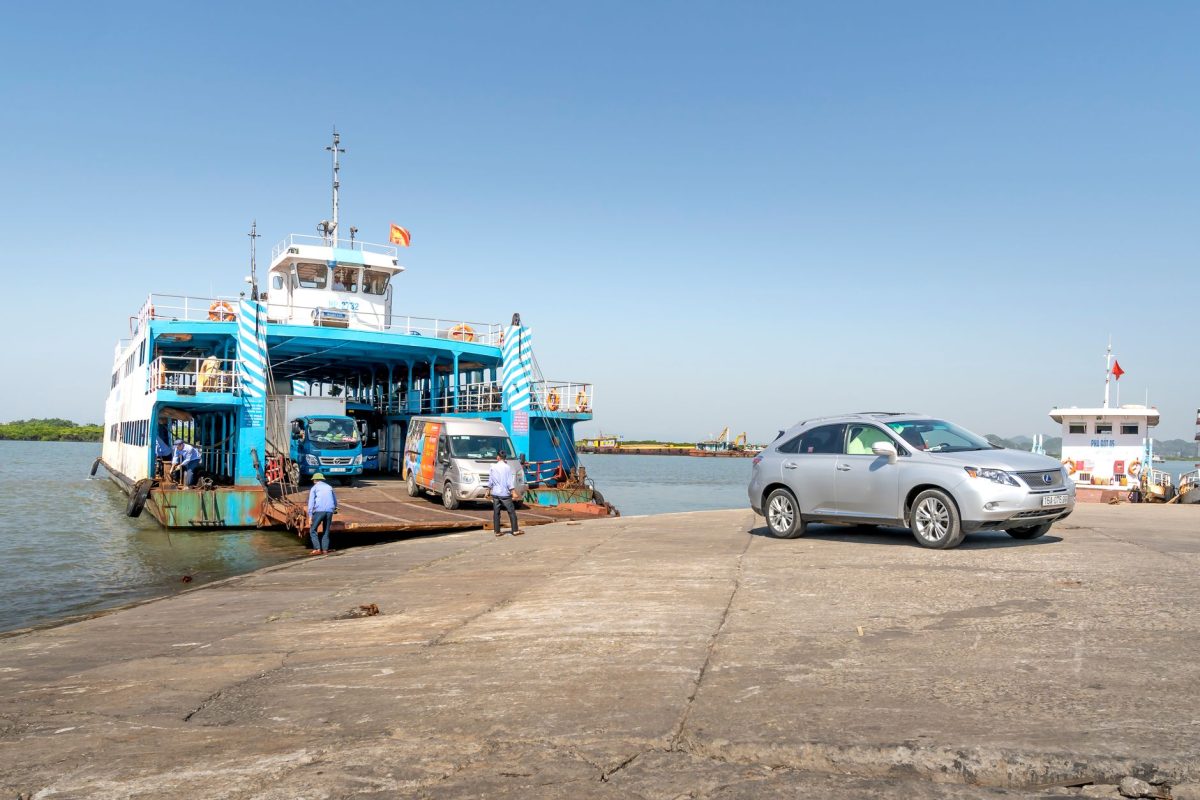
Do not treat docking as the starting gun. The rushed feeling often returns at the end of a short crossing, when drivers start engines too early, passengers crowd stairways, and everyone tries to be first off the boat. Waiting for the crew signal keeps the exit moving in the order the vessel was loaded.
- Gather belongings before the announcement, not during the surge.
- Start the engine only when directed on vehicle ferries.
- Leave room for pedestrians, cyclists, and staff working near the ramp.
This habit helps everyone on board, not just cautious travelers. A blocked stairwell or impatient vehicle can slow the entire disembarkation. It also protects your next step after arrival, whether that is a tight drive, a hotel check-in, or meeting someone at the dock. Calm exits make short crossings feel short in the best way.
Ferry trips rarely fall apart because the crossing is long. They get tense because small decisions pile up before and after boarding. Save the schedule, open the ticket, pack what you need, use the right lane, and wait for the exit cue. Those five habits give you more of the one thing a short ferry ride should have: a few calm minutes on the water.
