
Some places on Earth feel so strange that they almost do not seem real.
The Hapcheon impact crater in South Korea is one of those places. It is not just a mark left by an asteroid. It may also hold clues about how life began on our planet.
Scientists have found unusual rock layers inside the crater. These layers are linked to tiny living things from long ago. They also found traces of material that may have come from space.
For travelers who love science, nature, and hidden places, this crater is a reminder that Earth still has many secrets.
1. It Is the Only Confirmed Asteroid Crater on the Korean Peninsula
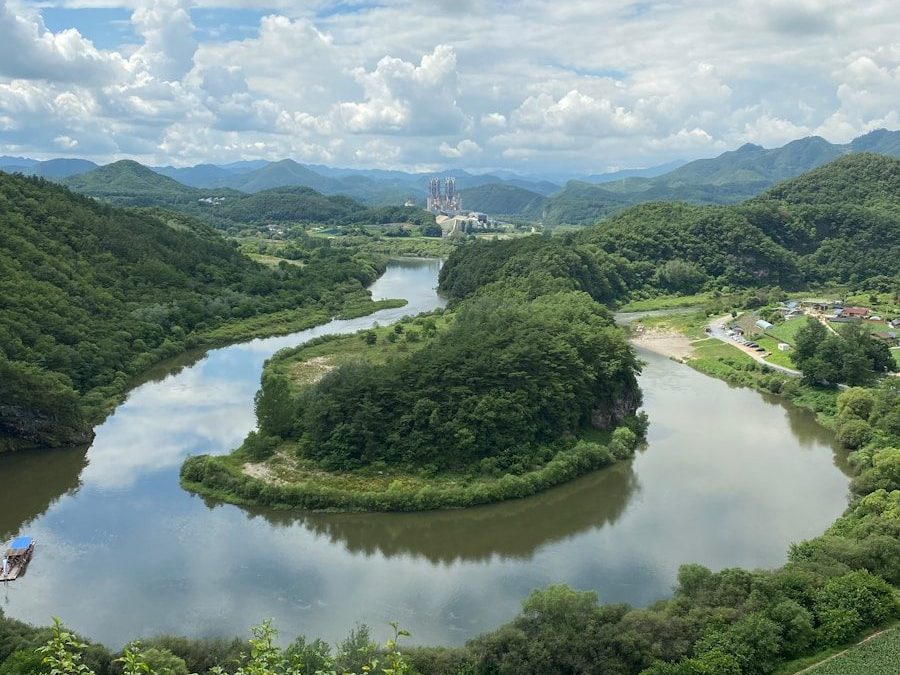
The Hapcheon impact crater is special because it is the only confirmed asteroid crater on the Korean Peninsula.
That means it was formed when a space rock crashed into Earth millions of years ago. The impact changed the land and created a deep area that later became filled with water.
Today, this place is not just important for science. It also gives travelers a chance to imagine a huge event from Earth’s distant past.
Standing near a place like this can feel very different from visiting a normal mountain, lake, or valley. It has a story that began far beyond our planet.
2. The Crater May Have Once Held a Hot Ancient Lake
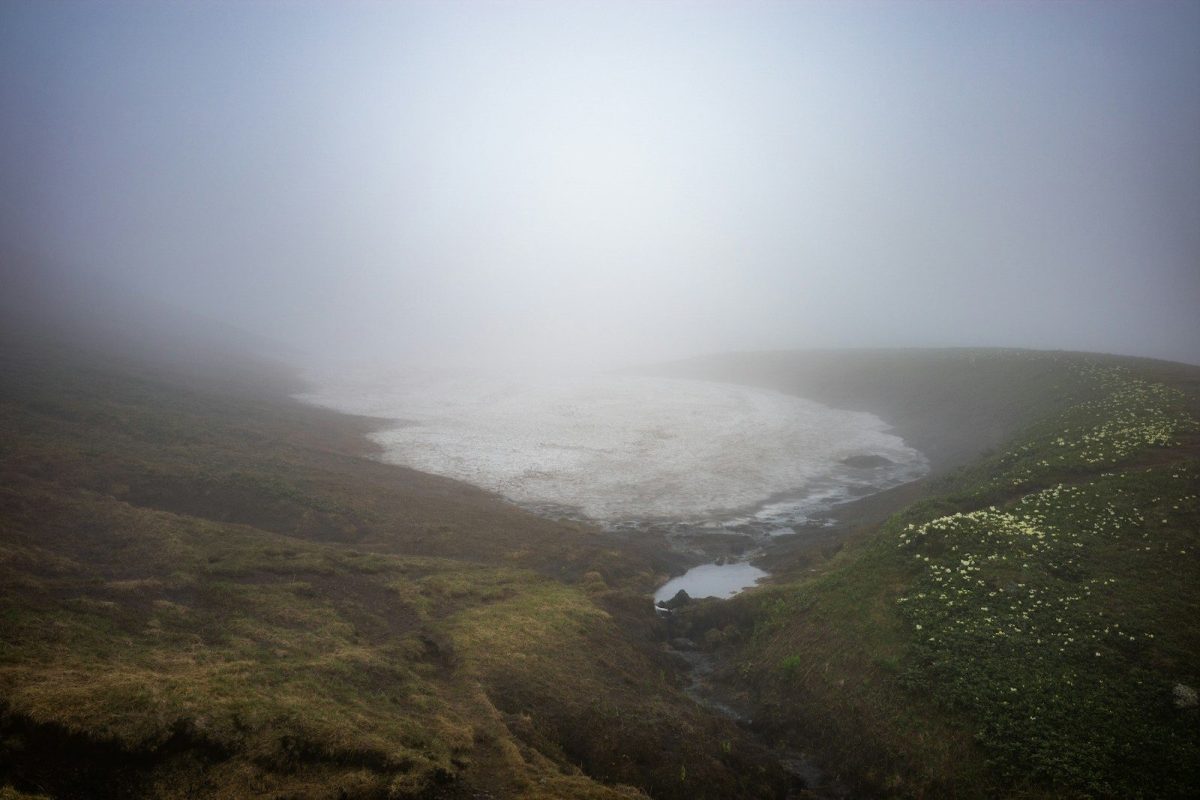
After the asteroid hit, the crater likely turned into a lake.
But this was not an ordinary lake. Scientists believe it was warm and full of minerals. Heat from melted rock under the crater may have kept the water hot for a long time.
This kind of place could have been very good for tiny life forms.
For travelers, that makes the crater more than a scenic spot. It becomes a natural time capsule. It shows how water, heat, rock, and space material may have worked together long ago.
3. Strange Layered Rocks Were Found Inside It
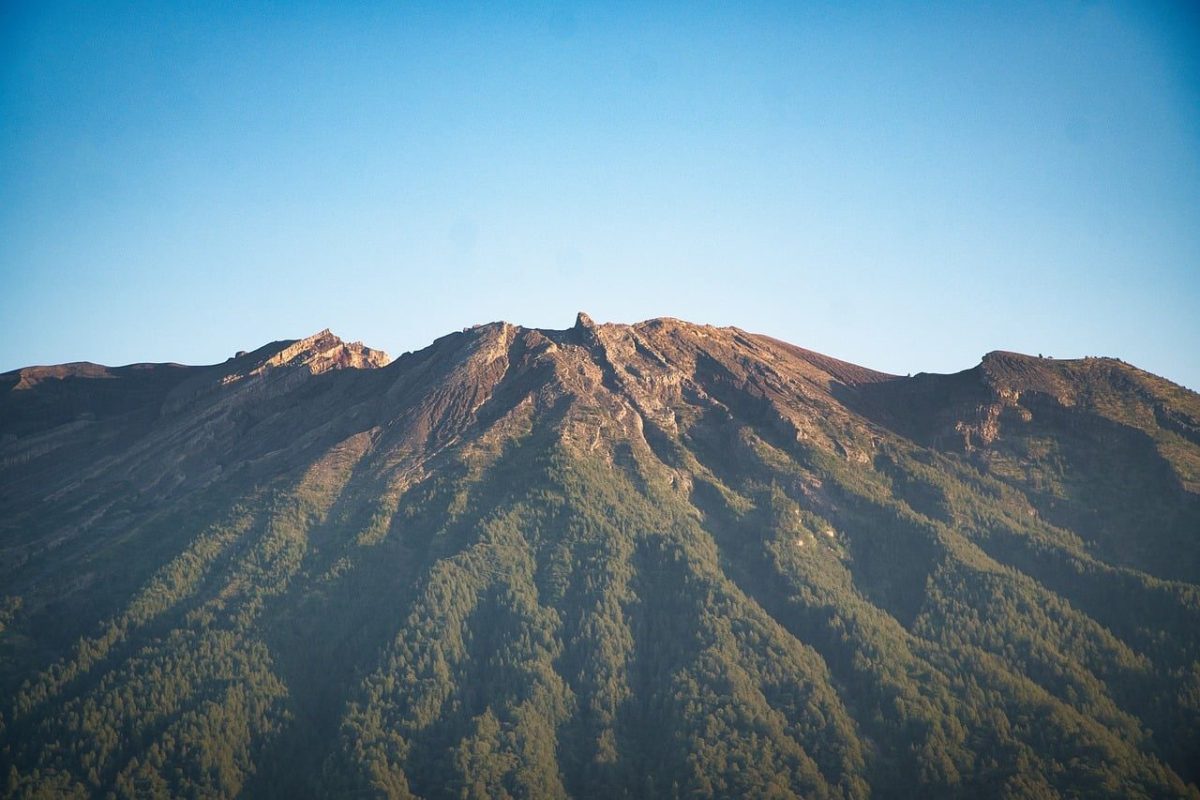
Researchers found layered rock shapes called stromatolites inside the crater.
These rocks are important because they are made by groups of microbes. Microbes are tiny living things that are too small to see with the eye.
Stromatolites are also some of the oldest signs of life on Earth.
That is what makes this find so exciting. It means this crater was not just a scar from a space crash. It may have also been a home for early life.
4. Space Material Was Found Mixed in the Rocks
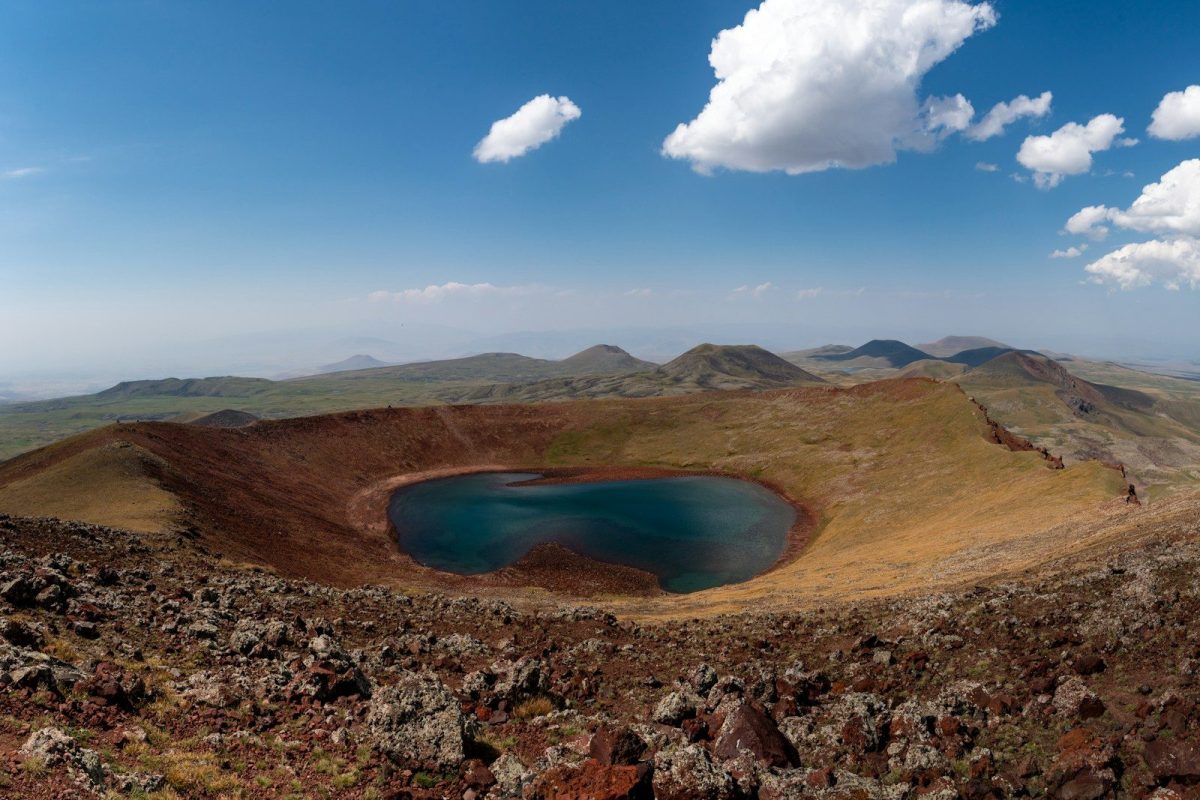
One of the biggest surprises was the discovery of extraterrestrial material inside the rock layers.
Extraterrestrial simply means it came from outside Earth.
This does not mean aliens were there. It means small traces of material from space were found in the rocks.
Still, it is a fascinating idea. A place on Earth may hold both signs of ancient life and material from space in the same location.
For anyone who enjoys space stories, this makes Hapcheon feel like a real-life science mystery.
5. The Crater May Have Helped Tiny Life Grow
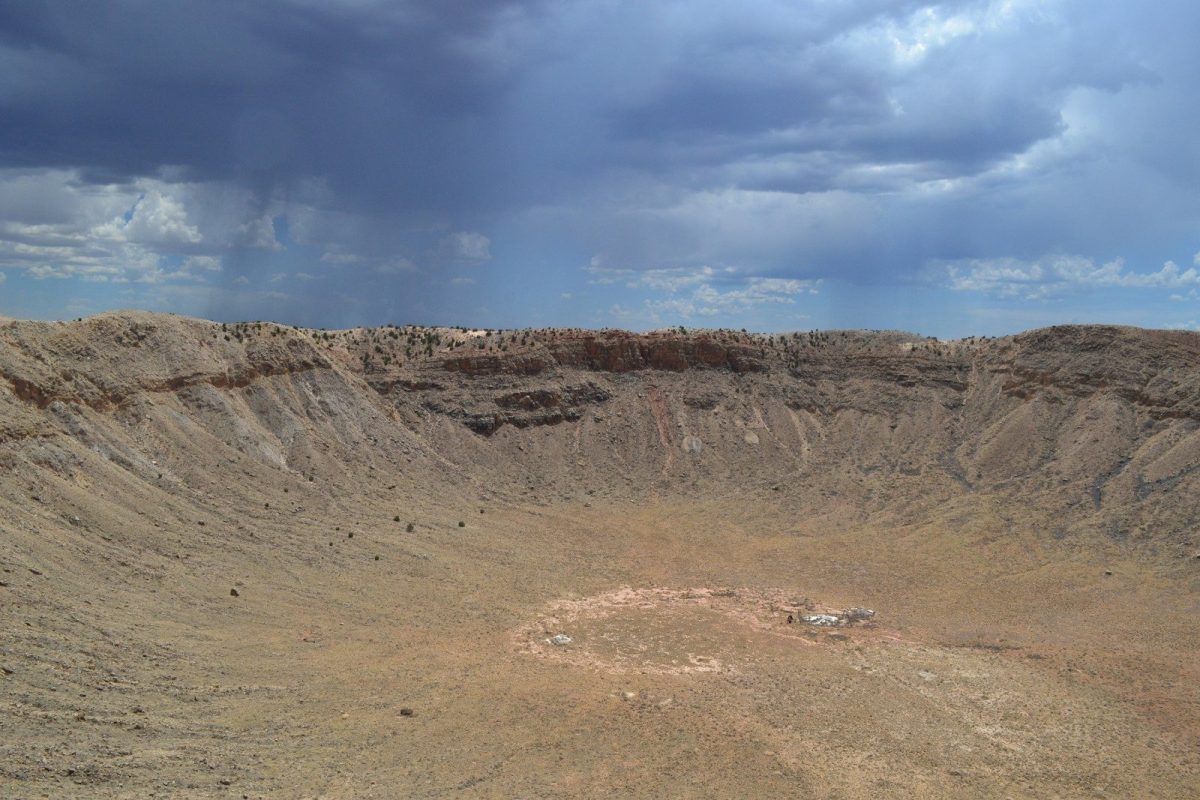
Scientists now think the crater may have acted like a natural incubator.
An incubator is a place that helps something grow. In this case, the warm lake inside the crater may have helped microbes live and spread.
The hot water, minerals, and protected crater shape may have created the right conditions.
This idea is important because it raises a big question. Did asteroid impacts help create places where early life could grow?
That question makes this crater interesting not only for scientists, but also for curious travelers.
6. It Connects Travel With Big Questions About Life
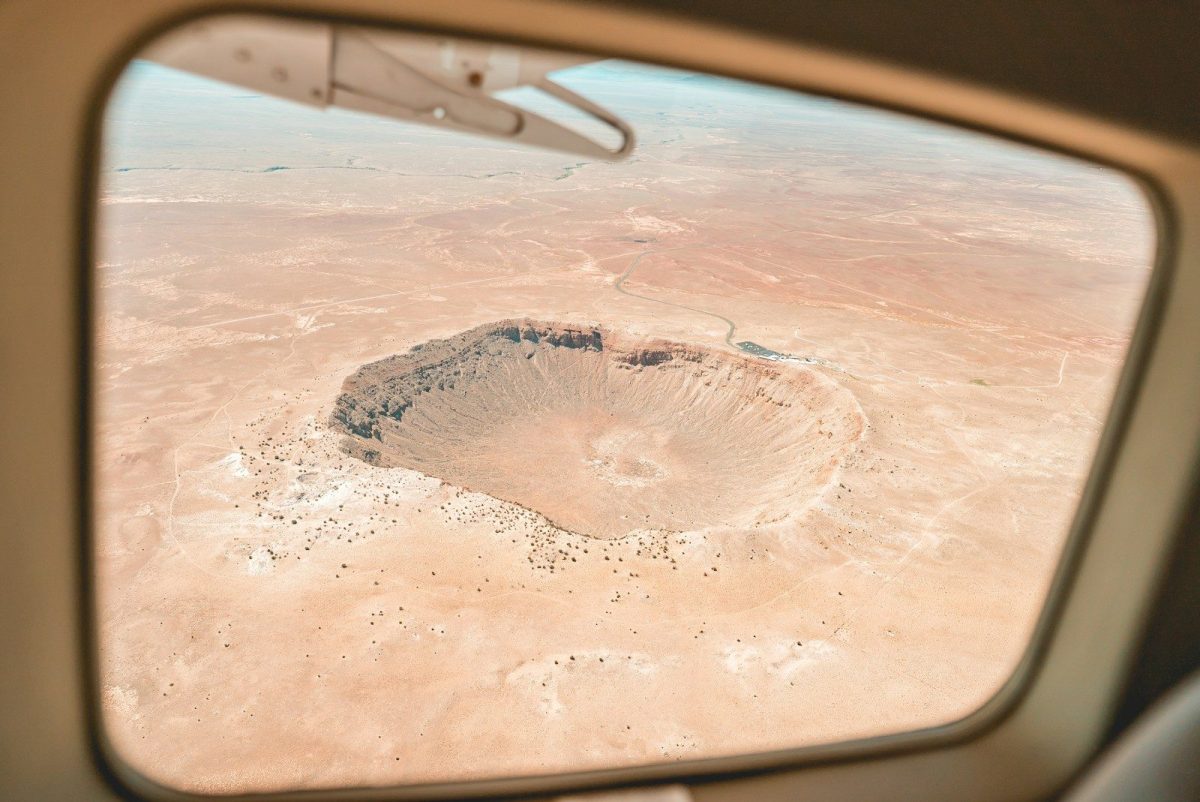
Most travel stories are about food, beaches, cities, or mountains.
But some places make people think about bigger things.
The Hapcheon crater is one of those places. It connects travel with space, science, and the start of life on Earth.
A visit to a place like this is not just about taking photos. It is about seeing a landscape that may help explain how life survived in harsh conditions long ago.
It reminds us that Earth’s history is much deeper than what we see on the surface.
7. It Could Become a Must-Visit Spot for Science Lovers
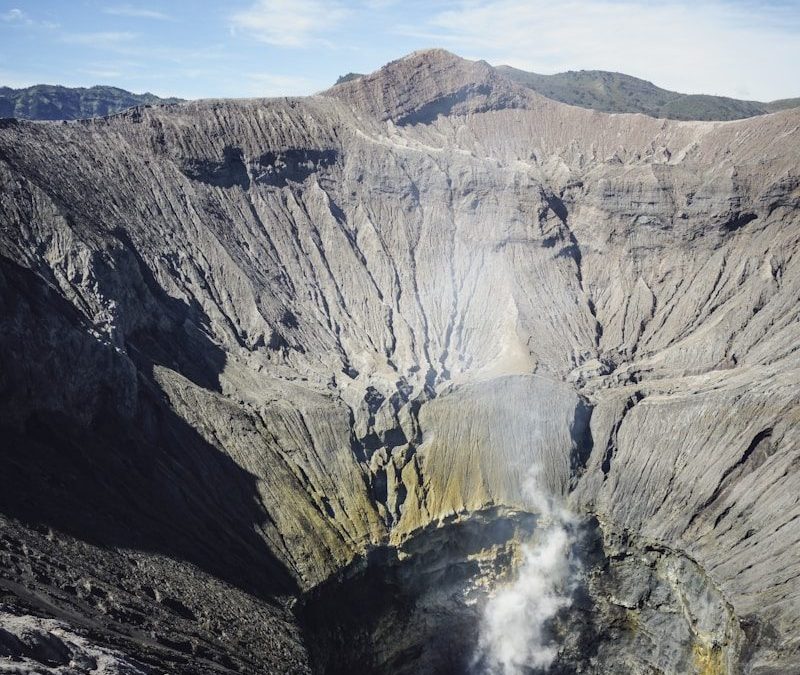
South Korea is already known for its cities, culture, food, temples, and natural beauty.
But the Hapcheon impact crater adds something different to the travel map.
It offers a rare kind of attraction. It is a place where geology, space history, and the story of life meet.
Travelers who enjoy unusual places may find it especially interesting. It is not just another pretty view. It is a place with a hidden past.
As more people learn about this discovery, the crater could become a special stop for visitors who want something beyond the usual tourist route.
A Place That Makes Earth Feel Mysterious Again
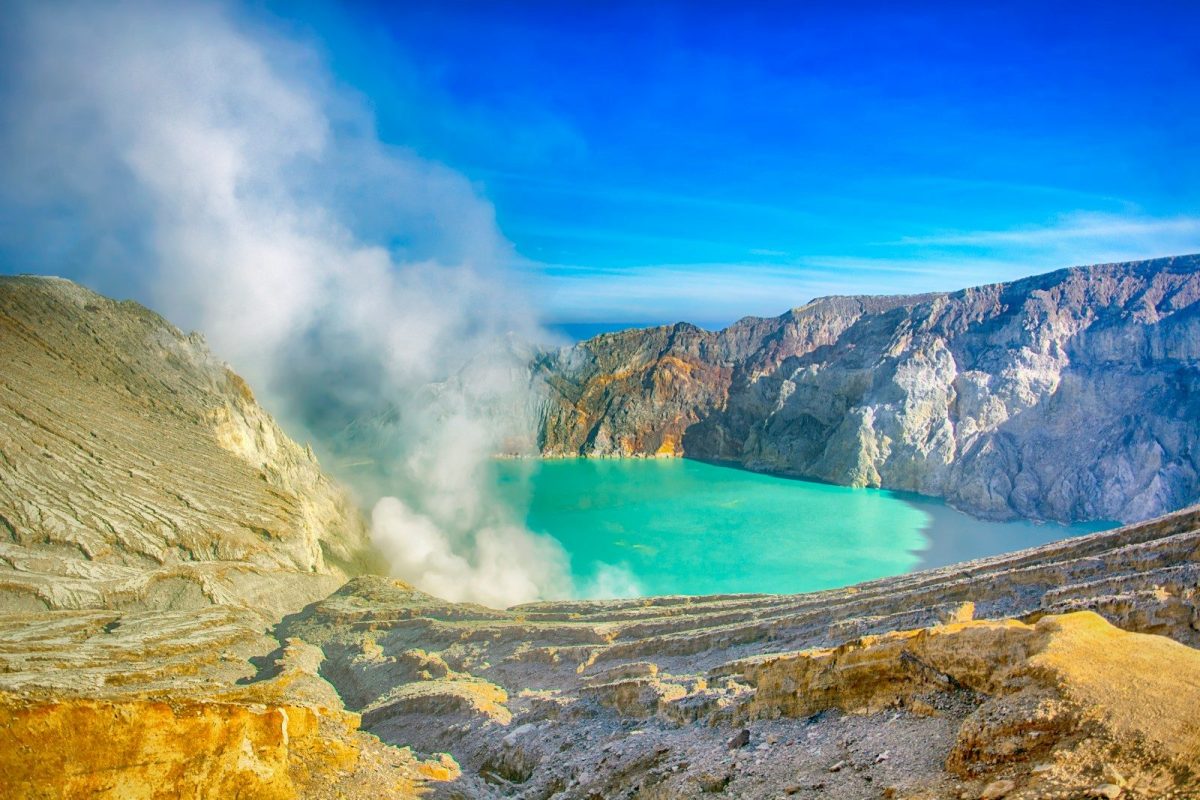
The discovery inside the Hapcheon crater shows that Earth still has many stories to tell.
A long-ago asteroid crash may have created a warm lake. That lake may have helped tiny life forms grow. And inside the same rocks, scientists found traces of material from space.
That is what makes this place so powerful.
It is not just a crater. It is a reminder that travel can take us into the past, deep into Earth, and maybe even closer to the story of life itself.
