
Every year, millions of travelers venture beyond major tourist routes and into regions facing significant safety challenges. Armed conflict, political instability, organized crime, and weakened infrastructure have made some destinations especially risky in 2026.
This list focuses on awareness and preparation. Conditions in several of these countries have changed rapidly in recent years, and travel risks can shift quickly. Official travel advisories should always be reviewed before planning a trip to any high-risk destination. Many of the locations listed below currently carry Level 4 or equivalent travel warnings from multiple governments. Conditions can vary significantly within each country, and some regions may remain safer than others.
1. Ukraine
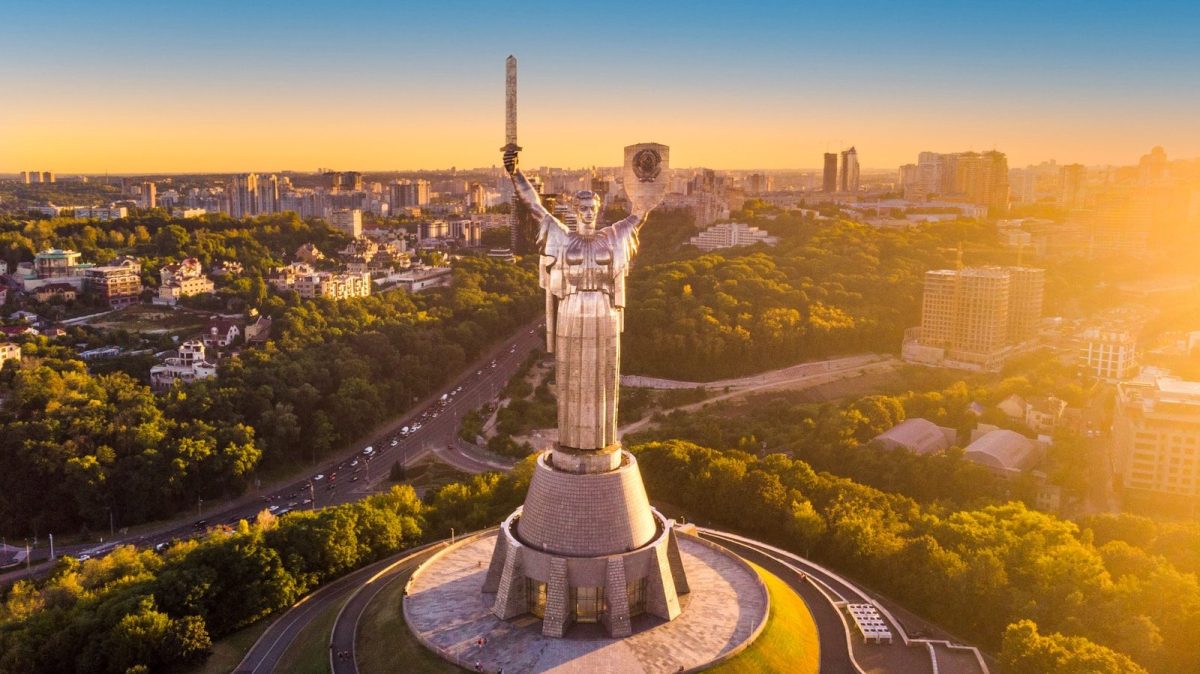
More than three years after Russia’s full-scale invasion, Ukraine continues to face ongoing security concerns. Frontline regions in the east and south experience regular shelling, drone strikes, and long-range attacks. Cities far from the front lines can also face periodic air strikes.
Kyiv continues to experience air raid alerts, and attacks have affected power systems, hospitals, and other infrastructure. Some journalists, aid workers, and business travelers continue operating in western Ukraine, but security conditions remain unpredictable throughout the country.
2. Mali
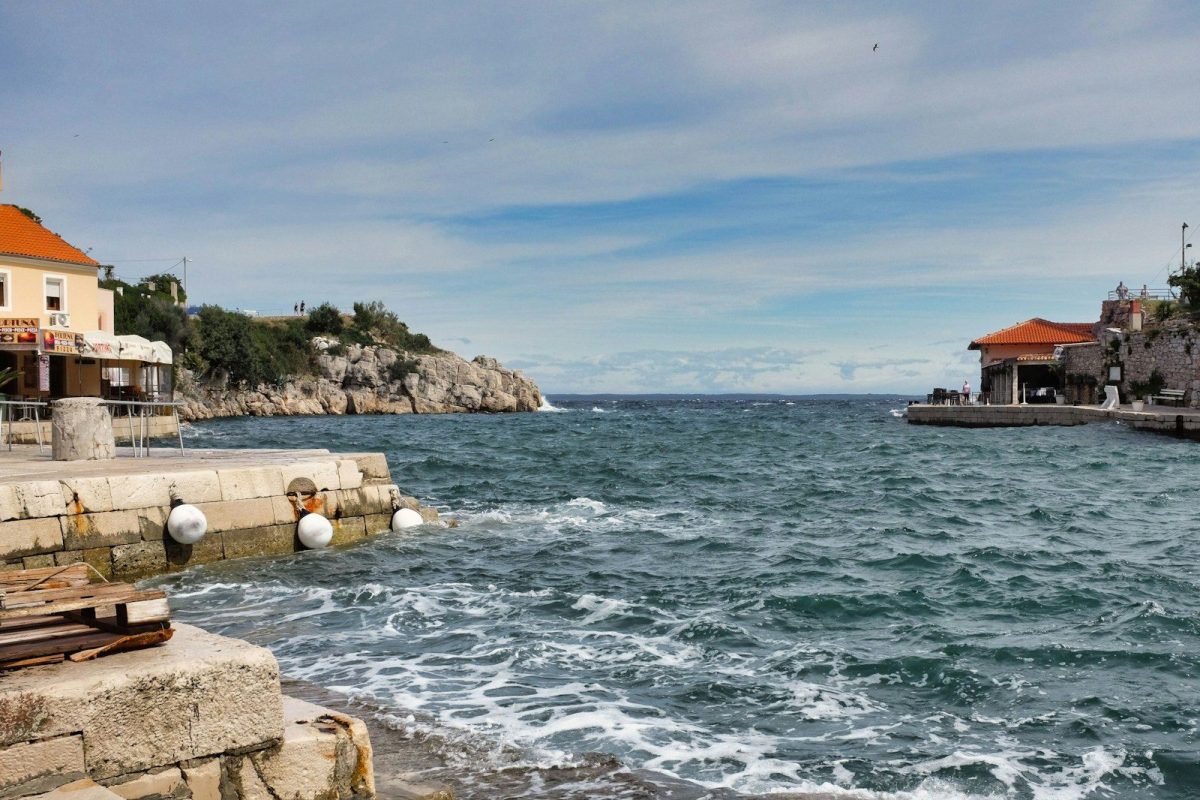
Mali continues to face security challenges tied to armed groups and political instability. Armed extremist groups operate across large sections of the country, particularly in northern and central regions.
Following the withdrawal of French forces, Mali’s military government expanded cooperation with Russian security contractors. Security conditions for civilians and travelers remain challenging. Security incidents affecting civilians and transportation routes continue to occur.
3. Yemen
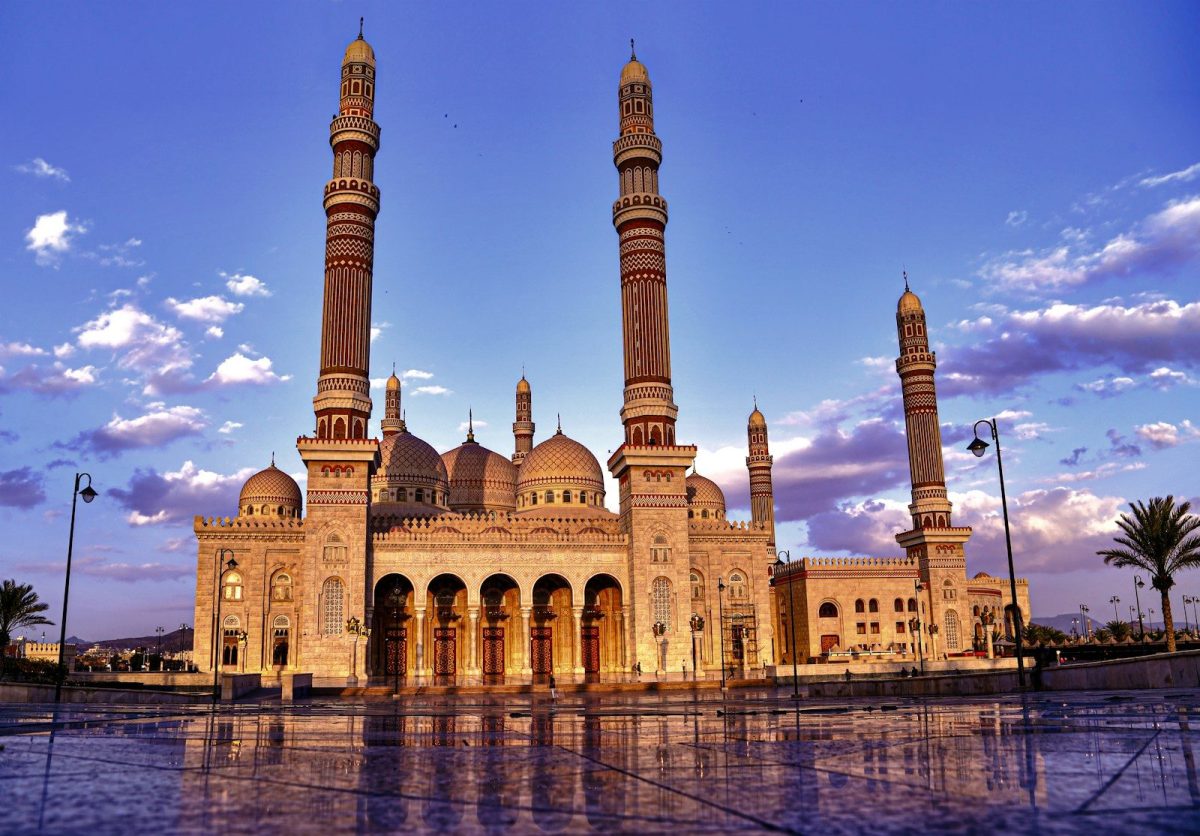
Yemen’s civil war has contributed to one of the world’s most severe humanitarian crises. Fighting between Houthi forces, government troops, and other armed factions has damaged infrastructure across much of the country.
Travel risks remain extremely high. Damaged infrastructure, security checkpoints, and limited medical services, and limited medical services create serious challenges for visitors. Foreign nationals have been kidnapped during the conflict, and security conditions can change rapidly. Aid organizations operating in Yemen typically rely on strict security procedures and limited-access zones.
4. Haiti
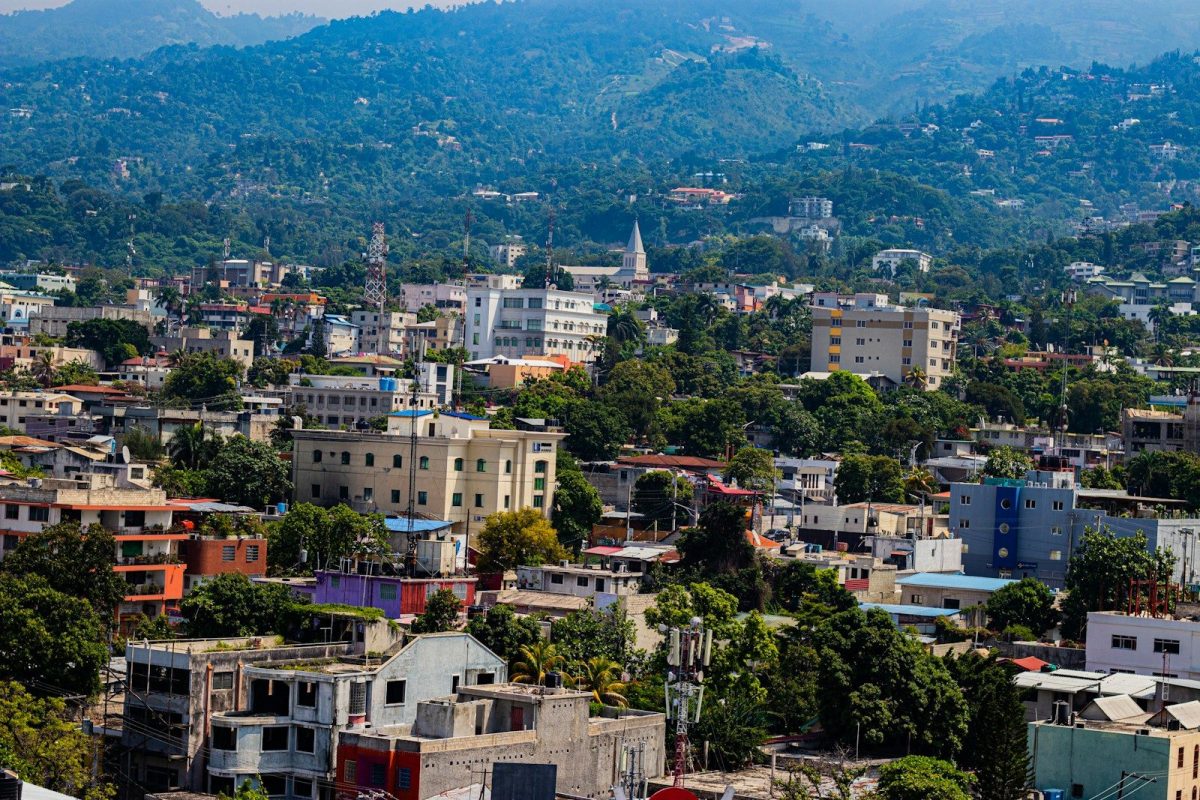
Haiti’s security crisis has worsened significantly in recent years. Armed groups continue operating in parts of Port-au-Prince and several major transportation routes. Serious crime incidents have affected both locals and foreigners.
Police, courts, and healthcare systems have struggled under years of instability. International security efforts have faced difficulties containing the violence, and some areas remain outside full government control. Several foreign governments continue to maintain their strict travel advisories for Haiti.
5. Somalia
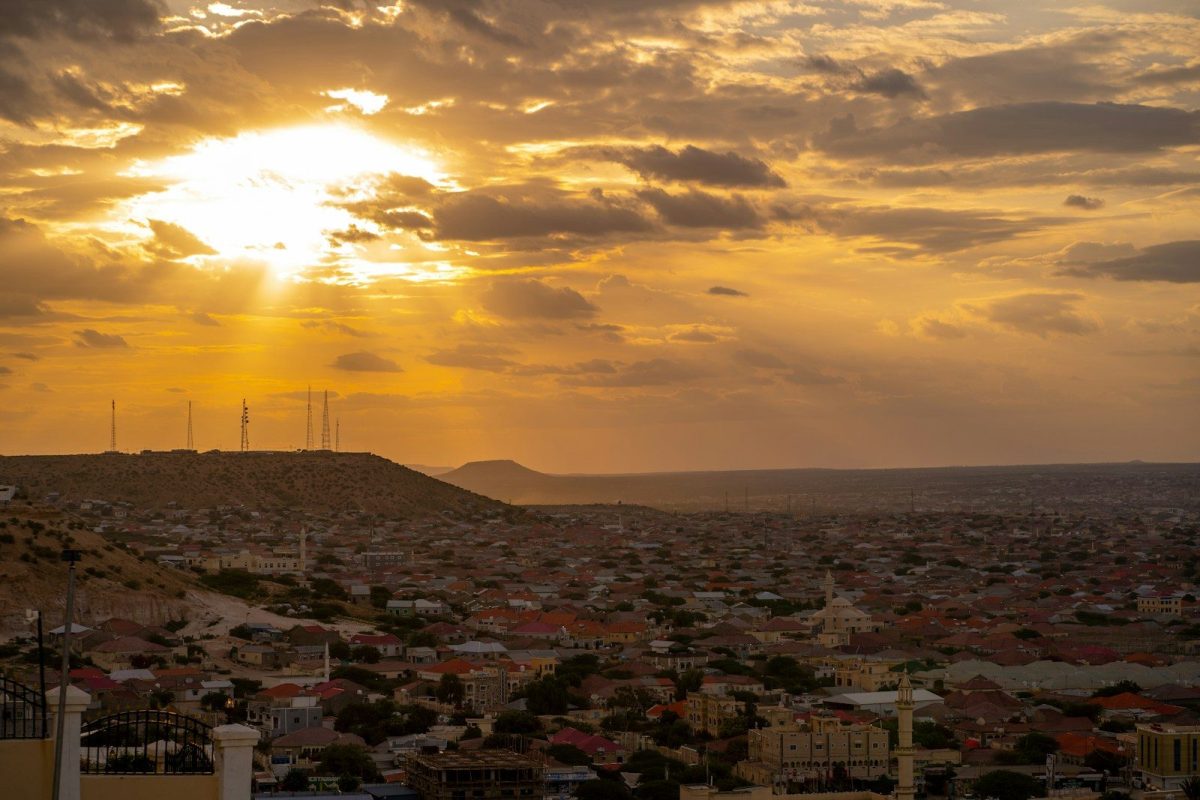
Somalia continues to face serious instability despite ongoing counterterrorism operations. Mogadishu still experiences security incidents affecting public areas and government facilities.
Outside major urban areas, Al-Shabaab maintains influence in several regions. Piracy near the Somali coast has also shown signs of increasing after years of decline. Somaliland in the north has maintained relatively stronger security conditions than much of Somalia, though it remains internationally unrecognized.
6. Honduras
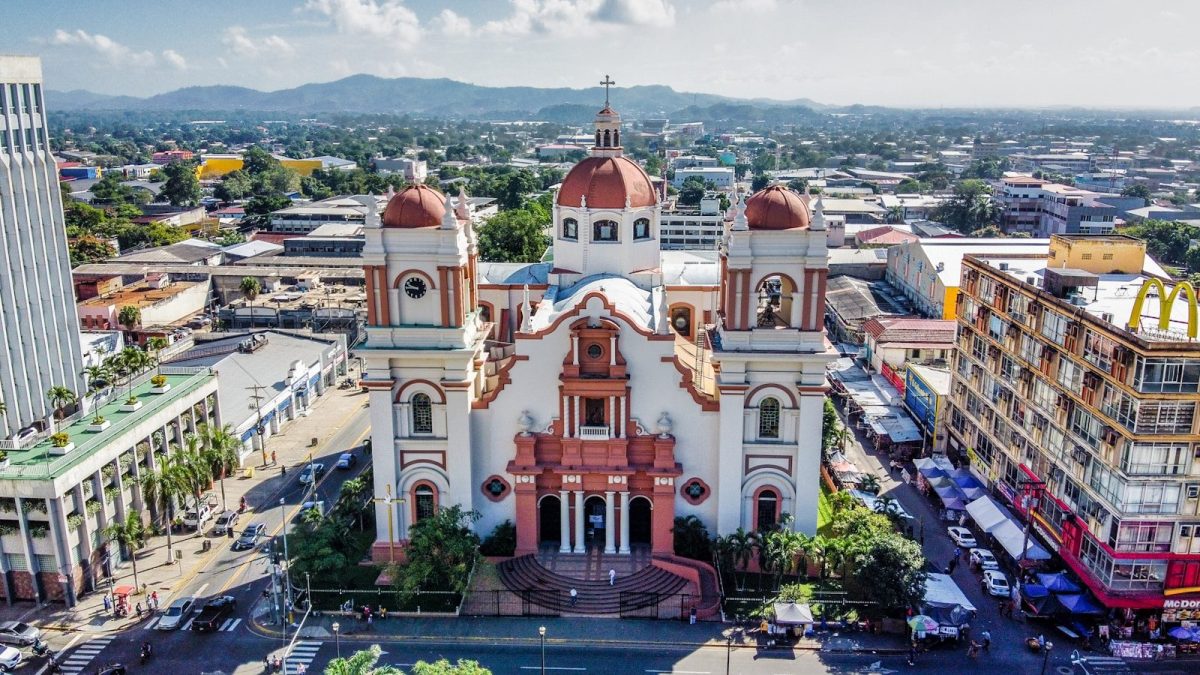
Honduras is not experiencing war, but the country continues to struggle with high levels of violent crime and gang activity. Cities such as San Pedro Sula and Tegucigalpa have faced ongoing concerns involving street crime, carjackings, and kidnappings. Drug trafficking networks have also contributed to corruption within parts of law enforcement.
The Bay Islands, including Roatán, are generally considered safer than some mainland areas and continue attracting tourists and divers. Travelers are still encouraged to exercise caution throughout the country.
7. Afghanistan
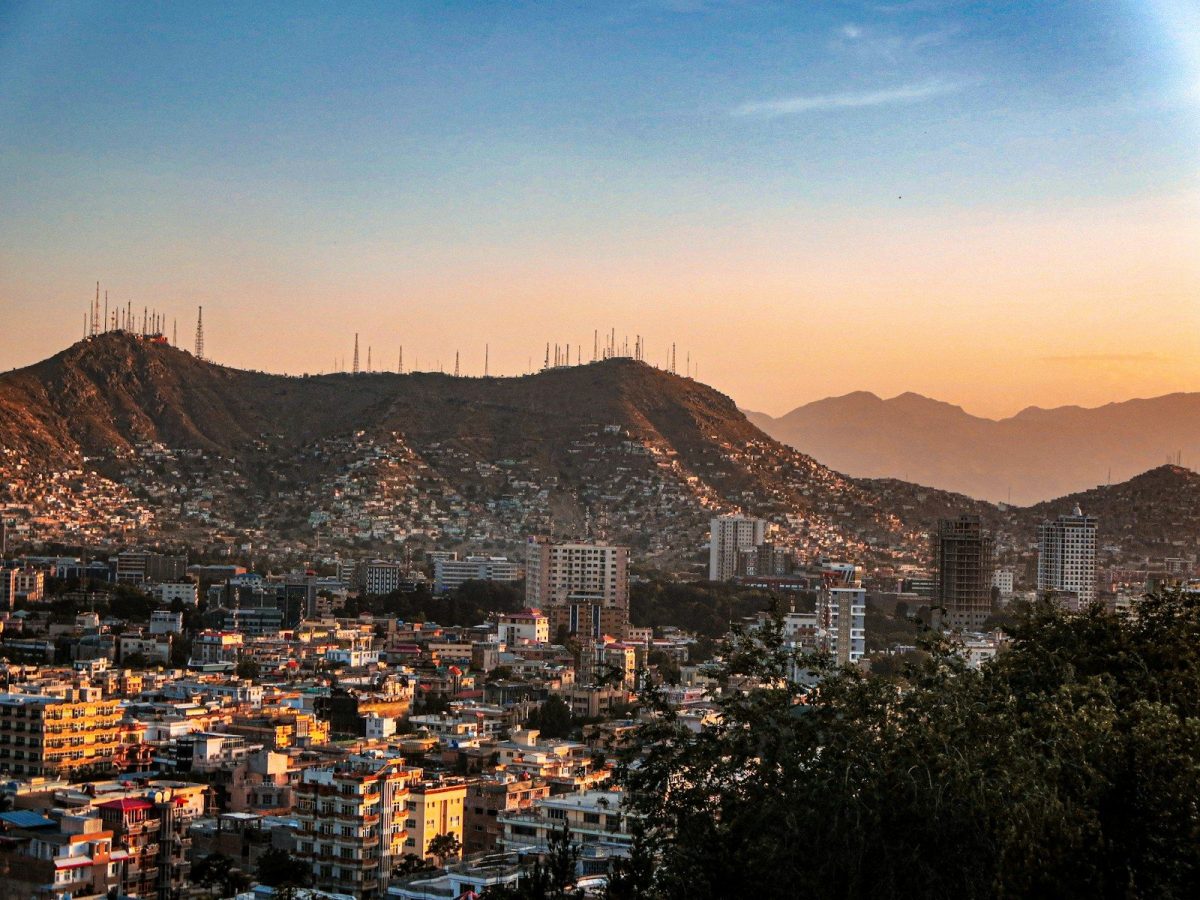
Since the Taliban returned to power in 2021, Afghanistan has faced ongoing security threats and severe humanitarian challenges. Security incidents continue to occur in several regions of the country.
Foreign travelers face elevated risks because many Western governments no longer maintain diplomatic operations inside the country. Emergency assistance may be extremely limited. Reports involving the detention of foreign nationals have also raised concern. Millions of Afghans continue facing food insecurity and economic hardship.
8. Sudan and South Sudan
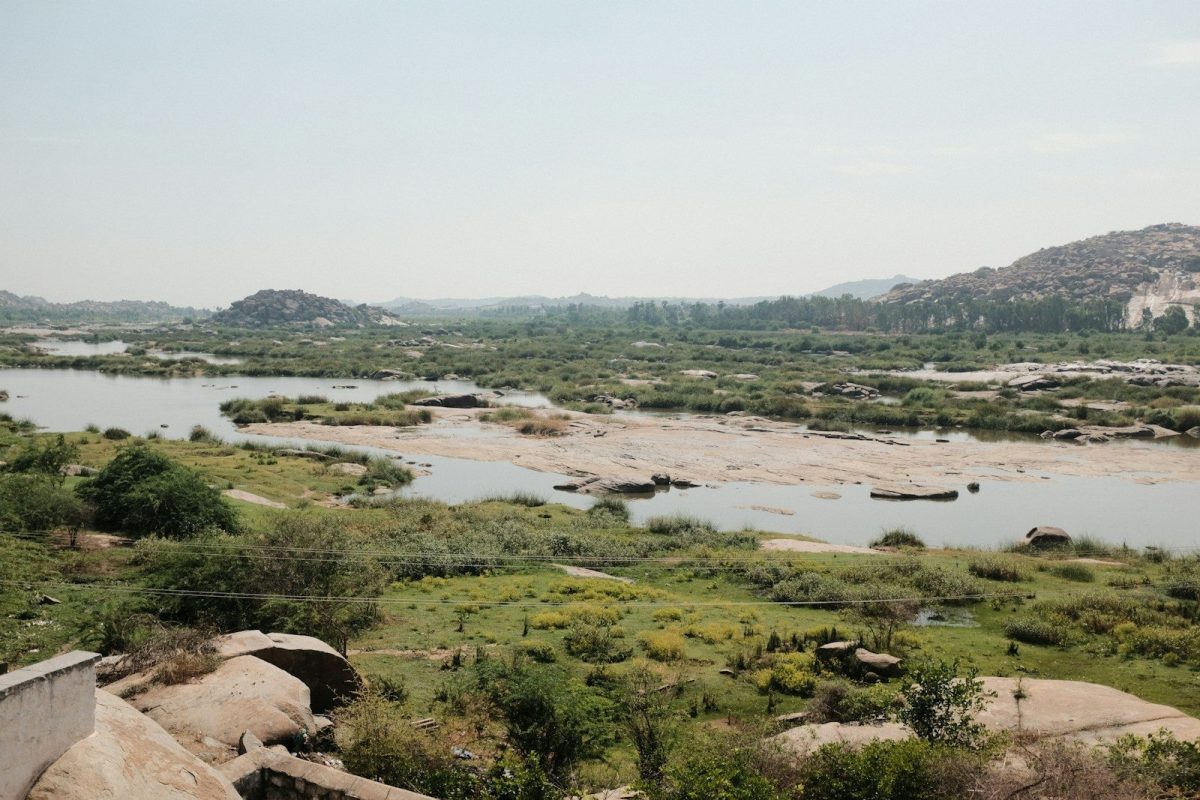
Sudan and South Sudan are both experiencing major internal conflicts. South Sudan has struggled with militia violence, political instability, and ethnic clashes since gaining independence in 2011. Millions have been displaced, and humanitarian access remains limited in some regions.
Sudan’s conflict escalated sharply after fighting erupted in 2023 between the Sudanese Armed Forces and the Rapid Support Forces. By 2026, the war had contributed to a major regional displacement crisis. Reports of ongoing instability in Darfur and other regions continue to emerge, while ceasefire efforts have repeatedly faced setbacks.
Before Traveling to High-Risk Destinations
Travel risks can change quickly, and no list remains permanent. Countries facing conflict today may stabilize in the future, while stable regions can deteriorate rapidly. Anyone traveling to dangerous destinations for journalism, aid work, or family reasons should prepare carefully. Registering with an embassy, securing evacuation insurance, and maintaining reliable local contacts are important precautions.
For many travelers, safer destinations can offer extraordinary experiences without the same level of risk found in these regions. Accurate information and careful planning remain essential when making travel decisions.
