
Before GPS and interstate rest areas, American travelers relied on filling stations, roadside stands, and motor courts to break up long drives. Some of those businesses began during the 1930s and still operate today.
They survived bypassed highways, chain competition, changing travel habits, and decades of harsh weather. Each stop reflects a different part of American road travel history.
1. Clines Corners, New Mexico
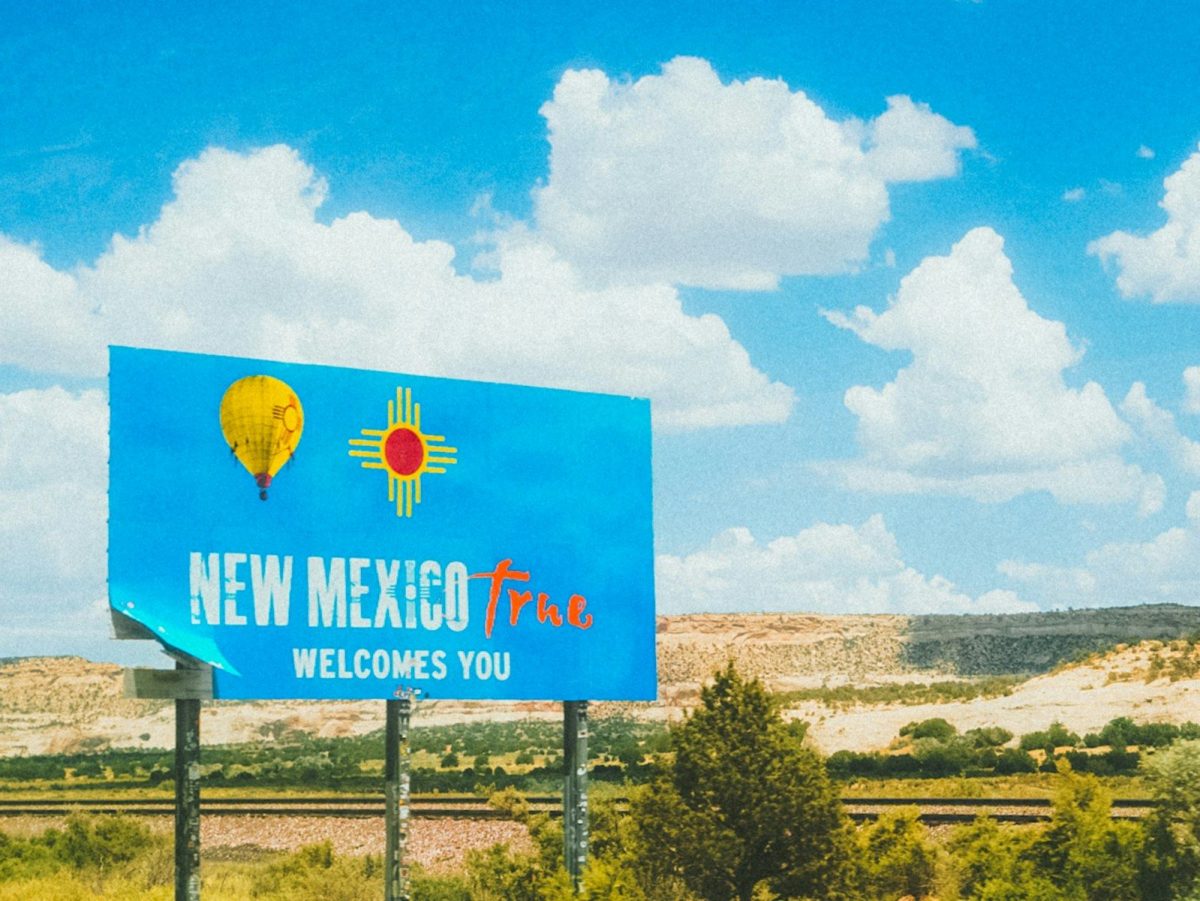
Clines Corners in New Mexico opened in 1934 when Roy Cline built a small filling station at an isolated highway crossroads. The location seemed risky because there was little nearby, though the remoteness made the stop valuable to travelers crossing the desert.
The original structure disappeared long ago, and the site shifted locations over the years. The business still operates near Interstate 40 and the old Route 66 corridor as a large fuel stop and gift shop. Travelers still stop for coffee, pecan pralines, and regional souvenirs. Clines Corners lasted because drivers continued to need a dependable stop in a long empty stretch of road.
2. The Wigwam Motel, Arizona
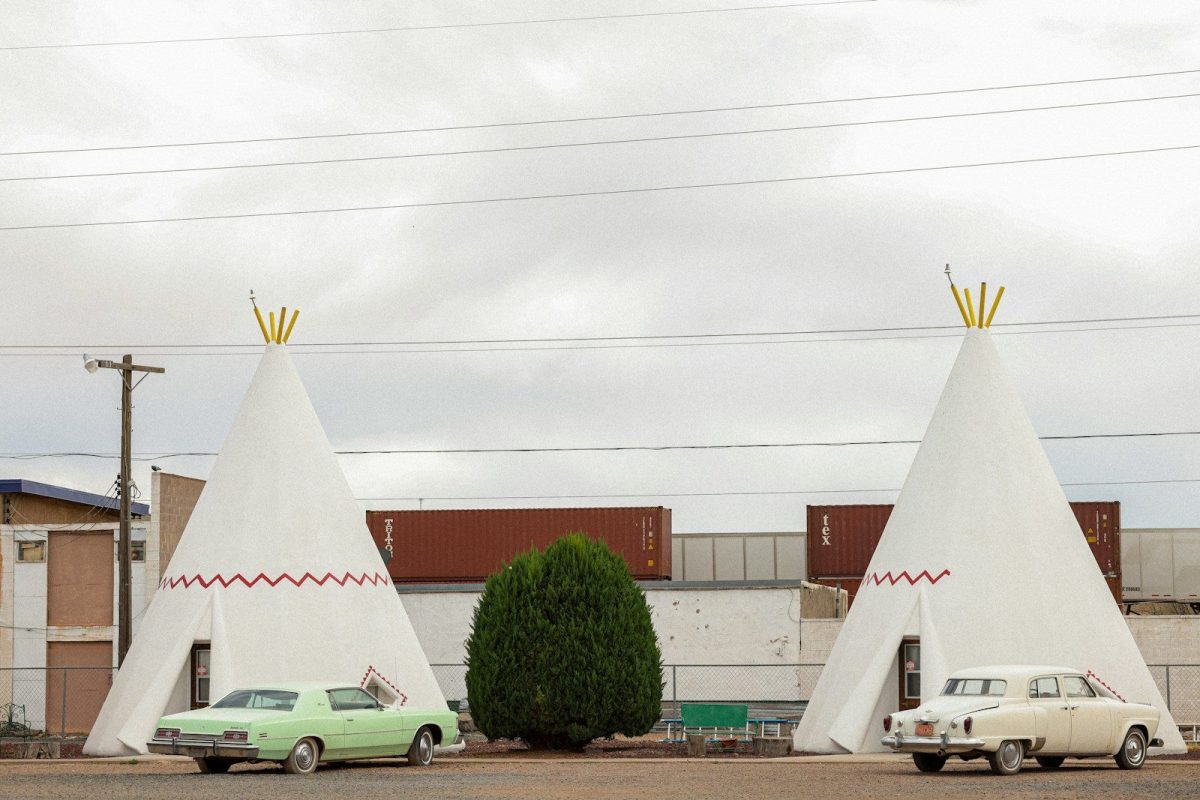
The Wigwam Motel in Holbrook, Arizona opened in 1950 with 15 concrete teepee-shaped rooms arranged around a courtyard filled with vintage cars. The unusual design helped the motel stand out during the golden age of roadside travel. Only three Wigwam Motels remain from the original chain of seven.
The Holbrook location is listed on the National Register of Historic Places and often books months in advance. The motel gained additional recognition after inspiring the Cozy Cone Motel in the 2006 Pixar film Cars. More than seven decades after opening, the property continues attracting travelers looking for a classic Route 66 experience.
3. Rock City Barns, Tennessee
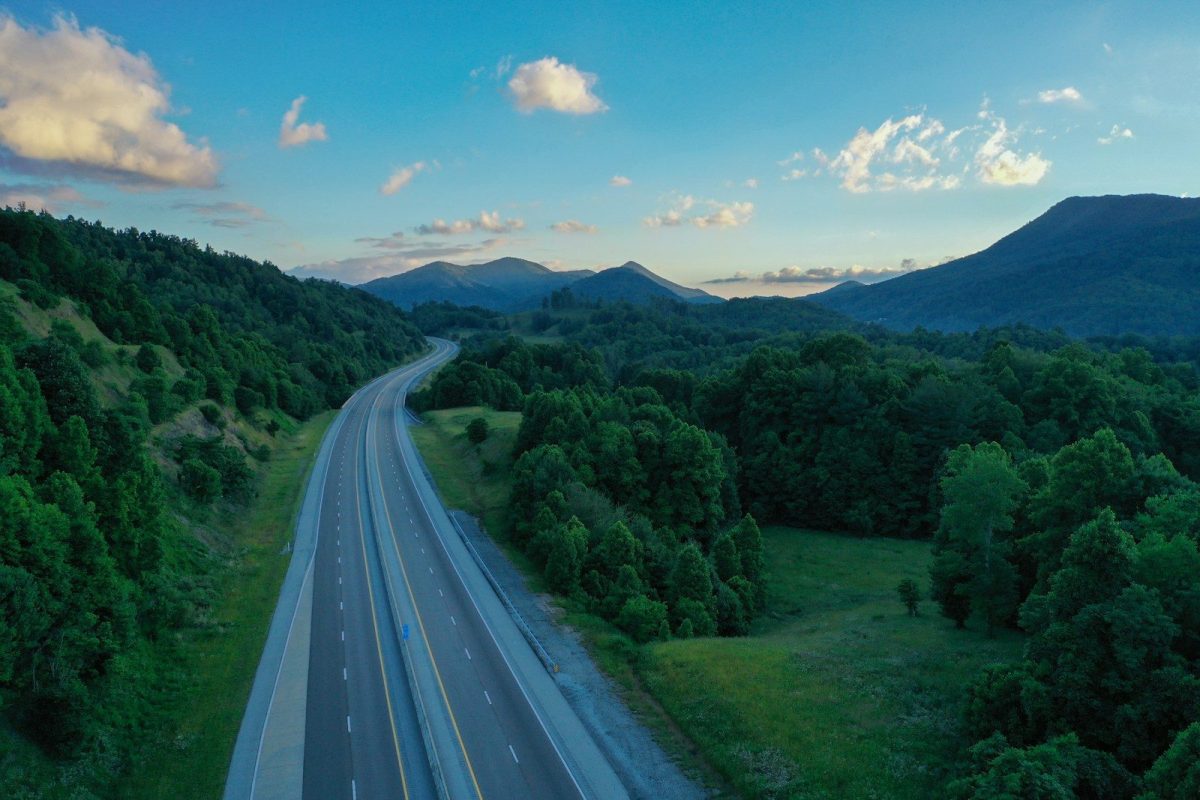
Rock City on Lookout Mountain in Tennessee became famous partly because of an enormous barn advertising campaign. Beginning in the 1930s, Clark Byers painted “See Rock City” on barns throughout the South. At the campaign’s peak, more than 900 barns displayed the slogan. The attraction itself opened in 1932 and remains active today.
Many original barns still stand along older highway routes and are now treated as pieces of American folk art. The faded lettering continues drawing photographers and preservationists decades after the campaign ended.
4. Stuckey’s, Georgia
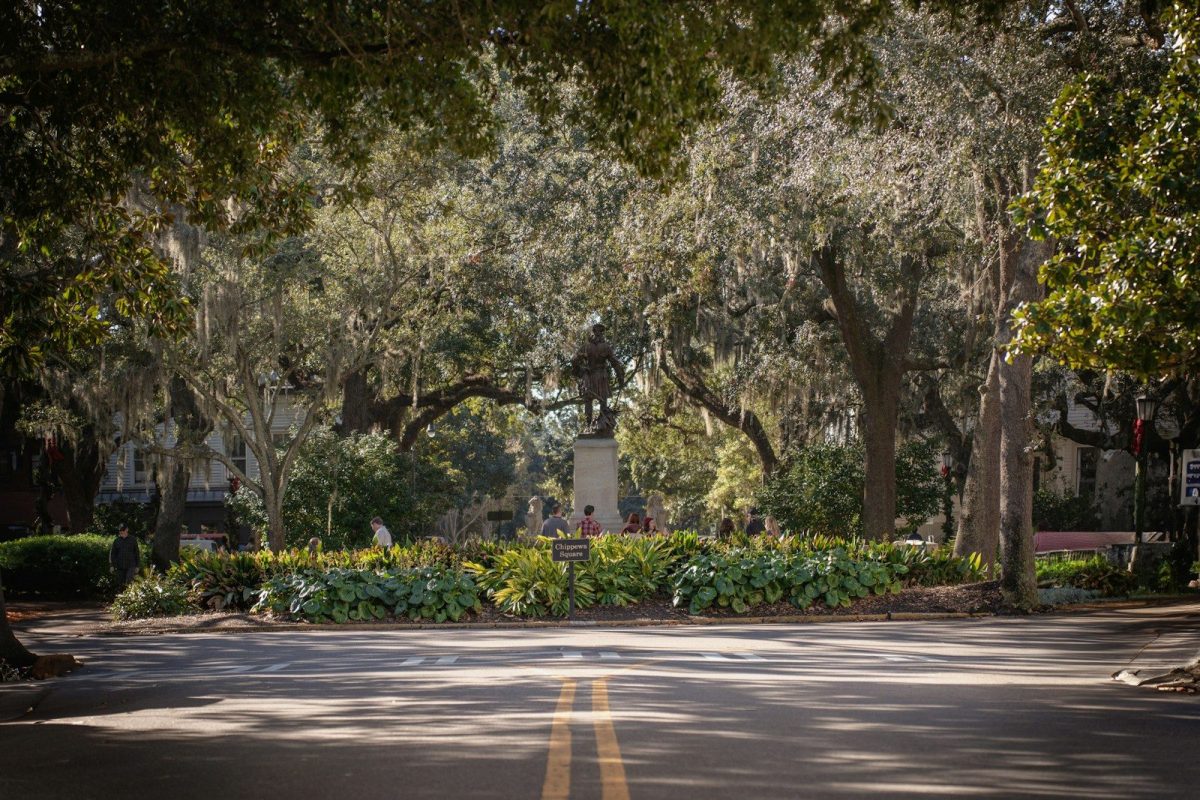
Stuckey’s began in 1937 when Sylvester Stuckey sold pecans from a roadside shack in Eastman, Georgia. The company expanded rapidly during the highway travel boom, becoming known for teal-roofed stores filled with candy, souvenirs, and snacks for road trips. The chain declined during the 1980s, though later returned under leadership from the founder’s grandson.
Original recipes returned to production, and new stores opened across the South. The Eastman location remains the birthplace of one of America’s best-known roadside brands.
5. Blue Swallow Motel, New Mexico
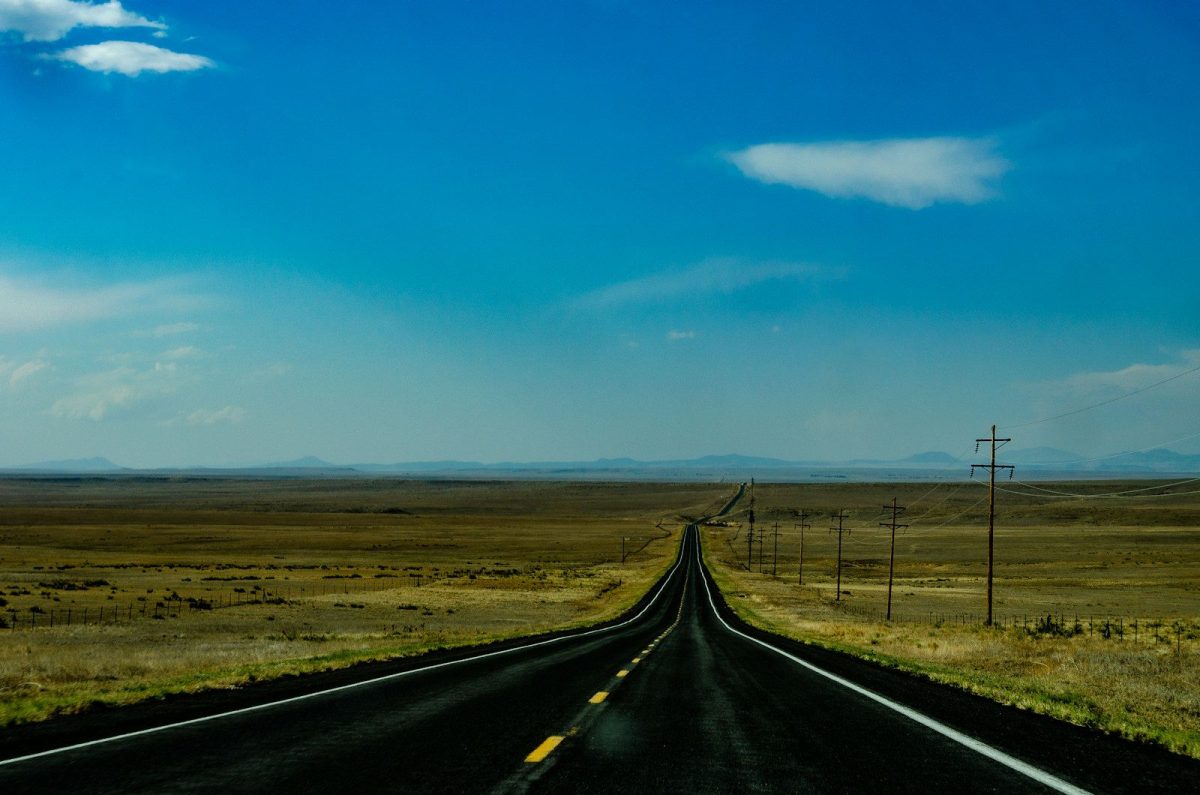
The Blue Swallow Motel in Tucumcari, New Mexico opened in 1939 and became famous for its glowing neon sign featuring a bird in flight. The sign appears in postcards, travel guides, and Route 66 photography collections across the country.
The motel remains one of the best-preserved examples of a classic motor court, complete with original garage spaces, covered walkways, and mid-century design details. Route 66 travelers often reserve rooms far in advance because of the motel’s reputation and historic atmosphere.
6. South of the Border, South Carolina
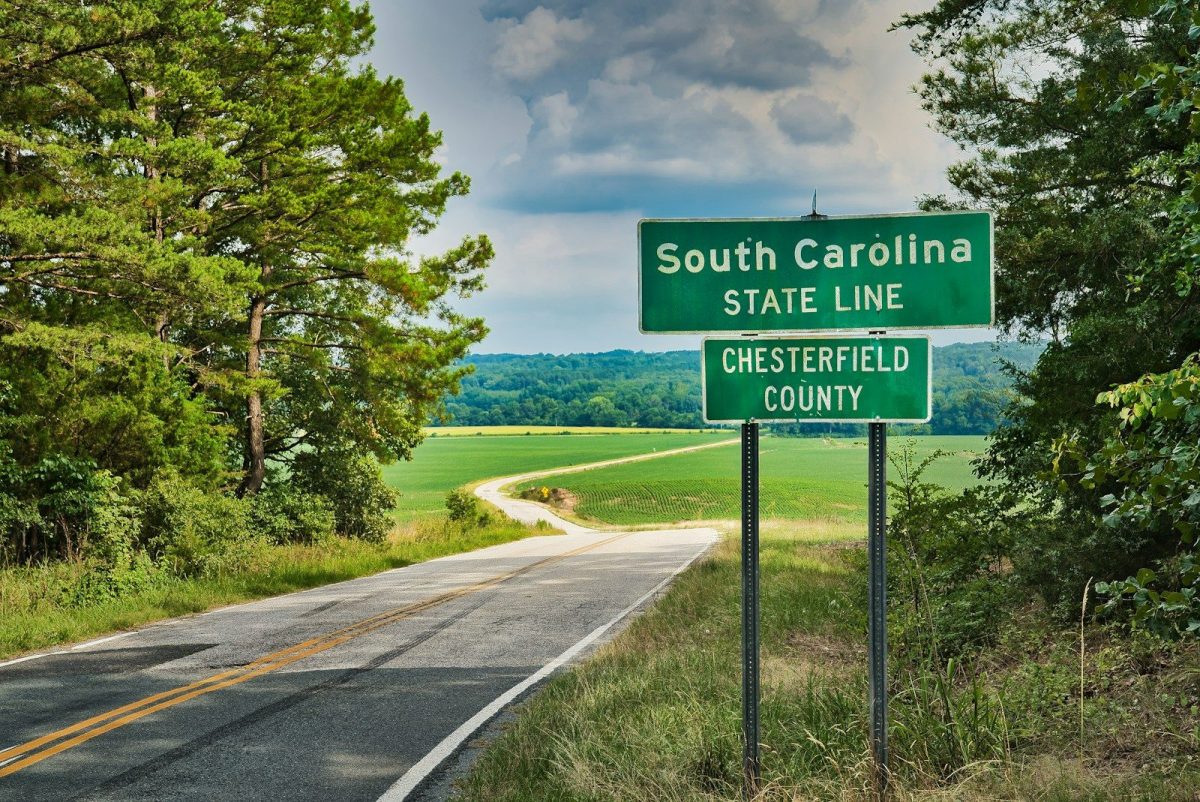
South of the Border in Hamer, South Carolina became one of the most recognized roadside attractions along Interstate 95. Alan Schafer opened the business in 1949 as a small beer stand near the North Carolina border. Over time, the property expanded into a large complex with restaurants, a motel, miniature golf, and the Sombrero Tower observation deck.
The attraction became famous for its long series of highway billboards stretching across multiple states. Families often encountered the signs for hours before arriving. Many parts of the original complex changed or closed over time, though the billboards and central operation remain active.
7. The Big Texan Steak Ranch, Texas
The Big Texan Steak Ranch opened in Amarillo, Texas in 1960 with a promotional steak challenge that quickly became nationally famous. Customers who finish a 72-ounce steak dinner in less than an hour receive the meal for free. More than 70,000 people have attempted the challenge over the decades, though only a fraction succeeded.
The restaurant relocated after Interstate 40 replaced Route 66 through Amarillo. It later expanded into a larger destination with a motel, brewery, and gift shop. The steak challenge still draws travelers from around the world.
8. Wall Drug, South Dakota
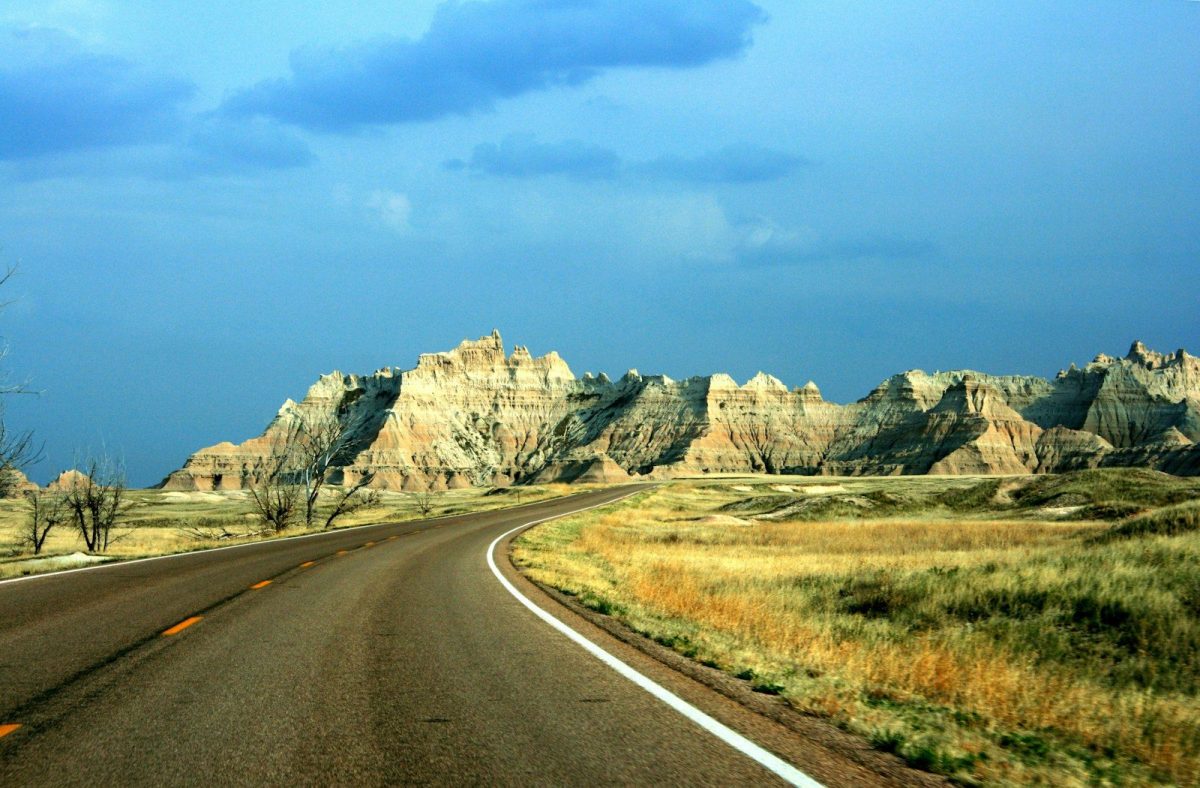
Wall Drug in South Dakota began in 1931 when Ted Hustead purchased a struggling pharmacy in the small town of Wall. Business remained weak until Dorothy Hustead suggested advertising free ice water to travelers heading toward Mount Rushmore.
Highway signs promoting the offer spread across the region and eventually across the world. Wall Drug grew into a massive roadside complex that now attracts millions of visitors every year. Nearly a century later, the free ice water remains available and coffee still costs five cents.
They Adapted
These roadside businesses survived because they adapted to changing highways and continued giving travelers memorable reasons to stop. Modern road trips rely on fuel apps, chain restaurants, and predictable service.
Places like Clines Corners, the Blue Swallow Motel, and Wall Drug remain popular because they offer experiences that cannot be duplicated elsewhere.
