
Some destinations look better in photographs than they do in person. The Egyptian Pyramids work the other way around. No photograph or drone shot fully captures what it feels like to stand at the base of a structure that has outlasted every civilization that rose and fell after the one that built it.
In 2026, with improved access routes, a world-class new museum on the plateau, and refreshed visitor infrastructure across Giza, the timing has never been better. The eight reasons below explain exactly why the Great Pyramids deserve a permanent spot on the travel list.
1. They Are the Last Standing Wonder of the Ancient World
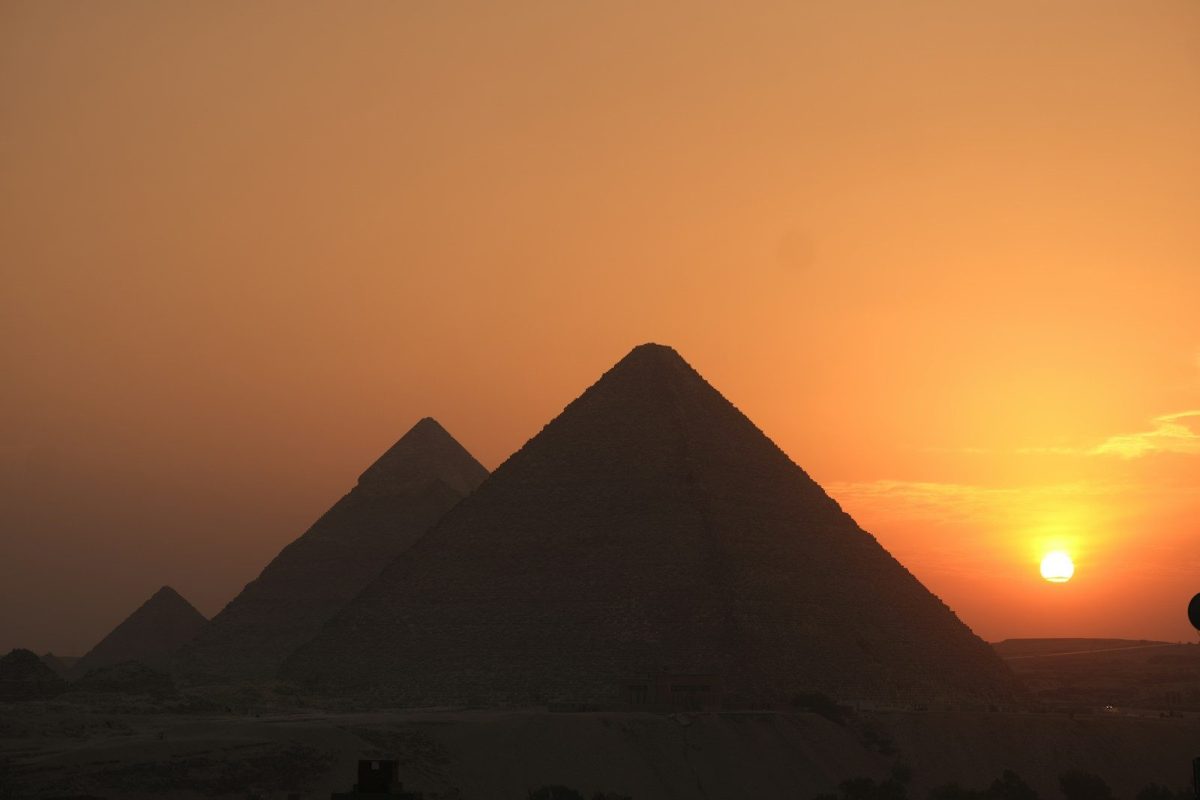
The ancient world had seven wonders. Six are gone. The Great Pyramid of Giza is the only one still standing, and it has been doing so for approximately 4,500 years.
When Julius Caesar visited Egypt, the pyramids were already 2,500 years old. No other place on earth offers that kind of perspective in a single glance.
2. The Engineering Is Still Unsolved
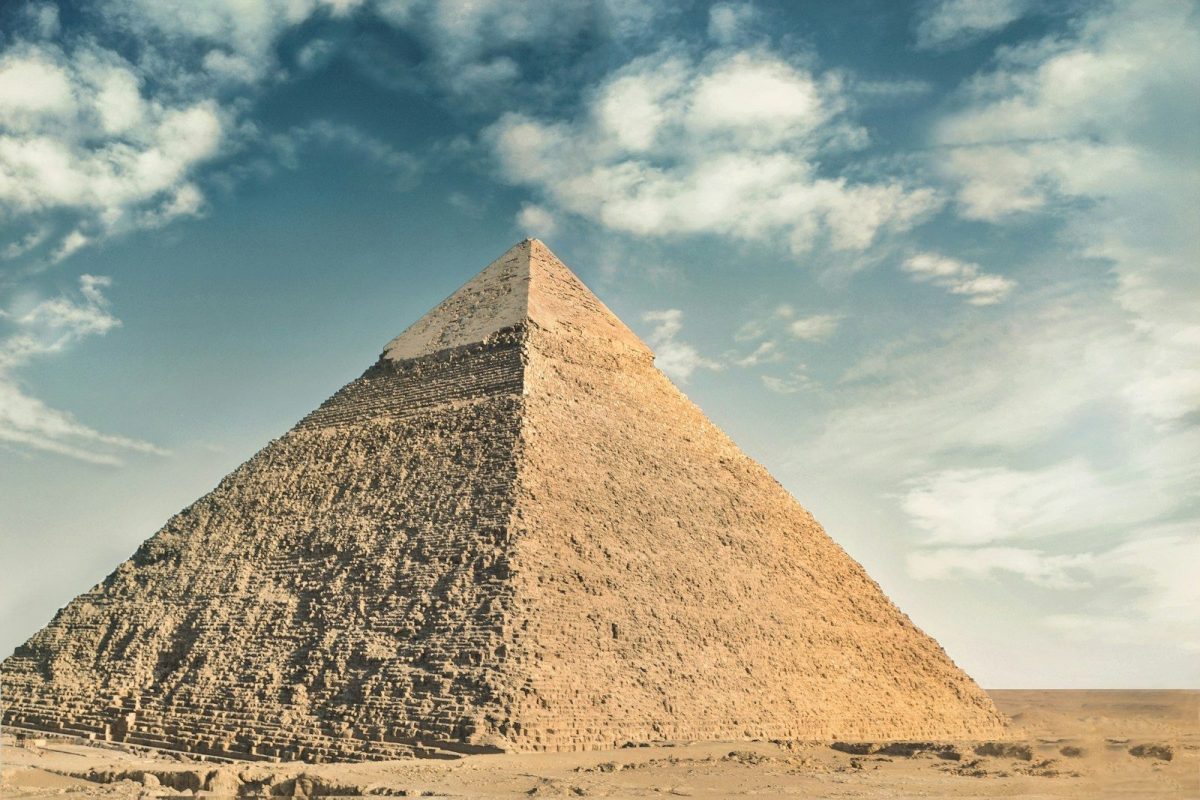
Engineers and archaeologists still cannot fully agree on how ancient Egyptians moved 2.3 million stone blocks, some weighing up to 80 tons, without modern machinery. In 2023, researchers confirmed evidence of an ancient Nile branch that likely served as a transport corridor for construction materials.
The specific methods and the precision of the final placement remain subjects of active debate. The world’s best researchers have not settled the answer.
3. The Grand Egyptian Museum Changes the Entire Visit
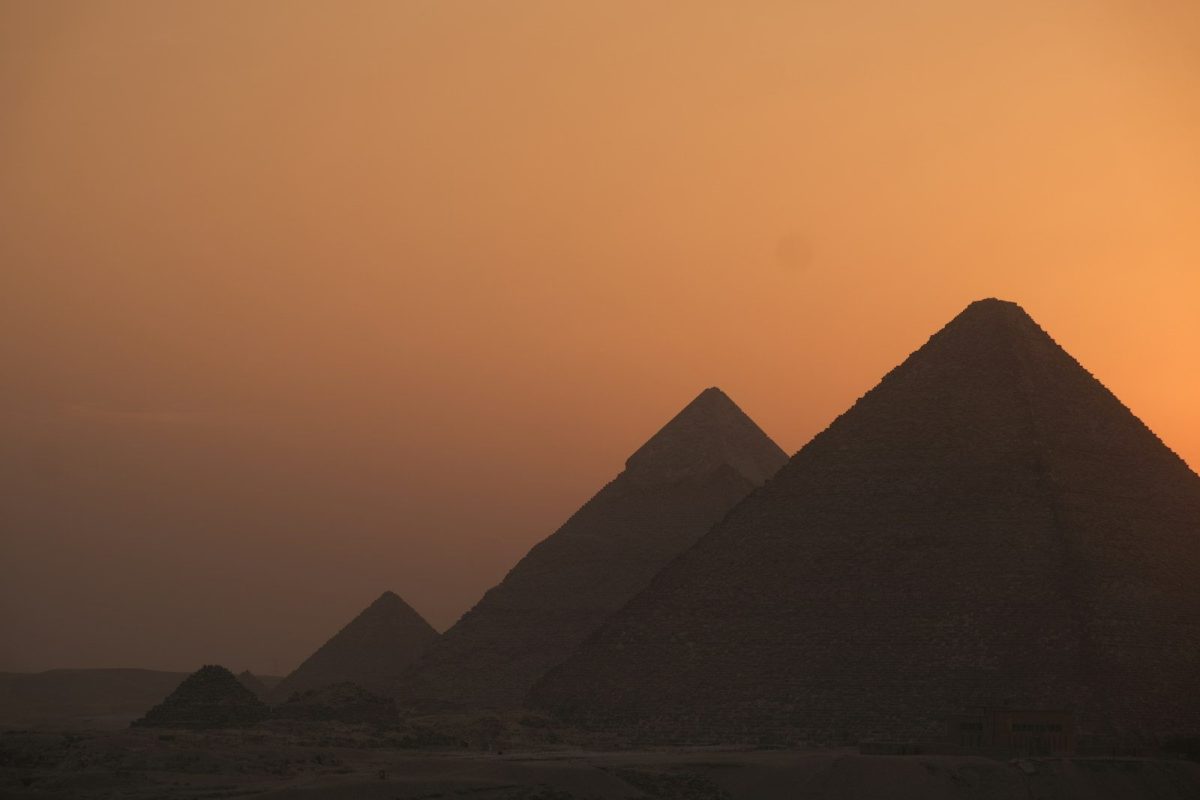
The Grand Egyptian Museum, the GEM, sits steps from the Giza plateau and is fully operational in 2026. It covers 500,000 square meters and houses over 100,000 artifacts, including the complete restored collection from Tutankhamun’s tomb. Items never previously available for public viewing, including royal furniture and ceremonial chariots, are now displayed in purpose-built galleries with world-class presentation.
Pairing a morning on the plateau with an afternoon inside the GEM produces one of the most complete single-day historical experiences available anywhere in the world.
4. The Scale Cannot Be Understood From a Screen
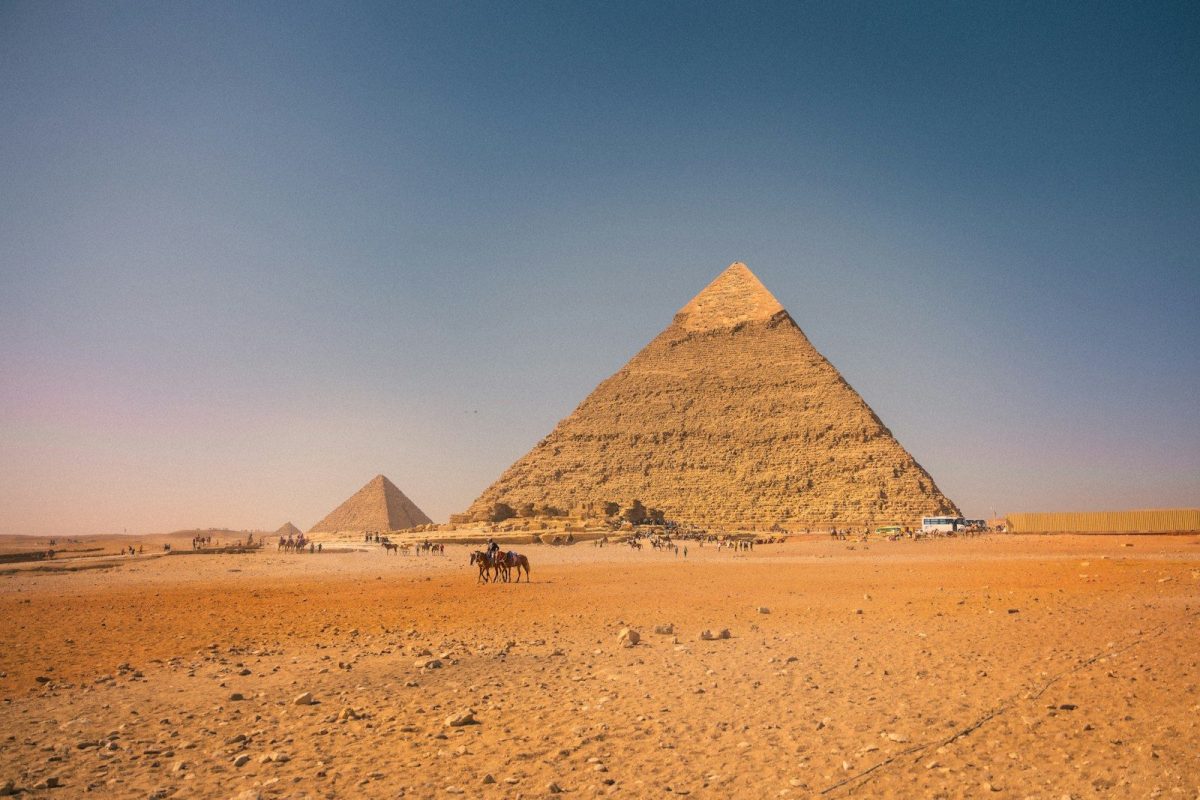
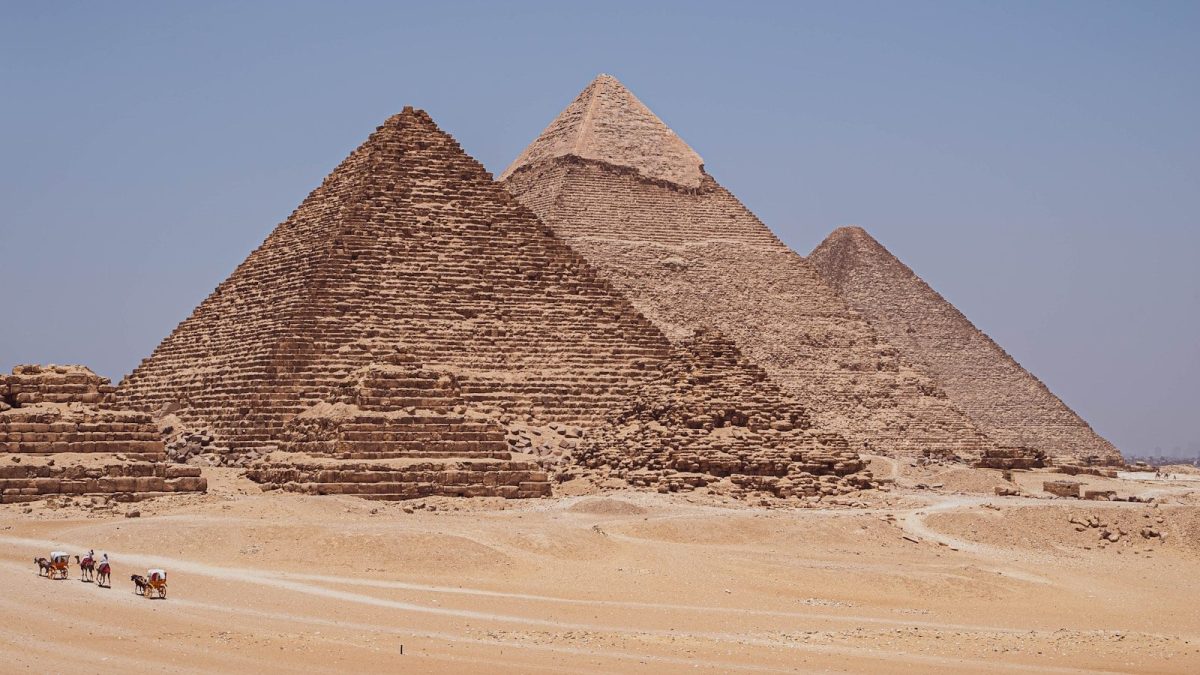
The Great Pyramid of Khufu stands 138 meters tall and its base covers 5.3 hectares, roughly ten American football fields side by side. The stones at the base stand at the height of a full-grown adult.
Walking the full perimeter takes about 20 minutes. Travelers who have spent years looking at images consistently report being unprepared for the physical experience of standing next to it. The only way to close that gap is to go.
5. You Can Go Inside
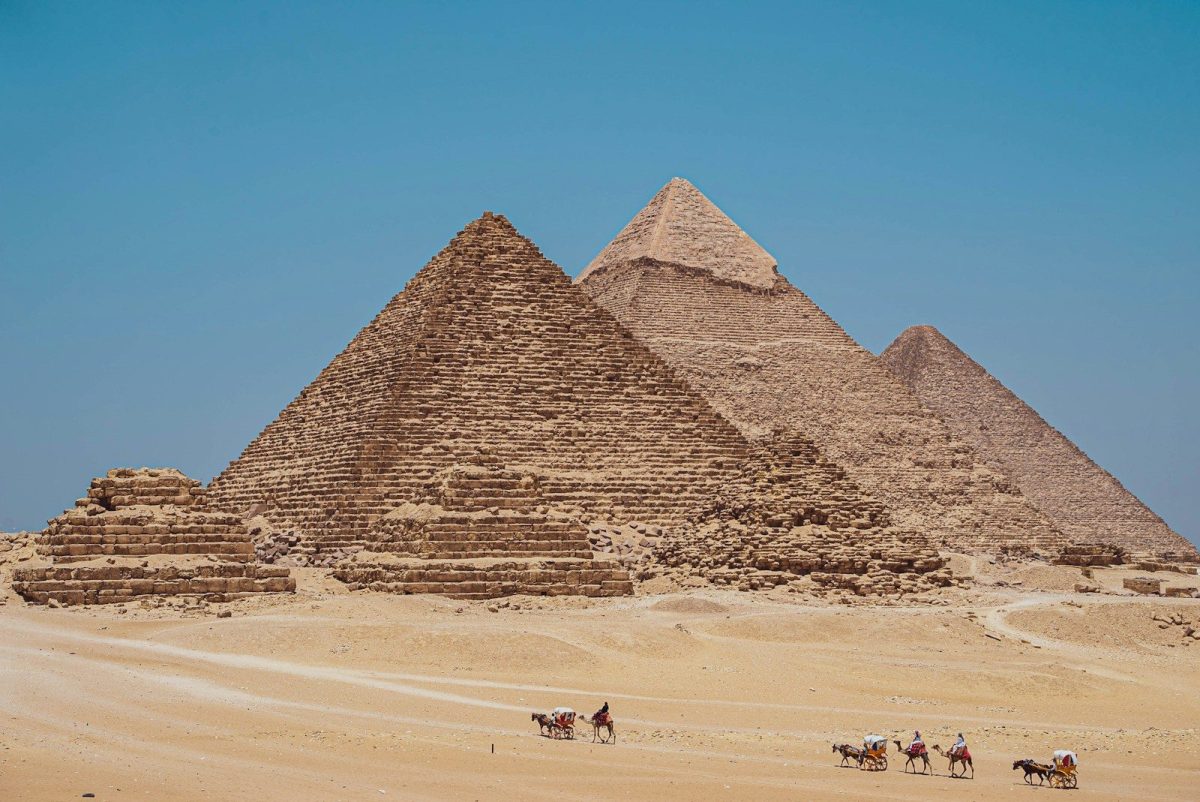
An interior ticket grants entry through a narrow passageway leading to the Grand Gallery and up to the King’s Chamber, a large room built entirely from polished red granite.
The air is warm and the climb requires stooping, but the atmosphere inside is unlike anything else. For 2026 visitors, interior tickets sell out well in advance. Booking through Egypt’s official tourism portal weeks ahead is strongly recommended.
6. The Sphinx and Surrounding Complex Reward Time
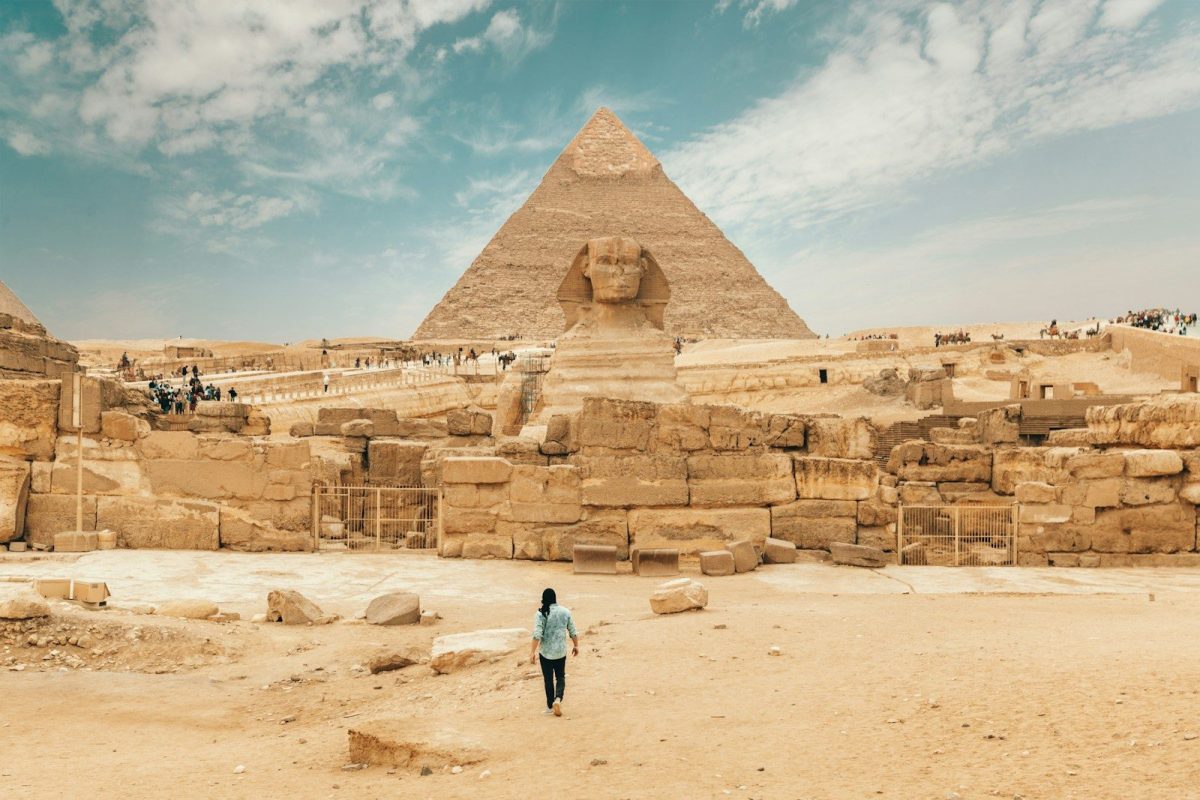
The Great Sphinx, a 73-meter-long limestone figure carved from a single ridge of bedrock, sits just east of the pyramids and remains one of the most studied monuments in archaeology.
The adjacent Valley Temple of Khafre contains granite blocks fitted with a precision that continues to draw the attention of engineers. A half-day minimum on the plateau allows the scale and craftsmanship to register properly.
7. Cairo Rewards Curious Travelers
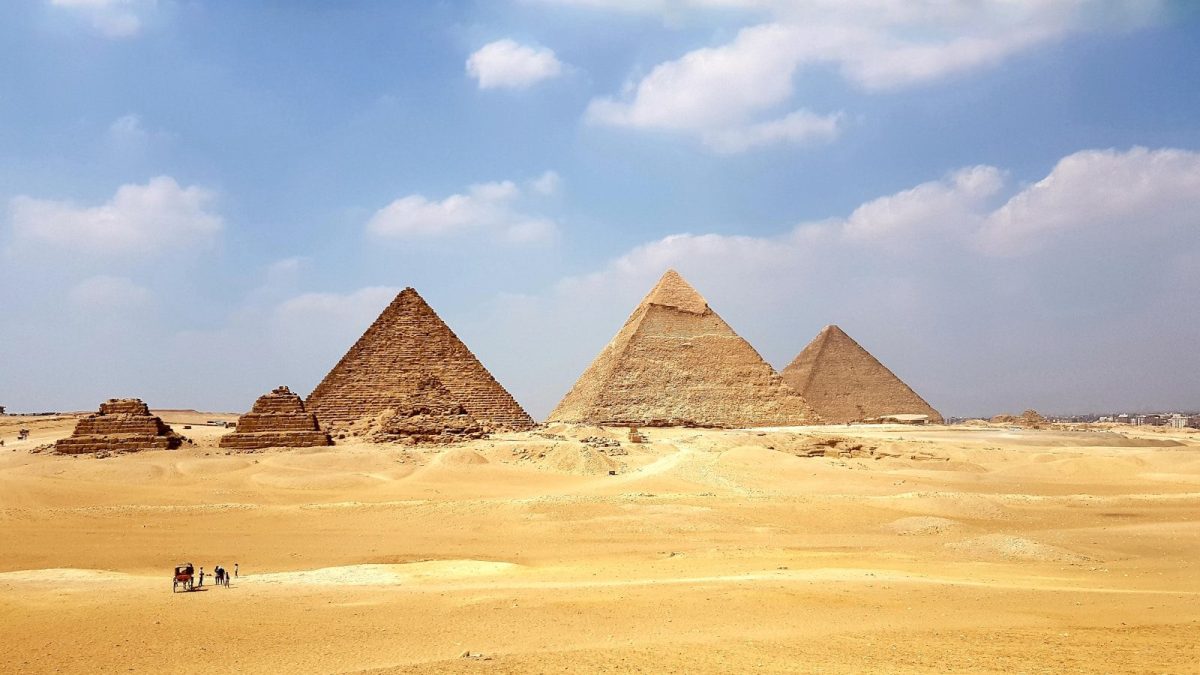
The plateau sits on the edge of Greater Cairo, a city of over 22 million people continuously inhabited for more than a thousand years. Islamic Cairo’s historic district is a UNESCO World Heritage Site.
The Khan el-Khalili market has operated since the 14th century. Egyptian street food, including koshary and ful medames, is worth building into the itinerary. Cairo is a destination in its own right, not just a base for the pyramids.
8. Access Has Never Been Better
A new monorail now connects central Cairo to the Giza area. The plateau has designated entry zones and better-managed vendor access, making it more orderly than it was a decade ago.
Expanded guide certification programs make it easier to find a licensed local expert. October through April offers the most comfortable temperatures, though midday heat on the plateau is real year-round.
Bucket Lists
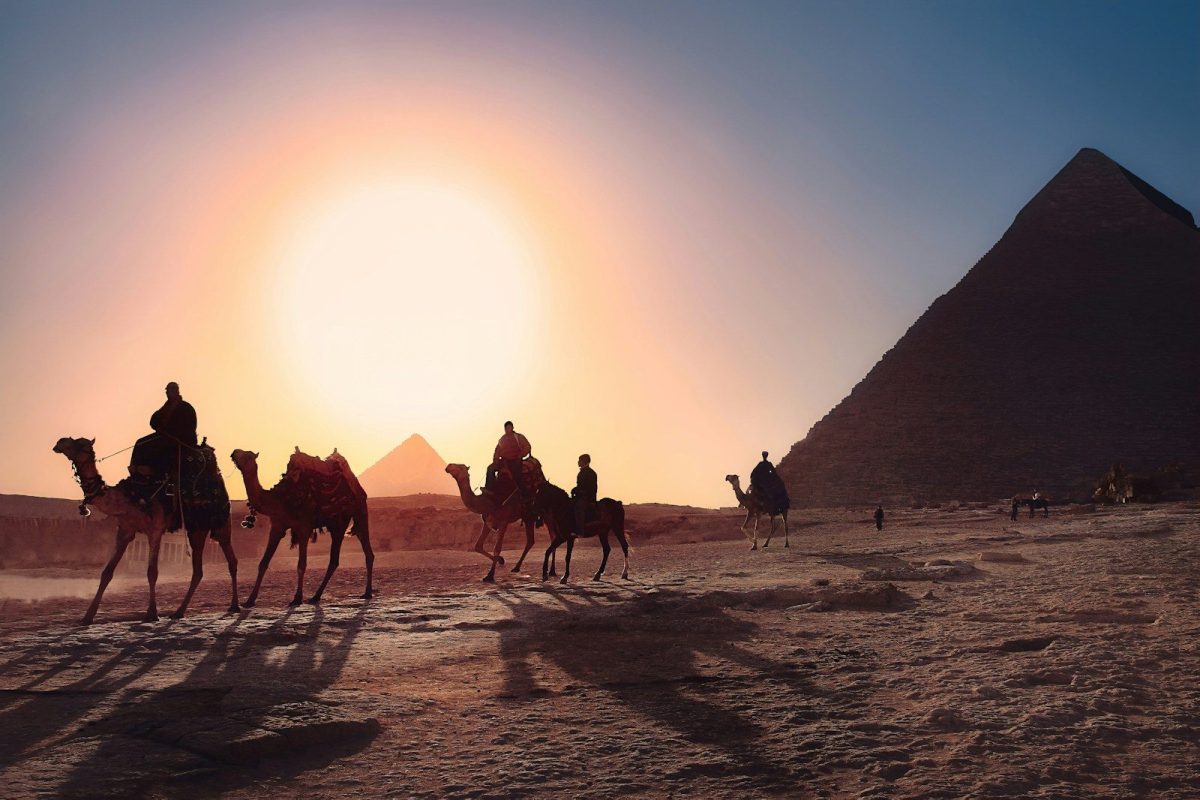
The pyramids have appeared on bucket lists for as long as the concept has existed. That staying power comes from the fact that they deliver something almost no other destination can: a direct, physical encounter with the full scale of human ambition across deep time.
A civilization with no engineering manual and no precedent for a project of this scale built something that has now stood for 4,500 years. The stone beneath a visitor’s hand was placed there before the alphabet existed. That experience does not reduce to a photograph. The pyramids belong on the list, and 2026 is a strong year to finally go.
