
The curb is where airport stress gets loud. A few small checks before you arrive can keep the drop-off from turning into a last-minute scramble.
Airport drop-off looks simple until the terminal splits, the curb fills, the passenger cannot find the right door, and a line of cars starts leaning on the horn. The biggest stress usually comes from tiny details that were easy to check five minutes earlier. These curbside cues can help drivers, families, and solo travelers avoid the awkward stop-and-search routine at the busiest point of the trip.
The Right Terminal Door
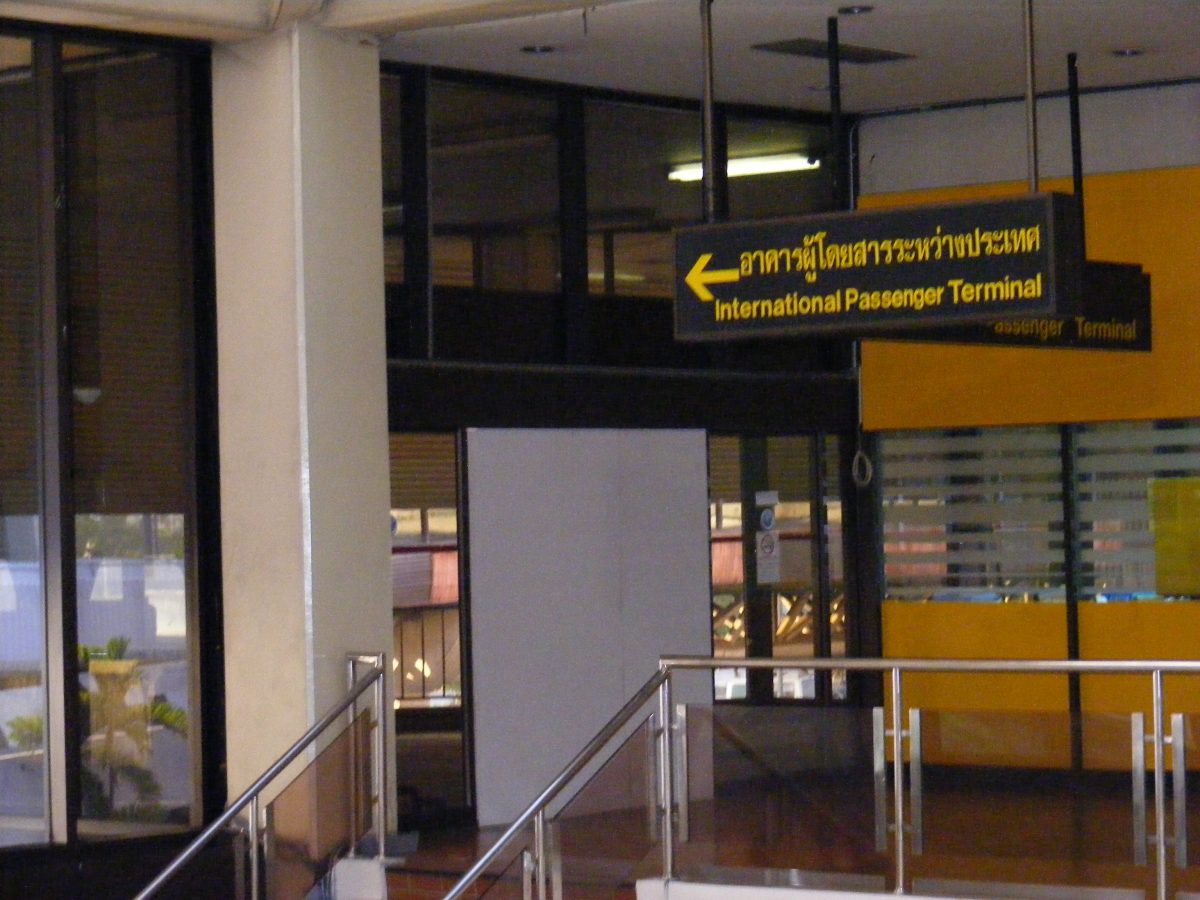
The terminal is not always the only thing that matters. Many airports divide departures by airline, ticketing area, domestic or international flights, or numbered doors. Pulling up at the wrong end can turn a calm goodbye into a long sidewalk march with heavy bags.
- Check the airline and terminal before leaving home.
- Look for door numbers, curbside airline signs, and departure-level wording.
- If the passenger has mobility limits, aim for the closest legal door instead of the first open curb.
This detail helps families, older travelers, and anyone carrying checked luggage. What can go wrong is simple: the driver stops, the passenger unloads, then everyone realizes the check-in counter is several entrances away.
The Active Unloading Zone

Not every open stretch of curb is meant for stopping. Some areas are reserved for buses, hotel shuttles, taxis, accessible loading, emergency access, or airport operations. The less obvious problem is that a tempting empty spot may force the passenger to cross traffic or walk back against the flow.
- Use the marked loading area for the passenger type and terminal.
- Keep bags ready so the stop is short and predictable.
- Do not rely on hazard lights to make a no-stopping area acceptable.
This matters most during early morning flight banks and holiday weekends, when curb space disappears fast. A legal, active unloading zone reduces honking, rushed decisions, and the chance that airport staff will wave the car along before the bags are out.
The Cell Phone Lot

For pickups and complicated drop-offs, the cell phone lot can be the pressure valve. It gives the driver a legal place to pause, confirm the terminal, answer messages, or wait for a traveler who is not quite ready. At many airports, circling the terminal road over and over is the fastest way to add stress.
- Find the lot on the airport map before the trip.
- Use it for last-minute calls instead of stopping on shoulders or ramps.
- Send the passenger a simple meeting point before moving toward the curb.
This helps couples, parents dropping off teens, and anyone coordinating multiple bags or travelers. The thing to check next is whether the airport has time limits, payment rules, or separate lots for arrivals and departures.
The Rideshare Curb
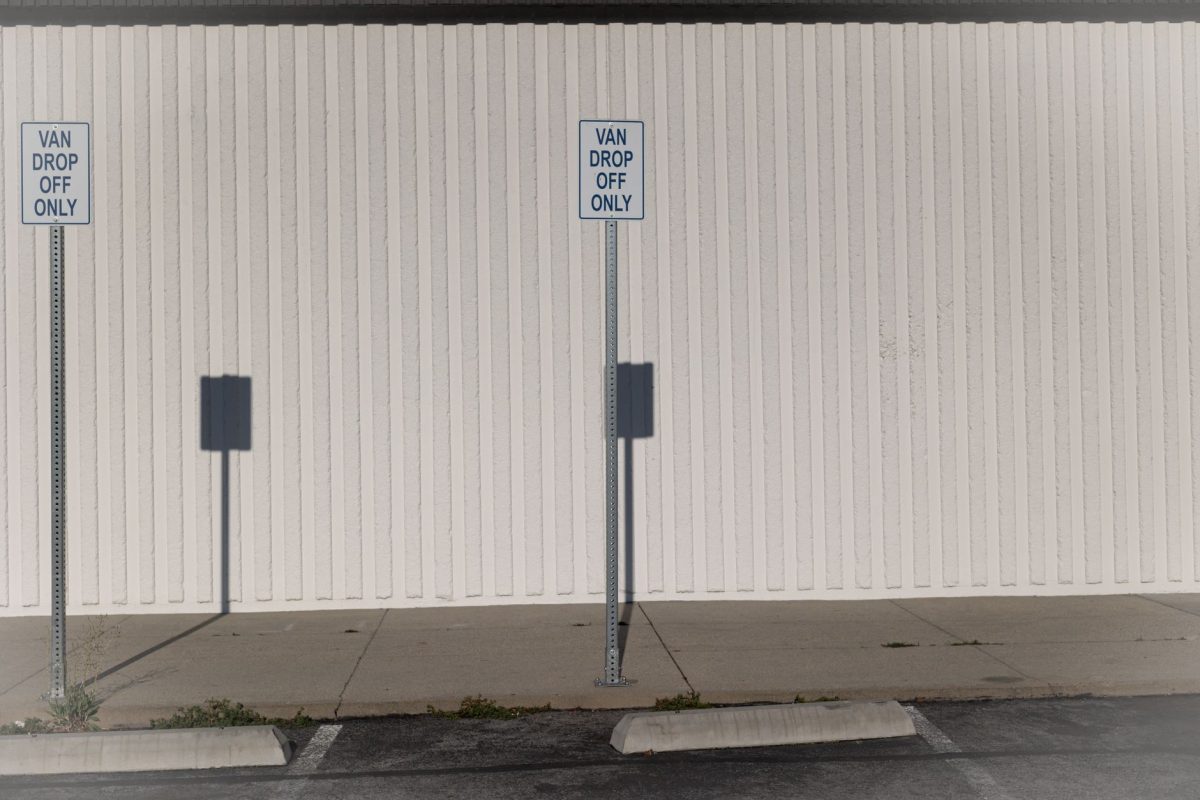
Even when a friend or family member is driving, rideshare markings can affect the whole curb pattern. Some airports separate app-based vehicles, taxis, private cars, and shuttles into different lanes or even different levels. Following the wrong sign can dump a driver into a slow lane that is hard to exit.
- Know whether private vehicles should follow departures, passenger drop-off, or a specific terminal lane.
- Do not assume rideshare and personal drop-off use the same curb.
- Watch for lane signs early, before barriers make changing lanes awkward.
This detail affects travelers using an app, people being dropped by relatives, and drivers unfamiliar with the airport. The mistake can mean an unnecessary loop, a missed curb entrance, or a passenger unloading far from the correct doors.
The Bag-Ready Trunk

The smoothest curbside stop often starts before the car reaches the airport. Bags buried under coats, snacks, strollers, or backpacks slow everything down while traffic stacks up behind the vehicle. A bag-ready trunk makes the actual curb moment shorter and less tense.
- Put checked bags where they can be lifted out first.
- Keep passports, wallets, phones, chargers, and medications out of the trunk.
- Decide who opens doors, handles luggage, and says goodbye before the car stops.
This helps families and groups most, because one misplaced carry-on can trigger a curbside search. What can go wrong is surprisingly common: the passenger unloads, the driver leaves, and an essential item is still in the car. A quick trunk plan lowers that risk.
A less stressful airport drop-off is usually not about perfect timing. It is about removing decisions from the curb. Check the terminal, choose the right loading area, use waiting lots when needed, follow the correct lane signs, and organize bags before arrival. Those small moves give everyone a cleaner exit when airport traffic is at its worst.
