
Climate concerns are changing the way people choose cities. Heat waves, droughts, flooding, wildfire smoke, and stronger storms have pushed many families to think carefully about long-term safety and stability. In 2026, climate migration has become part of mainstream conversation across real estate, business, and urban planning. People searching for a new place to live often look for cooler temperatures, dependable water supplies, modern infrastructure, and lower disaster risk. Quality of life still matters.
Access to parks, healthcare, public transportation, and cultural attractions continues to shape relocation decisions. Some cities have earned growing attention because they combine natural beauty with climate preparation. These places continue to invest in renewable energy, flood defenses, public transit, and sustainable growth. They also offer residents a sense of stability that many heavily affected regions are starting to lose.
1. Copenhagen, Denmark
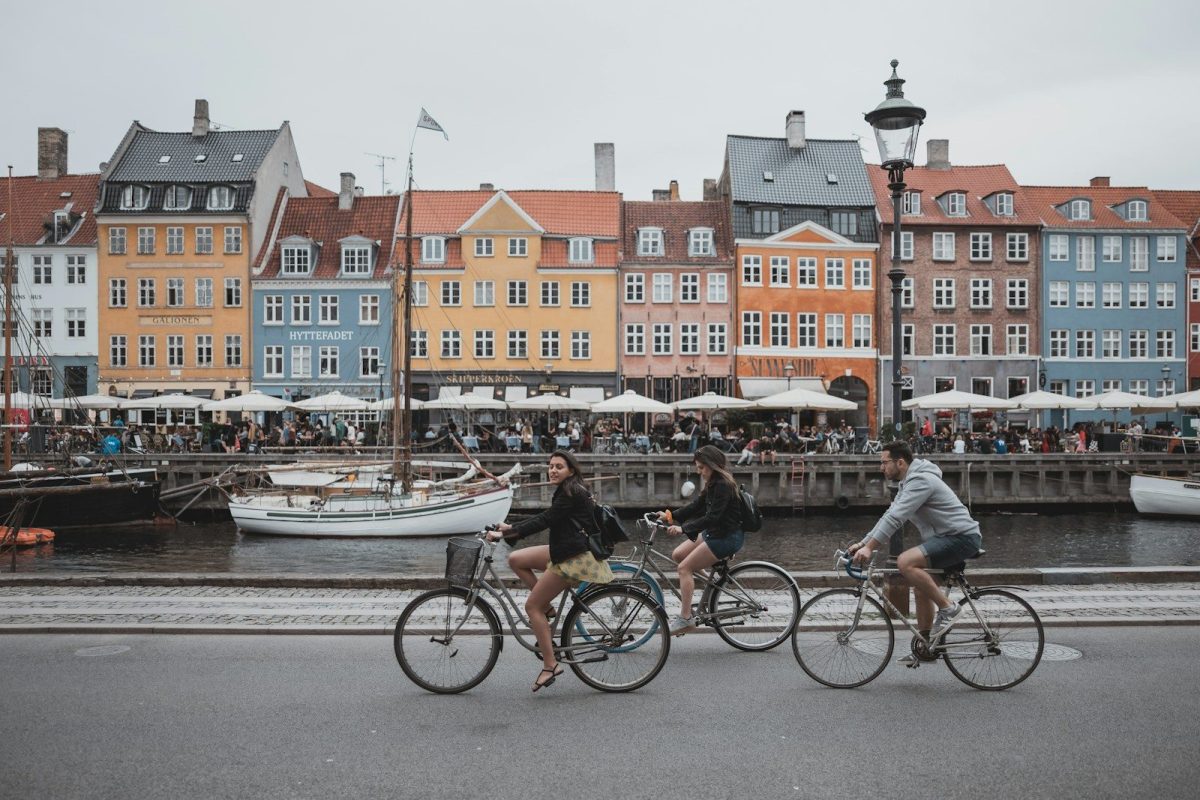
Copenhagen has become one of Europe’s leading cities for climate planning. The Danish capital continues to expand bike infrastructure, renewable energy projects, and flood protection systems designed to handle rising sea levels and stronger storms. The city’s streets are built around public transportation and cycling. Many residents commute without relying on cars, which helps reduce pollution and traffic congestion. Green spaces, waterfront areas, and clean public facilities also add to the city’s appeal.
Summers in Copenhagen remain milder than those in many parts of southern Europe, where extreme heat has become more common in recent years. Winters are cold and dark, though many residents adapt easily because of the city’s strong indoor culture and reliable public services. Copenhagen also offers a stable economy, strong healthcare, and a high level of public trust. Those factors continue to attract professionals and families searching for long-term security.
2. Vancouver, Canada
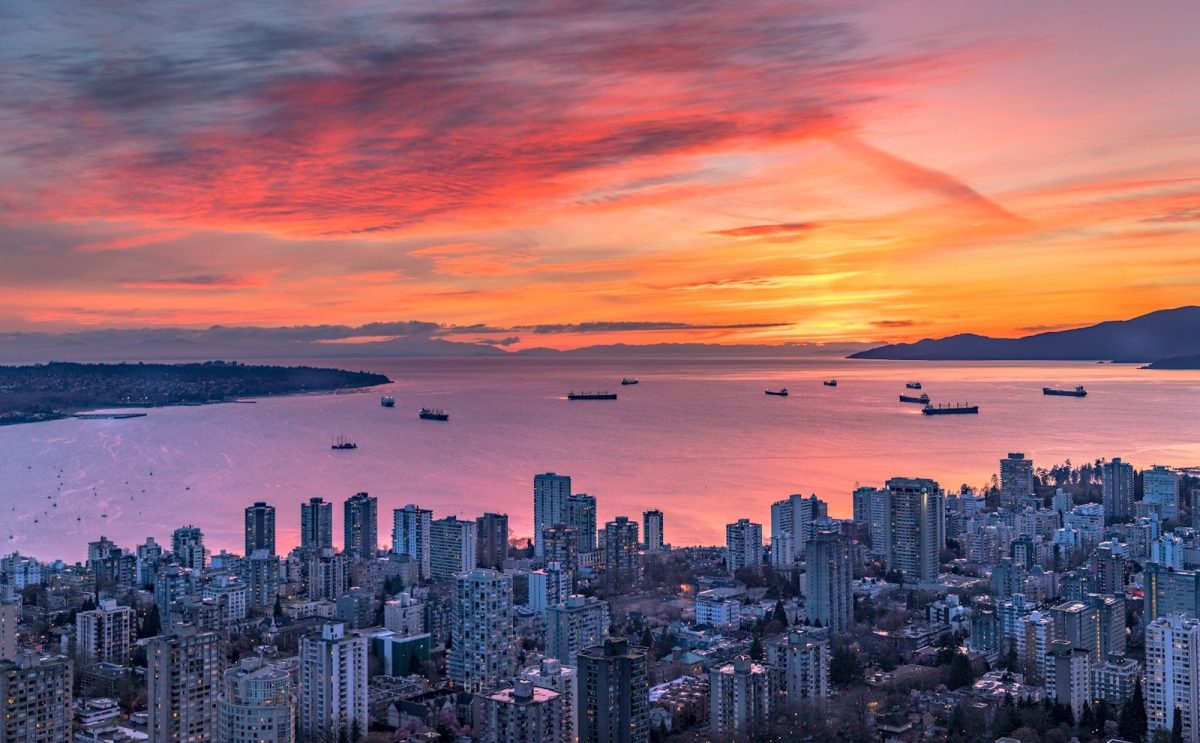
Vancouver attracts people who want city living with easy access to nature. Mountains, forests, and the Pacific coastline surround the city, creating one of North America’s most scenic urban settings. The climate remains relatively moderate compared to much of Canada. Winters are cooler and wetter than in many American cities, though temperatures rarely reach the extreme lows seen farther inland. Summers are usually comfortable, which has become more appealing as heat records continue to fall across other regions.
Wildfire smoke has affected Vancouver during some recent summers due to fires in western Canada. Even with that challenge, the city still ranks highly for climate preparedness and water access. Public transit, walkable neighborhoods, and environmental policies continue to shape Vancouver’s growth. Housing prices remain high, though many residents view the city as a worthwhile long-term investment because of its climate outlook and quality of life.
3. Wellington, New Zealand
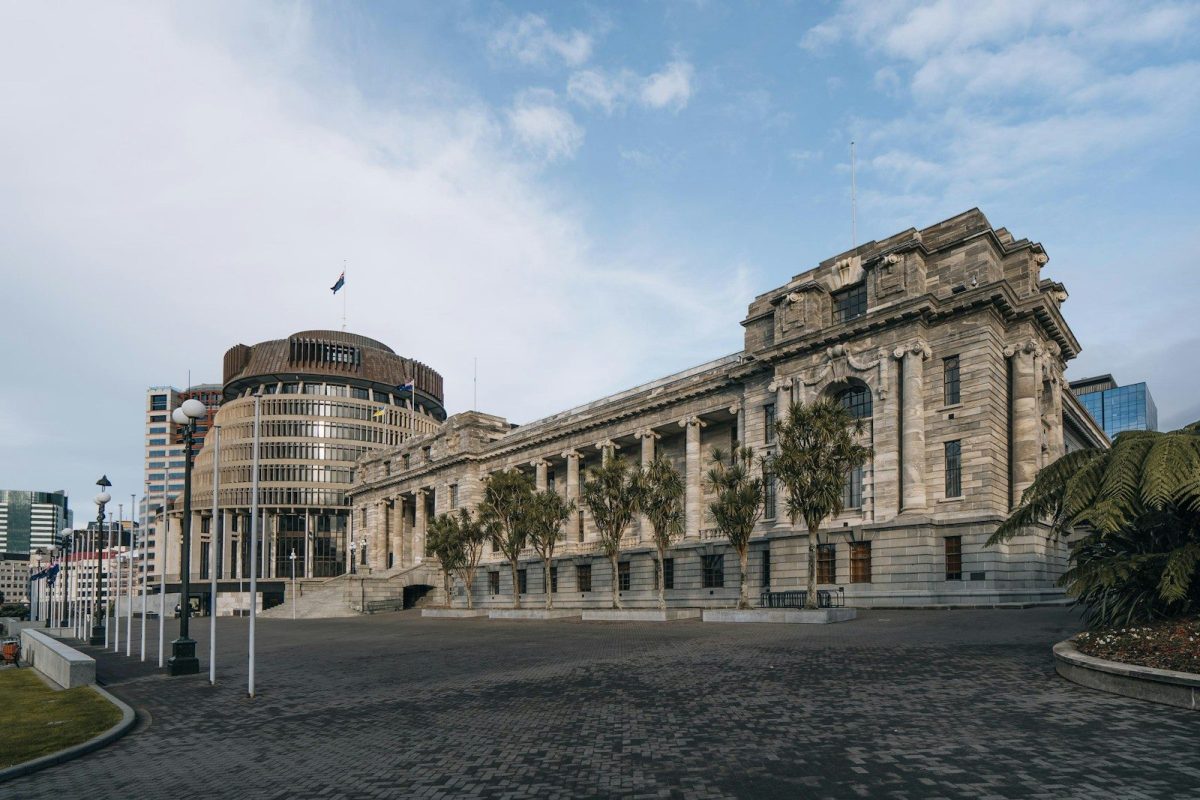
Wellington offers cooler temperatures, ocean views, and a slower pace of life than many large international cities. Located at the southern end of New Zealand’s North Island, the city benefits from a climate that avoids many extreme weather patterns affecting hotter regions. New Zealand has spent years building a reputation for environmental management and renewable energy investment. Wellington reflects that approach through improved public transportation, sustainable development, and coastal planning projects.
The city also supports growing technology, education, and creative industries. Many neighborhoods remain walkable, and outdoor recreation is part of daily life for residents. Earthquake risk remains a concern across New Zealand. Climate researchers still consider Wellington one of the more resilient cities in a warming world because of its infrastructure planning and access to natural resources.
4. Minneapolis, Minnesota

Minneapolis has become one of the American cities most frequently mentioned in discussions about climate migration. The city sits far from hurricane zones and faces fewer wildfire threats than many western states. Freshwater access gives Minneapolis another advantage. Minnesota’s lakes and water systems are expected to become more valuable as drought conditions spread across parts of the United States.
The city experiences cold winters, though rising global temperatures have reduced some seasonal extremes over the past decade. Summers remain more manageable than those in many southern cities dealing with prolonged heat waves. Minneapolis also continues to invest in green spaces, public transportation, and energy efficiency projects. A growing technology sector and strong healthcare system have added to the city’s appeal for younger professionals and families.
5. Bergen, Norway
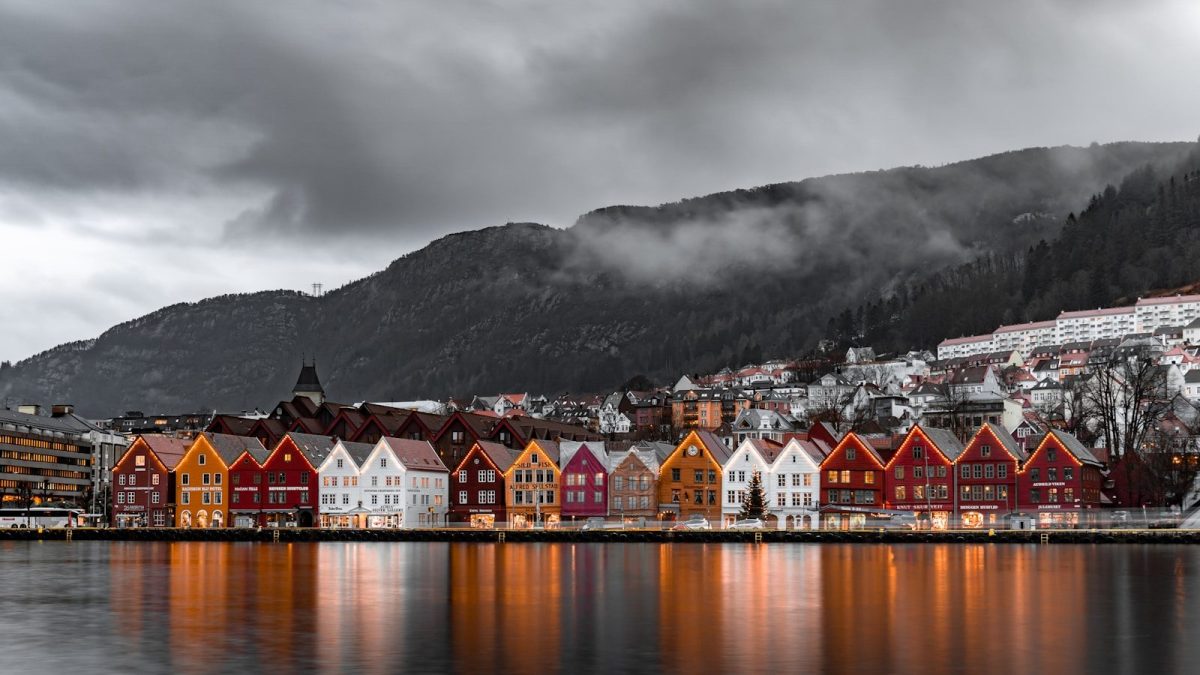
Bergen combines cooler temperatures with dramatic scenery shaped by mountains and fjords. The Norwegian city has become increasingly attractive to people looking for long-term climate stability in northern Europe. Norway’s energy system relies heavily on hydropower, which supports lower emissions and dependable electricity supplies. Public transportation, healthcare, and infrastructure also rank among the strongest in the world.
Rainfall is common throughout the year, though the region generally avoids the severe heat waves that have affected parts of southern Europe. Many residents value Bergen’s calm atmosphere and close connection to nature. The city is smaller than many major European capitals, which may not suit every lifestyle. Bergen continues to attract attention because of its safety, environmental planning, and strong public services.
6. Melbourne, Australia
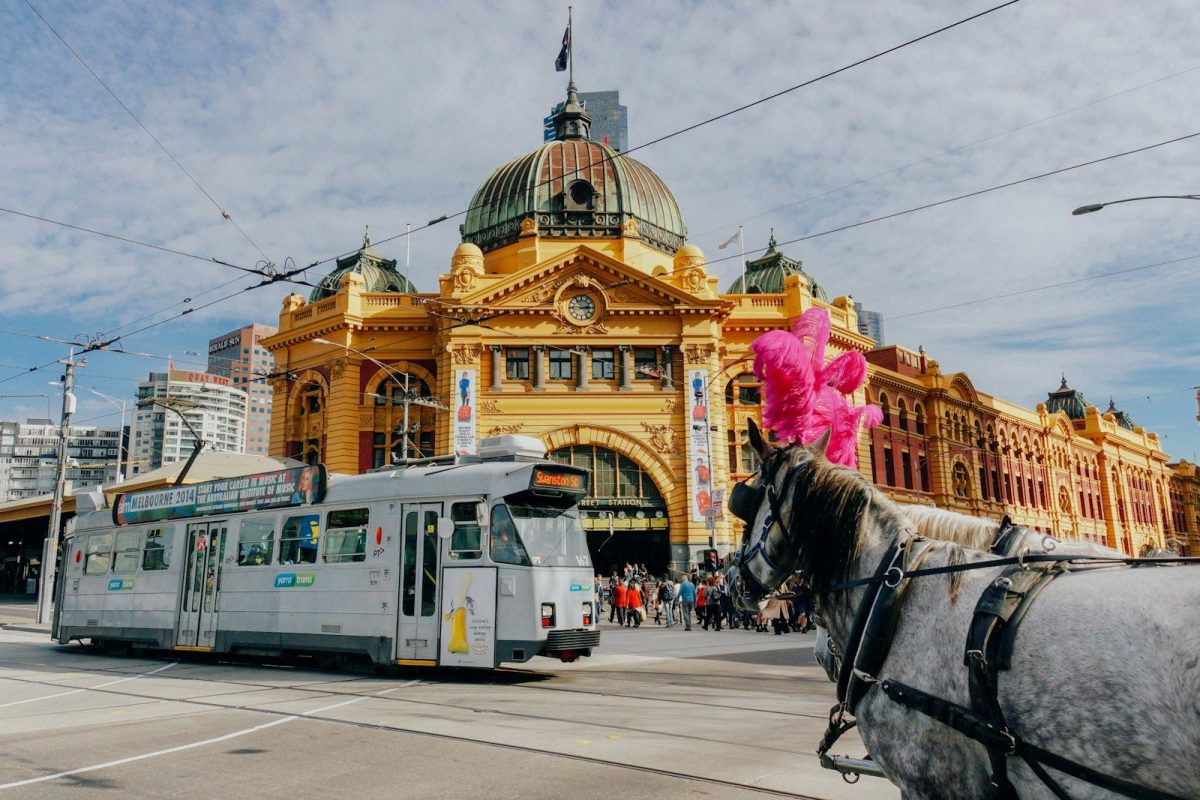
Melbourne remains one of Australia’s most attractive large cities despite the country’s growing climate challenges. Compared to northern Australia, Melbourne experiences fewer days of extreme heat and more moderate seasonal conditions. City officials have expanded tree-planting programs and urban cooling projects designed to reduce heat in dense neighborhoods. Public transportation improvements and renewable energy investments have also become part of Melbourne’s long-term climate planning.
The city continues to support strong job markets in education, healthcare, technology, and finance. Restaurants, sports, and arts districts help maintain a high quality of life for residents. Bushfire risk still affects parts of Australia, especially during severe fire seasons. Melbourne’s location and climate preparation efforts continue to make it one of the country’s more stable urban centers.
7. Helsinki, Finland
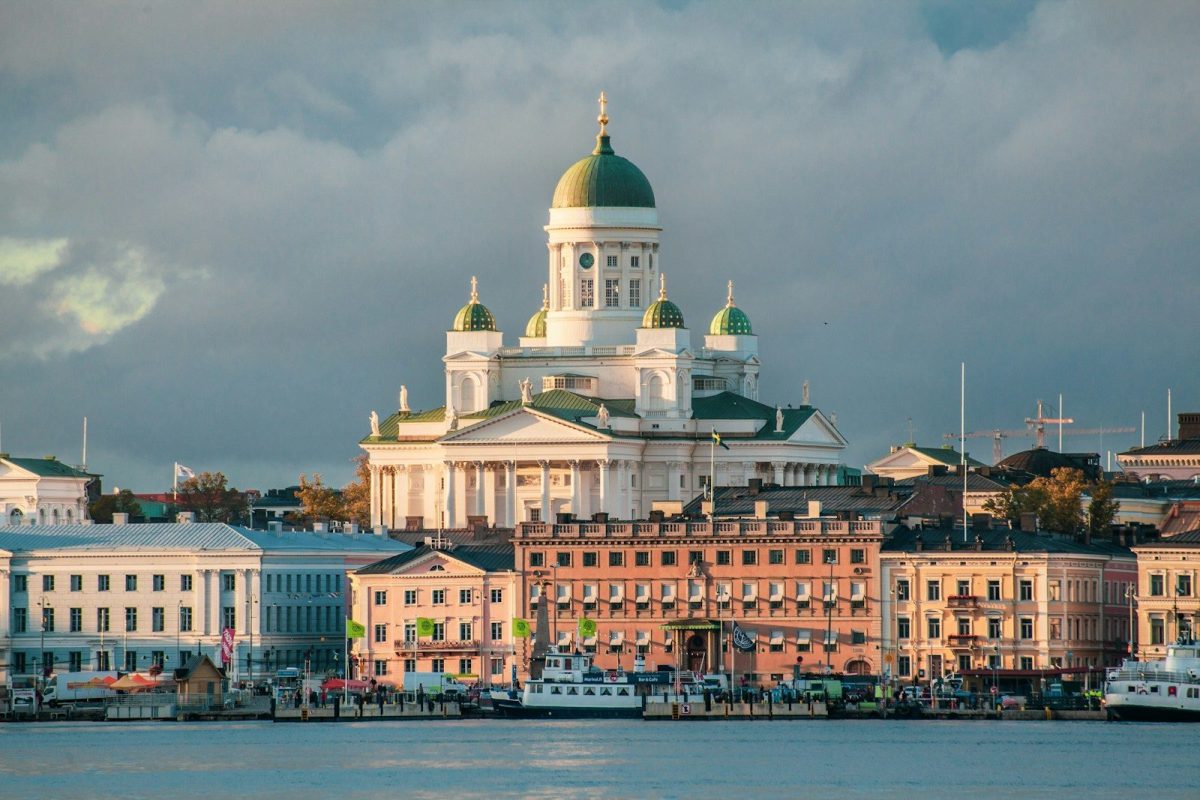
Helsinki has gained attention as northern European cities become more desirable in a warming climate. Finland’s capital offers mild summers, cold winters, and large amounts of green space spread throughout the city. Air quality, public transportation, and digital infrastructure rank highly compared to many other major cities. Finland also has large freshwater reserves, which climate experts view as an important long-term resource.
Helsinki has focused heavily on renewable energy and sustainable construction projects. Residents benefit from strong public healthcare, education systems, and reliable government services. Winter daylight hours can feel limited for newcomers unfamiliar with Nordic climates. Many residents value the city’s safety, organization, and environmental planning.
8. Portland, Maine
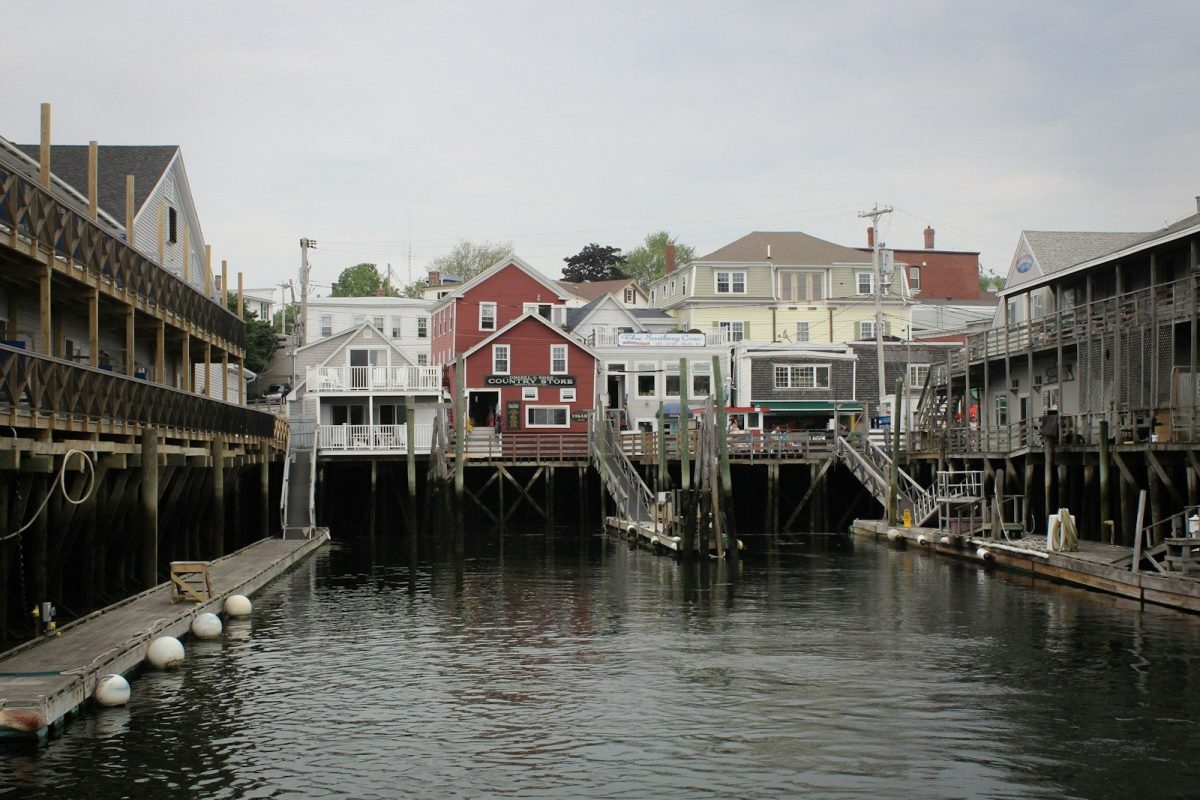
Portland has emerged as a smaller American city attracting people concerned about climate risk. Located along the northeastern coast, the city generally avoids the destructive hurricanes that regularly affect the Southeast and Gulf Coast. Cooler temperatures have also become part of Portland’s appeal. Many Americans now view colder climates as easier to manage than prolonged extreme heat and water shortages.
The city offers walkable neighborhoods, coastal scenery, and a growing restaurant scene built around local seafood and agriculture. Maine’s freshwater access and lower population density have strengthened interest in the region over the past few years. Portland’s slower pace and smaller size create a different lifestyle than larger metropolitan areas. For many newcomers, that quieter atmosphere has become part of the attraction.
Climate Migration Is Becoming a Long-Term Trend
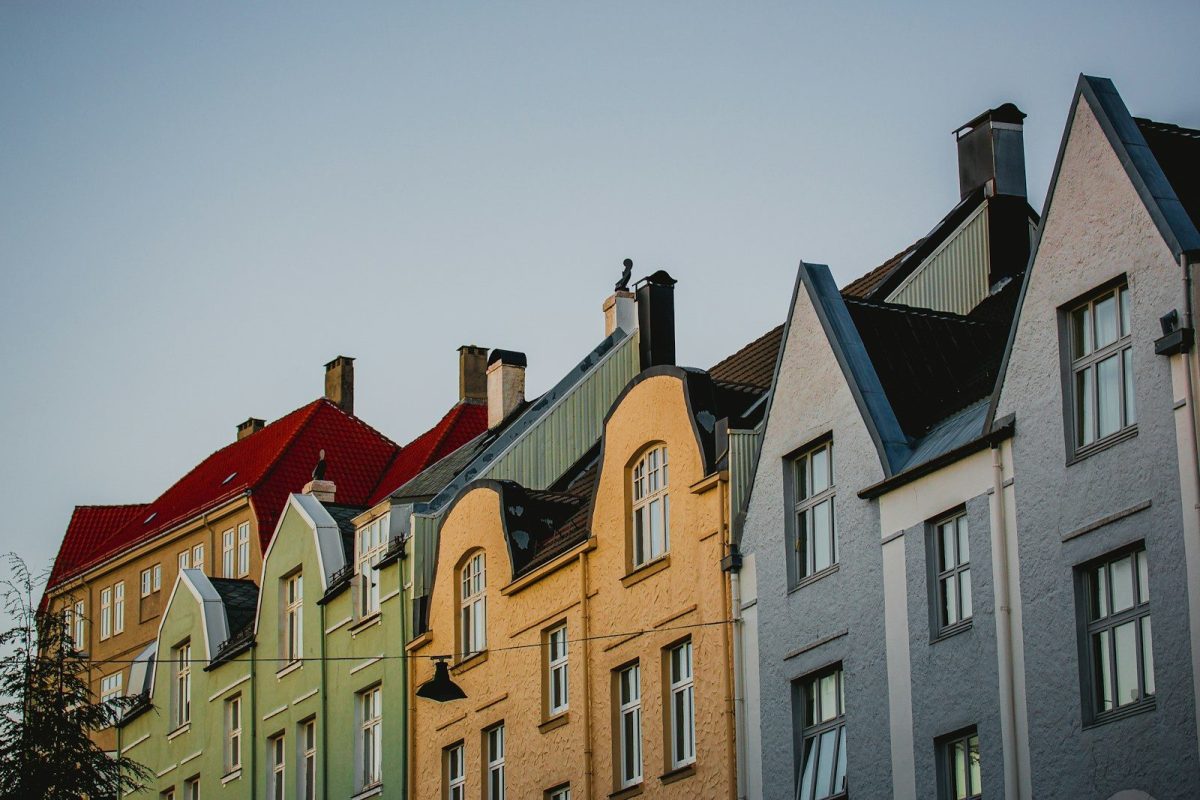
No city is fully protected from climate change. Rising temperatures, flooding, infrastructure strain, and rising insurance costs continue to affect communities across the world. Some cities have moved faster than others in preparing for those challenges.
Places investing in clean energy, water security, public transportation, and climate adaptation projects are attracting growing numbers of residents. Access to healthcare, employment, education, and reliable infrastructure also plays a major role in relocation decisions. In 2026, climate migration has shifted from a future prediction to an active trend shaping housing markets and city planning. The cities preparing today are likely to remain attractive destinations for decades to come.
