
A ferry ride can feel simple until one small terminal detail turns into a long line, a missed sailing, or a hungry ride across the water.
Ferry day trips look easy on paper: pick a sailing, show up, ride across, and enjoy the destination. The stress usually starts in the terminal, where parking lanes, ticket rules, boarding cutoffs, and basic amenities can vary more than travelers expect. These five details are worth checking before you leave home, especially if you are bringing a car, kids, bikes, luggage, or anyone who needs extra time to board.
The Vehicle Reservation Lane
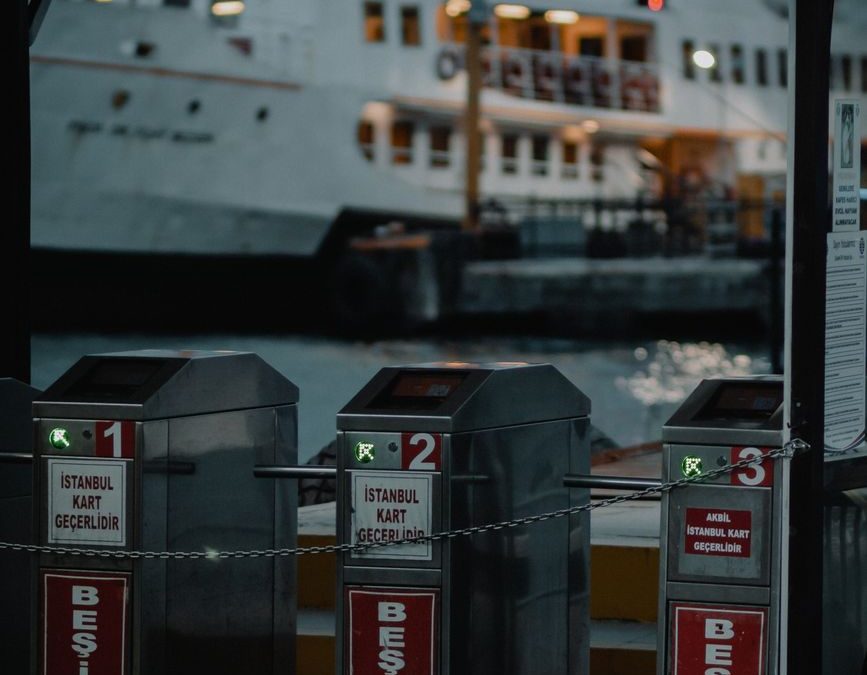
A vehicle reservation can change the whole rhythm of a ferry day trip, but only if the terminal treats reserved vehicles differently from standby traffic. Some routes require or strongly recommend reservations for cars, while others operate more like first-come, first-served lines. If you miss the correct lane, arrive after the cutoff, or assume a reservation is the same as a guaranteed late arrival, the trip can start with a stressful wait.
- Check next: whether your route accepts vehicle reservations.
- Look for: reserved, standby, oversized, and ticketed vehicle signs.
- Helps: families, drivers with tight plans, and travelers heading to islands with limited sailings.
The smartest move is to read the terminal instructions before you drive in. A five-minute review can prevent a wrong-lane mistake that costs an hour.
The Walk-On Cutoff

Walk-on passengers often assume they can arrive right at departure time because they are not parking a car. That is where ferry terminals can surprise people. Many systems close boarding before the listed sailing time so crew can manage ramps, scanning, and passenger movement safely. If you are buying tickets at the window, waiting for a restroom, or walking with children, that last few minutes can disappear fast.
- Check next: the required boarding time for walk-on passengers.
- Build in: time for ticket scanning, elevators, ramps, and crowds.
- Affects: anyone using transit, rideshare, hotel shuttles, or street parking near the dock.
Plan to be inside the terminal before the final boarding push begins. A ferry may still be visible at the dock, but that does not mean passengers are still being accepted.
The Ticket Window Rule
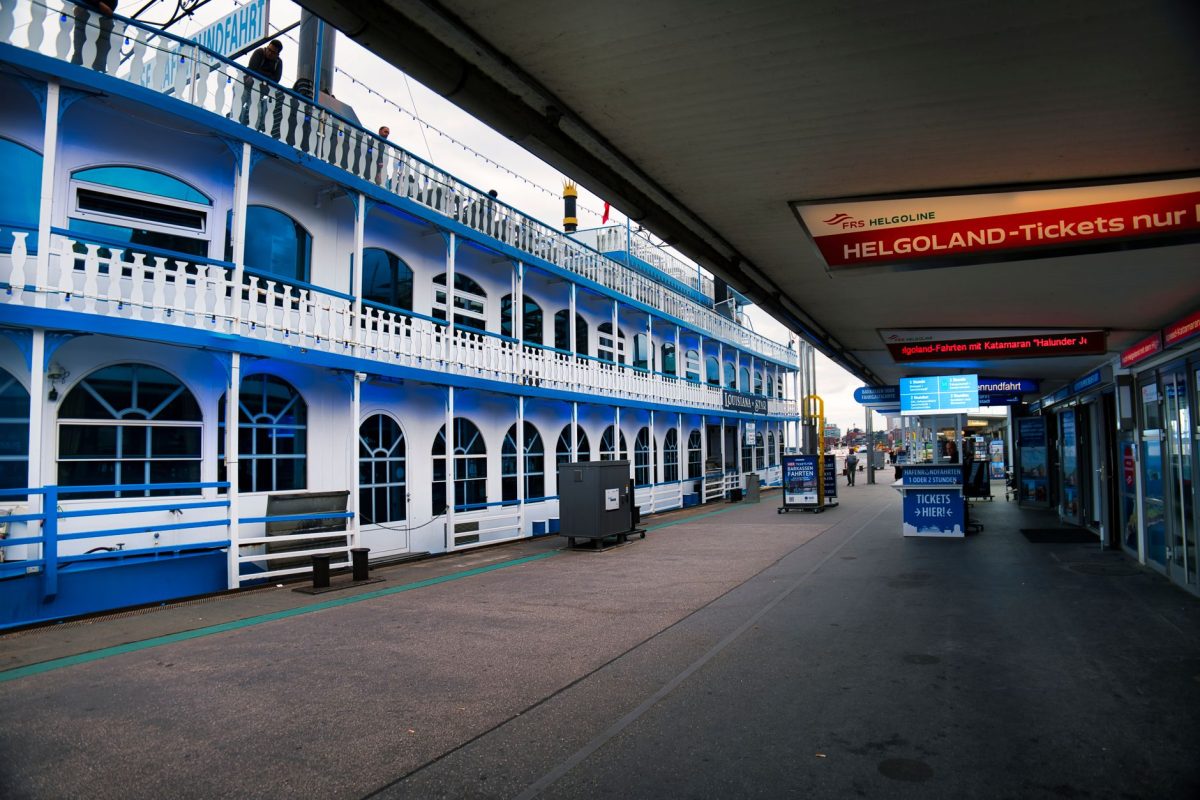
Online tickets make ferry travel feel simple, but not every fare type works the same way. Some discounts, special fares, bikes, oversized vehicles, or proof-based tickets may require a staffed counter, extra documentation, or a different purchase step. That matters most on day trips because there is little room to fix a ticket problem without missing the sailing you planned around.
- Check next: whether your passenger, vehicle, bike, senior, youth, or accessibility fare can be bought online.
- Bring: the proof or ID required for any reduced fare.
- Affects: multigenerational groups, cyclists, and anyone comparing walk-on versus vehicle pricing.
Do not wait until the terminal line is moving to figure out the fare rules. A ticket that looks cheaper may require an in-person step you did not budget time for.
The Snack and Signal Gap
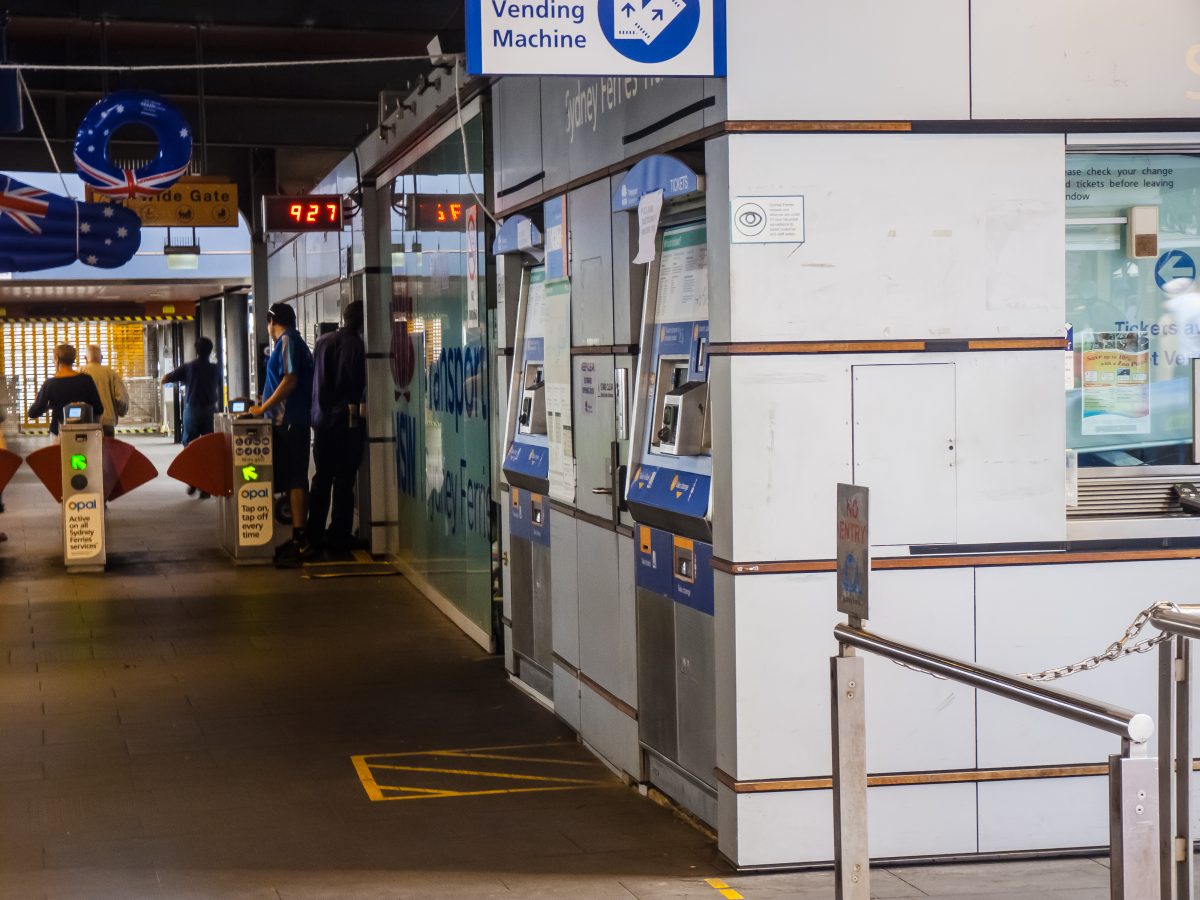
Food, coffee, vending machines, and Wi-Fi are easy to overestimate at ferry terminals. Some terminals have decent options; others have limited hours, long lines, no public Wi-Fi, or nothing practical once boarding begins. On a short hop this may not matter, but on a day trip with kids, medication timing, work messages, or a late return sailing, the snack and signal gap can become a real annoyance.
- Check next: terminal food hours and whether the ferry itself sells snacks.
- Pack: water, a small snack, and downloaded tickets or maps.
- Helps: families, remote workers, and travelers visiting smaller docks.
Assume the terminal is a waiting room first and a cafe second. If better food is available, treat it as a bonus rather than the plan.
The Boarding Ramp
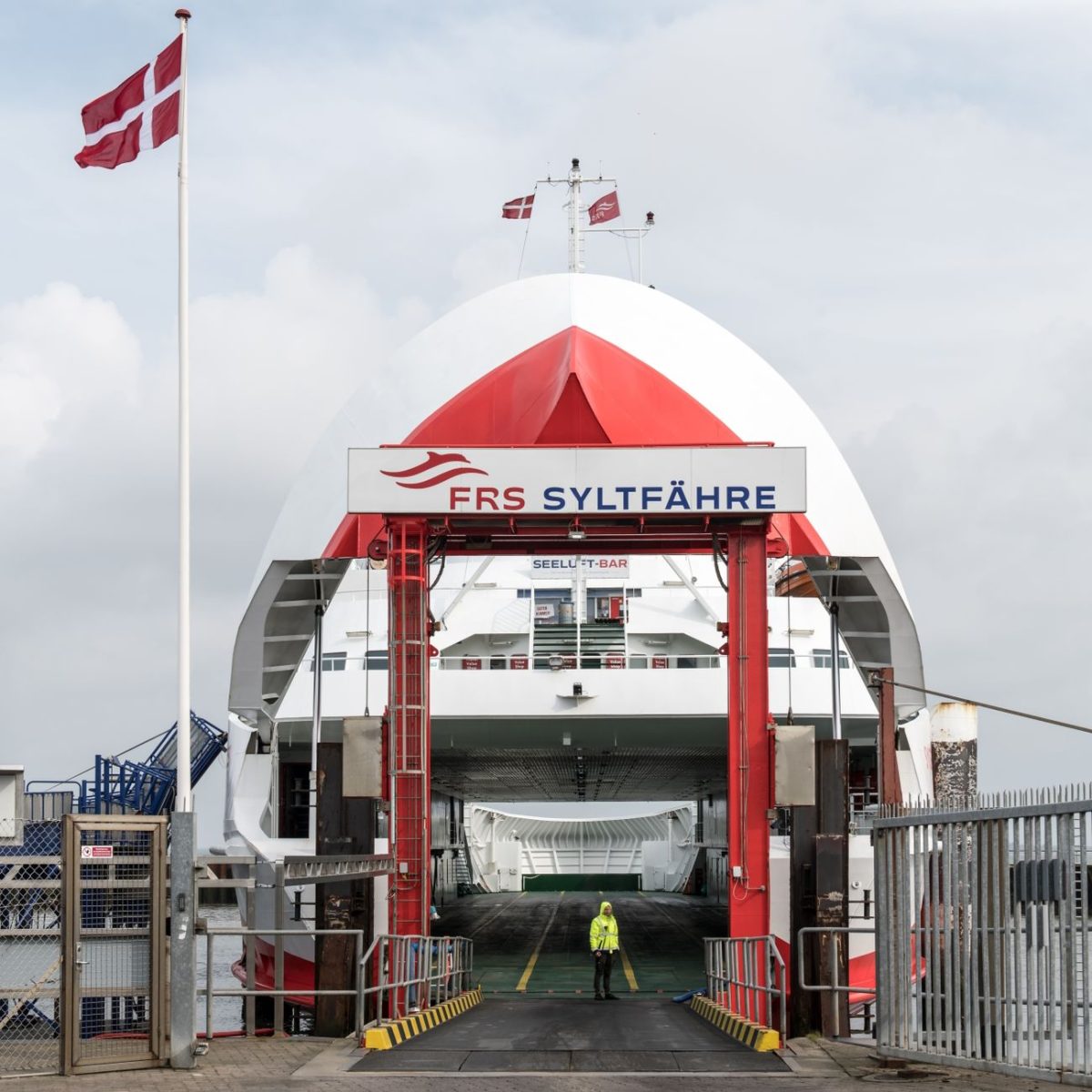
The boarding ramp is the detail many travelers notice only when they are already carrying too much. Ferry ramps can involve slopes, metal surfaces, wet spots, narrow turnstiles, stairs nearby, or a different path for bikes and mobility devices. None of that has to ruin the trip, but it can slow the group down if everyone arrives with open bags, loose beach gear, or a stroller packed like a luggage cart.
- Check next: bike, stroller, luggage, and accessibility boarding instructions.
- Prepare: straps, small bags, and hands-free essentials before the boarding call.
- Affects: cyclists, parents, older travelers, and anyone with rolling luggage.
If someone in your group needs extra time, ask staff early rather than waiting at the ramp. The easiest boarding is usually the one planned before the line starts moving.
A ferry day trip does not need a complicated plan, but it does reward a few targeted checks. Confirm the vehicle rules, the walk-on cutoff, the ticket process, the food situation, and the boarding path before you leave. Those small terminal details can be the difference between a calm ride across the water and a day that feels late before it begins.
This article was created with AI assistance and reviewed for clarity, sourcing, and editorial quality.
