
Some destinations sell a dream. Others deliver a reality so far removed from the brochure that visitors board the return flight with one firm thought: never again. The eight countries below are not without merit. Several contain landscapes and histories that rank among the world’s most extraordinary.
What they share is a collection of frictions, political systems that resist open exploration, physical environments that exhaust rather than refresh, and infrastructure so limited that the effort of getting there eclipses the experience of being there.
1. Saudi Arabia
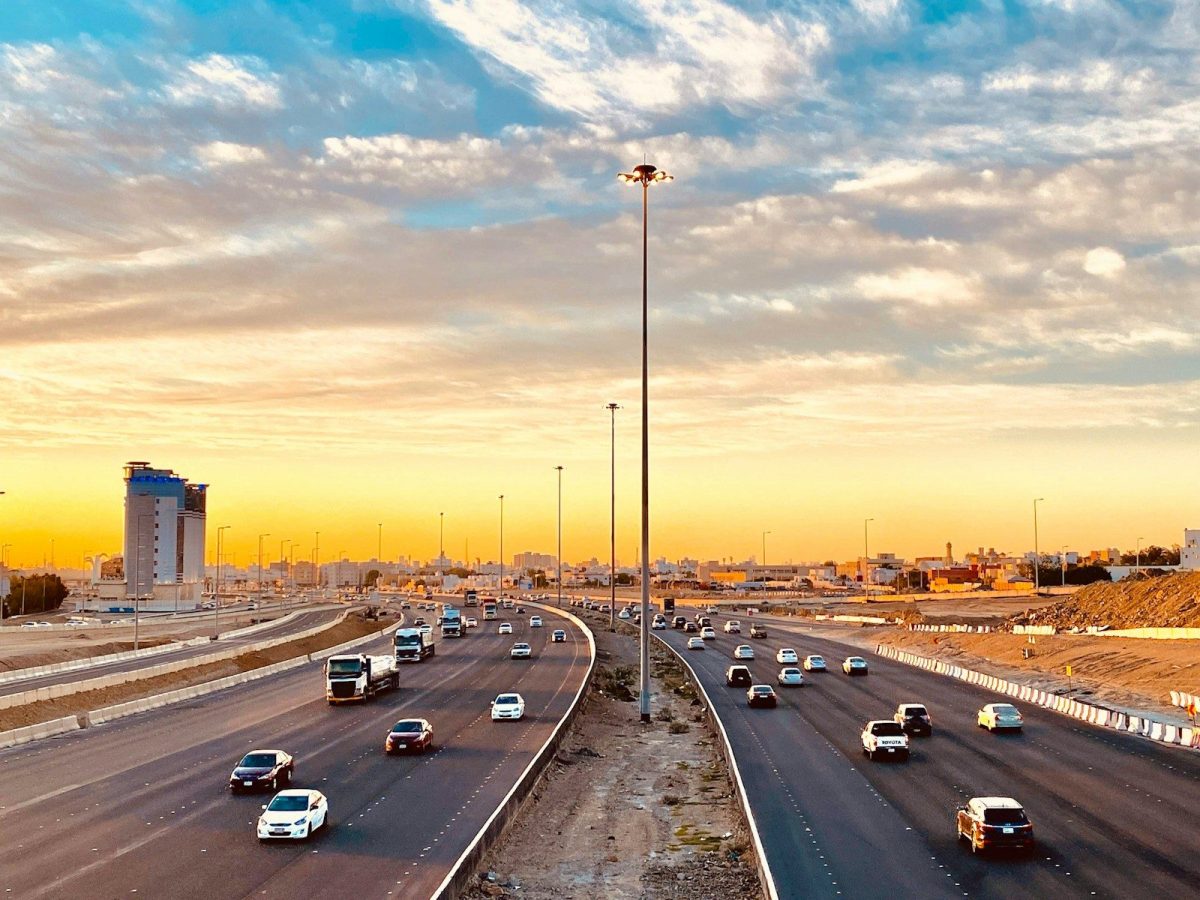
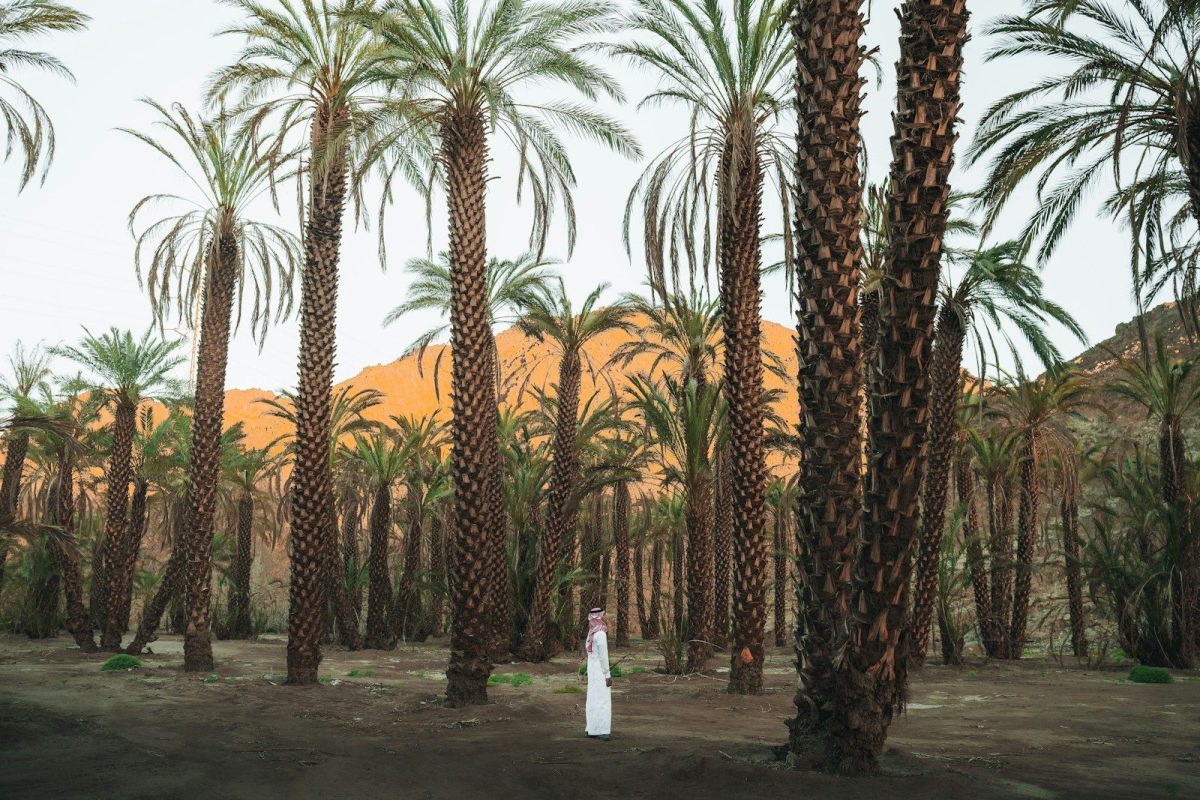
Saudi Arabia has poured hundreds of billions into tourism since opening to leisure travelers in 2019. Al-Ula’s Nabataean ruins are breathtaking, and the restored district of Diriyah is impressive in scale. The gap between the marketing and the experience remains wide, though. Alcohol is illegal. Dress codes vary by region.
July temperatures in Riyadh regularly crack 47 degrees Celsius. The visa process has simplified, but overall costs remain steep, and many first-time visitors find the experience more disorienting than rewarding. The ambition is real. One trip tends to satisfy the curiosity.
2. Turkmenistan
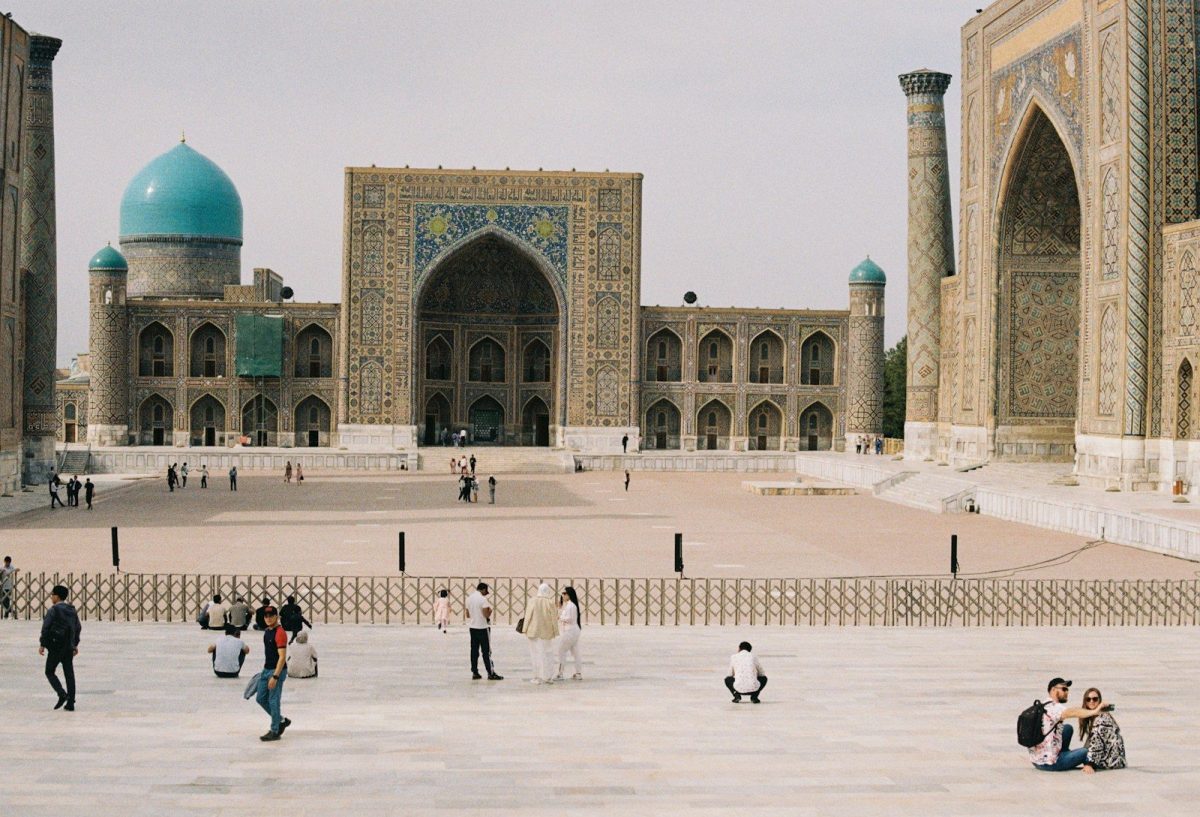
Every visitor to Turkmenistan requires prior government approval, a pre-arranged itinerary, and a state-assigned guide for the entire trip. Independent exploration is impossible. Ashgabat, the capital, is a city of white marble buildings and gold-plated statues built to honor former presidents, largely empty despite its monumental scale.
The flaming Darvaza crater in the Karakum Desert is genuinely otherworldly and the one sight most visitors consider worth the journey. The surveillance, restricted movement, and expense of the guided-only structure leave most travelers feeling like monitored guests. The novelty burns off quickly.
3. Nauru
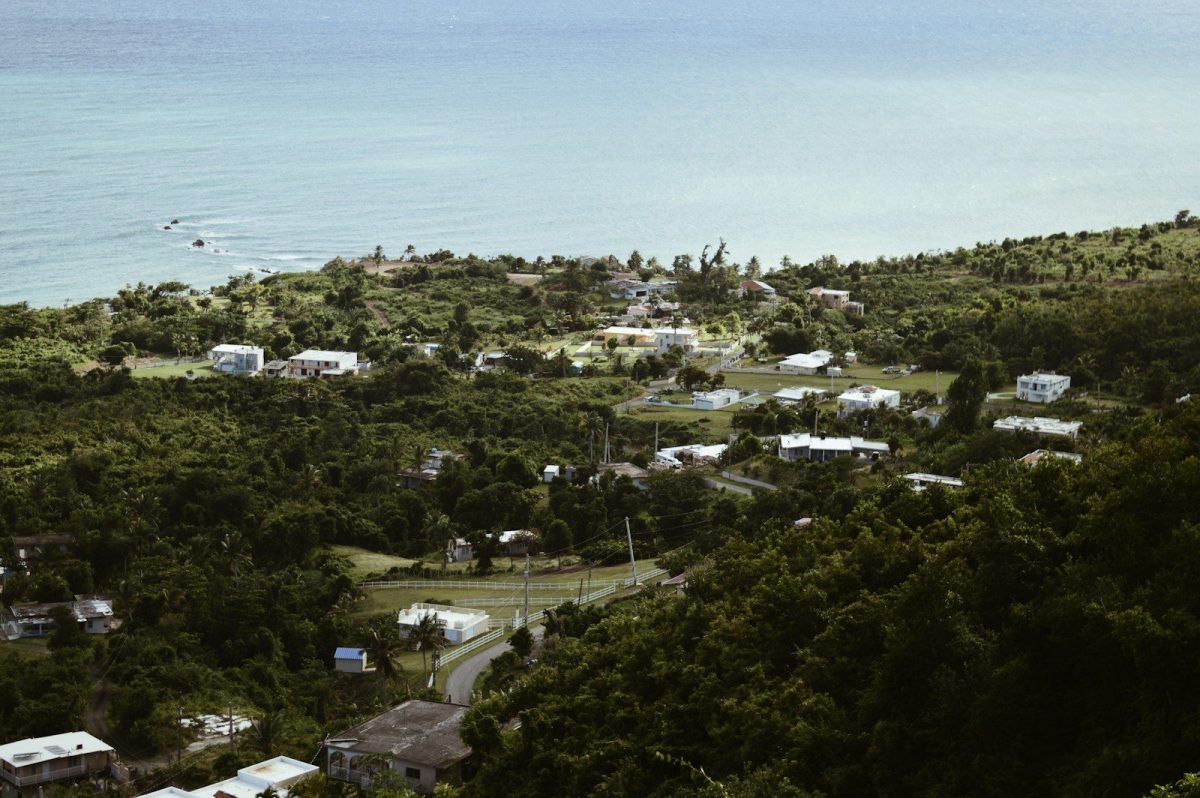
Nauru is the world’s smallest island nation and one of the hardest places on earth to reach, typically requiring a connection through Brisbane or Nadi on limited weekly flights. The island was once wealthy from phosphate mining. By the time the deposits ran out in the early 2000s, roughly 80 percent of the interior had been strip-mined into a moonscape of jagged limestone.
One hotel, limited restaurants, and a reef worth snorkeling are what remain. Most travelers make the trip for the distinction of having been somewhere almost nobody else has. One visit fully satisfies that particular goal.
4. Eritrea
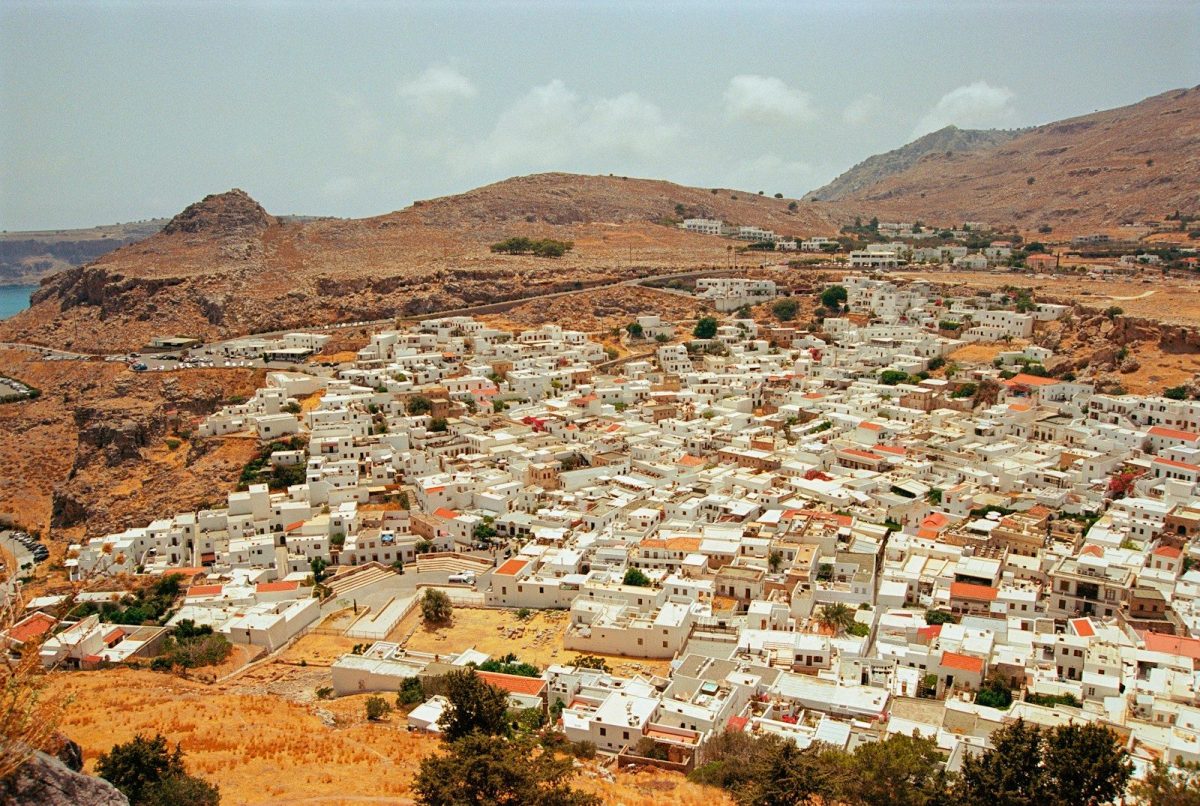
Eritrea’s capital, Asmara, is genuinely remarkable. Its intact collection of Art Deco and Italian Rationalist colonial architecture earned UNESCO World Heritage status in 2017, and the city’s café culture feels surprisingly European. Outside the capital, the picture changes. Tourists must obtain permits for any movement beyond Asmara, exchange currency at state-mandated rates, and follow regulations that make spontaneous travel essentially impossible.
Human rights organizations continue to raise serious concerns about conditions across the country. Most visitors leave feeling they only scratched the surface of a place that actively prevents deeper engagement.
5. Libya
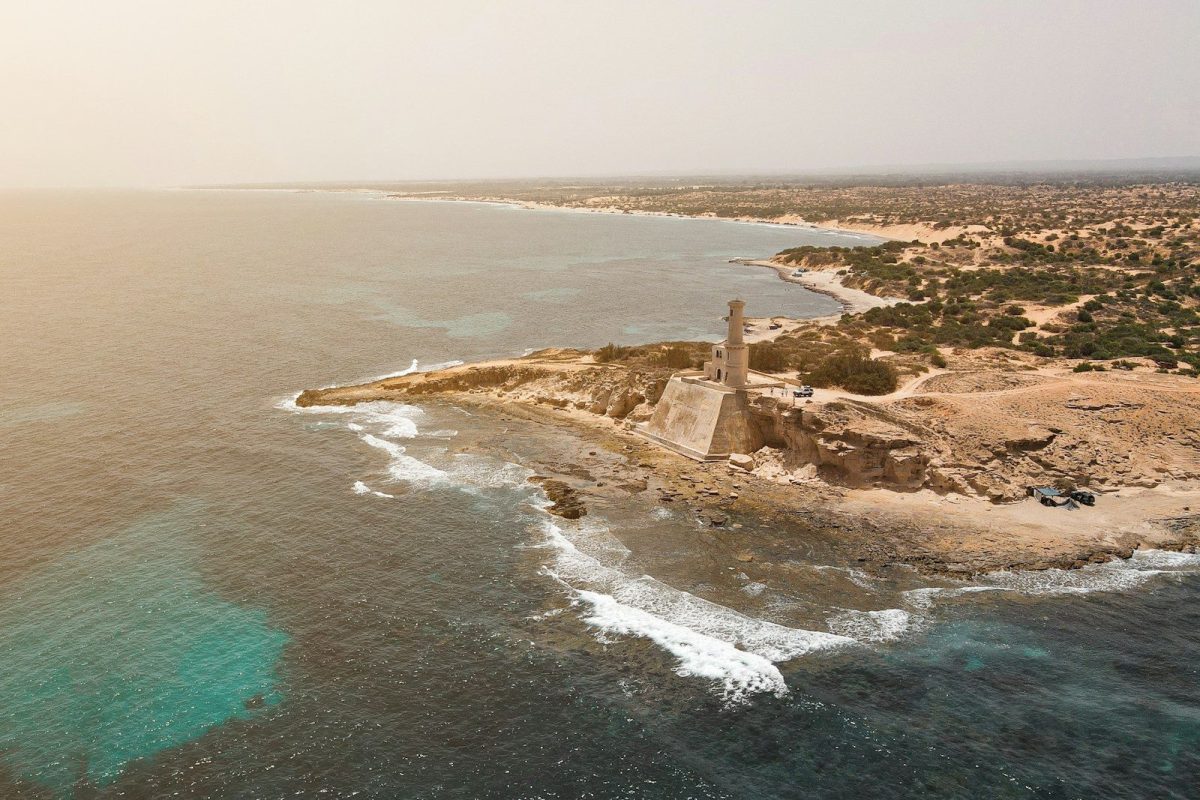
The Roman ruins at Leptis Magna are among the best-preserved in the Mediterranean world, comparable in scale and detail to Pompeii. Before 2011, Libya was emerging as a serious archaeological destination. The revolution changed that. As of 2026, large parts of the country remain controlled by competing factions, and most Western governments maintain their highest-level travel warnings.
A small number of specialist operators run heavily managed tours under private security. Most people who make the trip acknowledge it is a calculated risk they would be reluctant to repeat.
6. Kiribati
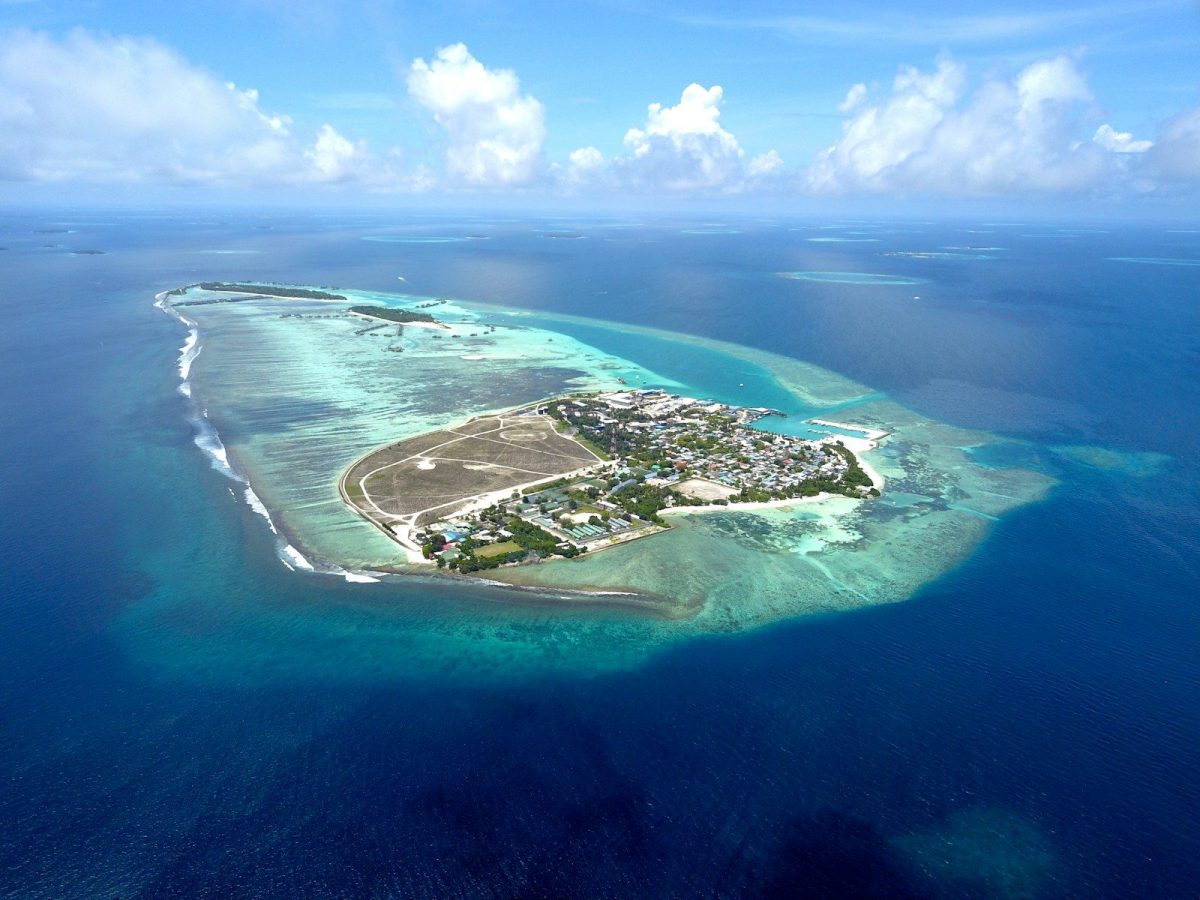
This collection of 33 low-lying atolls scattered across the central Pacific sits at an average of barely two meters above sea level. The government has already purchased land in Fiji as a contingency against rising oceans, and some outer islands have been partially abandoned. Flights are limited and expensive.
Accommodation is basic. A visit feels less like a vacation and more like bearing witness to something disappearing in real time. Most visitors come once and leave with a weight that has nothing to do with a desire to return.
7. Chad
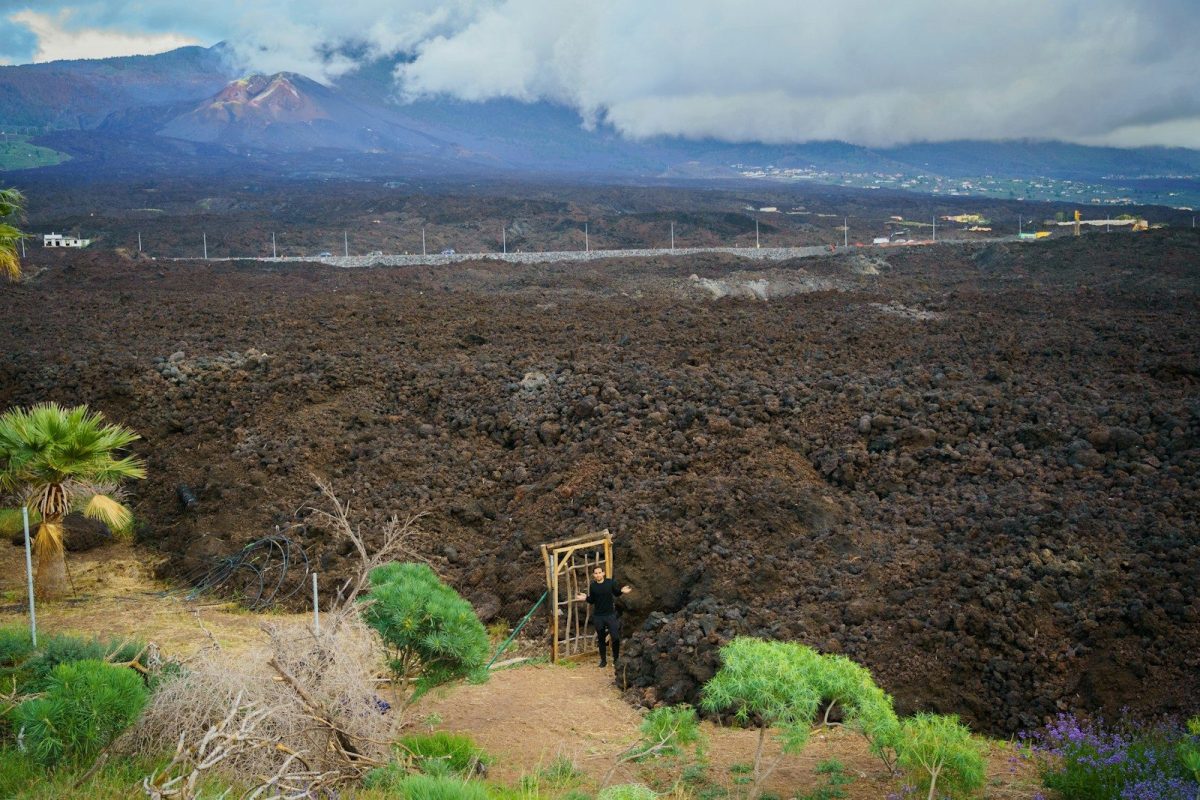
Chad’s Ennedi Plateau in the country’s northeast features towering sandstone arches, hidden oases, and ancient rock art that photographers rank among the most striking landscapes on earth.
Getting there involves days of driving across unpaved desert tracks with limited water and no reliable communication. Tourism infrastructure barely exists beyond a handful of expensive specialist expeditions. Visitors tend to return home with extraordinary memories and a firm resolve not to repeat the physical experience of the journey.
8. Equatorial Guinea
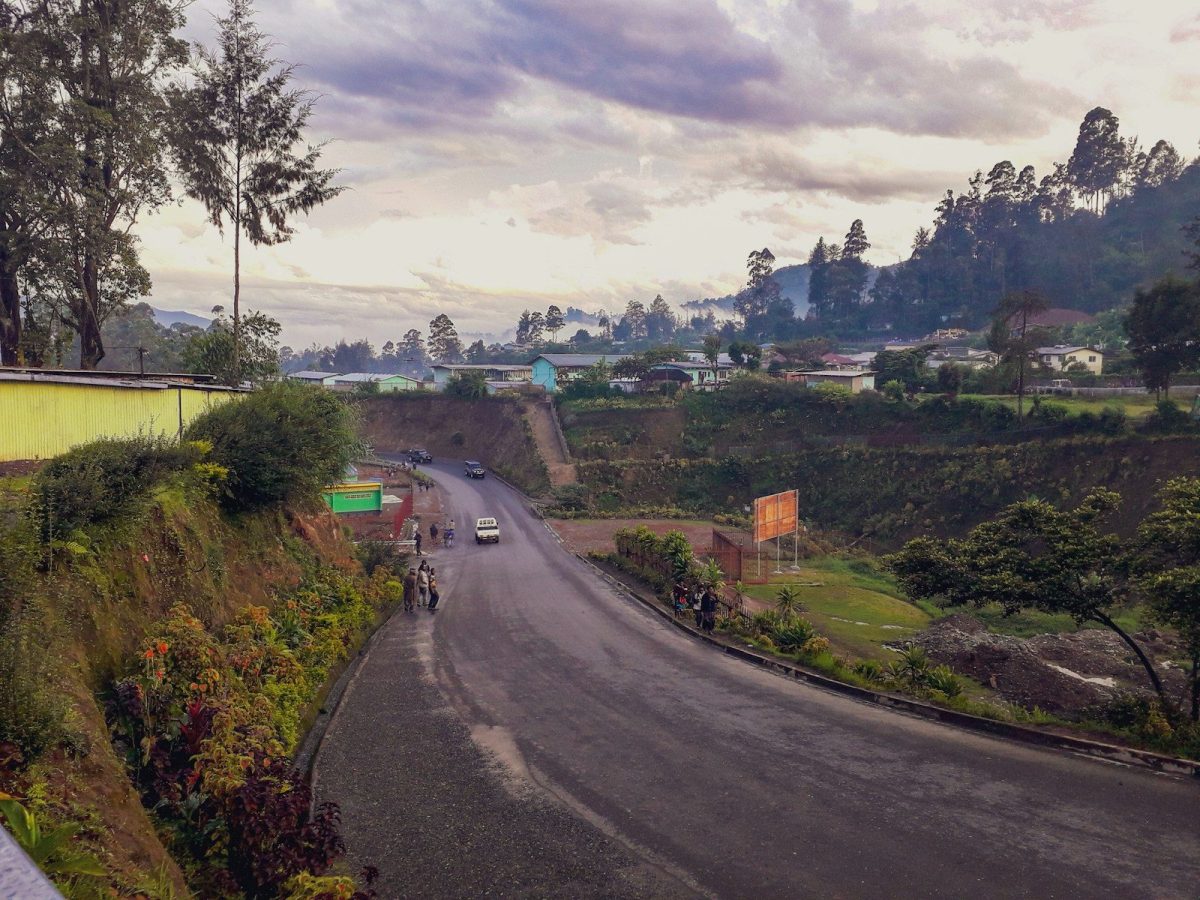
Equatorial Guinea is one of sub-Saharan Africa’s wealthiest countries per capita, driven entirely by offshore oil. The Obiang family has governed since 1979, and Transparency International consistently ranks the country among the world’s most corrupt.
The visa process is opaque, accommodation outside the capital Malabo is sparse, and tourist infrastructure is almost nonexistent. Bioko Island has genuine rainforest beauty, and Bata has colonial-era character. Most visitors leave satisfied with the experience of having been there once, and feel little structural reason to return.
A Common Thread
These eight countries do not fit neatly into either the great trip or the terrible trip category. The common thread is not failure. Each destination demands a great deal and offers relatively little encouragement to come back.
The frictions differ, political control, physical danger, extreme remoteness, environmental hostility, but the result is similar. One trip tells the whole story.
