
America’s hotel industry is growing increasingly anxious ahead of the 2026 FIFA World Cup, with many properties reporting far lower booking numbers than expected despite millions of tickets already being sold.
For years, tourism leaders across the United States, Canada, and Mexico prepared for the tournament by expanding infrastructure, increasing staffing, and investing heavily in accommodations. Back in December, White House Task Force Executive Director Andrew Giuliani estimated the U.S. could welcome between five and seven million overseas visitors during the competition.
But with just weeks remaining before kickoff, reality appears far less optimistic.
Economic forecasting firm Tourism Economics now predicts the U.S. will receive only around 1.24 million international visitors during the tournament, a dramatic shortfall compared to earlier projections. The gap between expectations and reality is beginning to alarm hotel operators across several host cities.
Hotels across major cities report weaker demand

According to a recent survey from the American Hotel & Lodging Association (AHLA), nearly 80 percent of responding hotels said bookings are coming in below forecasts.
Some of the biggest concerns are emerging in cities expected to benefit most from the World Cup, including Kansas City, Los Angeles, New York City, Seattle, San Francisco, Boston, and Philadelphia.
In Kansas City, between 85 and 90 percent of hotels say booking levels are currently tracking below what they would normally expect during peak summer months. Hotels in Boston, Seattle, Philadelphia, and San Francisco are also seeing softer demand than anticipated, while around two-thirds of hotels in New York City report weaker-than-expected reservations.
Even Los Angeles, one of the tournament’s headline destinations, has seen between 65 and 70 percent of hotels report disappointing booking levels.
The situation has become even more complicated after FIFA reportedly canceled thousands of hotel reservations tied to prearranged room blocks.
FIFA room blocks created false optimism
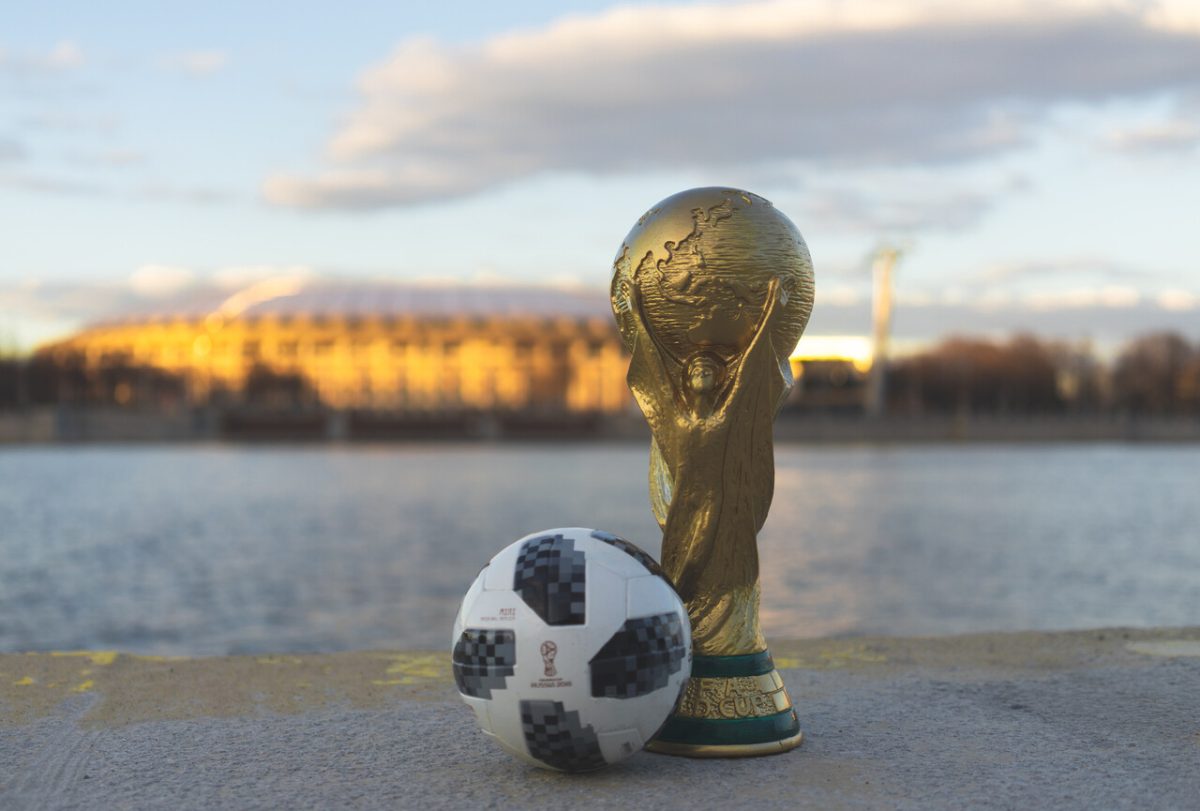
Many hotels initially believed demand would surge because FIFA reserved large blocks of rooms across host cities months in advance.
These room blocks allowed hotels to project strong occupancy rates early on, leading many businesses to increase staffing, renovate properties, and prepare for packed summer schedules.
However, many of those rooms were never actually booked by travelers.
As a result, FIFA has now canceled around 70 percent of those room blocks, leaving hotels scrambling to refill rooms at short notice during what was expected to be one of the busiest tourism periods in recent history.
Industry analysts say the cancellations created a misleading picture of demand and may have inflated early expectations about the tournament’s economic impact.
Experts question the expected economic boost
According to a report by Oxford Economics, the World Cup will still provide some growth for the hospitality and leisure sectors, but the overall economic impact may be far smaller than originally hoped.
“Outside of the leisure and hospitality sectors, the World Cup games will not have a material impact on these metros’ overall jobs and GDP gains this year,” the report states.
Part of the issue is that domestic travelers are expected to make up a significant portion of ticket holders. While American fans still contribute to tourism spending, international visitors typically stay longer and spend far more money during trips.
Data from the U.S. Travel Association shows international World Cup travelers are expected to spend an average of $5,048 over several weeks, while domestic travelers spend roughly $4,794 during much shorter stays.
Visa delays and border concerns may be discouraging visitors

Some analysts believe visa processing delays are already affecting attendance.
Jan Freitag, national director of hospitality market analytics at CoStar, told Forbes that international fans may simply be running out of time to secure travel documentation.
“If a team has a fan base that needs a visa, that time is getting short or has already passed,” he said.
At the same time, concerns about U.S. border policies and immigration enforcement are also discouraging some overseas travelers.
During a recent press briefing, White House Task Force Executive Director Andrew Giuliani was asked whether Immigration and Customs Enforcement raids would be paused during the tournament. According to The New York Times, Giuliani responded: “The president has not ruled out anything that will make American citizens safer.”
The comments sparked backlash online, with some soccer fans openly reconsidering plans to travel to the United States.
“The World Cup should be canceled, or all games moved out of the U.S.,” one commenter wrote online.
Another added: “I don’t know why anyone on earth would travel to the US or inside the country at the moment.”
The ongoing Canadian boycott of U.S. travel and growing concerns about strict border enforcement may also contribute to weaker international turnout than initially expected.
For many hotels that spent years preparing for a tourism windfall, the fear now is that the World Cup may not deliver the economic payoff they were promised.
