
Travel may still be a priority for many Americans, but in 2026, it’s becoming increasingly expensive to make those vacation dreams a reality. From higher airfare and hotel rates to rising restaurant and transportation costs, travelers across the country are feeling the financial squeeze, and many are adjusting their plans accordingly.
A new survey conducted by Talker Research on behalf of CheapCaribbean Vacations found that 58% of Americans plan to spend less on travel this year compared to last year. On average, respondents said their travel budgets have dropped by 23%, while 75% admitted that rising prices have significantly reduced how far their vacation dollars can stretch.
Americans Are Traveling Smarter
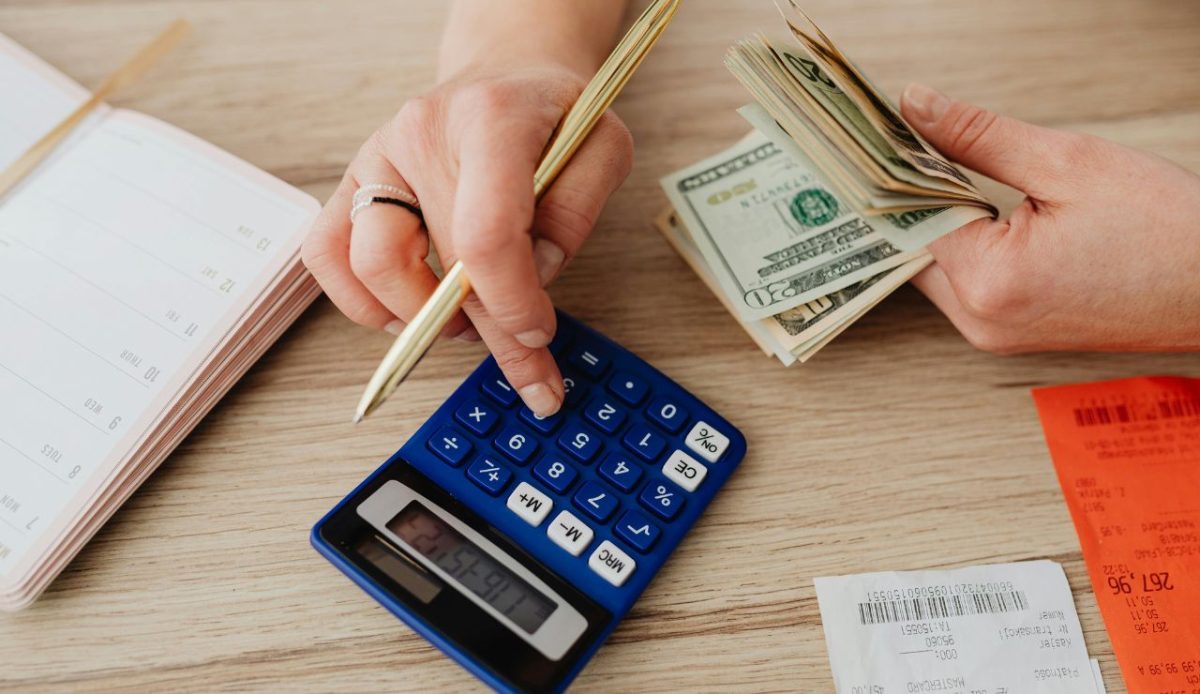
Rather than giving up travel completely, many Americans are simply becoming more strategic about how they vacation. Budget-conscious travelers are shortening trips, choosing destinations closer to home, and hunting for deals earlier than ever before.
For some families, that means replacing international vacations with domestic road trips. Others are opting for off-season travel to avoid peak pricing on flights and accommodations. Flexible scheduling has become one of the biggest money-saving tools for travelers looking to stretch their budgets without sacrificing experiences.
Travel experts say consumers are also prioritizing value over luxury. Instead of splurging on five-star resorts or premium airfare, travelers are searching for affordable hotels, package deals, and free activities once they arrive at their destination.
Inflation Is Changing Vacation Habits

The rising cost of living has impacted nearly every aspect of daily life, and vacations are no exception. Inflation continues to affect airfare, gas prices, dining costs, and entertainment expenses, making travel noticeably more expensive than it was just a few years ago.
For many Americans, travel now requires stricter budgeting and more financial planning. Some travelers reported delaying vacations altogether, while others said they are using credit card points, loyalty rewards, or installment payment plans to offset costs.
The survey highlights a growing trend of “budget-first travel planning,” where travelers decide how much they can afford before choosing a destination. In previous years, many people selected dream destinations first and worried about the costs later. In 2026, affordability is becoming the deciding factor.
Shorter Getaways Are Becoming More Popular

Weekend escapes and mini vacations are seeing a rise in popularity as travelers attempt to balance their desire to explore with tighter budgets. Instead of taking one large two-week vacation, many Americans are opting for shorter, more affordable trips spread throughout the year.
This trend is especially popular among younger travelers and families trying to avoid major travel debt. Quick beach getaways, nearby city breaks, and drivable destinations are becoming attractive alternatives to expensive overseas adventures.
At the same time, travelers are becoming more selective about where they spend money during trips. Many are prioritizing memorable experiences over material purchases, focusing on activities like local tours, outdoor adventures, and cultural attractions rather than luxury shopping.
Travel Remains a Priority Despite Higher Costs

Even with rising prices, Americans are not ready to give up traveling altogether. For many people, vacations remain an important way to relax, reconnect with loved ones, and escape everyday stress.
Instead of eliminating travel plans completely, most travelers are simply adapting to a more expensive reality. Whether it’s booking cheaper accommodations, traveling during off-peak periods, or choosing destinations closer to home, Americans are finding creative ways to continue exploring without breaking the bank.
The survey ultimately shows that while inflation may be reshaping travel habits, the desire to vacation remains stronger than ever.
