
Spain’s famous outdoor dining culture could look very different this summer as new heat-related rules may force bars, cafés, and restaurants to temporarily close terraces during extreme weather.
For many travelers, sipping sangria on a sunny terrace is one of the highlights of visiting Spain. But with temperatures regularly soaring above 40C during recent summers, the country is introducing stronger protections for hospitality workers exposed to dangerous heat.
The new regulations are part of an amendment to Spain’s National Labour Agreement for the Hospitality Sector, known as ALEH. Under the updated rules, businesses may have to shut outdoor service areas if conditions become too hot and there is not enough shade, cooling equipment, or protection for staff.
Outdoor terraces may close during severe heat alerts
The rules would come into effect when Spain’s weather agency, State Meteorological Agency, also known as AEMET, issues orange or red heat alerts.
Rather than immediately shutting terraces, businesses are first expected to try alternative safety measures. These can include adjusting work shifts, reorganizing schedules to avoid peak afternoon heat, increasing hydration breaks, and creating cooler rest areas for employees.
However, if conditions remain unsafe and businesses fail to provide adequate protection, outdoor service may need to stop entirely until temperatures improve.
Companies that ignore the rules could face serious financial penalties, with fines reportedly exceeding €50,000 in the most severe cases.
The regulations also apply to other dangerous weather events, including flooding and heavy snow, though extreme heat remains the biggest concern across much of Spain.
Spain is adapting to increasingly extreme summers
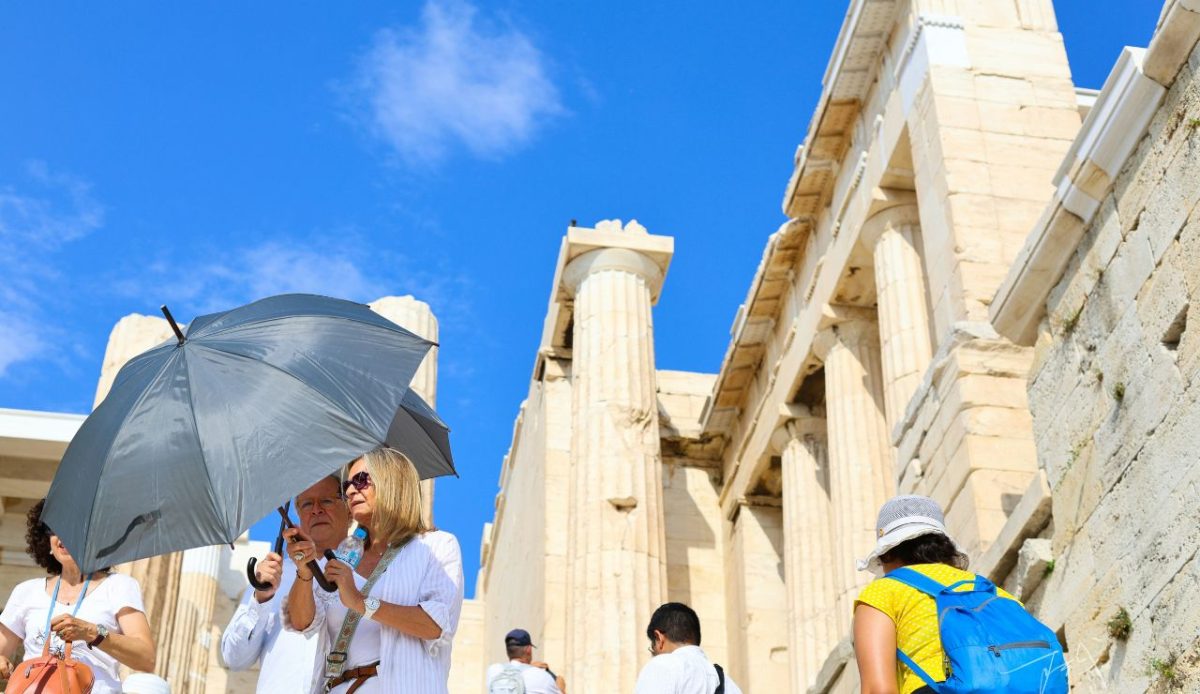
The move comes after several brutal summers that pushed Spain’s infrastructure and emergency services to the limit. In 2025, the country experienced devastating heatwaves linked to more than 1,000 deaths.
Some regions recorded temperatures as high as 46 °C, while drought conditions and strong winds fueled major wildfires across central and southern areas. Officials described it as Spain’s worst wildfire season since records began in 2006.
Prime Minister Pedro Sánchez has repeatedly warned that extreme summer heat is becoming “the new normal” for the country.
In response, Spain has also announced plans to expand public “climate shelters” nationwide. These air-conditioned spaces are designed to give residents and visitors somewhere safe to cool down during dangerous heatwaves.
Climate shelters are expanding across the country

Several regions, including Catalonia, have already introduced cooling shelters in cities such as Barcelona. The government now plans to roll out more shelters nationwide before the peak of summer 2026.
These public spaces will provide free drinking water, seating areas, and air conditioning, particularly in regions most vulnerable to extreme heat.
Officials say the goal is to help both locals and tourists safely manage increasingly intense summer conditions while reducing heat related illnesses.
Tourists may notice more lifestyle changes in Spain
The terrace regulations are only one part of Spain’s wider effort to adapt to climate change and improve public health.
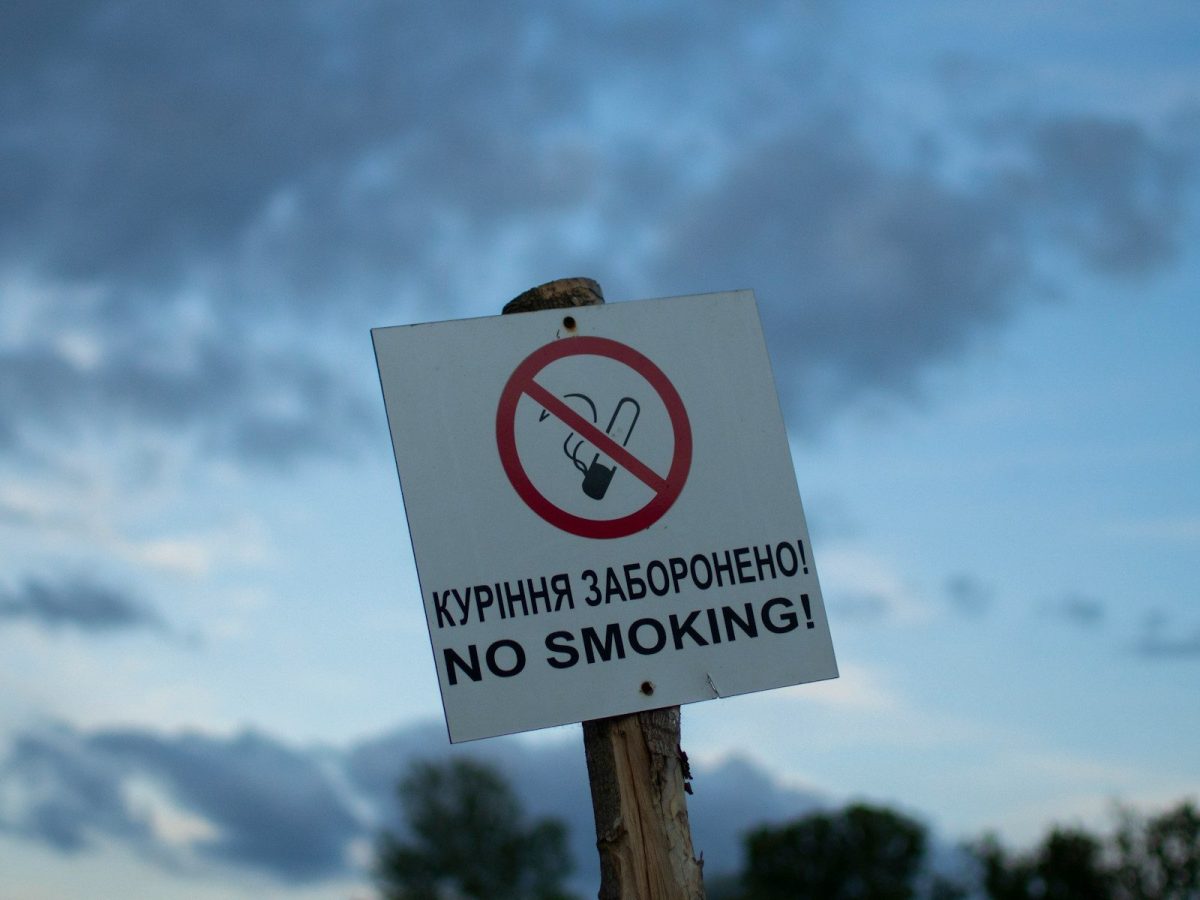
The country has also approved new smoking restrictions that will expand smoke-free areas to outdoor terraces, playgrounds, university campuses, bus stops, stations, and public swimming pools.
For travelers planning a summer trip, the changes may require a bit more flexibility, especially during peak afternoon heat. Early dinners, shaded indoor cafés, and evening terrace culture could become even more common as Spain adjusts to hotter summers.
Despite the changes, Spain remains one of Europe’s most popular destinations, and many visitors may find the new measures ultimately make summer travel safer and more comfortable for everyone.
