
Buying a new suitcase sounds simple, but with so many sizes, styles, and features on the market, it’s surprisingly easy to choose the wrong one. From oversized checked bags to trendy carry-ons that fall apart after one trip, many travelers end up regretting their purchase before they even leave the airport.
Travel experts say the secret to finding the right suitcase is focusing on practicality instead of hype. Whether you travel frequently for work or only take the occasional vacation, avoiding a few common mistakes can save you money, stress, and frustration.
Buying the wrong size suitcase
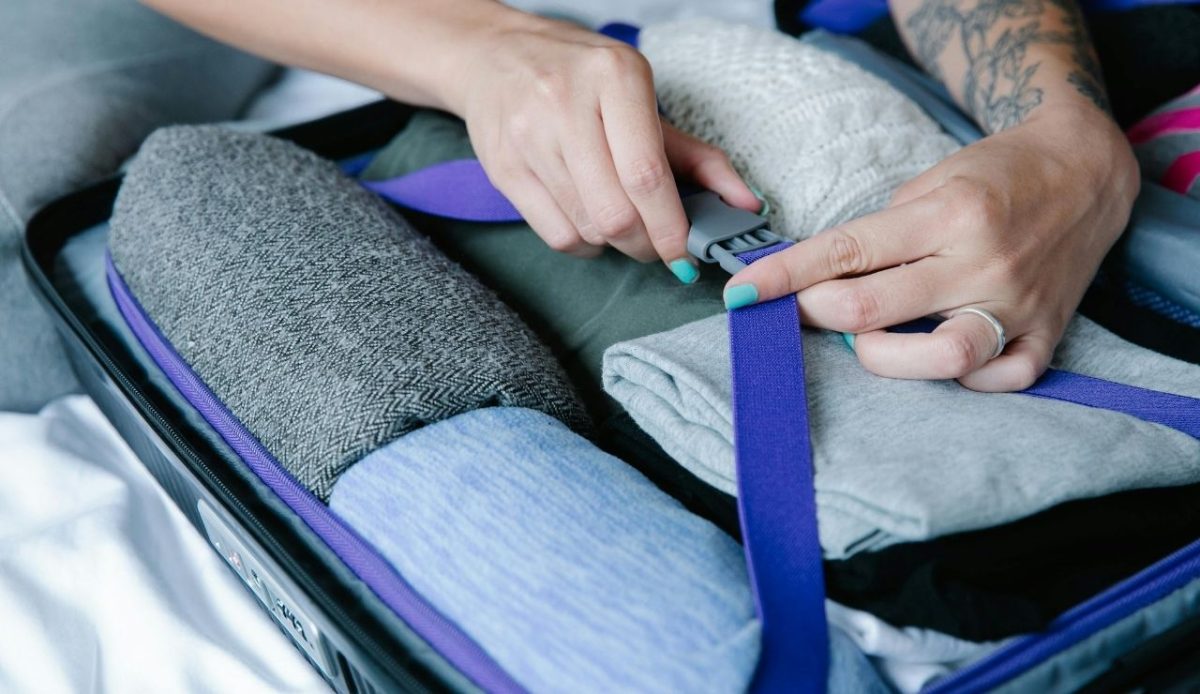
One of the biggest mistakes travelers make is choosing luggage that doesn’t match the kind of trips they actually take.
Many people automatically buy large checked suitcases because they assume bigger is better. But oversized luggage can quickly become a hassle. Heavy bags are harder to maneuver through airports, more expensive to check, and difficult to fit into rental cars or hotel rooms.
At the same time, travelers who rely on carry-on luggage sometimes forget how strict airline rules can be. A suitcase that works perfectly on one airline may exceed the size limit on another, potentially leading to expensive baggage fees at the gate.
Experts recommend thinking honestly about your travel habits before making a purchase. If you mostly take weekend trips, business travel, or short domestic flights, a lightweight carry-on is usually the smartest option. For longer vacations or family travel, investing in a durable checked bag makes more sense.
Prioritizing style over durability

Social media has made stylish luggage more popular than ever, but travel experts warn against choosing a suitcase based on looks alone.
Many trendy suitcases scratch easily, crack under pressure, or lose wheels after only a few flights. While appearance matters, durability should always come first, especially for frequent travelers.
Hard-shell luggage is popular because it protects fragile belongings better, while soft-sided bags offer more flexibility and expandable storage space. Neither option is automatically better — it depends on your travel style — but quality materials are essential either way.
Experts also recommend paying close attention to wheels, handles, and zippers, since those are usually the first parts to break. Four-wheel spinner luggage tends to provide the smoothest airport experience, especially when carrying heavier loads.
Choosing the cheapest suitcase possible

Budget luggage may seem like a bargain, but the cheapest option often ends up costing more in the long run.
Low-quality suitcases may not survive repeated flights, rough baggage handling, or overpacking. Broken zippers, cracked shells, and damaged wheels are common complaints with inexpensive luggage.
Travel professionals suggest treating a suitcase as an investment. While luxury luggage brands can cost several hundred dollars, many reliable mid-range options are available between $150 and $300.
Spending a little more upfront can save travelers from constantly replacing damaged luggage later.
Ignoring airline baggage rules
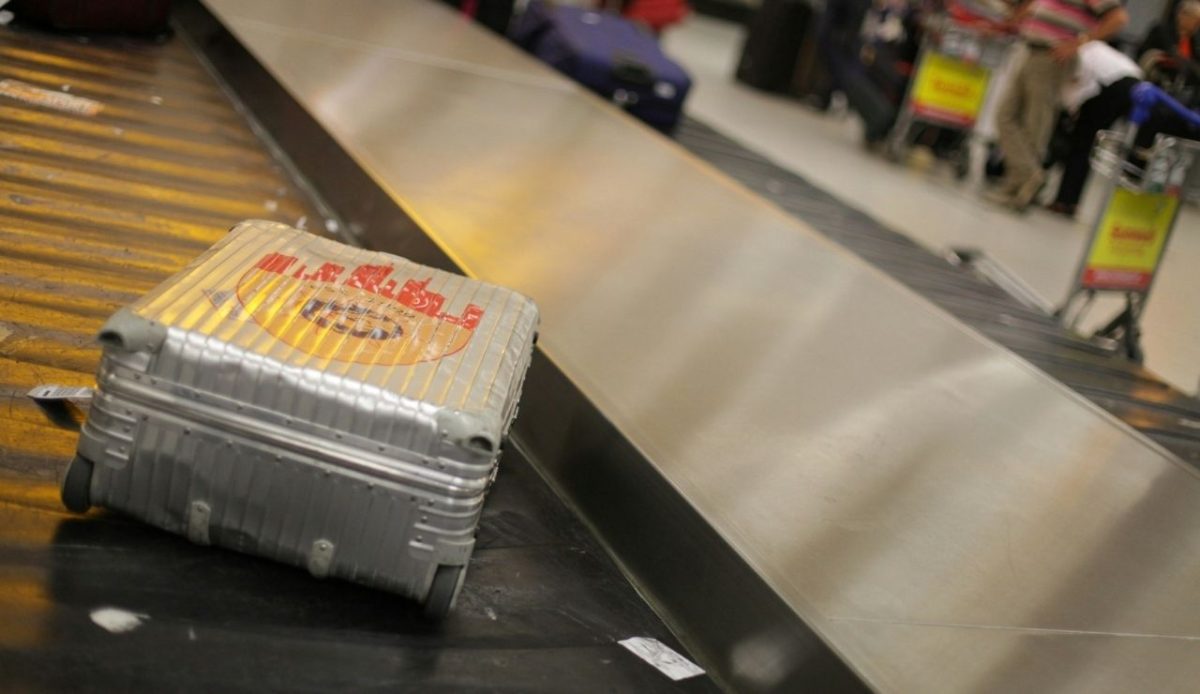
Another common mistake is buying luggage without checking airline baggage requirements first.
Carry-on size limits vary significantly between airlines, especially budget carriers. Some travelers unknowingly purchase bags that exceed the allowed dimensions, leading to surprise fees at the airport.
Even small differences in wheel size or handle height can push a suitcase over the limit. Experts recommend checking the airlines you fly most often before choosing a carry-on bag.
Forgetting practical features

Many travelers get so focused on appearance that they overlook the features that actually make travel easier.
Built-in TSA locks, laptop compartments, compression straps, and expandable sections can make a huge difference during a trip. Lightweight construction is also important because heavy luggage reduces how much you can pack before reaching airline weight limits.
Security matters too, with many travelers now choosing luggage that includes tracking devices or smart storage compartments for valuables.
Ultimately, experts say the best suitcase is not necessarily the most expensive or fashionable. The right luggage is durable, functional, and suited to your personal travel style, making every trip smoother from check-in to arrival.
