
A beach vacation usually comes with a familiar checklist: sunglasses, sandals, a good book, and sunscreen. But in a growing number of tropical destinations, certain sunscreens are no longer welcome. From Hawaii to parts of Mexico and the Caribbean, environmental concerns are leading governments and marine parks to ban products that contain reef-damaging chemicals.
The reason behind these restrictions is simple. Many traditional sunscreens contain ingredients like oxybenzone, octinoxate, and octocrylene, which scientists say can contribute to coral bleaching and disrupt delicate marine ecosystems. As coral reefs face increasing stress from climate change and pollution, popular beach destinations are taking stronger action to protect their waters.
Why sunscreen bans are becoming more common

Some of the world’s most beautiful beach destinations rely heavily on healthy coral reefs for tourism, wildlife, and coastal protection. That has pushed local governments and conservation groups to crack down on products considered harmful to marine life.
Palau became the first country to ban reef toxic sunscreens in 2020. Soon after, Hawaii introduced restrictions on sunscreens containing oxybenzone and octinoxate. Similar bans and regulations have since appeared in places like Aruba, Costa Rica, and marine parks throughout Mexico.
In protected areas such as Manuel Antonio National Park, visitors have reported sunscreen checks at entrances, with some products confiscated to protect wildlife and coastal habitats.
These rules are designed to reduce pollution in fragile environments where thousands of tourists swim, snorkel, and dive every day.
The rise of “natural sunscreen” tablets

As sunscreen bans become more common, interest has grown around oral sun protection supplements. One of the most talked about options contains polypodium leucotomos, a tropical fern extract believed to help reduce the skin’s sensitivity to UV damage.
Products such as Heliocare market these capsules as an added layer of sun defense. Dermatologists say the supplements may help reduce inflammation and oxidative stress caused by UV exposure, but experts strongly warn that they should never replace traditional sunscreen.
The tablets do not create a physical UV barrier on the skin and offer far less protection than standard SPF products. Instead, they are considered a supportive supplement rather than a standalone solution.
Doctors also note that relying only on pills can increase the risk of sunburn, skin aging, and long term skin damage.
What travelers should use instead

For travelers visiting destinations with sunscreen restrictions, reef safe mineral sunscreens are considered the best alternative. These formulas typically use zinc oxide or titanium dioxide, ingredients that sit on top of the skin rather than absorbing into the water in the same way as some chemical sunscreens.
Mineral lotions, sticks, and creams are often preferred over sprays because they allow more controlled application and reduce airborne particles that can drift into the ocean.
Protective clothing is another increasingly popular option. UPF-rated swim shirts, rash guards, hats, and cover-ups provide reliable sun protection without affecting marine ecosystems. Many beachgoers are now combining lightweight protective clothing with reef safe sunscreen for better coverage.
How to stay protected while traveling responsibly
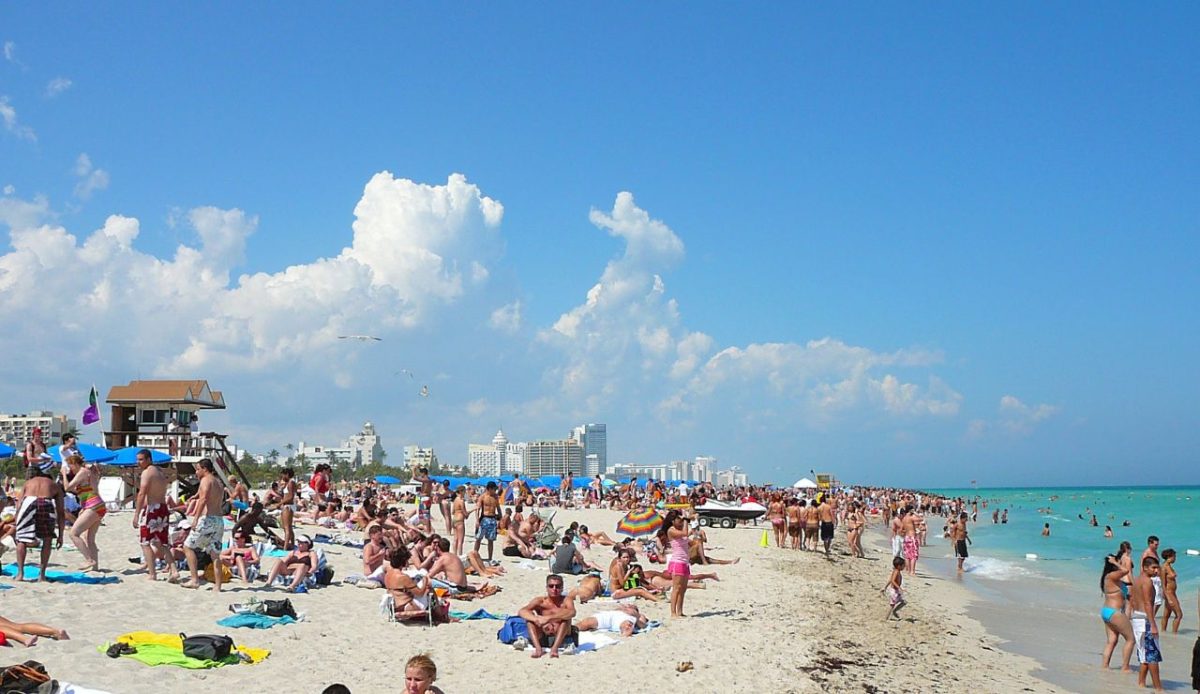
Sun safety and environmental protection do not have to compete. Travelers can still enjoy tropical beaches while reducing their impact on coral reefs and marine life.
Before your trip, check local regulations on sunscreen ingredients, especially if you are visiting protected marine parks or eco sensitive destinations. Look for products labeled “reef safe,” though it is still worth reading ingredient lists carefully.
Experts also recommend reapplying sunscreen every two hours, seeking shade during peak afternoon sun, and staying hydrated in hot climates.
As more destinations adopt eco conscious tourism practices, travelers who prepare ahead can protect both their skin and the natural beauty that makes these beaches so special in the first place.
