by Elias Siegelman | Feb 18, 2026
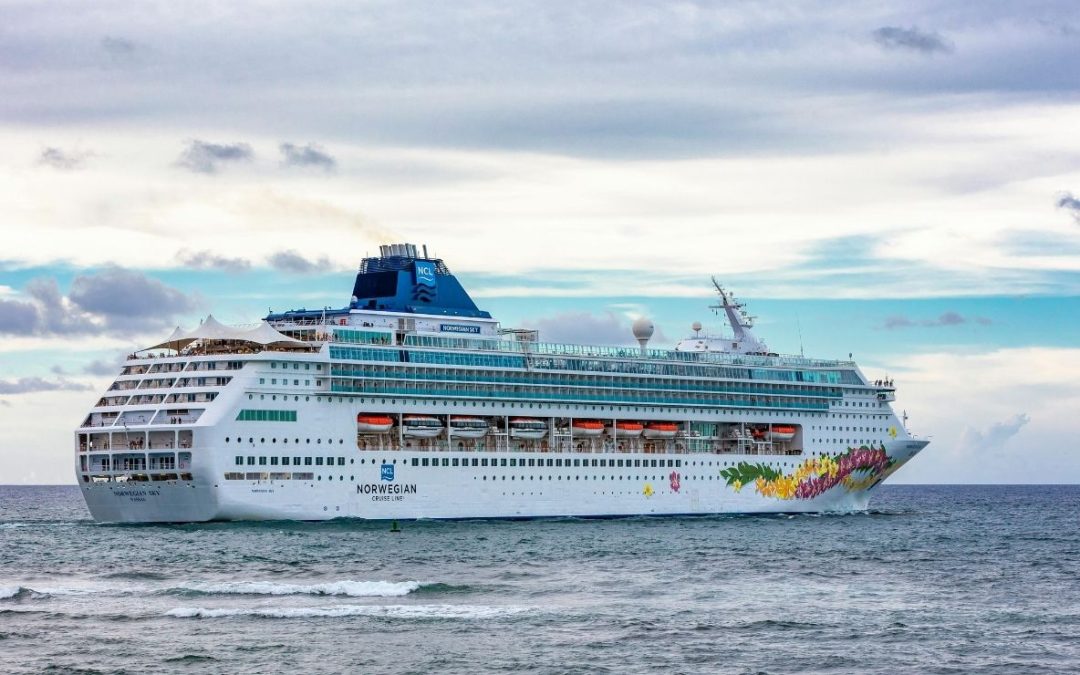
Cruises are marketed as predictable getaways where lodging, meals, shows, and transport are wrapped into one purchase. That convenience can hide how many separate systems control the trip once a ship leaves the pier. Maritime law, flag state rules, port authorities,...
by Elias Siegelman | Feb 18, 2026
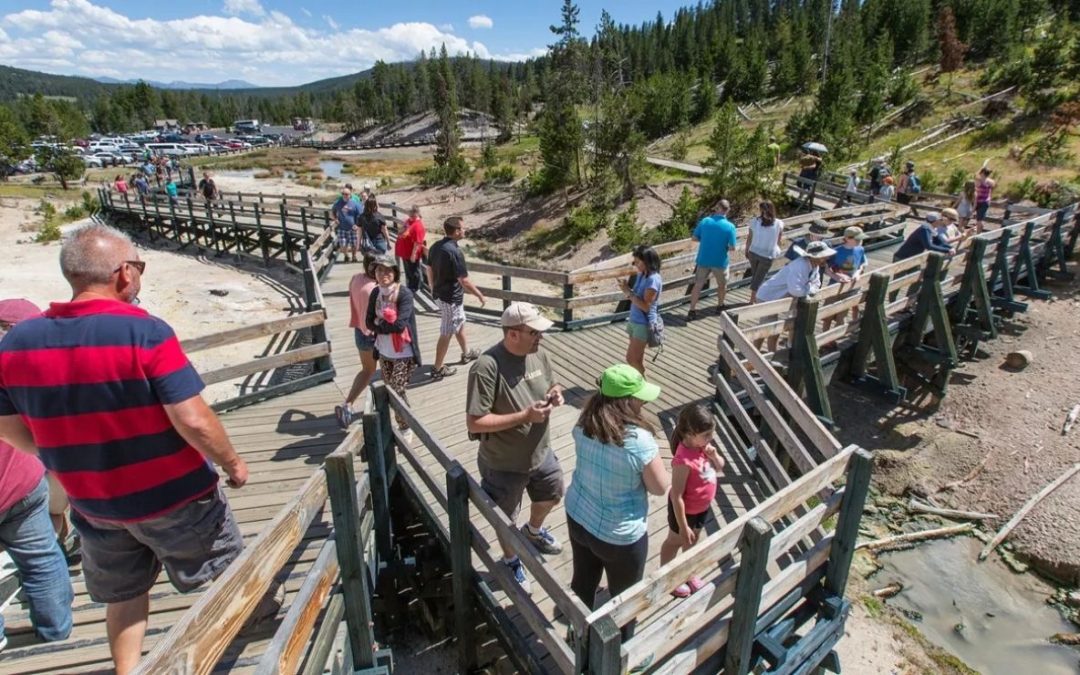
U.S. national parks are absorbing heavy use that has stayed high since the travel rebound. The National Park Service counted 325.5 million recreation entries in 2023, and many signature parks still see peak days that fill before midmorning. Most access systems were...
by Elias Siegelman | Feb 18, 2026
Weather extremes now reshape when popular places feel visitable. Longer heat seasons, smoke events, and flood damage change comfort and access, so the old peak calendar no longer matches reality. Tourism systems react fast. Airlines shift capacity, parks restrict...
by Elias Siegelman | Feb 18, 2026
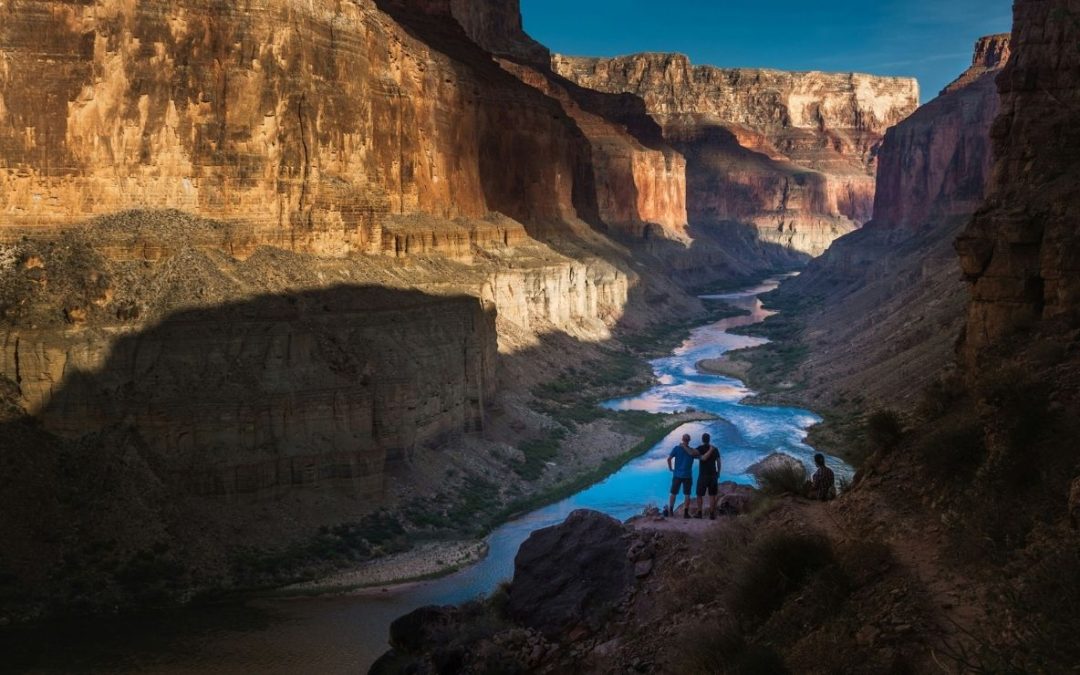
Many bucket list trips now start with a lottery application rather than a map. Agencies cap use where trails, rivers, or beds are limited, then award access by random drawing tied to dates. That change affects timing, budget, and backup planning. Most systems open...
by Elias Siegelman | Feb 18, 2026
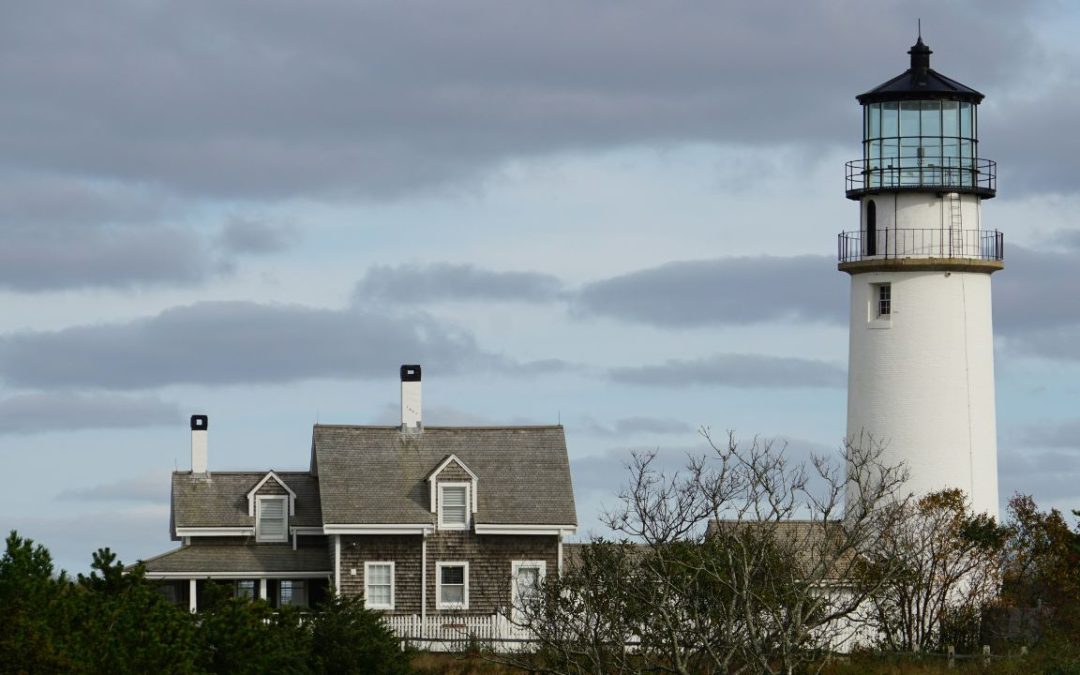
Water restrictions aren’t just a desert problem anymore. From islands and beach towns to mountain lake gateways, popular U.S. vacation areas are limiting outdoor watering, tightening irrigation schedules, and urging visitors to use less. These rules can affect what...
by Elias Siegelman | Feb 18, 2026
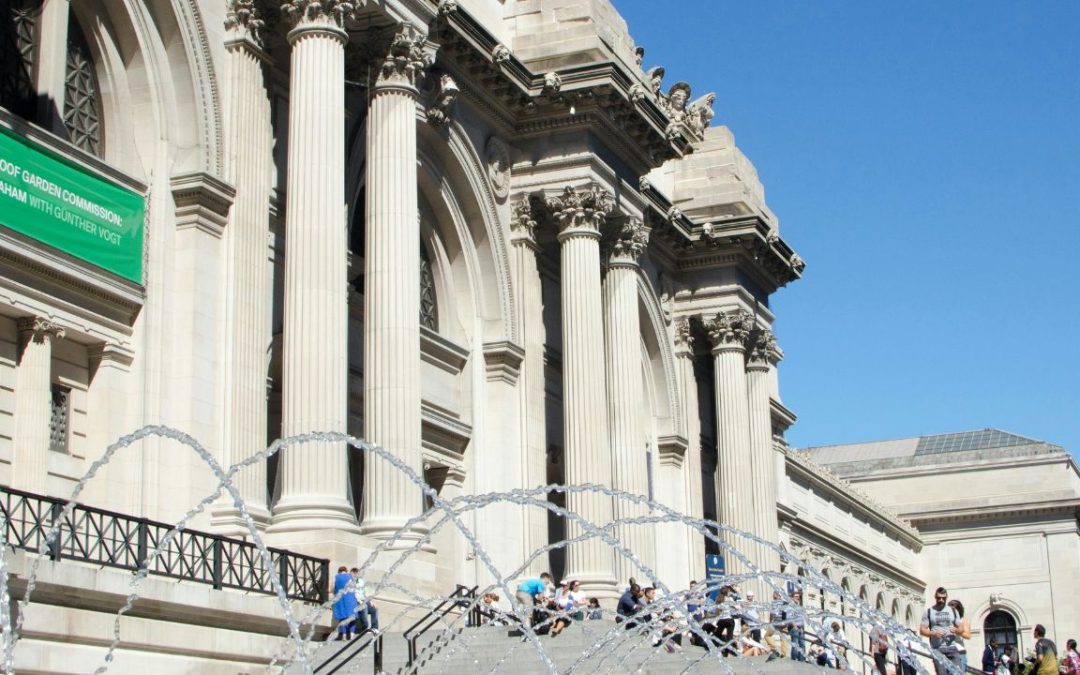
Free attractions used to be the easiest win in an American itinerary: walk in, look around, leave a donation if you felt like it. Over the last decade, many sites have shifted to tickets, timed entry, processing charges, or paid parking to manage crowds and keep the...
by Elias Siegelman | Feb 18, 2026
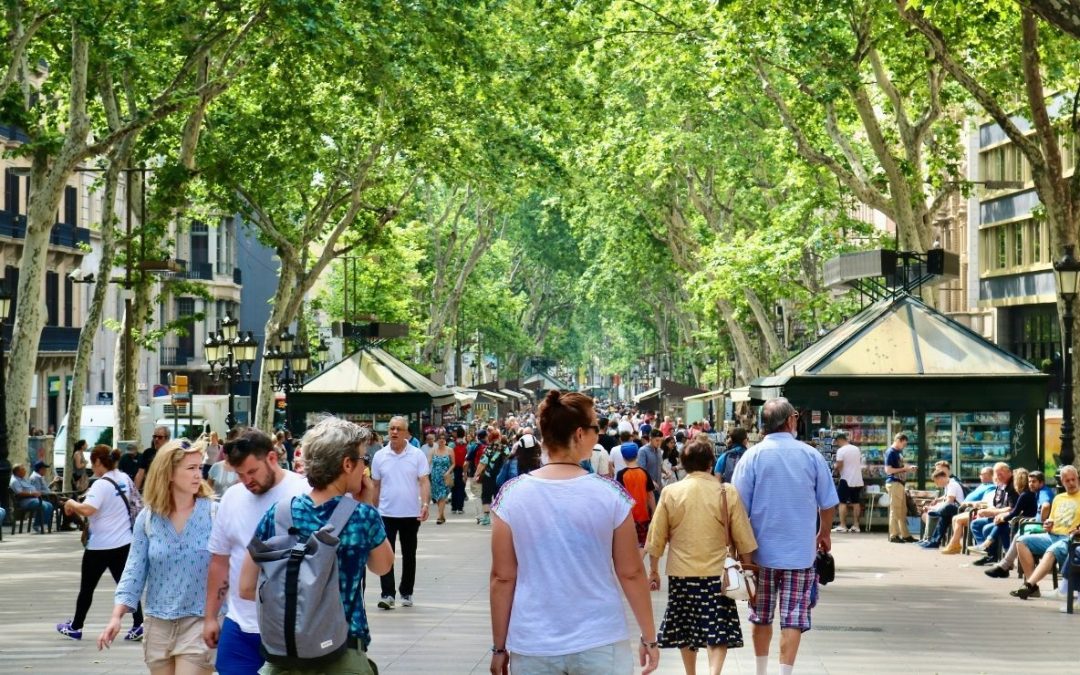
Short stays are being discouraged in several tourist hot spots through fees, booking limits, or legal minimum stay rules. These measures mainly target day trips and very short rentals that concentrate crowds while adding little local spending per visitor. Penalties...
by Elias Siegelman | Feb 18, 2026
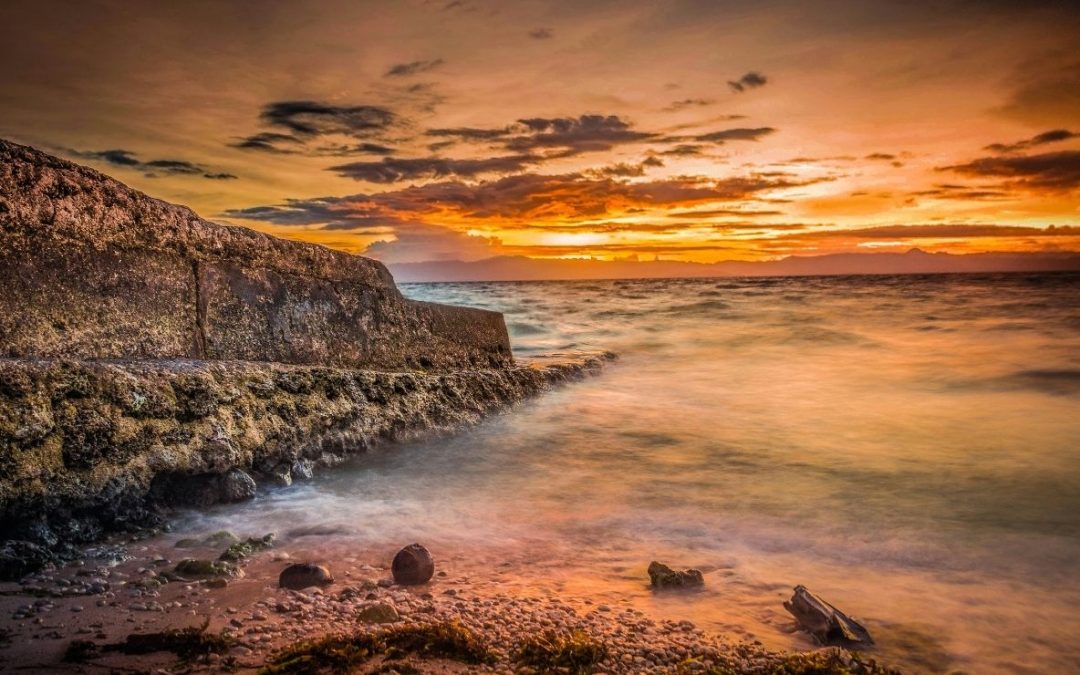
Seawalls and floodwalls are built to limit storm surge damage and chronic tidal flooding, but they also change what people see at the waterline. When a wall is raised or rebuilt, the street edge, railings, and walkway grades often shift with it. In coastal towns, that...
by Elias Siegelman | Feb 18, 2026
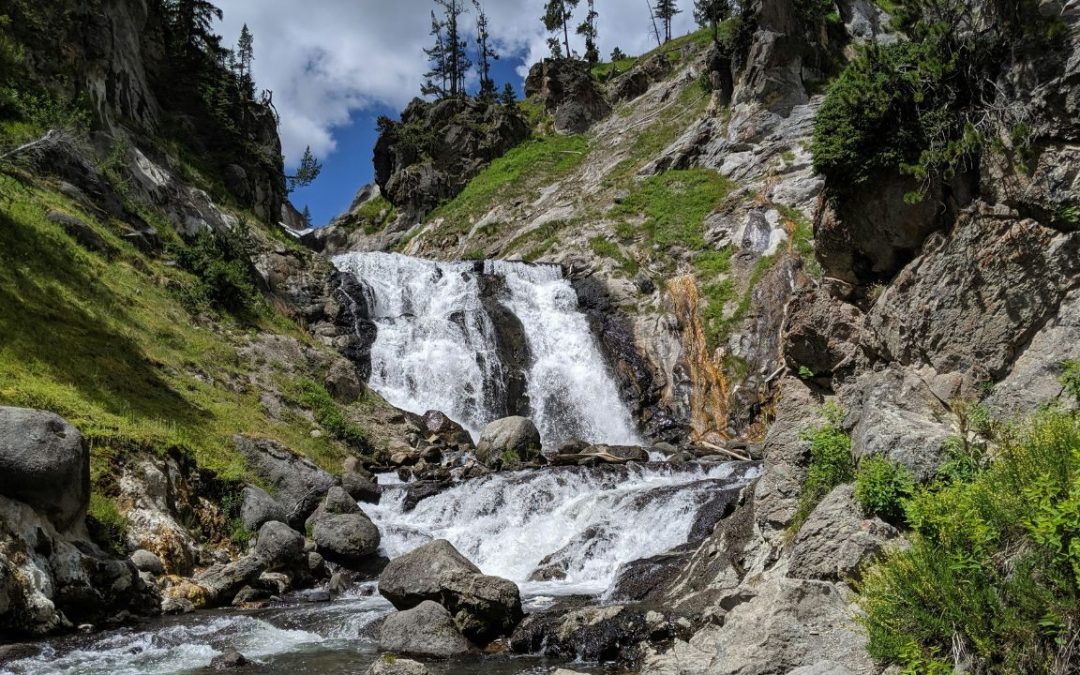
Some of America’s most photogenic landscapes aren’t fully accessible right now, not because they’re “sold out,” but because they’re unsafe. Rockfall zones, eroding stairways, unstable bridges, damaged boardwalks, and active geothermal hazards can force managers to...
