
Small towns can blow up fast when a single reel, photo spot, or “best weekend” thread goes viral. More visitors can help local businesses, but sudden popularity also brings traffic, parking pressure, longer waits, and rising short-term rental demand. This list looks at 12 U.S. towns often featured online where the day-to-day experience can feel different than it did before the spotlight.
The goal isn’t to shame places or travelers. It’s to explain the common friction points locals report and visitors notice, so you can plan smarter, visit off-peak, book ahead, and follow local rules.
Charm doesn’t always disappear, but it can get harder to access. If you go, treat these towns like real communities, not content backdrops.
1. Bar Harbor, Maine
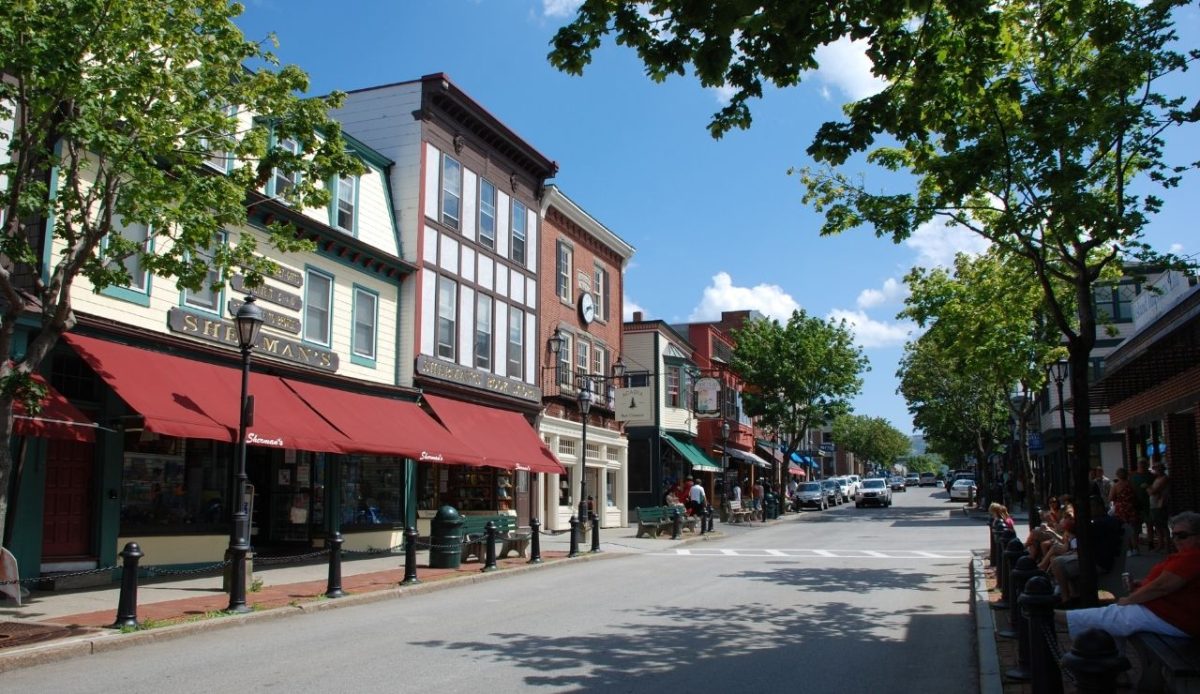
Bar Harbor’s waterfront streets and Acadia access points look made for short videos, and online buzz keeps demand high in peak season. The result can be packed sidewalks, limited parking, and long lines for meals and boat trips, especially on cruise days.
The town has debated how many visitors it can comfortably handle, including limits on cruise passengers coming ashore. Those policies reflect a real tradeoff between local income and congestion.
For travelers, the “lost charm” feeling often comes from logistics: earlier starts, reservations, and fewer quiet moments. Staying longer, arriving midweek, and exploring lesser-known trails can help spread impact and improve the experience.
2. Pomfret, Vermont
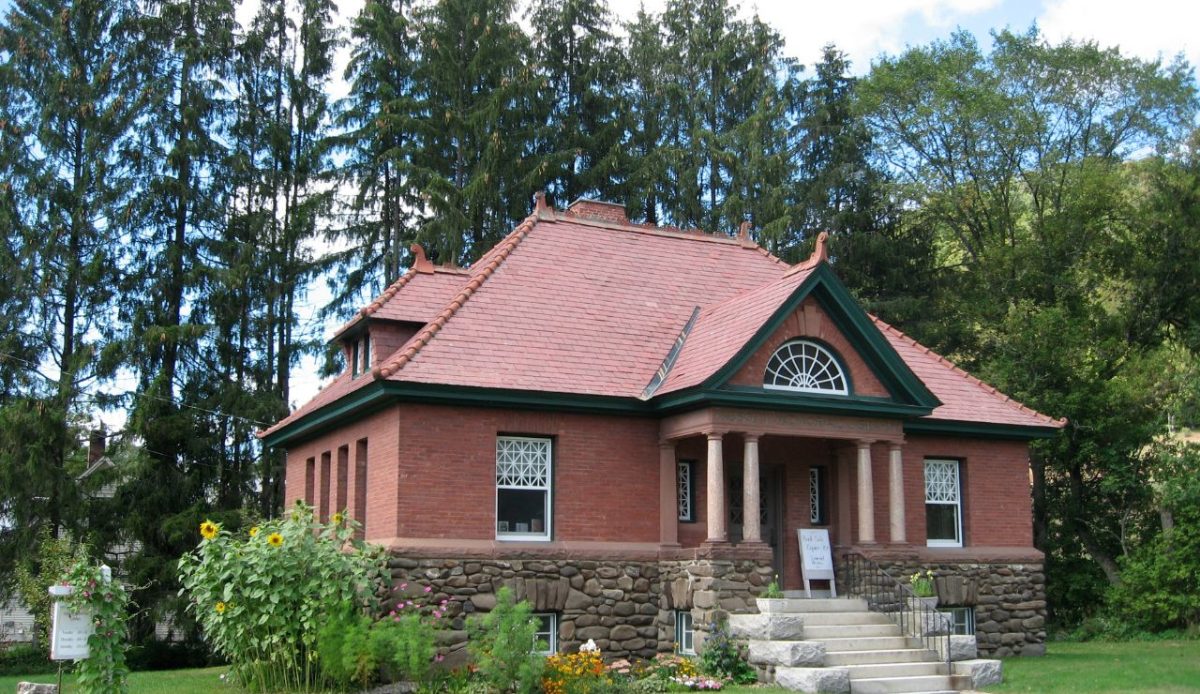
Pomfret’s winding roads and classic fall scenery became a social-media magnet, especially around the private Sleepy Hollow Farm area. During peak foliage weekends, narrow lanes can turn into photo traffic, with unsafe parking and blocked driveways.
Local officials have taken crowd-control steps, including temporarily restricting access on a popular road to nonresidents during the busiest stretch of leaf season.
Visitors often say the vibe shifts from quiet countryside to “content queue.” If you want the postcard look without the stress, choose weekdays, follow posted rules, and treat working roads and private land as off-limits.
3. Moab, Utah
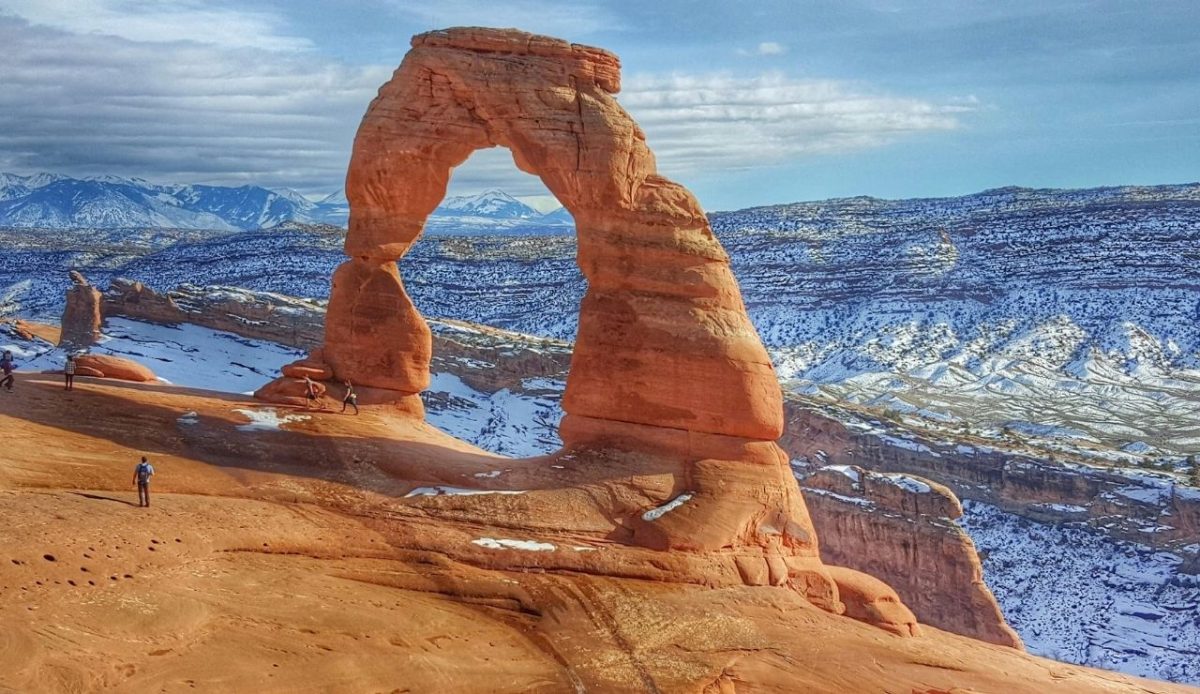
Moab sits next to Arches and Canyonlands, so viral clips of red rock viewpoints translate into real-world bottlenecks. In busy months, the town’s small-grid streets fill up, trailhead parking runs out early, and last-minute dining becomes a gamble.
Arches introduced timed-entry reservations in recent years to reduce entrance backups and parking gridlock, which changes how spontaneous a day trip feels.
The “lost charm” complaint here is mostly about friction: lines where there used to be open space and quiet. Book park access, start before sunrise, and expect limited cell coverage on some back roads. Pack extra water.
4. Sedona, Arizona
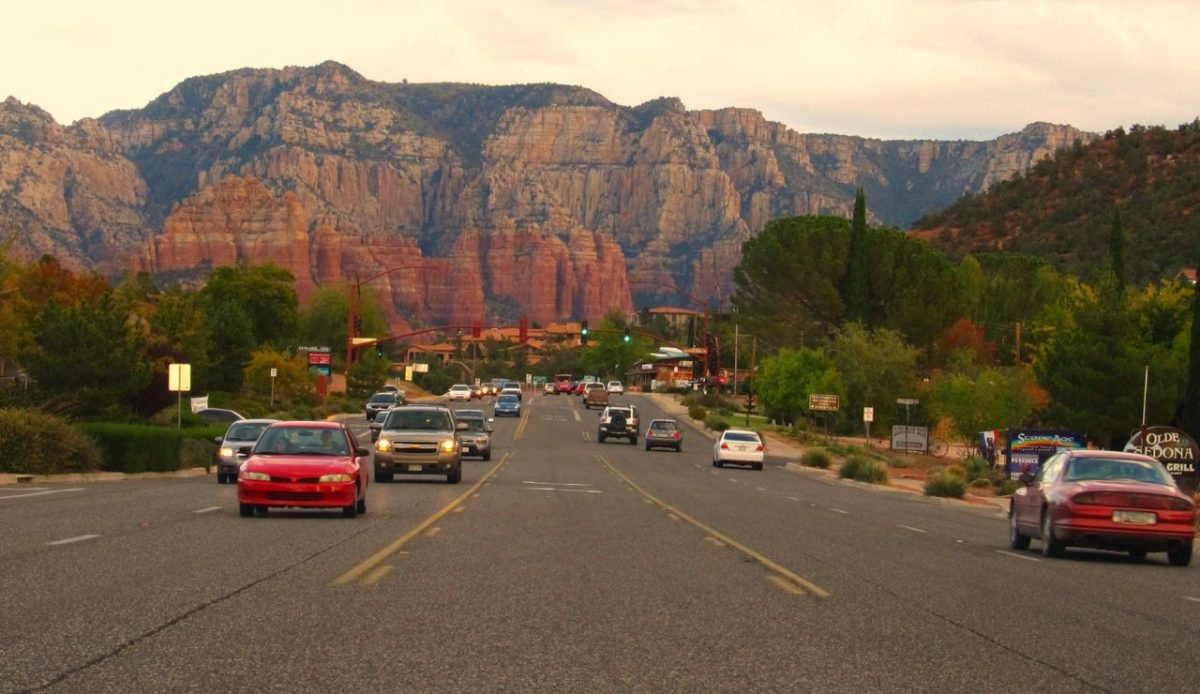
Sedona’s red-rock overlooks and “energy” hotspots circulate constantly online, and the town’s trailheads feel the impact. Popular hikes can turn into parking-lot puzzles, with overflow cars on neighborhood streets and long waits just to start walking.
To reduce congestion, Sedona launched free shuttle routes to major trailheads from park-and-ride lots on busy days, a sign that demand outgrew curb space.
Visitors who remember a quieter Sedona often miss the easy spontaneity. For a smoother trip, use the shuttle, pick sunrise or weekday hikes, and spend time in less-posted areas rather than chasing one famous viewpoint.
5. Leavenworth, Washington
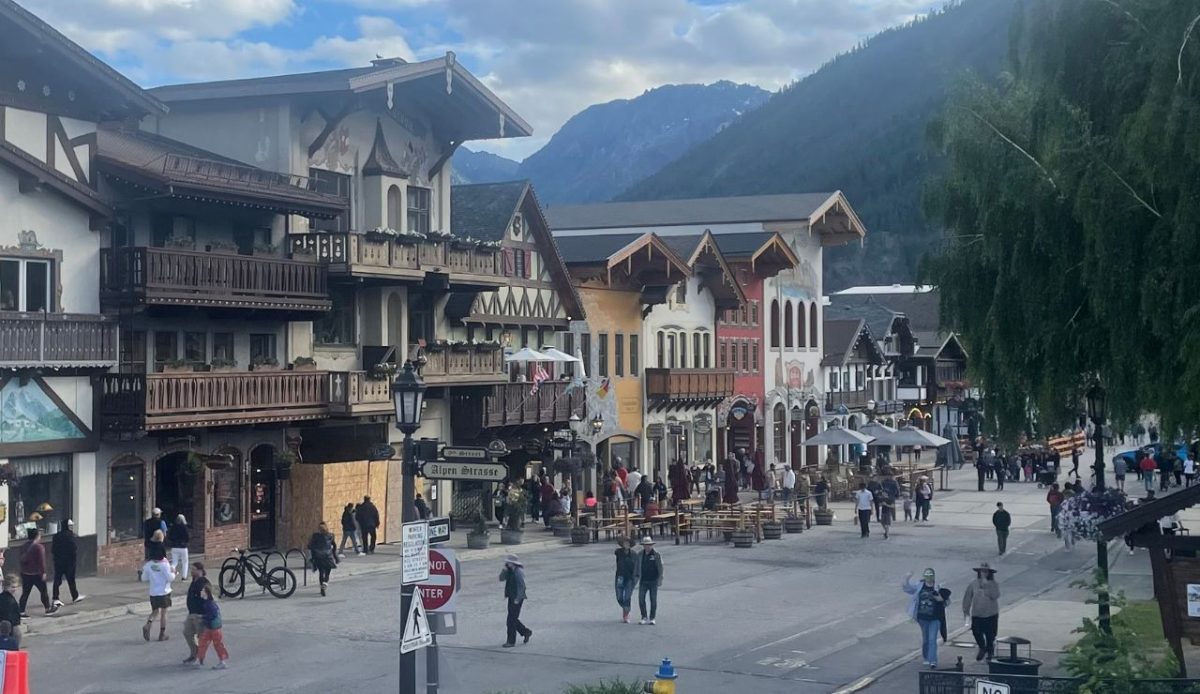
Leavenworth’s Bavarian-style streets photograph well, and viral holiday content can compress the entire town into one crowded weekend. During peak events, traffic stacks up on the approach roads, parking becomes scarce, and short visits can feel like a slow shuffle between storefronts.
Local writing and visitor guidance routinely flag crowding, higher prices, and tricky parking as tradeoffs of the town’s popularity, especially in winter and festival season.
The charm isn’t gone, but it’s harder to access without planning. Go midweek, stay overnight, and build in time for walks along the river and trails outside the core blocks.
6. Marfa, Texas
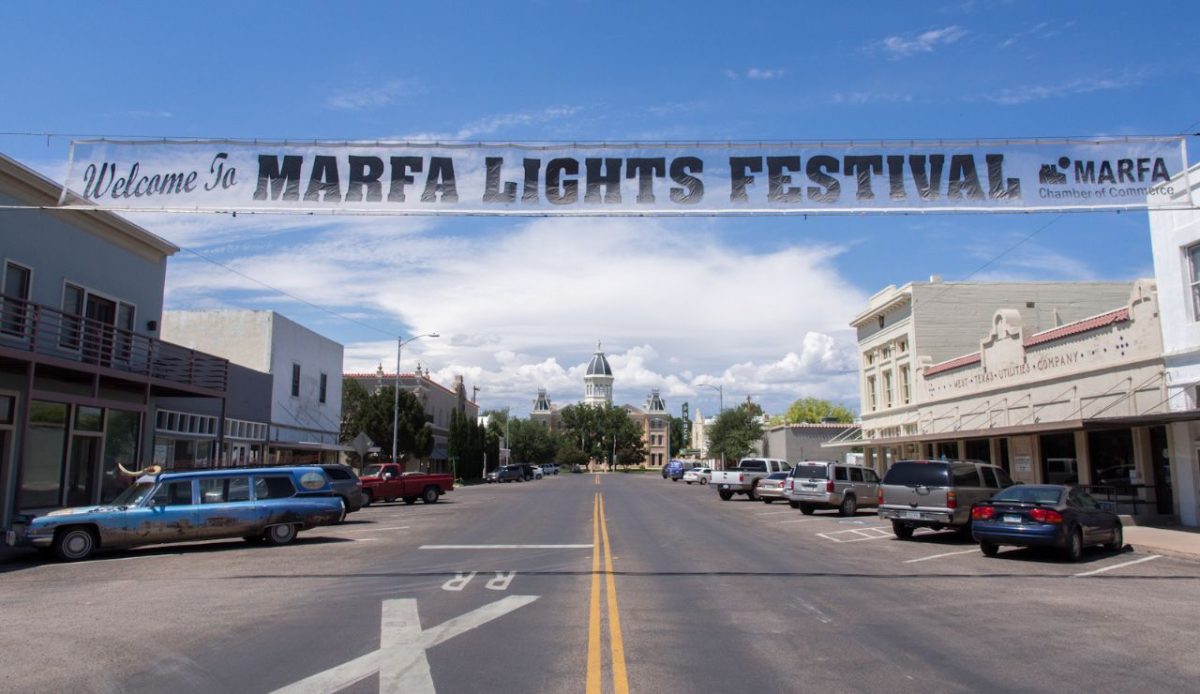
Marfa’s minimal storefronts, desert light, and art-site stops became a staple of “cool small town” feeds. With that attention, weekends can bring limited hotel inventory, higher nightly rates, and crowded moments at the most photographed spots.
Because the town is small, even a modest surge changes the feel: fewer last-minute tables, more traffic on short streets, and a stronger split between visitor services and everyday local errands.
If you’re chasing the original calm, visit in the shoulder season and treat galleries and neighborhoods like real places, not sets. Spending time beyond the headline attractions often restores the slower pace.
7. Joshua Tree, California
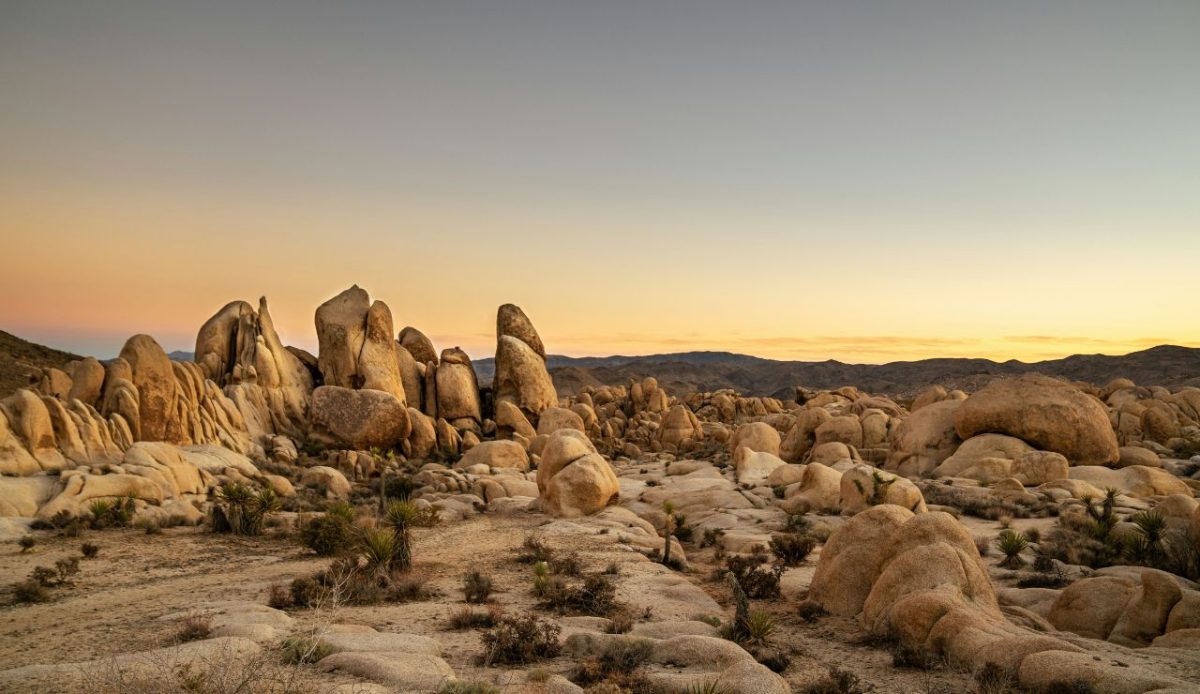
Joshua Tree’s high-desert cabins and national-park access are tailor-made for viral weekend itineraries. As the area’s visibility rose, so did competition for rentals, dinner reservations, and even basic services, since the local footprint is small.
The “less charming” moment often hits at peak check-in times: two-lane traffic, long lines for coffee, and trailheads that fill before many visitors leave their lodging. Popular photo locations can also suffer from trampling and litter.
To keep the trip enjoyable, avoid holiday weekends, book essentials early, and choose low-impact activities that don’t concentrate everyone at the same few landmarks.
8. Cannon Beach, Oregon
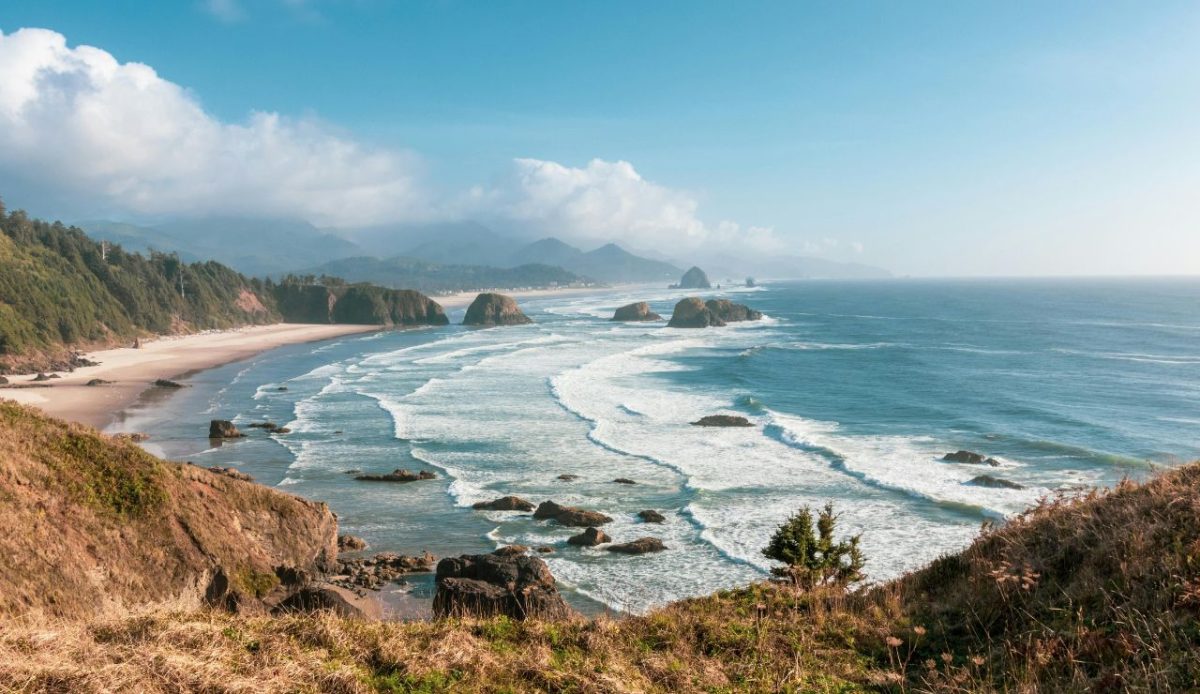
Cannon Beach’s Haystack Rock backdrop shows up everywhere online, and that visibility pulls big crowds into a small coastal grid. On sunny weekends, parking can be the main activity, with slow-moving traffic and packed sidewalks along the core blocks.
When a town’s signature view becomes a must-do photo, the experience shifts: fewer quiet tide-pool moments, more people timing shots, and busier beach access points. Prices for lodging also tend to reflect high demand during narrow weather windows.
For a calmer visit, go midweek, check tide tables, and explore nearby beaches and trails so the whole trip doesn’t hinge on one famous stretch of sand.
9. Woodstock, New York
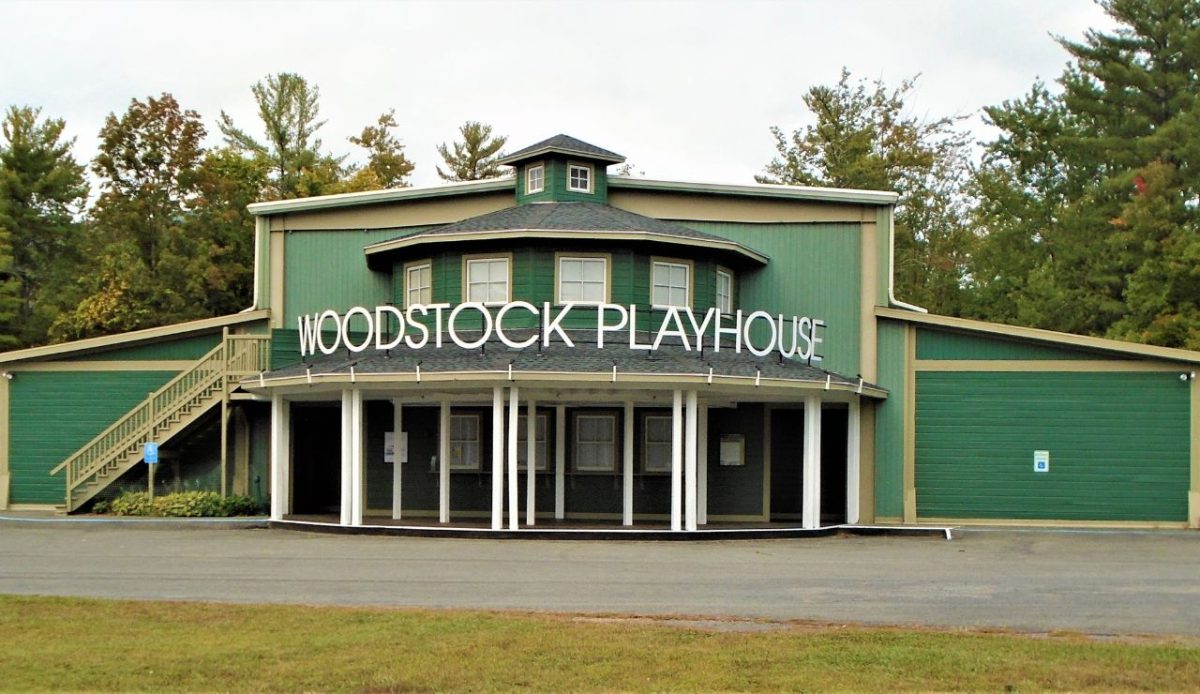
Woodstock’s name carries instant recognition, and viral “cozy Catskills” posts keep weekend traffic strong. The town center is small, so a surge of day-trippers can mean slow drives, limited parking, and crowded cafés that once felt like easy drop-ins.
The charm many visitors expect is creative calm, bookshops, music history, forest walks. When crowds cluster in the same few streets, the experience becomes more transactional: quick photos, packed patios, and less space to browse.
To find the quieter version, stay overnight, visit on weekdays, and spend time on nearby trails and hamlets. The Catskills rewards slow travel more than a checklist stop.
10. Bisbee, Arizona
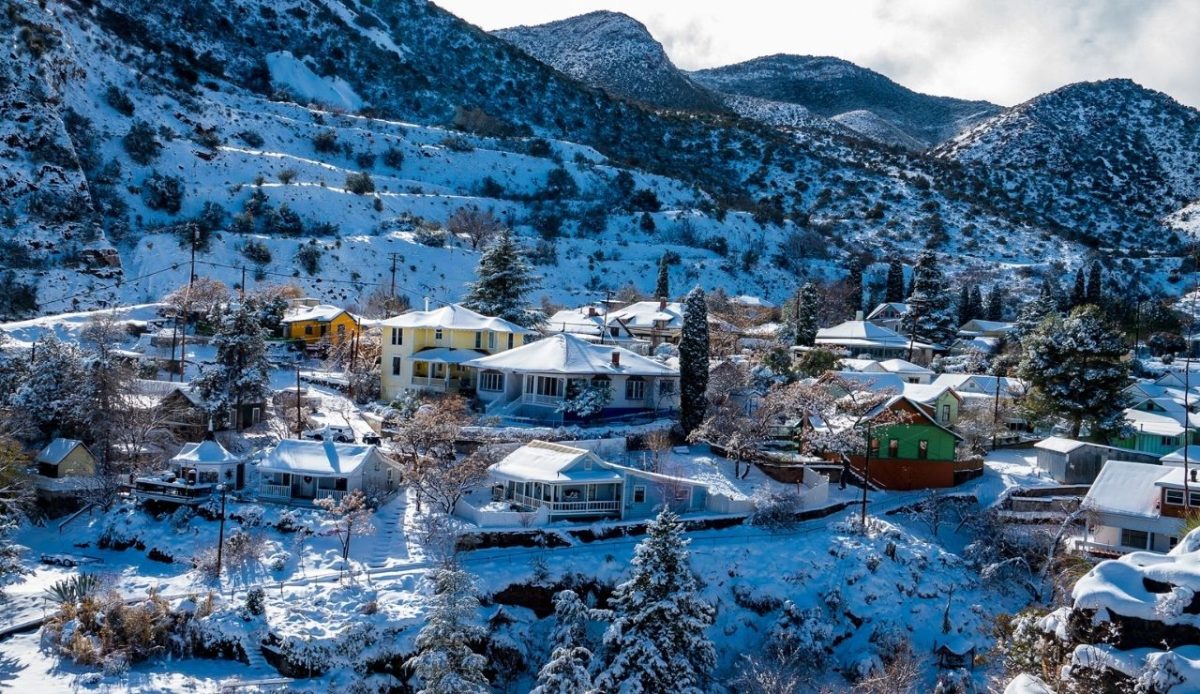
Bisbee’s steep streets, murals, and vintage storefronts make it a frequent feature in “quirky small town” reels. That spotlight can amplify weekend congestion, especially since the historic core has tight roads and limited parking.
When visitor volume spikes, the practical details change first: longer waits for brunch, fewer open tables at small bars, and more noise on streets that locals treat like front porches. Lodging can also book out quickly, shifting the town from spontaneous to scheduled.
For a better feel, arrive early, park once, and explore on foot. Spending time beyond the main strip, without trespassing, helps preserve the slower pace people come for.
11. Estes Park, Colorado
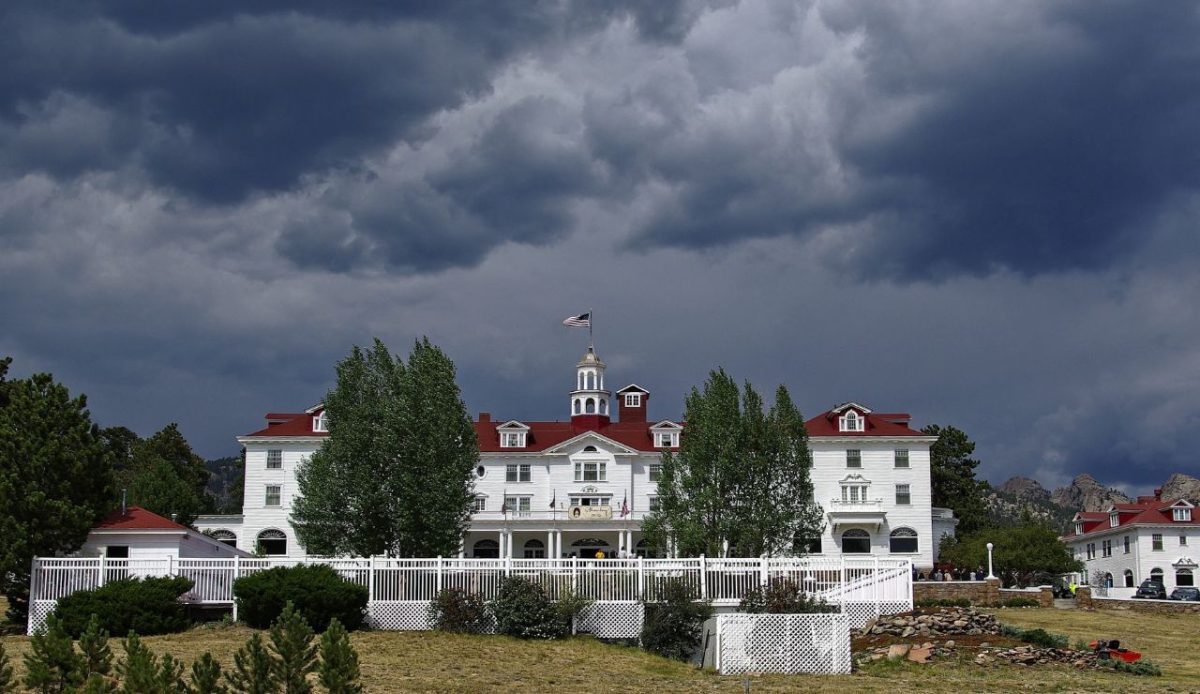
Estes Park sits at the doorstep of Rocky Mountain National Park, and viral “mountain weekend” content funnels a lot of visitors through a small corridor. In peak summer and fall, the main streets can feel more like a queue system than a stroll, with parking hunts and restaurant waits.
Gateway towns absorb park spillover: traffic at midday, crowded trailhead shuttles, and higher accommodation prices when demand concentrates into a short season. That can blunt the cozy, small-town feel many people expect.
To avoid the crunch, visit in shoulder months, start early, and plan park entry and lodging ahead. A longer stay with slower pacing usually feels more like Estes and less like a rush hour.
12. Harpers Ferry, West Virginia
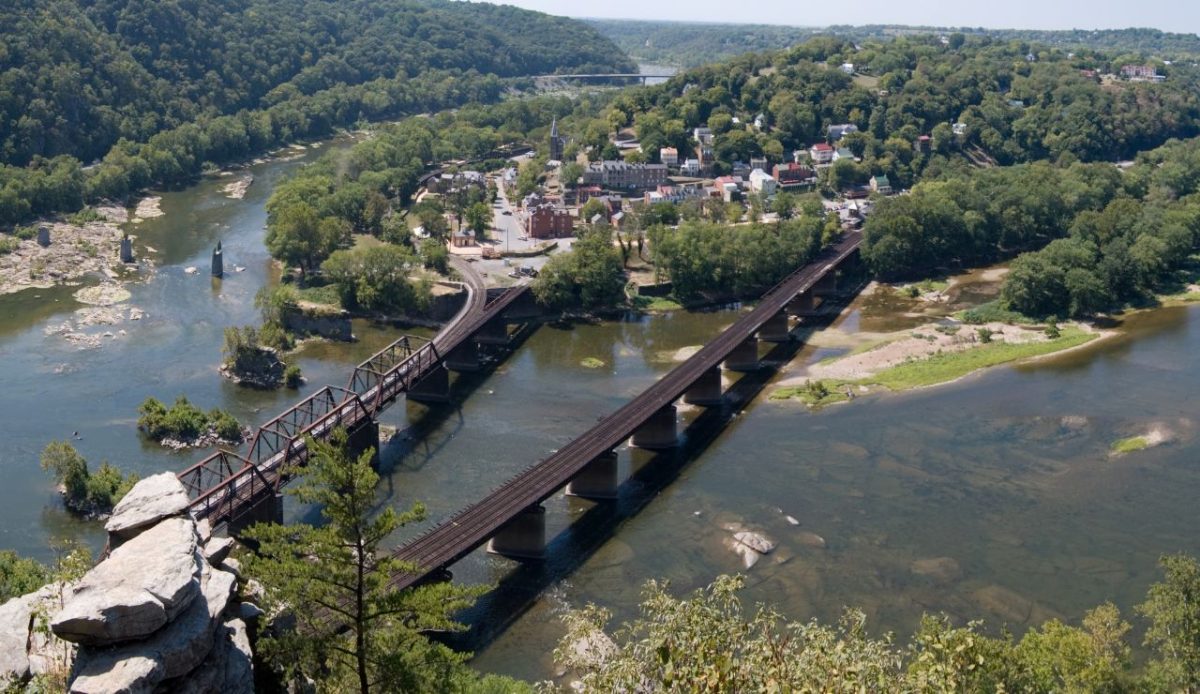
Harpers Ferry’s river confluence views and historic streets show up often in day-trip videos from D.C. and Baltimore. Because the town is compact and parking is limited, peak-season weekends can feel logistically heavy: full lots, crowded footpaths, and long lines for simple basics.
The “lost charm” perception usually comes from compression. When too many people arrive at the same time, the visit becomes a timed loop, quick photos, quick shops, and a race back to the car, rather than a slow walk through history.
For a better experience, go early, stay later, and hike or explore less-central trails that distribute visitors. Respect closures and signage; the landscape is sensitive and heavily used.
