
Cave exploration attracts thrill-seekers drawn to darkness, isolation, and physical challenge. Across the United States, certain caves present extreme conditions that test strength, navigation, and judgment. Tight passages, vertical drops, and unstable environments create high-risk settings.
Many incidents occur when visitors underestimate conditions or overestimate experience. Unlike surface adventures, caves limit visibility, communication, and rescue access, leaving little room for error once inside.
These caves are not closed to exploration, but their histories highlight how adrenaline-driven decisions can quickly turn dangerous underground.
1. Nutty Putty Cave, Utah
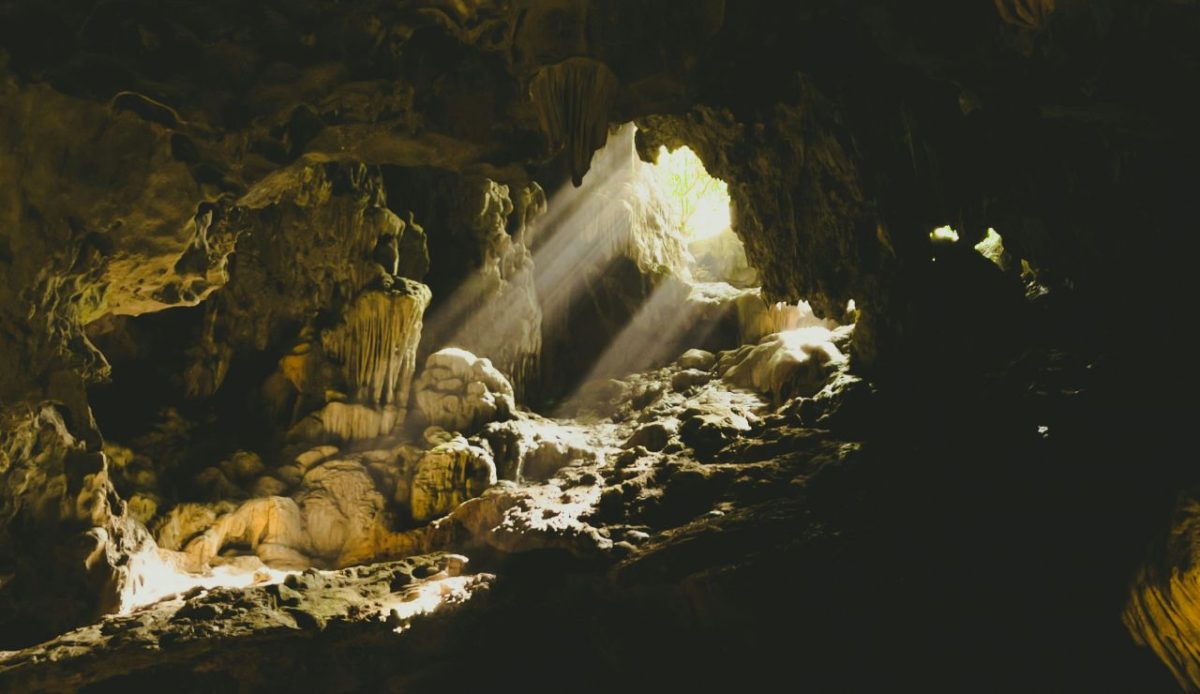
Nutty Putty Cave became a cautionary example of how tight cave systems can turn dangerous very quickly. The cave contained narrow, twisting passages that sloped downward and limited visibility, making orientation extremely difficult once inside.
Explorers often entered believing they could easily reverse course, only to find that tight squeezes became harder to exit than to enter. Body position, gravity, and restricted movement increased physical strain.
Rescue options in such confined spaces are minimal. The cave’s structure demonstrated how a single navigation error can escalate into a fatal situation with no safe recovery path.
2. Lechuguilla Cave, New Mexico
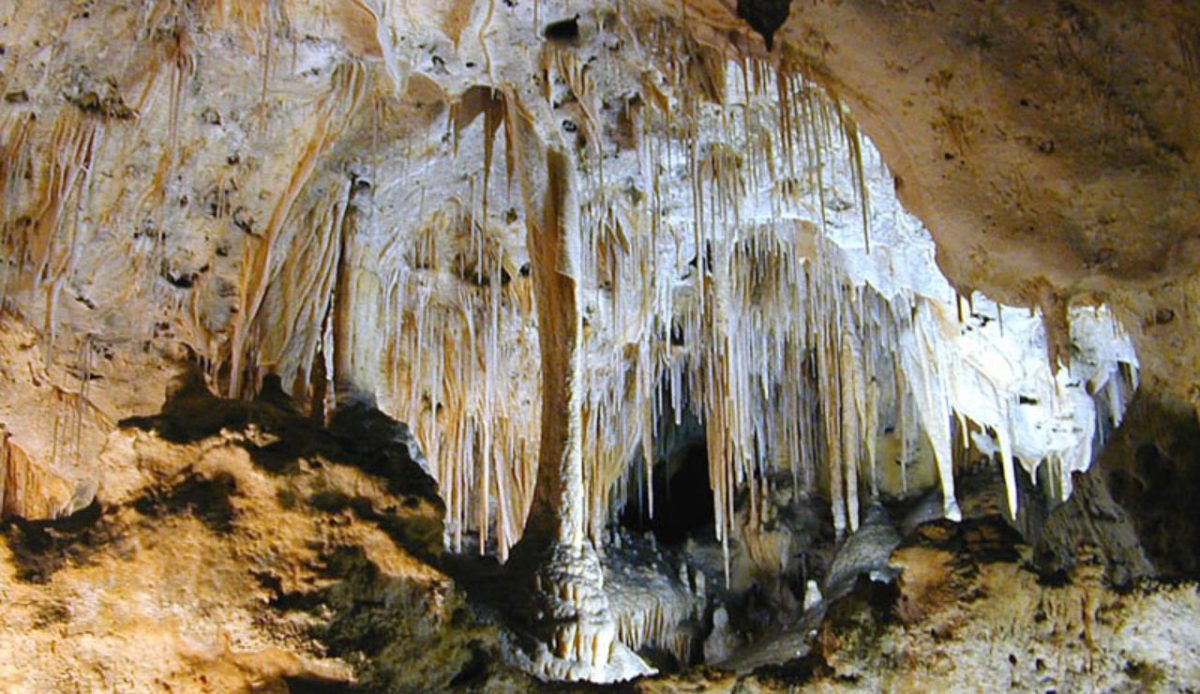
Lechuguilla Cave is one of the deepest and most scientifically significant caves in the United States. Access is restricted to highly trained explorers due to its extreme depth, complex layout, and fragile formations that require careful navigation at every stage.
Exploration involves long vertical drops, rope systems, and extended time underground, often lasting multiple days. Physical exhaustion builds quickly, increasing the risk of mistakes in movement, anchoring, or judgment. Injuries deep inside the cave are difficult to stabilize.
Rescue operations are complicated by distance and terrain. Even minor incidents can escalate due to isolation, making preparation and discipline essential in this environment.
3. Mammoth Cave Vertical Passages
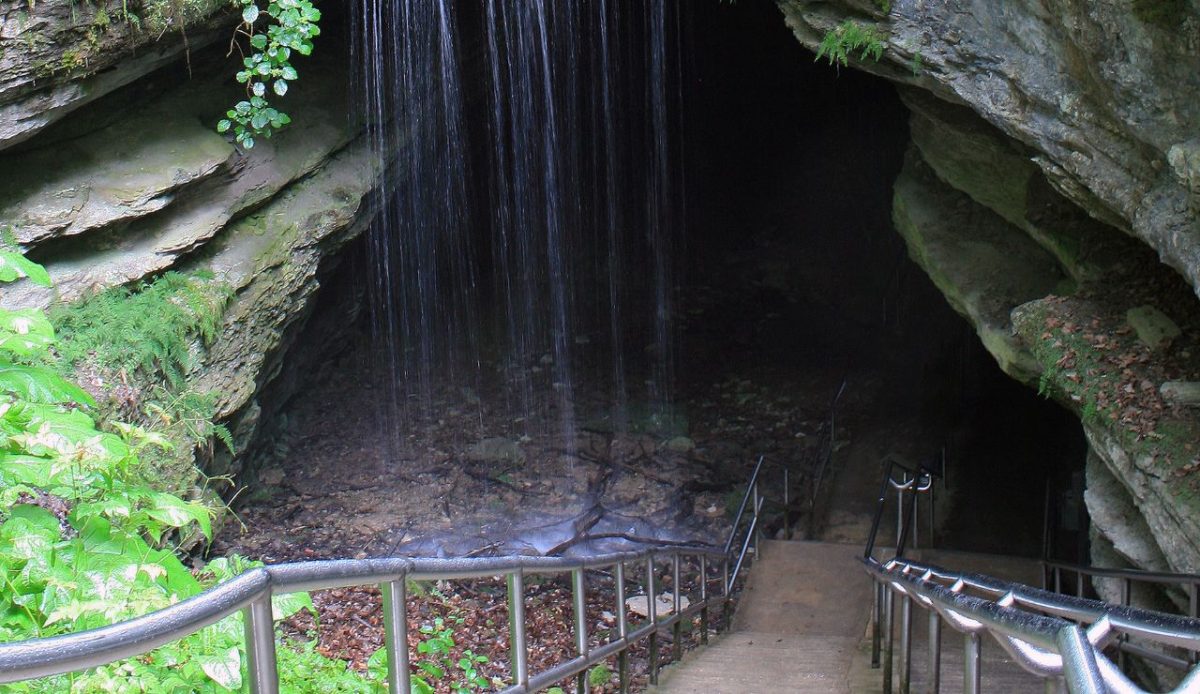
Beyond the well-known tour routes, Mammoth Cave contains vertical passages that present serious risks to experienced explorers. These sections involve drops, ledges, and confined shafts that require technical climbing skills and specialized equipment.
Falls are one of the primary dangers in these areas. Loose rock, uneven surfaces, and limited anchor options increase the likelihood of accidents, especially during descent or ascent in low visibility.
While the public sections are carefully managed, these remote vertical passages show how quickly conditions can shift underground. Once away from maintained routes, rescue becomes difficult and response times increase significantly.
4. Ellison’s Cave, Georgia
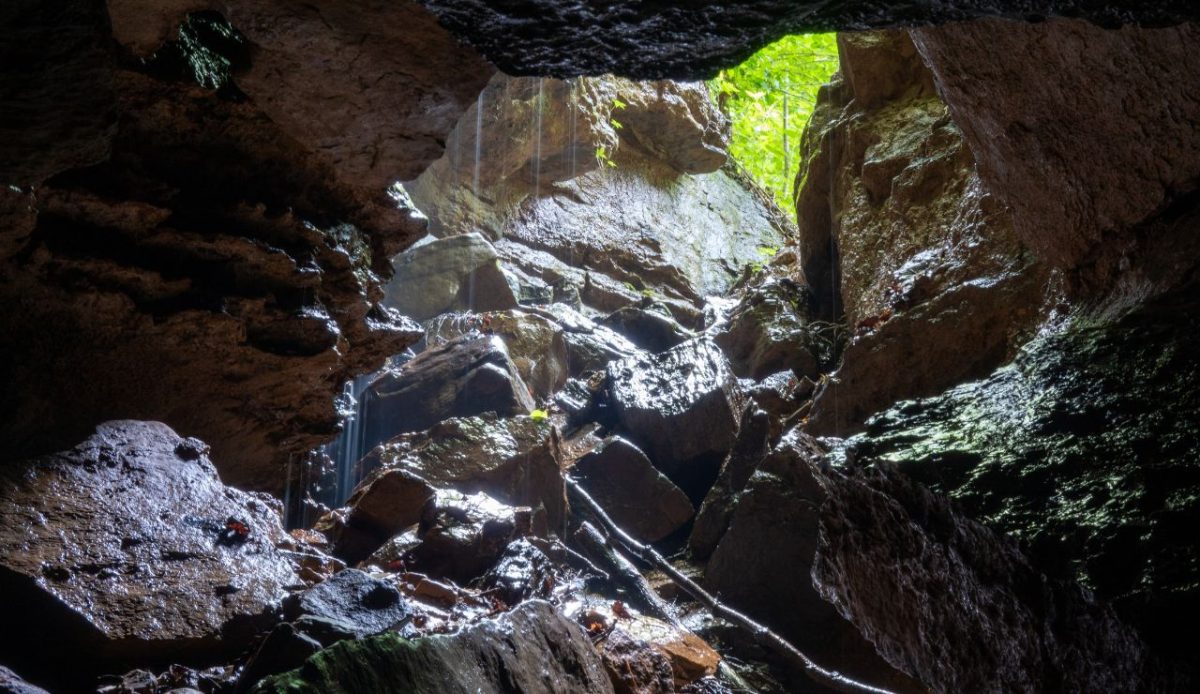
Ellison’s Cave is known for one of the deepest vertical drops in the continental United States, making it especially dangerous for adrenaline-focused cavers. Entry requires rappelling hundreds of feet straight down a narrow, exposed shaft with little room for correction.
Any error during descent can have immediate and irreversible consequences. Rope systems must be flawless, and even minor miscalculations in anchoring, knots, or weight balance can lead to serious injury or death.
Because the entrance itself is vertical, retreat is complex once a descent begins. This lack of easy exit increases pressure and fatigue, making Ellison’s Cave a high-risk environment even for experienced teams.
5. Jewel Cave, South Dakota
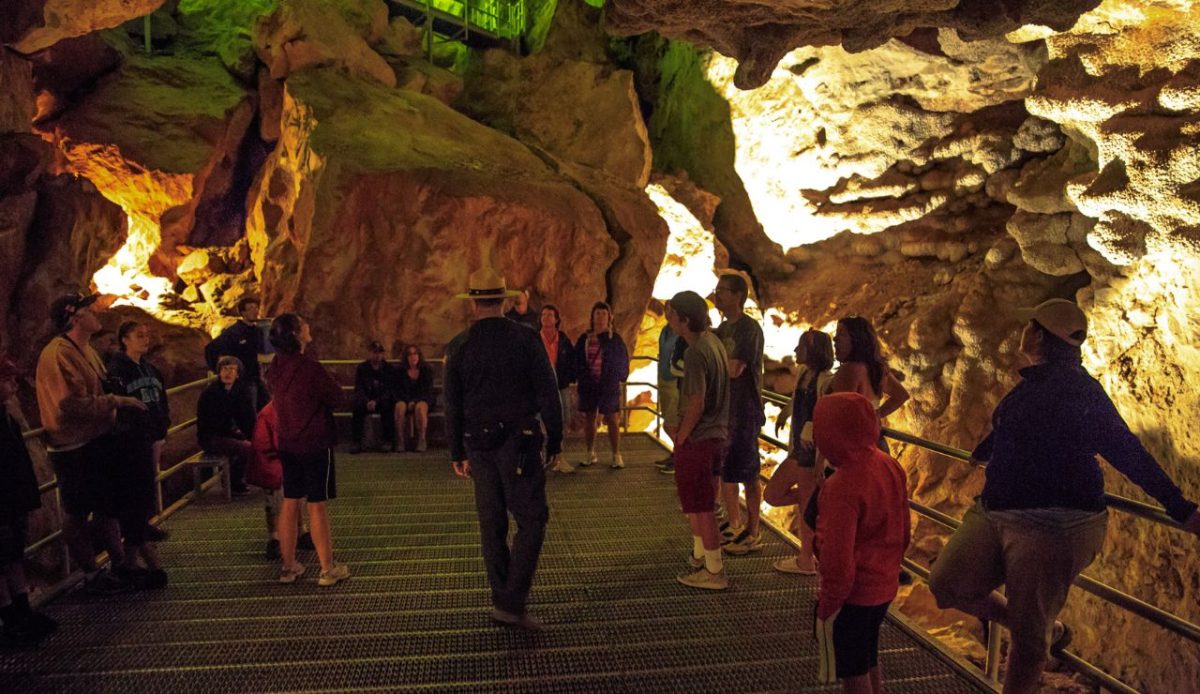
Jewel Cave’s vast maze of passages presents a different type of danger rooted in navigation rather than vertical exposure. The cave contains countless intersections and side passages that appear nearly identical, increasing the risk of losing orientation deep underground.
Explorers can become disoriented when backtracking errors occur, especially after hours of crawling and squeezing through tight corridors. Fatigue slows decision-making, while stress can cause explorers to miss familiar markers or landmarks.
In deeper sections, distance from exits magnifies small mistakes. Jewel Cave demonstrates how complex layouts and mental exhaustion can create serious risks even without extreme drops or technical descents.
6. Wind Cave, South Dakota
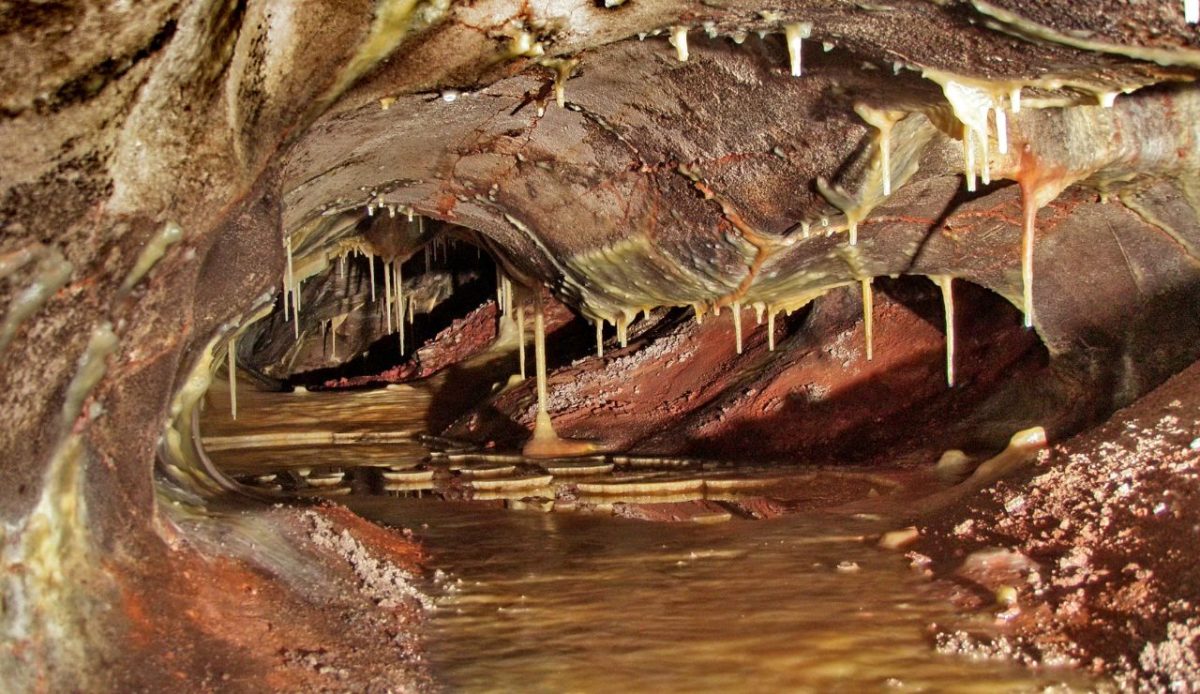
Wind Cave is known for its tight spaces and intricate boxwork formations, requiring constant crawling, crouching, and twisting through narrow passages. Physical strain builds quickly as movement options remain limited for long stretches.
Restricted airflow and close quarters can increase fatigue and discomfort. Communication between cavers becomes difficult when passages force single-file movement or separate group members by turns and squeezes.
In emergencies, extraction is slow and physically demanding. Wind Cave highlights how confined environments magnify danger by limiting mobility, reducing response speed, and increasing exhaustion over time.
7. Nahanni Cave Systems, Alaska
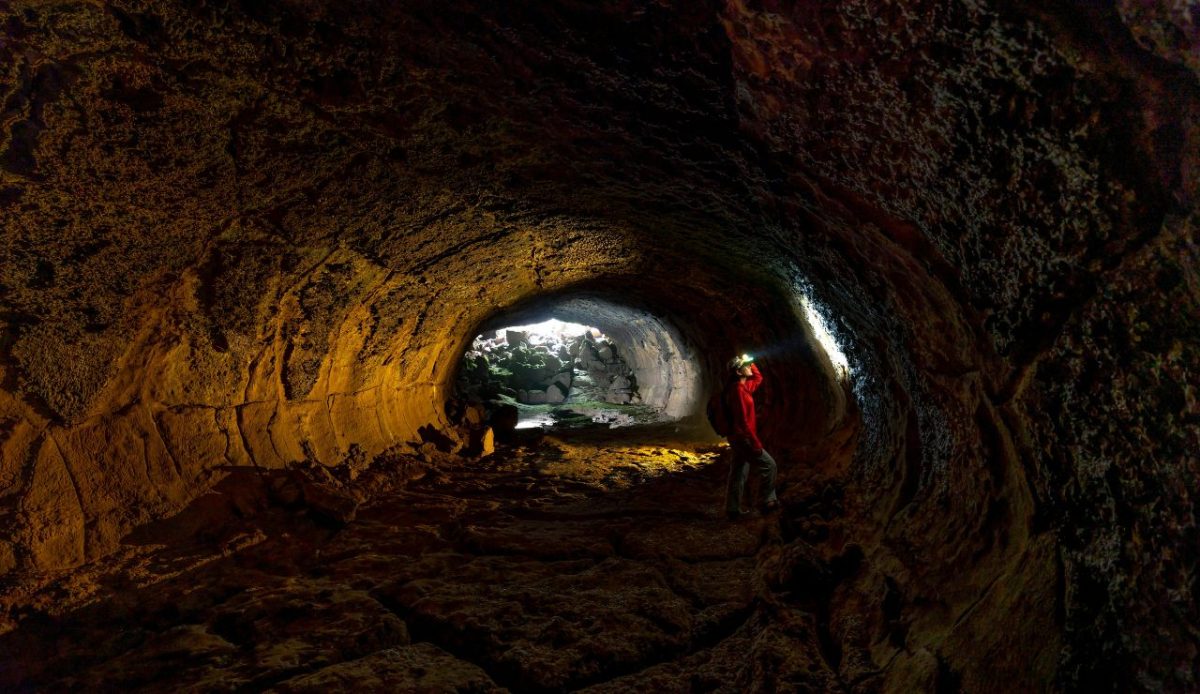
The Nahanni cave systems are located in extremely remote wilderness areas where isolation becomes the primary danger. Reaching these caves often requires bush flights, long river travel, and extended hikes with no immediate access to medical or mechanical support.
Cold temperatures, unstable ground, and rapidly changing weather increase risks even before explorers enter the caves. Inside, uneven passages, moisture, and darkness demand constant physical and mental focus from all participants.
In this environment, rescue delays can stretch for days. Even minor injuries, navigation errors, or equipment issues can escalate into life-threatening situations due to distance from help and limited communication options.
8. Wabasha Street Caves, Minnesota
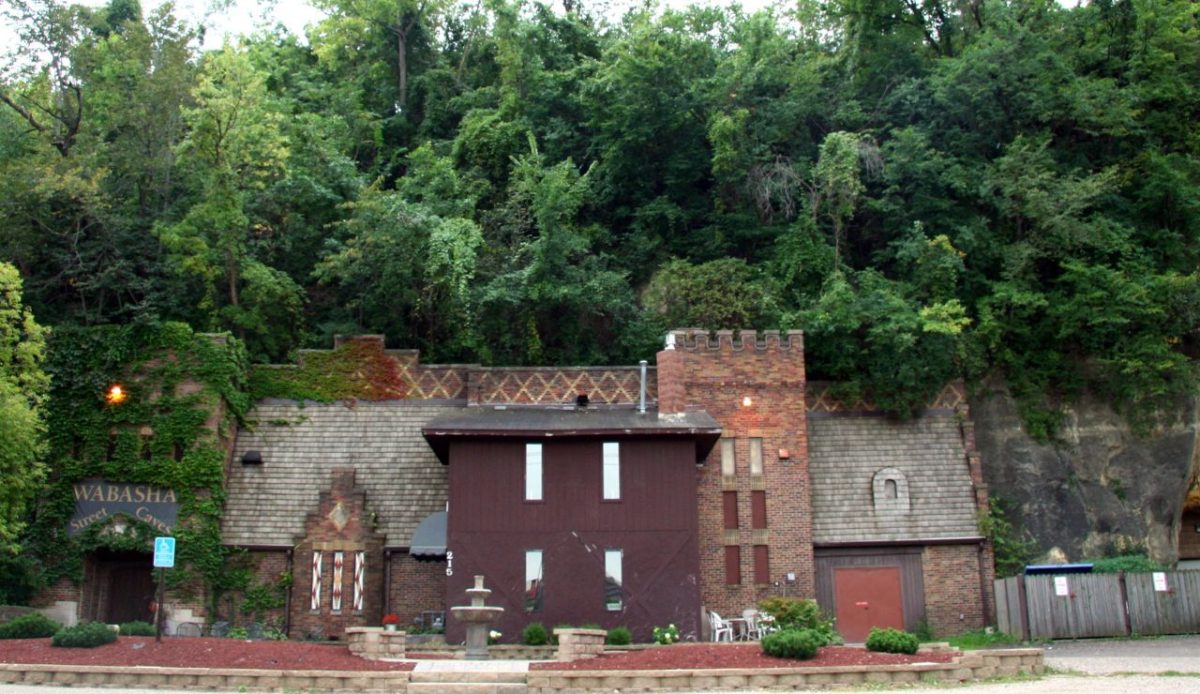
Wabasha Street Caves are man-made sandstone caves with a long history of use and modification. Unlike natural caves, their danger comes from aging structural features rather than extreme terrain.
Sections of the caves include low ceilings, uneven floors, and confined corridors that limit movement and visibility. Moisture buildup and temperature changes can weaken surfaces over time, increasing risk.
Because these caves were not designed for exploration under modern safety standards, access requires caution. Structural instability and restricted escape routes highlight how man-made caves can pose serious hazards when conditions are underestimated.
