
Travel costs have been rising everywhere, but in some U.S. tourist towns, inflation hits visitors harder than they expect. These are places where hotel rates jumped faster than services improved, where everyday meals suddenly feel overpriced, and where transportation costs quietly stack up day after day. What makes it worse is the expectation gap. Many of these destinations still carry reputations for value, affordability, or casual travel, even though prices now rival those of long-established expensive cities. Inflation shows up not as one shocking expense, but as a steady drip of higher fees, pricier food, and fewer budget-friendly alternatives. For travelers, that disconnect between image and reality is what makes the sticker shock feel sharper.
1. Honolulu
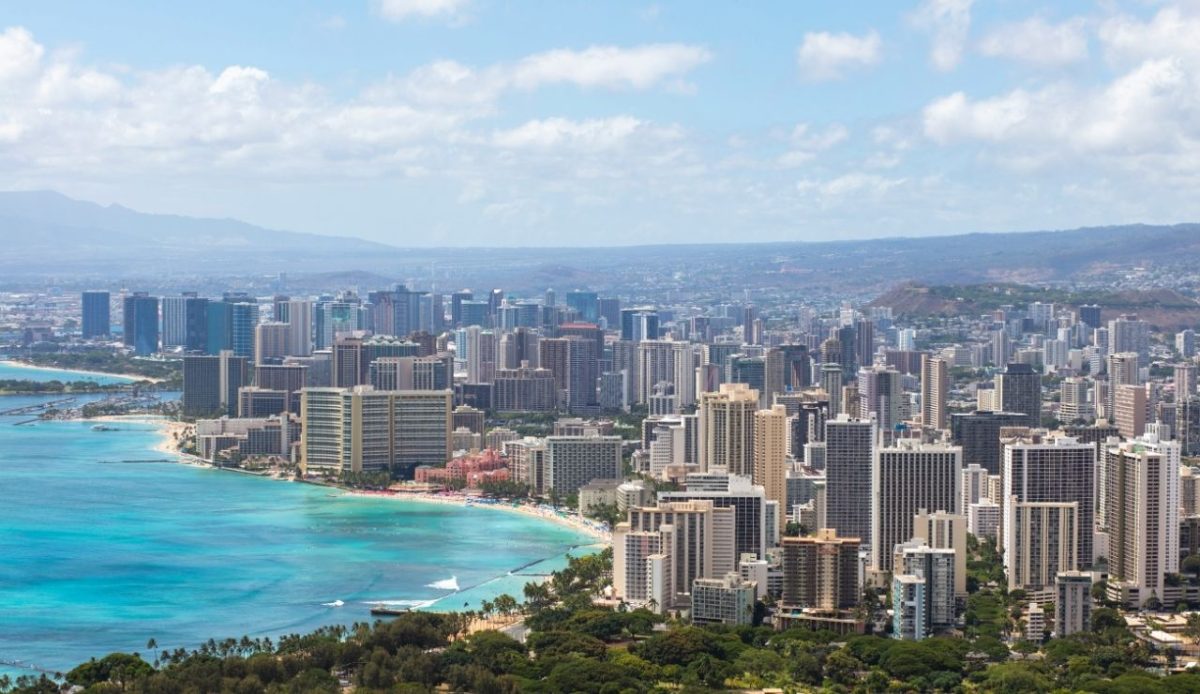
Honolulu feels like the clearest example of how inflation hits visitors harder than locals. Here’s the thing: nearly everything a traveler touches is imported, from food to building materials to fuel. That structural reality has always made Hawaii expensive, but recent inflation magnified it in ways that are impossible to ignore. Hotel rates climbed sharply as staffing shortages met pent-up travel demand, while resort fees quietly expanded to cover rising labor and energy costs. Restaurants adjusted menu prices faster than many mainland cities because ingredient costs rose earlier and more aggressively. Even basics like car rentals and sunscreen carry island markups that feel steeper than expected. What really catches visitors off guard is that many costs are unavoidable. You can’t easily shop around for cheaper groceries or gas when options are limited. The result is a vacation where daily expenses quietly snowball, making Honolulu feel less like a splurge and more like a budget stress test.
2. San Francisco
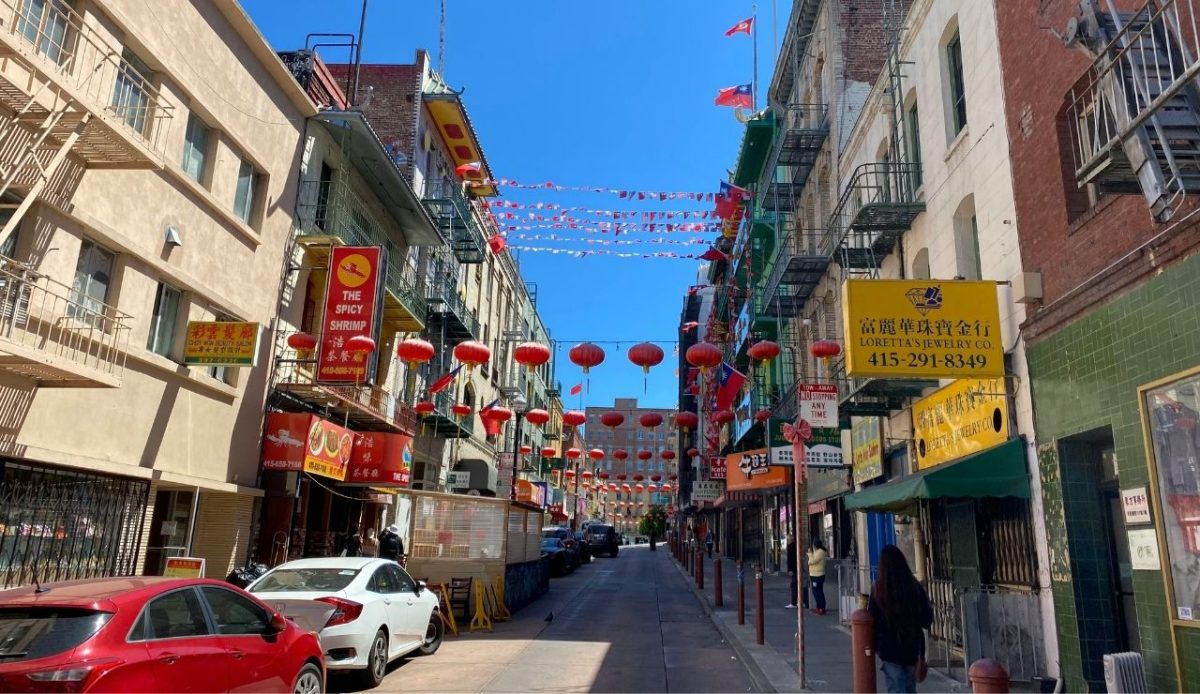
San Francisco’s inflation problem doesn’t show up as a single shocking price. It shows up as constant accumulation. Visitors quickly notice that hotel rates remain high even outside peak season, largely because operating costs in the city never dropped back down after the pandemic. Labor expenses, commercial rents, and regulatory fees push restaurants and attractions to price defensively. A simple lunch can cost far more than expected, not because it’s fancy, but because the baseline cost of doing business is so high. Transportation adds another layer. Parking fees, bridge tolls, and rideshare surcharges have risen steadily, making the city surprisingly expensive. For tourists, this creates a mismatch between expectation and reality. San Francisco’s casual culture suggests laid-back spending, but inflation has turned everyday experiences into premium-priced ones, leaving visitors feeling like they paid luxury-city prices without always receiving luxury-city comfort.
3. Phoenix
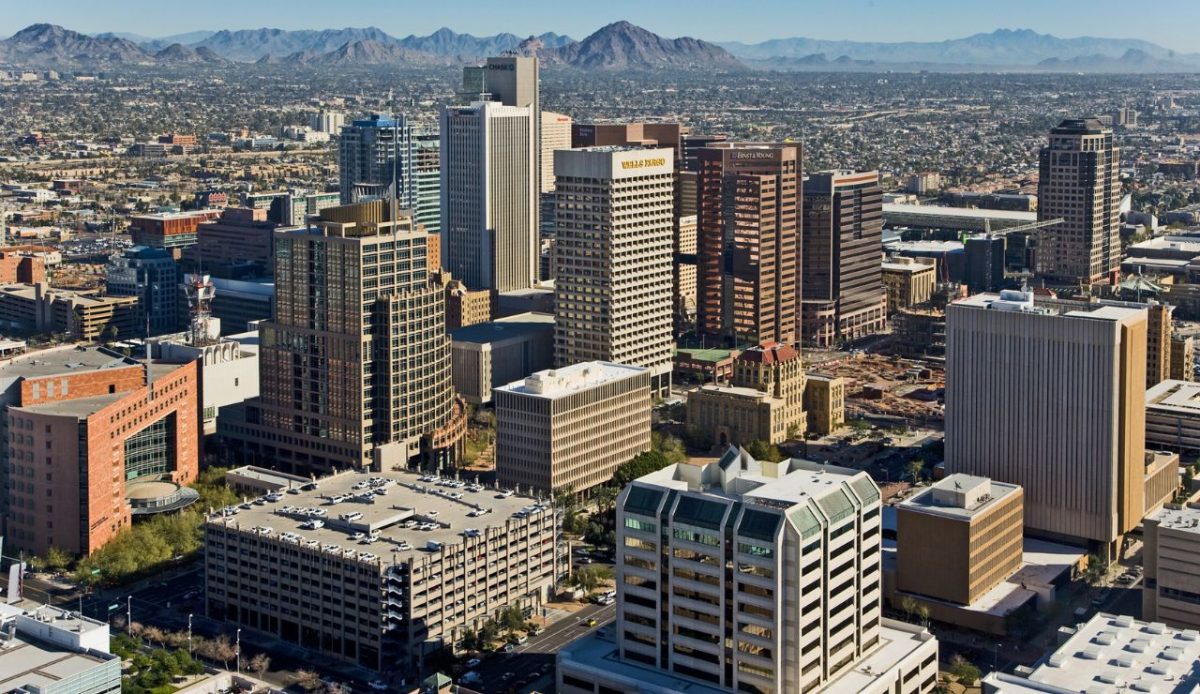
Phoenix surprises travelers because it still carries a reputation as an affordable, sun-soaked getaway. Inflation quietly broke that illusion. Rapid population growth drove housing and service costs up fast, and tourism businesses adjusted prices accordingly. Hotels that once marketed value now charge rates closer to coastal cities during peak seasons. Dining costs rose as labor shortages and higher food prices hit restaurants that rely heavily on seasonal staff. What makes Phoenix feel especially inflation-heavy for visitors is the necessity factor. You often need a rental car, air conditioning runs constantly, and distances between attractions are large. Those practical needs turn higher gas prices, rental rates, and utility costs into unavoidable expenses. Visitors arrive expecting savings compared to California or Nevada and leave realizing that the cost gap has narrowed dramatically, with fewer alternatives to soften the blow.
4. Denver
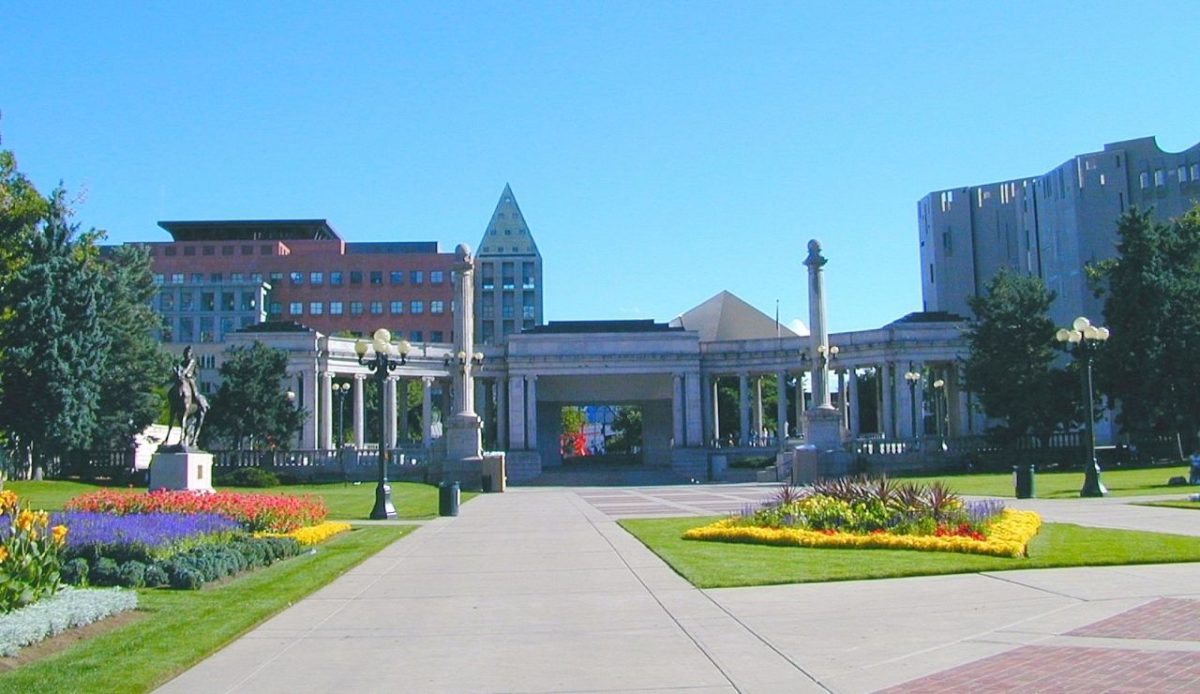
Denver’s inflation impact on travelers is tied directly to its popularity. The city’s outdoor appeal never slowed, even as costs rose. Lodging prices increased as demand outpaced supply, especially near downtown and mountain access points. Restaurants raised prices not only to cover food inflation but also to compete for workers in a tight labor market. For visitors, this means meals, drinks, and casual outings cost more than anticipated for a city that still feels relaxed and approachable. Transportation adds to the strain. Parking, airport transfers, and rideshares reflect higher fuel and labor costs. Even nearby mountain towns, often part of a Denver trip, carry inflated prices that ripple back into the city experience. Travelers notice inflation here because Denver still markets itself as accessible, while actual costs increasingly resemble those of long-established high-price destinations.
5. Los Angeles
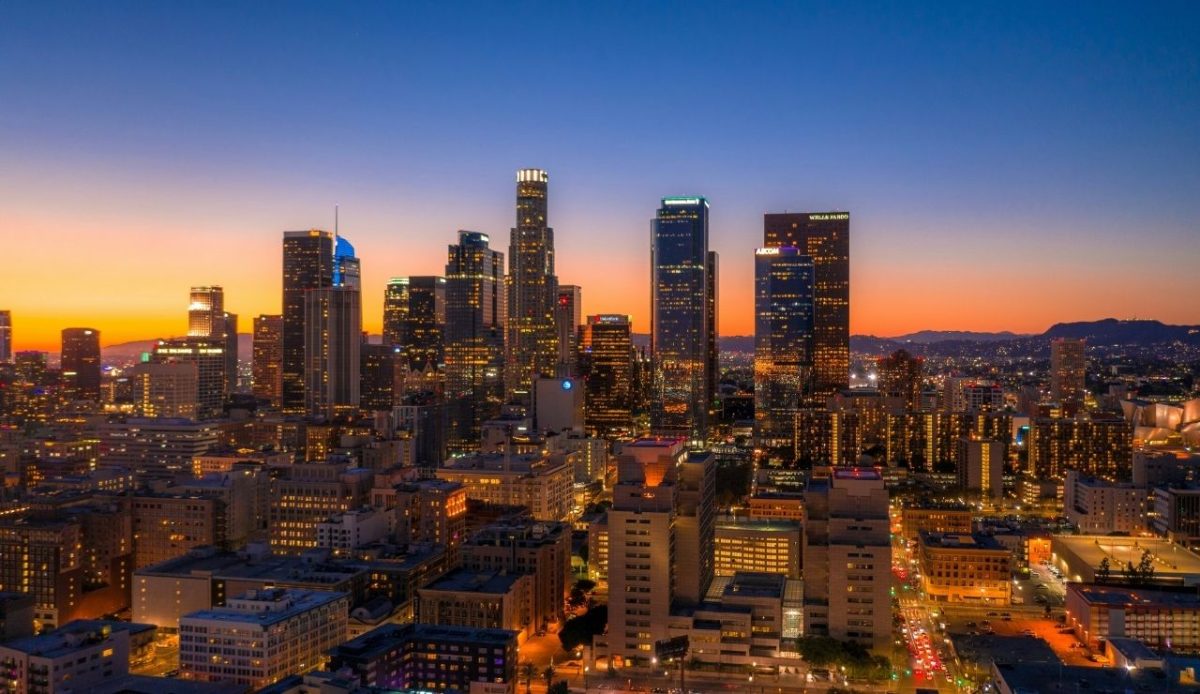
Los Angeles has always been expensive, but inflation changed how that expense feels. What this really means is fewer low-cost surprises and more high-cost defaults. Hotels raised rates while cutting back on daily services, leaving travelers paying more for less. Dining costs rose across the board, even at casual spots, as wages and supply expenses climbed. Transportation is where visitors feel inflation most sharply. Gas prices, rental cars, parking fees, and rideshares all increased, and LA’s sprawl makes avoiding those costs nearly impossible. Attractions layered on higher ticket prices and added fees to offset staffing and maintenance costs. For tourists, the frustration comes from volume. No single expense ruins the trip, but every part of the day costs a bit more than expected, turning LA into one of the most consistently inflation-heavy cities to visit.
6. Baltimore
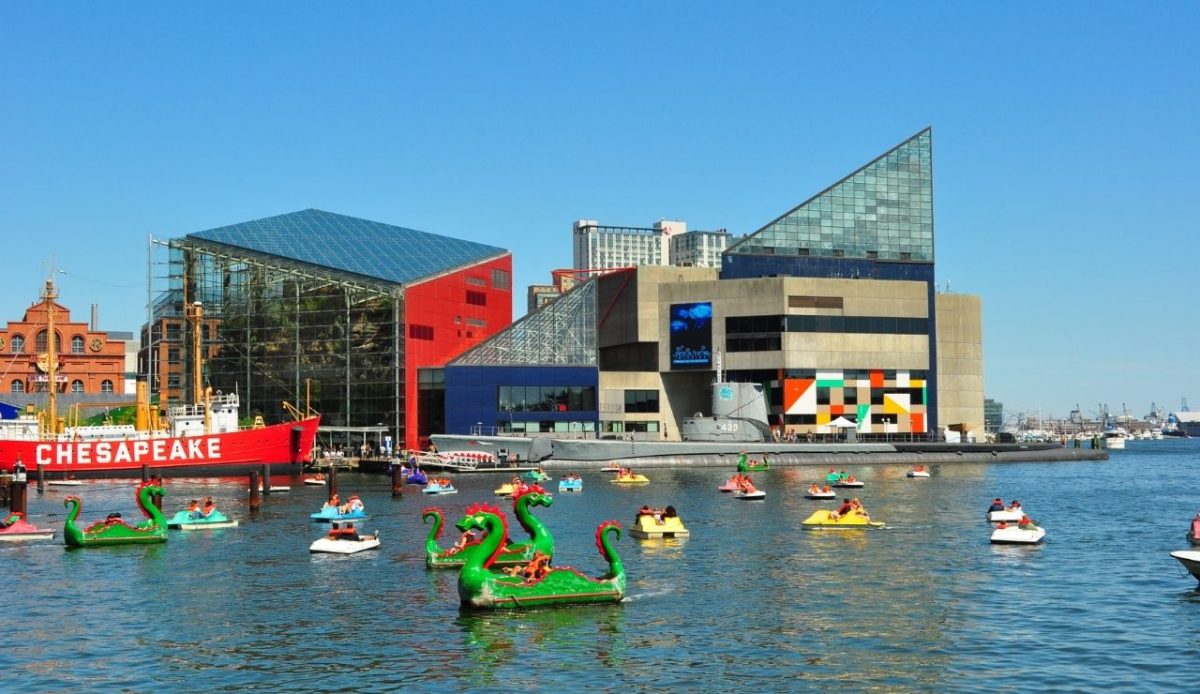
Baltimore doesn’t have a reputation as a high-cost tourist destination, which is exactly why inflation hits visitors harder here. Hotel prices increased alongside broader East Coast trends, but the city lacks the luxury branding that prepares travelers for those rates. Dining costs rose as restaurants faced higher food and labor expenses, particularly in waterfront and downtown areas frequented by visitors. Transportation adds another layer, with parking fees and tolls quietly climbing. What makes Baltimore stand out is the expectation mismatch. Travelers arrive assuming moderate prices and instead encounter costs closer to larger nearby cities. Without extensive public transit coverage for tourists or abundant low-cost attractions, visitors end up spending more than planned simply navigating and eating their way through the city.
7. Miami
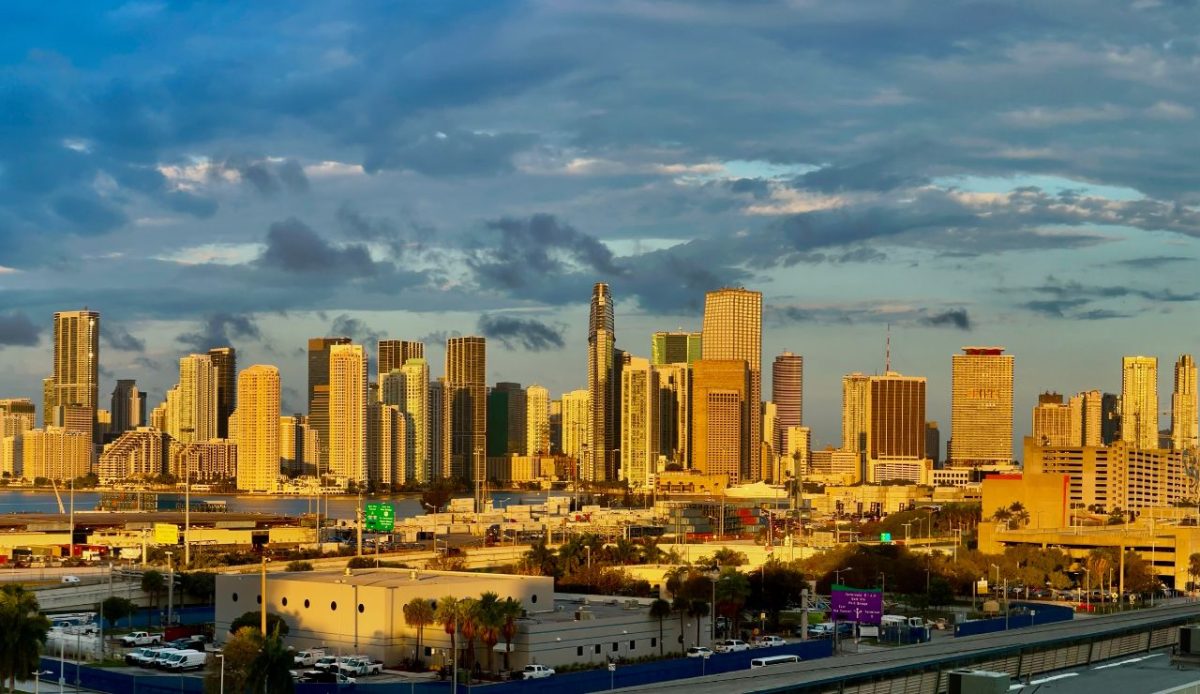
Miami’s inflation problem feels amplified by its image. The city already markets itself as glamorous, and inflation pushed that perception into reality. Hotel rates surged as international travel returned, while service fees and resort charges expanded. Restaurants raised prices rapidly due to labor shortages and higher ingredient costs, especially in nightlife-heavy areas. Transportation costs climbed as rideshares adjusted pricing for demand and fuel expenses. What hits visitors hardest is concentration. Many Miami trips revolve around specific neighborhoods where inflated pricing is unavoidable. Even short stays feel expensive because food, drinks, and entertainment costs stack up quickly. Travelers notice inflation here because Miami rarely offers quiet, low-cost alternatives once you’re in the tourist core.
8. Dallas
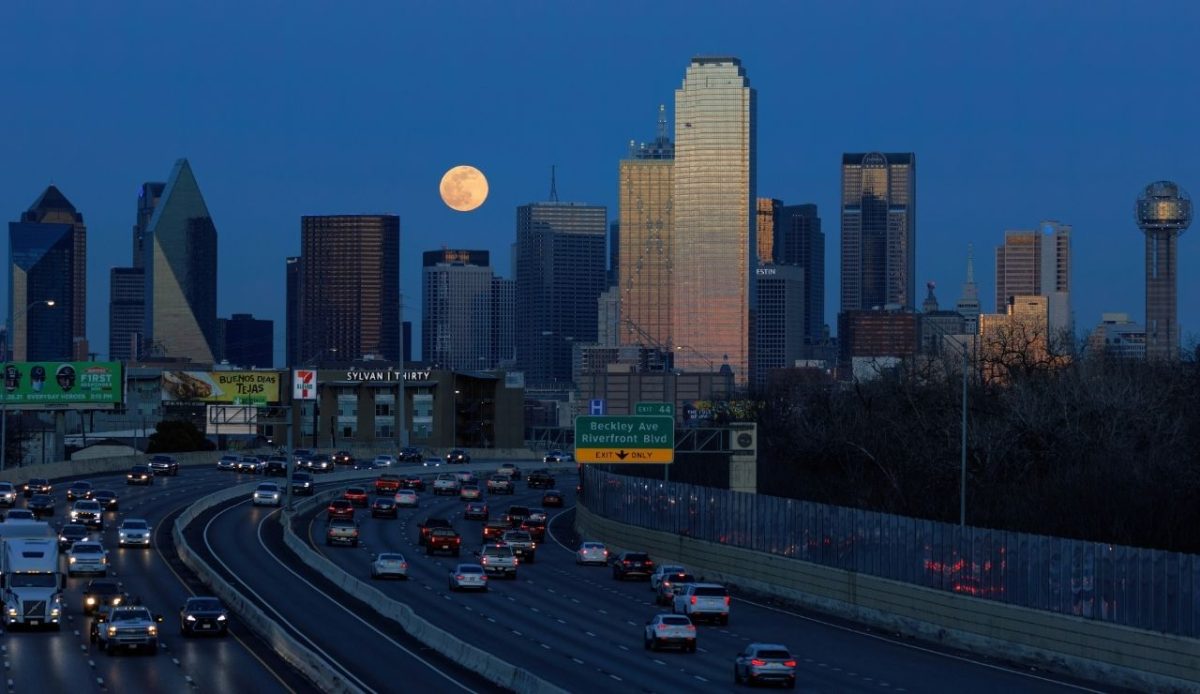
Dallas still carries a reputation for affordability, but inflation reshaped that narrative. Hotel prices increased as business and leisure travel rebounded, and service costs followed. Dining expenses rose due to higher wages and supply costs, especially in popular districts that visitors gravitate toward. Transportation plays a major role. Dallas is car-dependent, and higher gas prices, parking fees, and rental costs quickly add up. What makes inflation noticeable for travelers is scale. Distances are large, attractions are spread out, and there are fewer walkable savings. Visitors expecting Texas-sized value instead encounter metropolitan pricing that feels closer to coastal cities than anticipated.
9. St. Louis
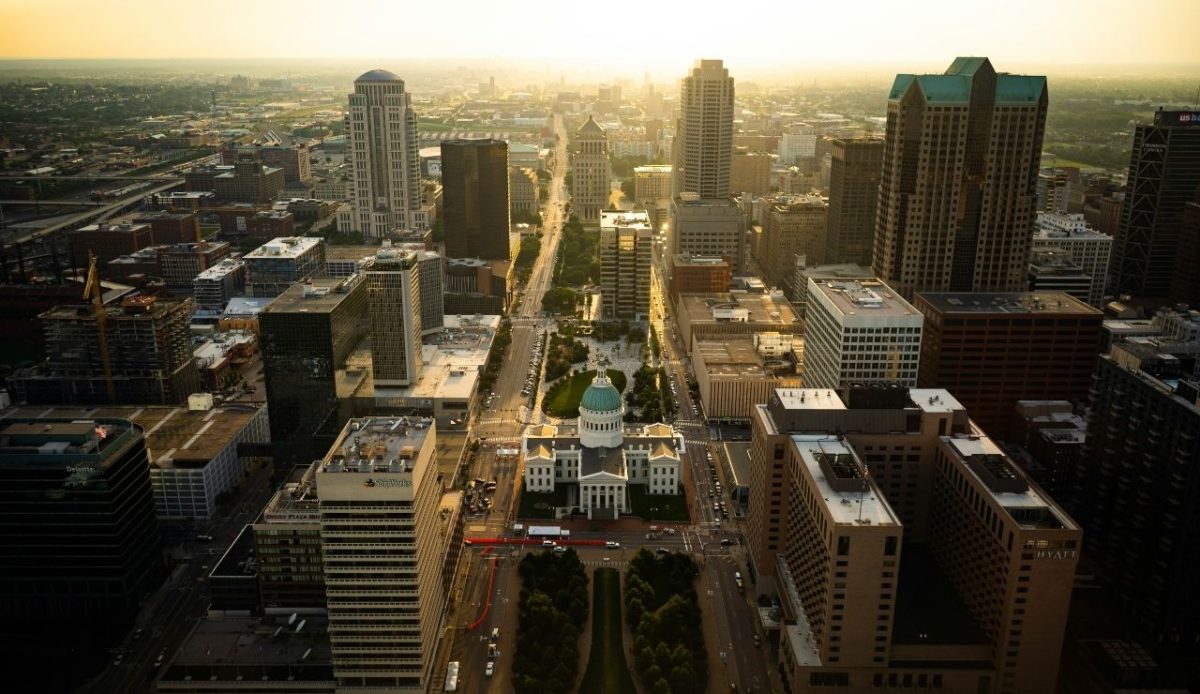
St. Louis stands out because inflation here feels unexpected. The city historically marketed itself as affordable, but rising prices disrupted that identity. Hotels raised rates as operating costs climbed, while restaurants adjusted menus to reflect higher food and labor expenses. For visitors, the issue isn’t luxury pricing but lost value. Attractions that once felt inexpensive now carry higher admission and concession costs. Transportation and parking fees increased quietly, making even short trips more expensive. What really makes travelers notice inflation in St. Louis is the contrast. Expectations remain low, but actual spending feels noticeably higher than the city’s reputation suggests, leaving visitors more aware of every dollar spent.
