
Some of the biggest history stories do not come from famous pyramids or royal tombs. Sometimes they come from quiet caves, dry desert land, and small pieces of old material.
A new study has looked again at ancient items found in caves in Oregon. These items may be around 12,000 years old. That makes them much older than Egypt’s Great Pyramid.
The finds include sewn animal hide, plant cords, baskets, wooden trap parts, and bone needles. They show that early people in North America were skilled, smart, and able to make useful things from the land around them.
Here are the key things to know about this discovery.
1. The finds came from dry caves in Oregon

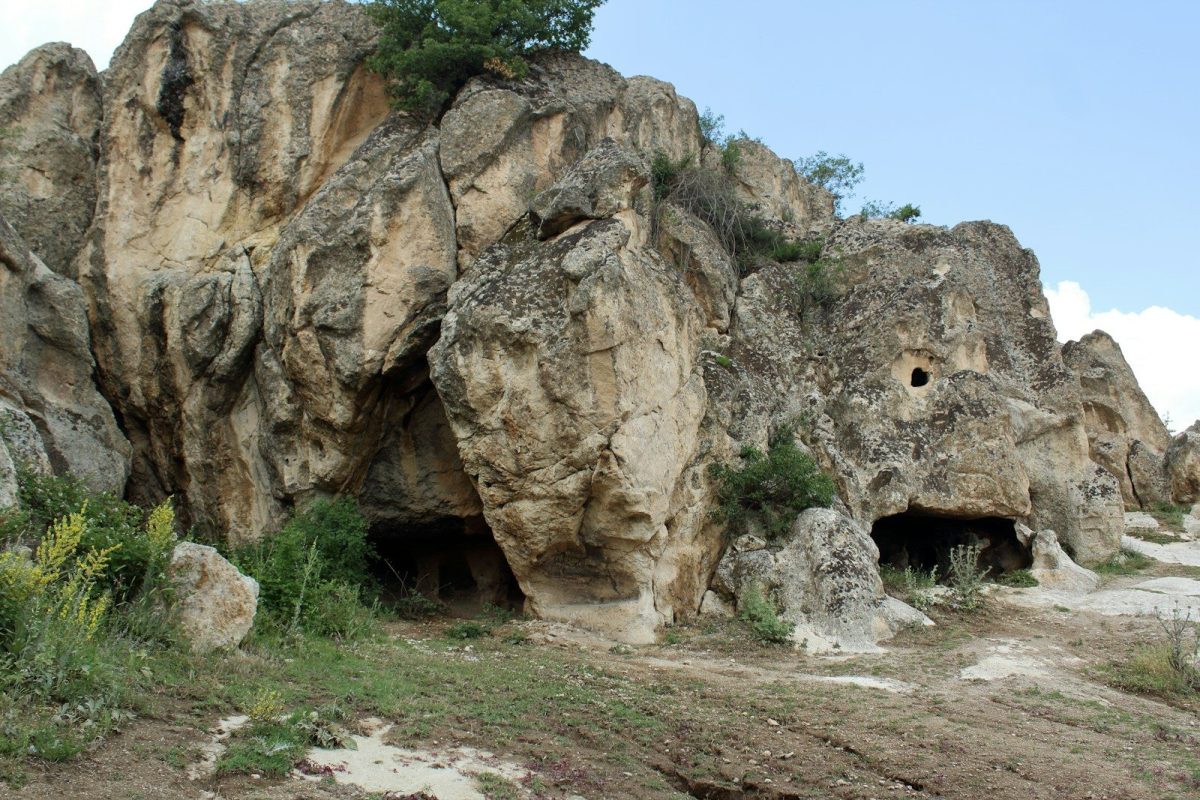
The items were found in caves in Oregon’s northern Great Basin region.
This area is dry, which helped protect materials that usually break down over time. Things like animal hide, plant fiber, and wood do not often last for thousands of years.
Because the caves stayed dry, these rare items were preserved.
For travelers who enjoy ancient history, places like this show how much the land can protect from the past.
2. Some pieces may be 12,000 years old

Researchers say some of the items date back to the end of the last Ice Age.
That means they may be about 12,000 years old.
This is long before the Great Pyramid of Egypt was built. It also comes from a time before many famous ancient civilizations appeared.
The discovery gives researchers a closer look at how people lived in North America thousands of years ago.
3. One item may be the oldest sewn hide found so far

One of the most important finds is a piece of elk hide.
The hide had been cleaned, had the hair removed, and was stitched with cord. The cord was made from plant fibers and animal hair.
Researchers think it may have been part of clothing, footwear, or a bag.
If correct, this could be the oldest known example of sewn animal hide found in the Americas.
4. Early people may have made fitted clothing
The sewn hide suggests that people in this region were not just covering themselves with loose skins.
They may have made more fitted items, such as coats, shoes, or bags.
That takes planning and skill. It also means they knew how to use animal hide, plant fibers, and sewing tools together.
For people living during the Ice Age, warm and useful clothing could be very important for survival.
5. Bone needles show advanced sewing skills
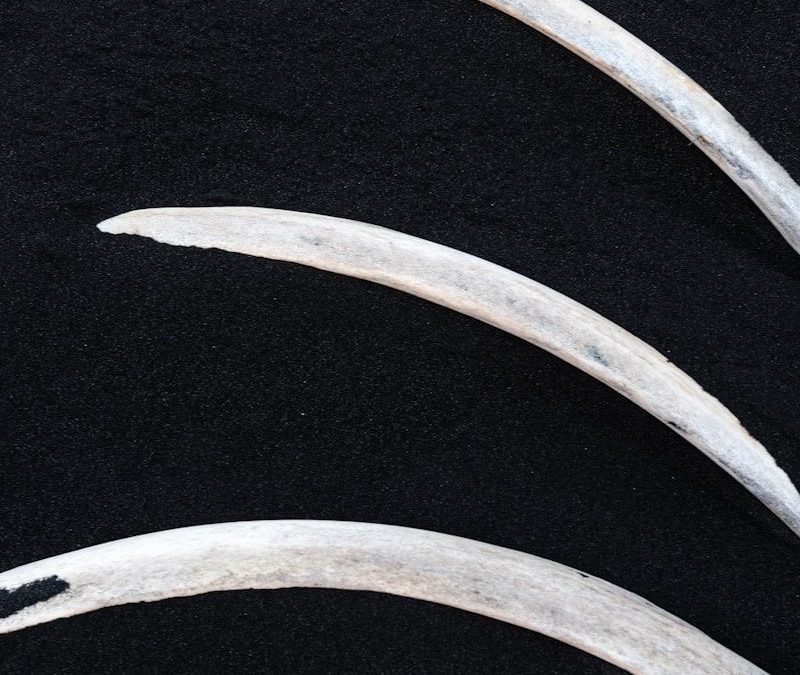
Other sites in Oregon also had bone needles.
Some of these needles had small eyes, which means they may have been used for sewing.
Needles like this are small tools, but they tell a big story. They show that early people could make fine tools and use them carefully.
These were not simple objects. They were part of daily life and helped people make clothing, bags, and other useful items.
6. The caves also held baskets, cords, and knots
The Oregon finds were not only about clothing.
Researchers also studied braided ropes, twisted cords, knots, and woven pieces. Some were made from plants like sagebrush bark, dogbane, and rush.
These materials may have been used for sewing, tying, carrying, trapping, or making baskets and mats.
This shows that early people understood the plants around them. They knew which ones could bend, twist, hold, and last.
7. Wooden trap parts were also found
Some items were made from wood and may have been used for hunting traps.
This matters because wood usually does not survive for very long in old sites. The dry cave setting helped keep it safe.
The trap parts suggest that early people were skilled hunters and makers.
They did not only chase animals. They also built tools and systems to help them catch food.
8. Old museum collections helped reveal the story
Some of the items from Cougar Mountain Cave were first dug up in 1958 by an amateur archaeologist named John Cowles.
After he died, the collection was given to the Favell Museum in Klamath Falls, Oregon.
Other items came from places like Paisley Caves, Connley Caves, and Tule Lake Rockshelter. These were studied and stored in museums and research collections.
The new study used modern lab tests, including radiocarbon dating, to check how old the items were.
This shows why old museum collections still matter. Sometimes new science can help us learn more from things found many years ago.
What this means for history
For a long time, many people thought early hunter-gatherers in North America lived in very simple ways.
This discovery adds more detail to that picture.
The Oregon items show that Ice Age people had strong craft skills. They made clothing, cords, baskets, traps, and tools. They used plants, animals, bones, and wood in smart ways.
They were creative. They were practical. They knew how to survive in a changing world.
This Oregon cave discovery is a reminder that history is not only found in huge monuments.
A small piece of sewn hide can tell us a lot. So can a bone needle, a braided cord, or a wooden trap part.
These finds show that people in North America had advanced skills thousands of years before Egypt’s Great Pyramid was built.
For travelers and history lovers, it is another reason to look closely at quiet places. Sometimes the biggest stories are hidden in caves, deserts, and museum drawers.
