
Croatia is famous for its clear blue sea, sunny islands, and pretty beaches. But there is another side to the country too.
Many old towns in Croatia still look like they belong to another age. You can walk through stone streets, see old walls, climb towers, and enjoy views of the Adriatic Sea.
These places are great for travelers who love history, quiet corners, local food, and slow walks. Here are eight medieval towns in Croatia worth adding to your travel list.
1. Dubrovnik
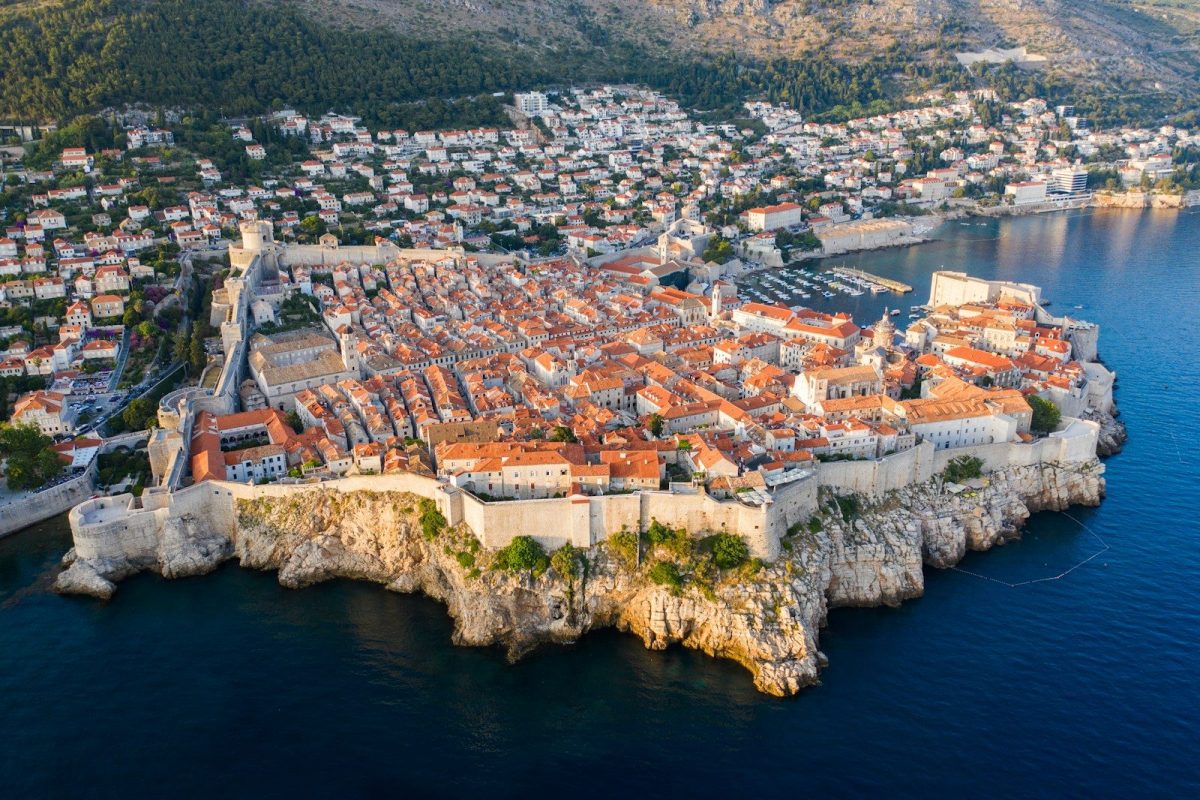
Dubrovnik is one of the most famous old cities in Croatia.
It sits in the far south of the country, close to Montenegro and Bosnia and Herzegovina. Many travelers know it for its city walls, red rooftops, and sea views.
The old town has no cars, so it is easy to explore on foot. You can walk through narrow lanes, visit old churches, and stop at small cafes.
One of the best things to do is walk along the city walls. From the top, you can see the orange roofs, the sea, and the nearby forts.
Fort Lovrijenac is also worth visiting. It stands on a tall rock above the water and has protected the city for many years.
2. Motovun
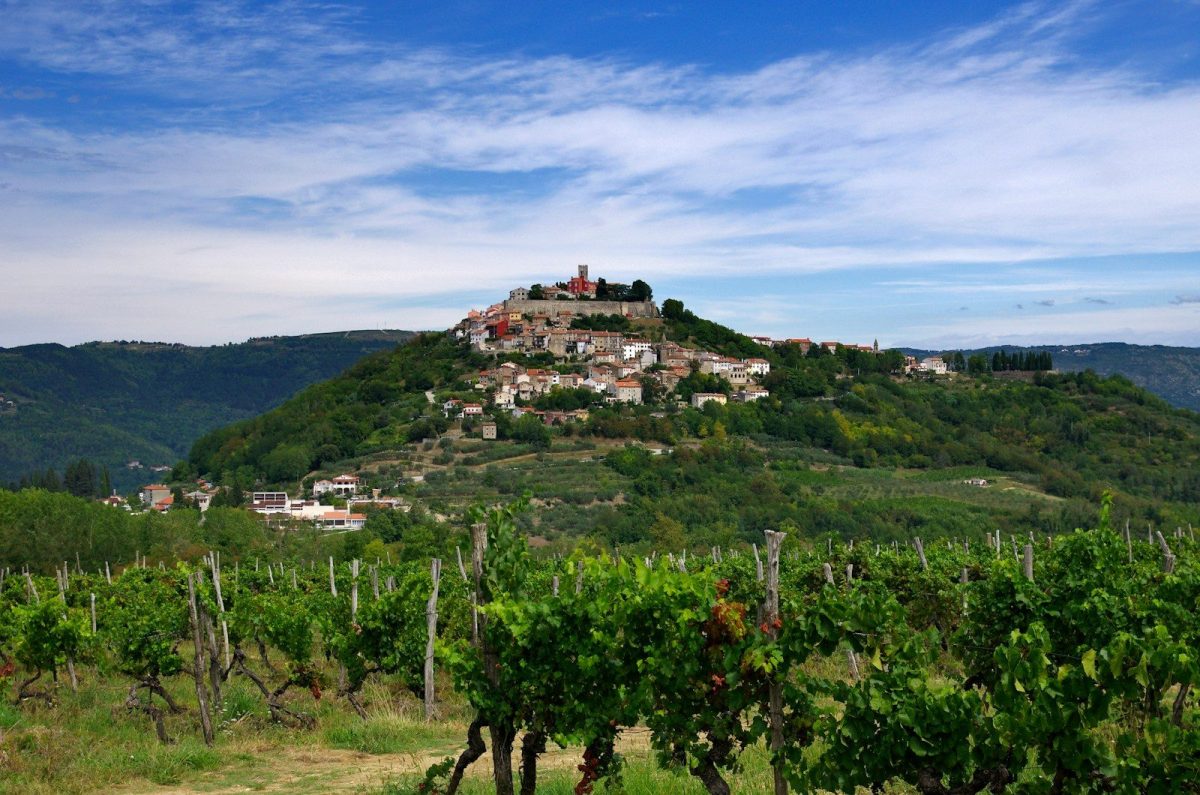
Motovun is a small hill town in Istria.
It stands high above the valley, about an hour from Pula. The view from the top is one of the best reasons to visit.
The town has old stone streets, pretty houses, and walls that circle around the hill. It feels calm and peaceful, especially if you visit early in the day.
Motovun is also known for truffles. Many restaurants serve local dishes with this special ingredient.
In summer, the town also hosts a film festival. Watching a movie under the open sky in a medieval town is a lovely travel memory.
3. Hum
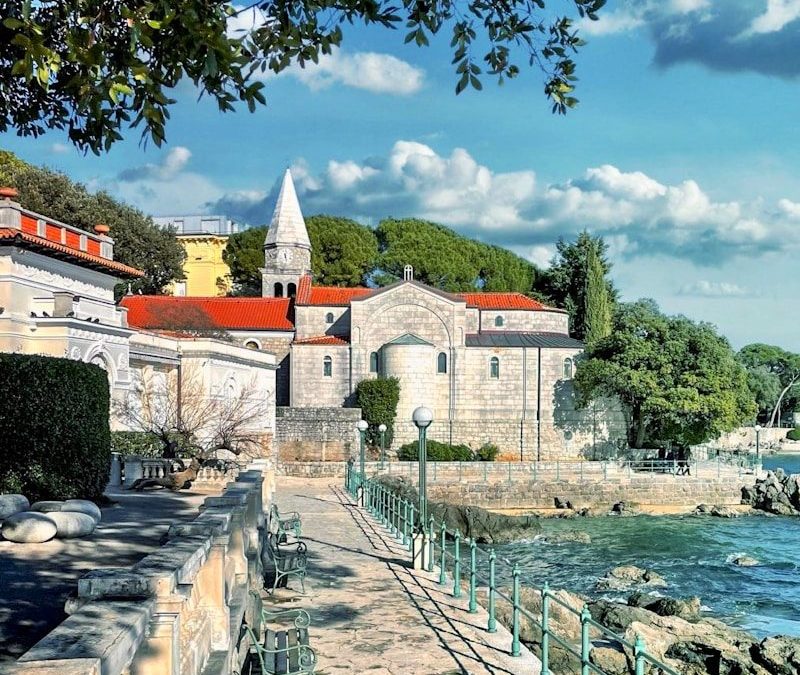
Hum is often called the smallest town in the world.
It may be tiny, but it has a lot of charm. The town has stone homes, narrow lanes, and old buildings that make it feel frozen in time.
Hum was also important for Glagolitic writing, an old Slavic alphabet. You can still see signs of this history in the town.
A visit here does not take long, but it feels special. It is a nice stop for travelers who enjoy quiet places away from busy crowds.
There is also a local story that says Hum was made from stones left behind by giants.
4. Trogir
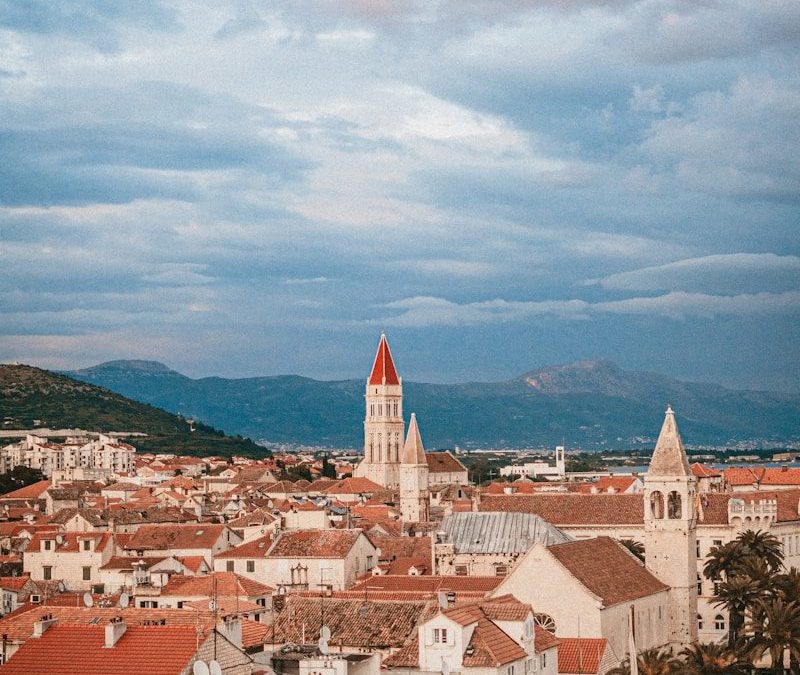
Trogir is like an open-air museum.
This medieval town is built on a small island and is listed as a UNESCO World Heritage Site. It is full of old stone buildings, towers, churches, and narrow streets.
The town has a mix of Romanesque, Gothic, and Renaissance styles. That means every corner has something beautiful to notice.
The Cathedral of St. Lawrence is one of the main places to see. If you climb the bell tower, you can enjoy wide views over the town and sea.
After exploring, walk along the Riva. It is a lively waterfront area with cafes, restaurants, and boats nearby.
5. Ston
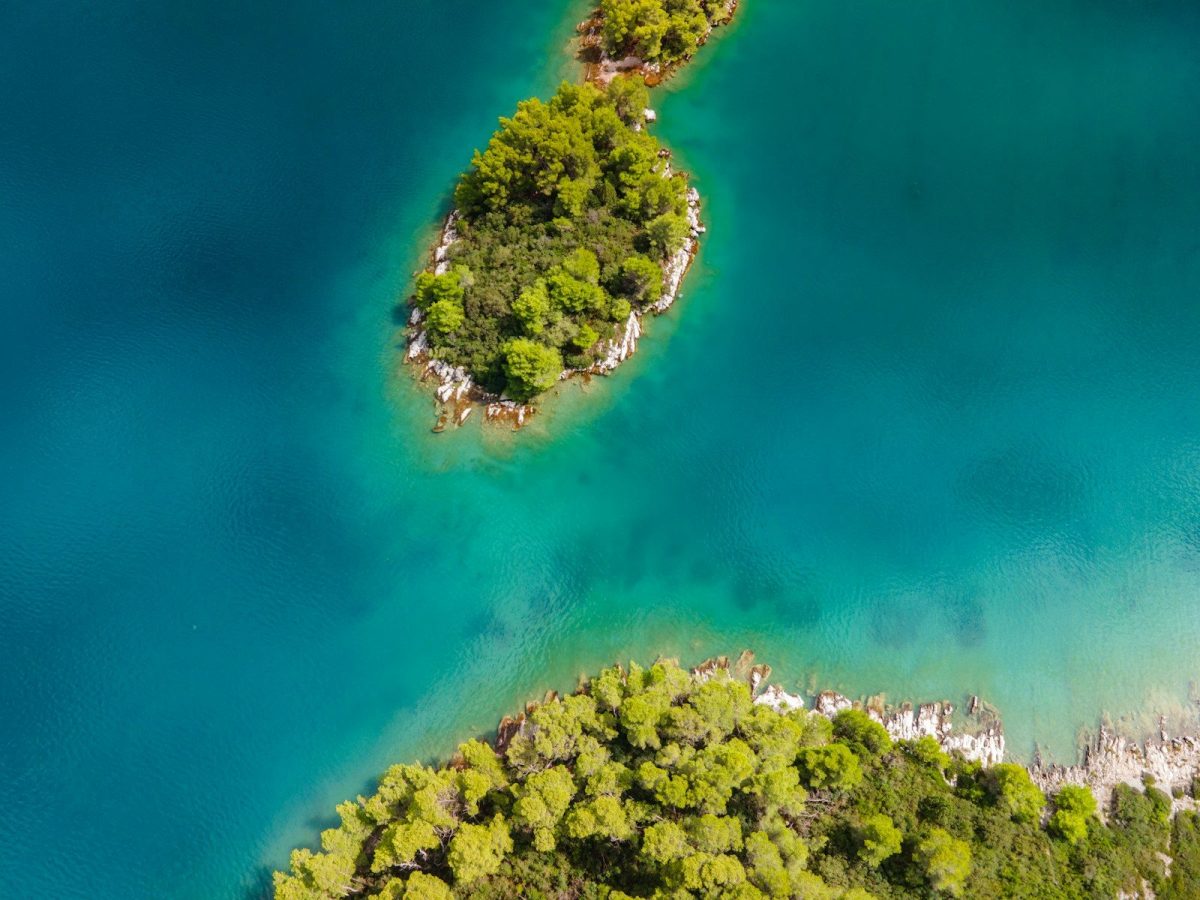
Ston is a small town with very big walls.
It sits on the Pelješac peninsula and is best known for its long medieval walls. These walls stretch for about 5.5 kilometers and are sometimes called the “Little Great Wall of China.”
They were built in the 14th century to protect the area.
Today, visitors can walk parts of the walls and enjoy views of the sea, hills, and town below.
Ston is also known for salt pans that are still used today. Food lovers should also try the local oysters, which are one of the town’s most famous treats.
6. Grožnjan
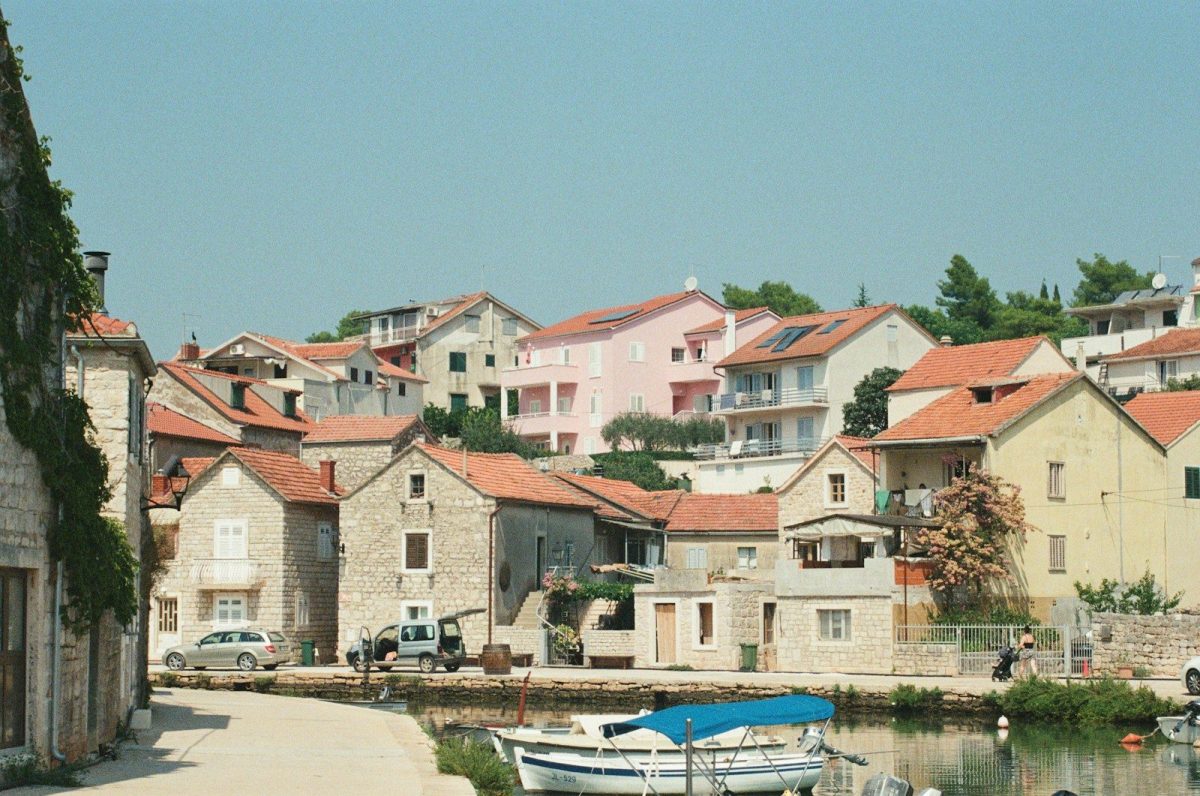
Grožnjan is a beautiful old village in Istria with a creative heart.
It was once a Venetian fortress. Today, it is known for art, music, and small workshops.
As you walk through the village, you will see stone houses, old walls, galleries, and handmade goods. The streets are uneven, but that adds to the charm.
In summer, Grožnjan becomes even more alive. Music festivals, especially jazz events, bring sound and energy to the village.
It is a great place for travelers who like history mixed with art and culture.
7. Bale
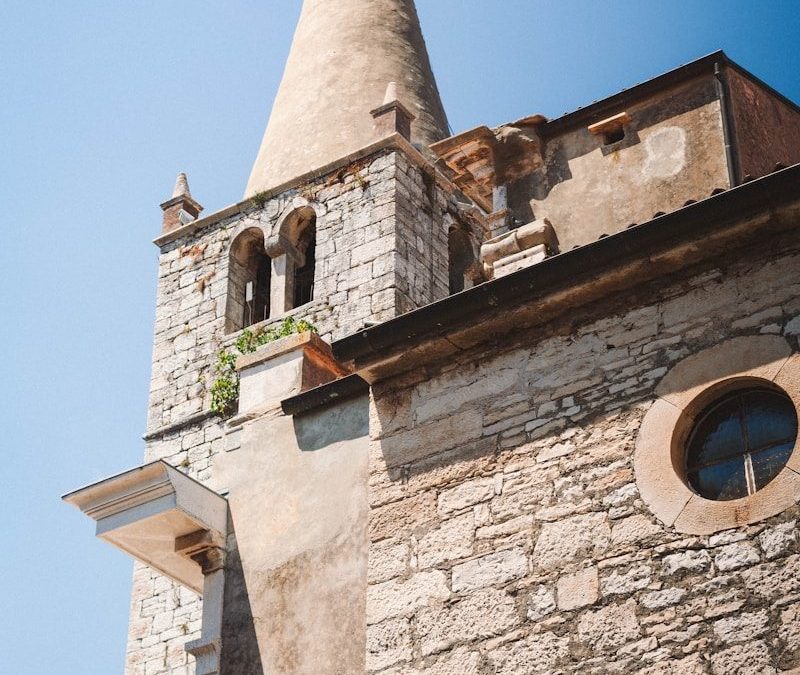
Bale is one of the quieter medieval villages in Istria.
It has warm stone houses, narrow streets, and a calm feel. This is not the kind of place where you rush. It is better to slow down and enjoy the old-world setting.
At the center of the village stands Bembo Castle, which dates back to the 15th century. It gives the village a strong historic feel.
Near Bale, travelers can also visit Romualdo Cave. In the Middle Ages, it was linked to hermits who lived in quiet places away from the world.
Bale is a good choice if you want a more peaceful Croatian stop.
8. Rijeka
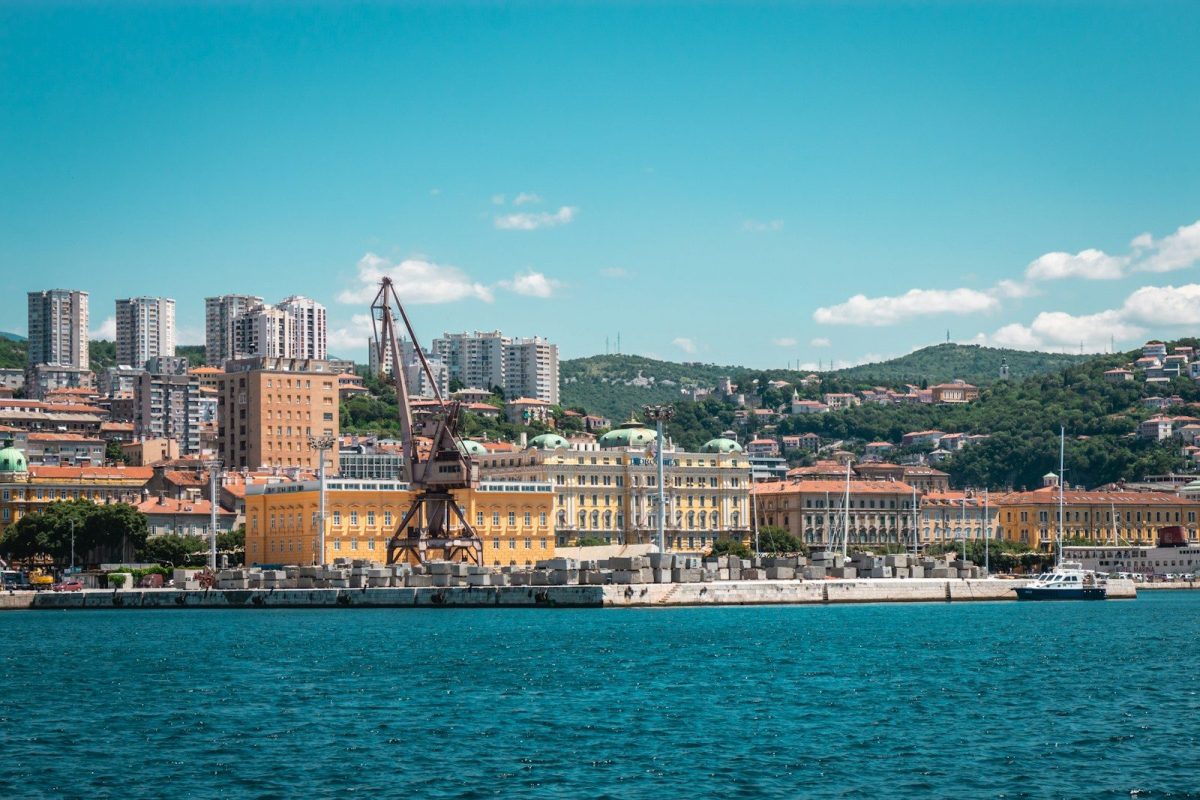
Rijeka is different from the smaller towns on this list.
It is a busy port city on the Bay of Kvarner, but it also has deep medieval roots. Over time, it was shaped by Croatian, Italian, and Austrian influences.
One of the best places to visit is Trsat Castle, which sits above the city. From there, you can see Rijeka, the sea, and the surrounding hills.
The Church of Trsat is also an important historic site. In the city center, travelers can see Modello Palace and the Ivan Zajc Theatre.
Rijeka is not as famous as Dubrovnik or Trogir, but that is part of its charm. It gives visitors culture, history, and a more local feel.
Croatia is more than beaches and islands.
Its medieval towns tell stories through stone walls, old castles, narrow lanes, and quiet squares. Some sit by the sea. Others rest on hills or deep in green valleys.
Dubrovnik is grand and famous. Hum is tiny and peaceful. Trogir feels like a museum. Grožnjan is full of art.
Together, these places show a slower and more historic side of Croatia. For travelers who love beauty, culture, and old streets, they are well worth the journey.
