
For many years, people have wondered how ancient workers built Egypt’s Great Pyramid.
The giant structure was made thousands of years ago using huge stone blocks, some weighing as much as 60 tons. Yet no one has found an ancient guide explaining exactly how it happened.
Now, a new study offers a fresh idea. Instead of only using giant ramps, researchers believe builders may have used hidden lifting systems inside the pyramid itself.
Here is a simple look at the new theory and what it could mean for travelers who visit one of the world’s most famous landmarks.
1. The Great Pyramid Still Holds Big Secrets
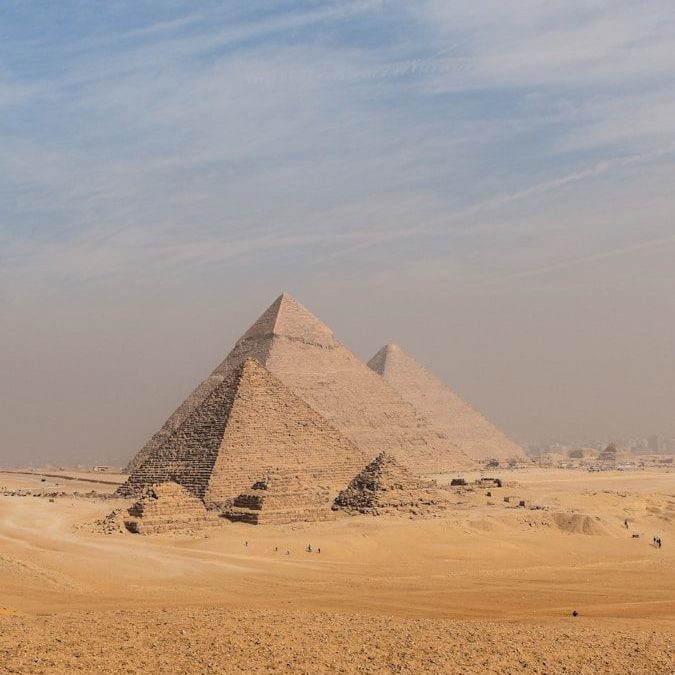
The Great Pyramid of Khufu stands near Cairo and is the oldest and biggest pyramid at Giza.
It was built about 4,585 years ago as a tomb for Pharaoh Khufu. Even today, it remains one of the greatest wonders of ancient engineering.
Millions of visitors come every year to stand beside its huge stones and wonder how people long ago built something so massive.
2. Old Ramp Theories May Not Explain Everything
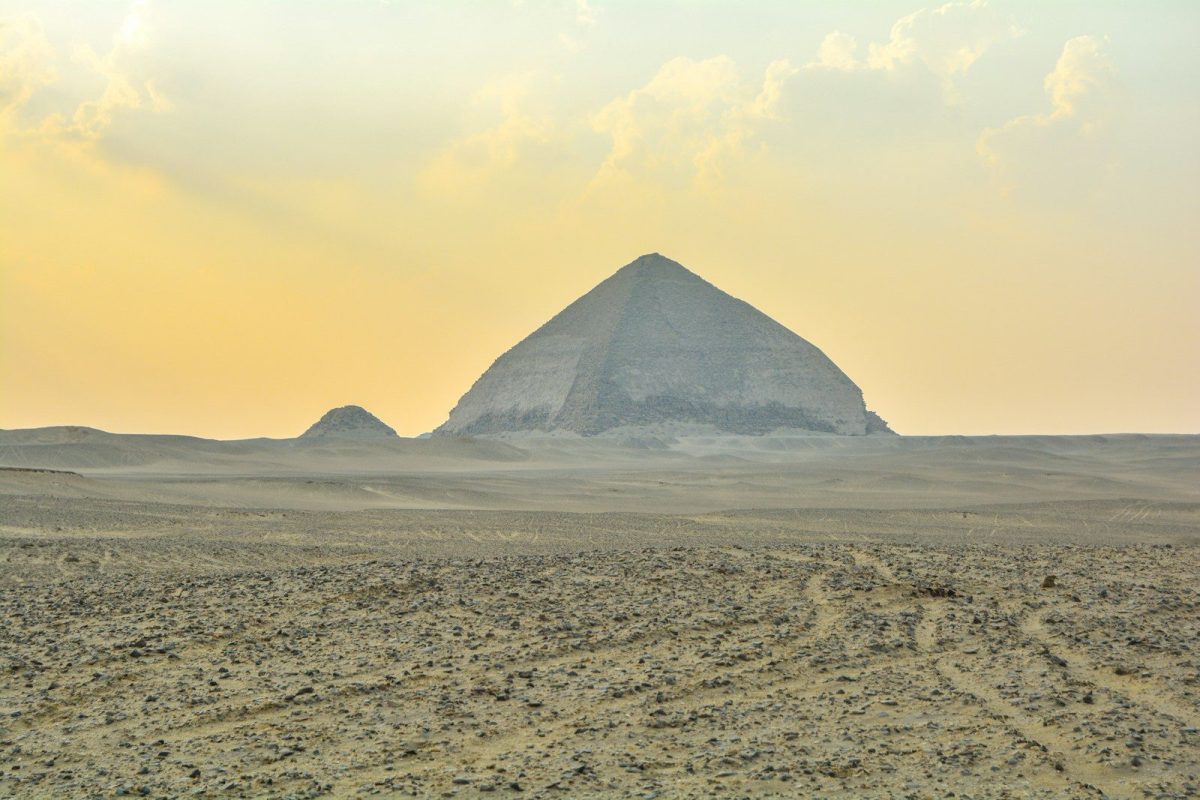
For years, experts believed workers used large ramps to pull heavy stones higher and higher.
But this idea has problems.
Some stones weighed up to 60 tons. The pyramid was also built surprisingly fast, likely in around 20 years. Many experts still wonder how workers could move such giant blocks so quickly using ramps alone.
That mystery has kept travelers and historians curious for generations.
3. A New Study Suggests Hidden Lifting Systems
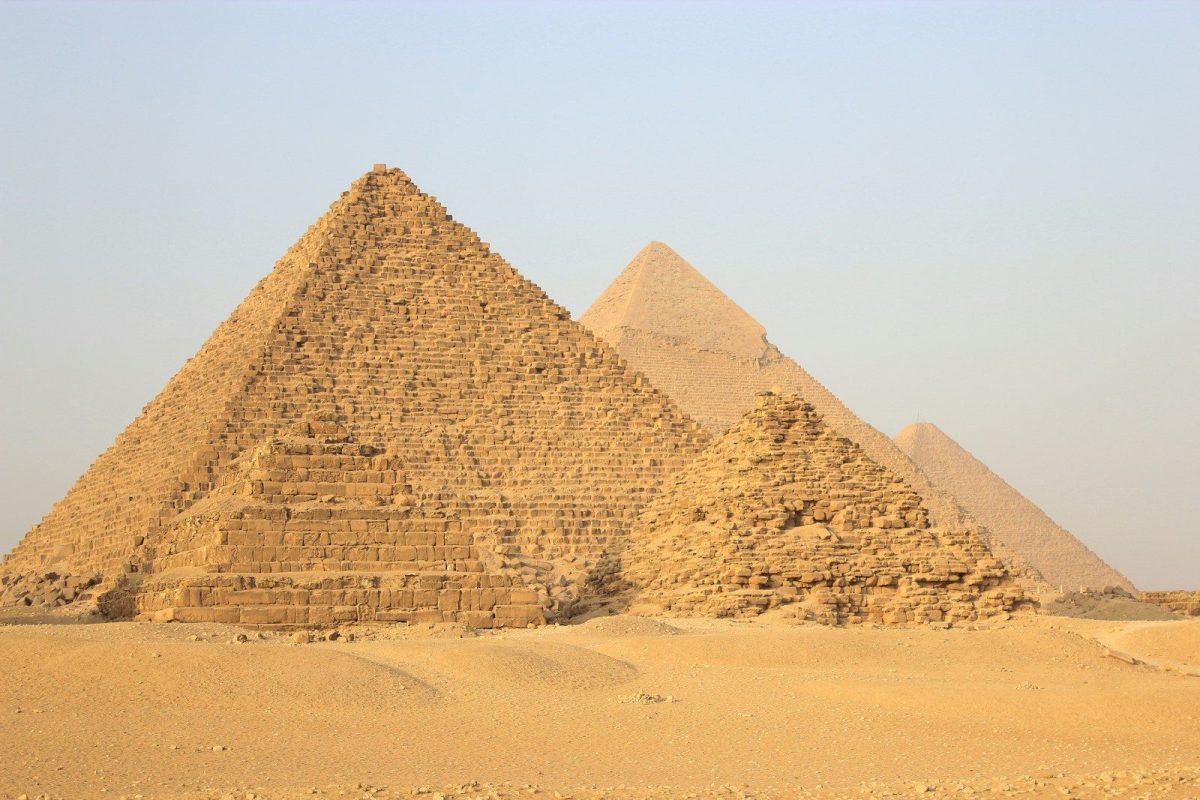
A new study published in Nature offers a different idea.
Researcher Dr. Simon Andreas Scheuring believes builders may have used counterweights and pulley-like systems hidden inside the pyramid.
Instead of dragging stones only from the outside, workers may have lifted blocks from inside the structure as it slowly grew taller.
This idea could change how people understand one of Egypt’s biggest travel attractions.
4. Stones May Have Been Lifted Much Faster Than Expected
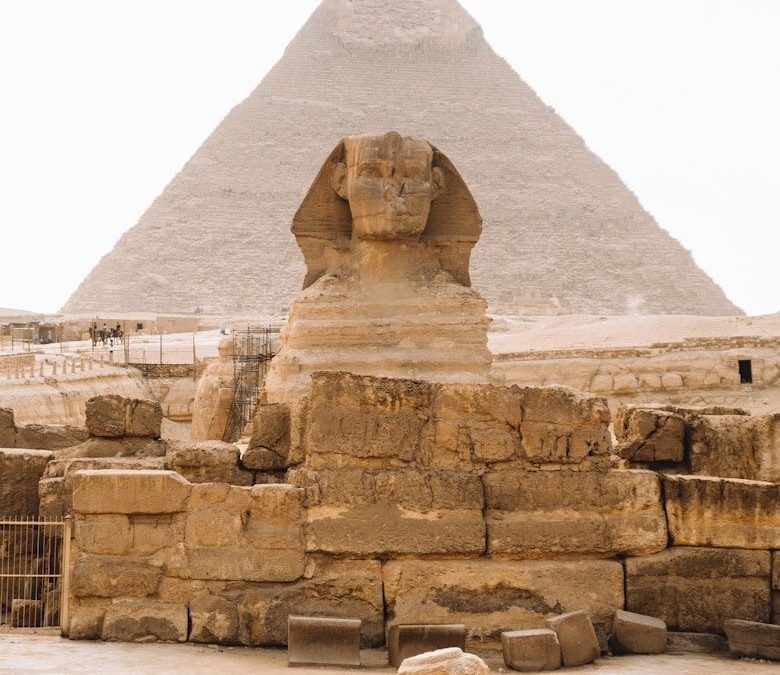
The study suggests workers may have moved stones at an amazing speed.
In some cases, builders may have placed one block every minute.
The theory says this happened because heavy counterweights moved downward through sloped passages. As one side dropped, the force helped lift giant stones upward.
That means workers may have used smart engineering instead of only strength.
5. Hidden Hallways May Have Been Working Spaces
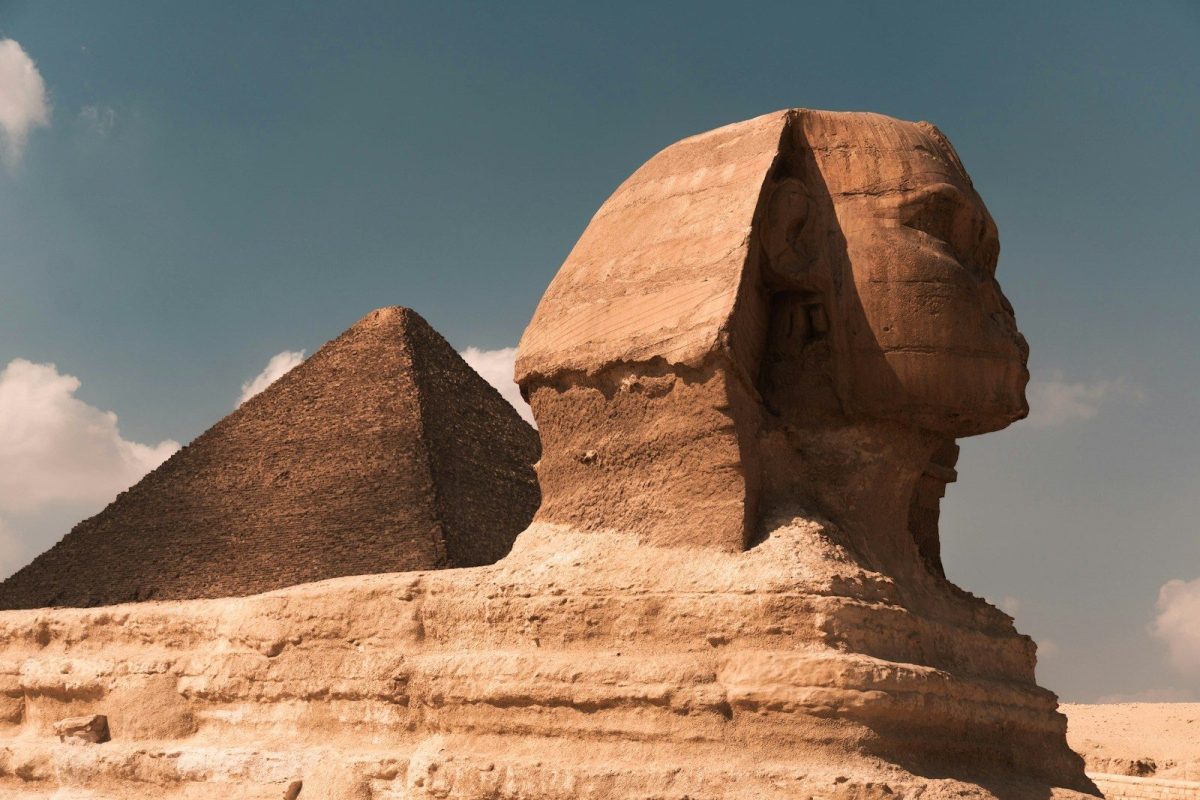
Visitors inside the Great Pyramid often see long passages and rooms.
But according to the study, some of these spaces may not have been made only for ceremonies or royal reasons.
The Grand Gallery and Ascending Passage may have worked like sloped ramps for moving counterweights.
Researchers noticed scratches, smooth marks, and signs of wear that may show heavy objects moved through these areas many times.
6. One Small Room Could Have Been a Giant Machine

A small space near the King’s Chamber called the Antechamber has always puzzled experts.
Many believed it was designed to stop tomb robbers.
The new theory suggests something different.
Researchers think this room may have acted like a pulley station. Wooden beams and ropes may have helped workers lift huge stone blocks into place.
If true, this small room may have played a very big role in building the pyramid.
7. The Pyramid May Have Been Built From the Inside Out
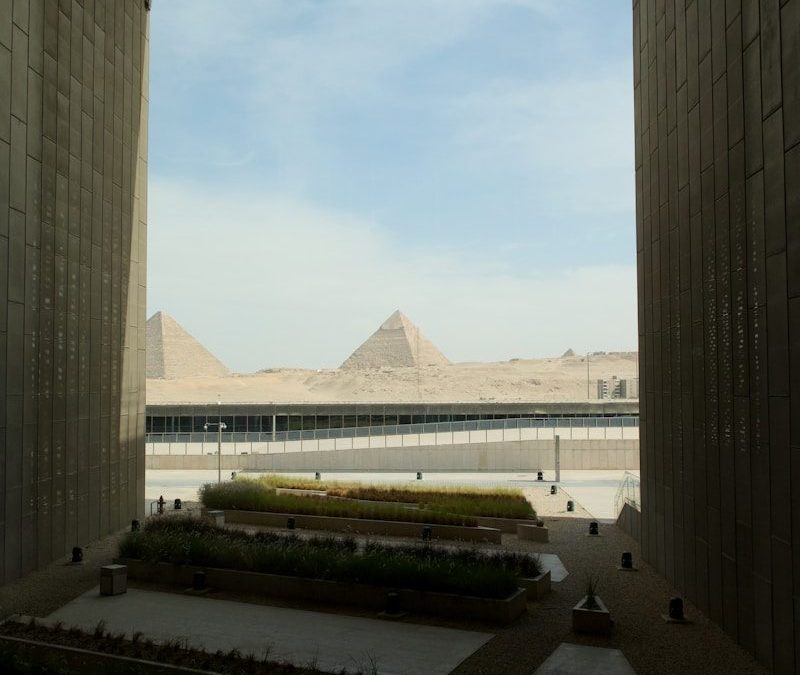
One of the biggest ideas in the study is that the Great Pyramid may not have been built only from the outside.
Instead, builders may have started with an inner core and slowly expanded outward while using hidden lifting systems.
This could explain why some rooms inside the pyramid are not perfectly centered.
Researchers believe workers may have adjusted designs to fit the machinery needed during construction.
8. Future Discoveries Could Test the Theory
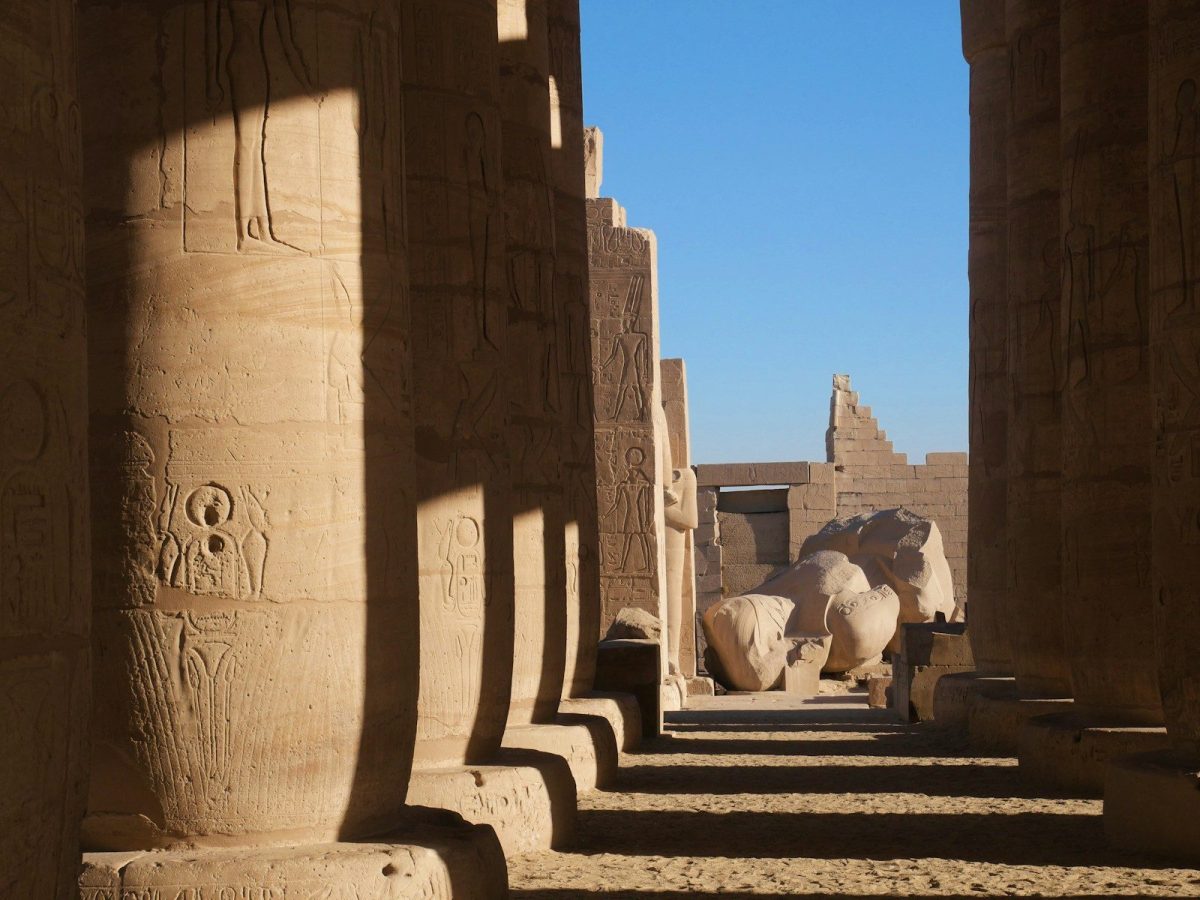
The idea is exciting, but many questions still remain.
The study says there are likely no giant hidden rooms waiting to be found deep inside the pyramid. Recent scanning studies support this idea.
Still, smaller tunnels or signs of old lifting systems may yet be discovered.
For travelers visiting Egypt, this makes the Great Pyramid even more interesting. Every new discovery adds another piece to one of history’s biggest puzzles.
The Great Pyramid has amazed visitors for thousands of years.
People once thought ancient builders only used ramps and hard labor. Now, some researchers believe hidden engineering tricks may have helped lift giant stones into place.
The truth may still take time to uncover.
But one thing is clear. Standing beside the Great Pyramid feels even more special when you remember that some of its biggest secrets may still be hiding inside.
