
Every country has stories that live in its old towns, mountains, forests, lakes, and winter festivals.
Some stories are about kind spirits. Some are about scary monsters. Others are about strange creatures that teach people lessons.
These myths are not just for children. They are part of culture, history, and local identity. For travelers, learning these legends can make a place feel deeper and more alive.
Here are 10 mythical creatures from around the world that are still remembered today.
1. Krampus, Austria
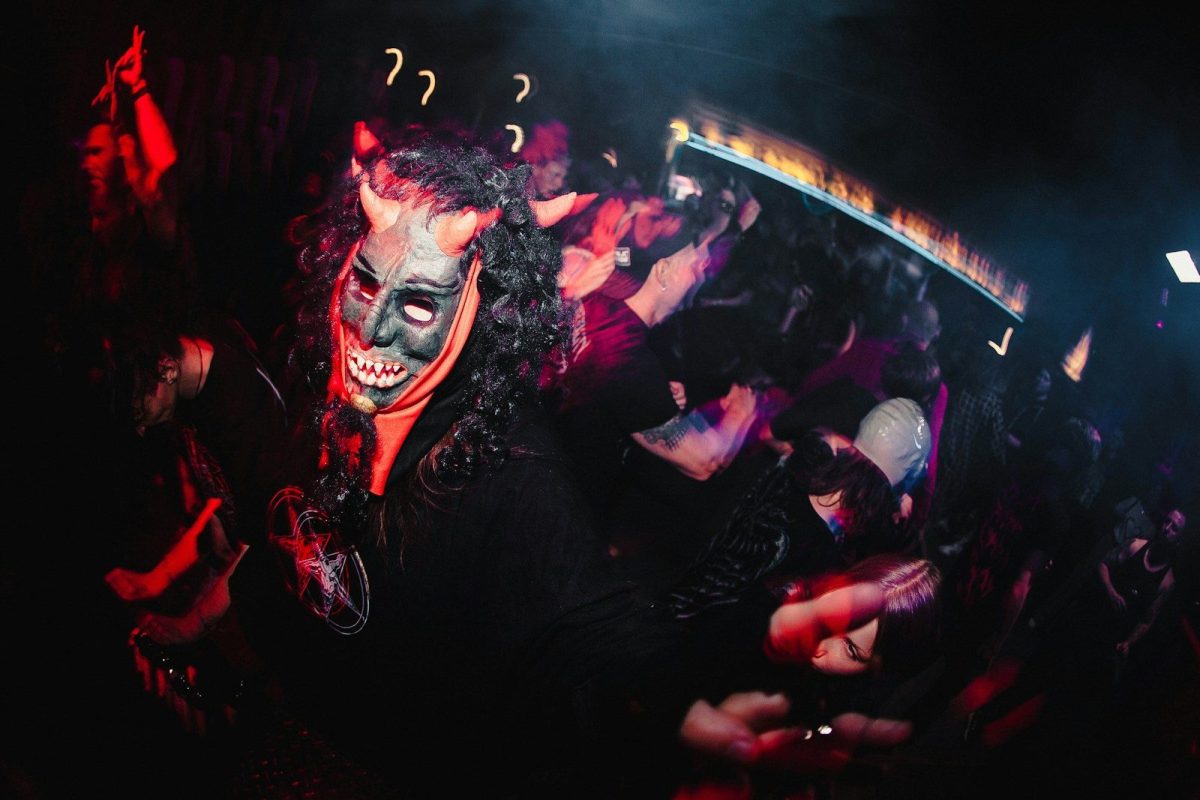
In Austria, Christmas stories are not only sweet and cheerful.
Krampus is one of the country’s most famous mythical figures. He is described as part goat and part demon, with horns, hooves, chains, and a very scary look.
In the story, Saint Nicholas gives gifts to good children. Krampus does the opposite. He punishes children who behave badly.
Today, travelers may see Krampus parades in Austria during the winter season. These events can be loud, strange, and exciting. They show a darker side of Christmas folklore.
2. Roman Dragon, Italy
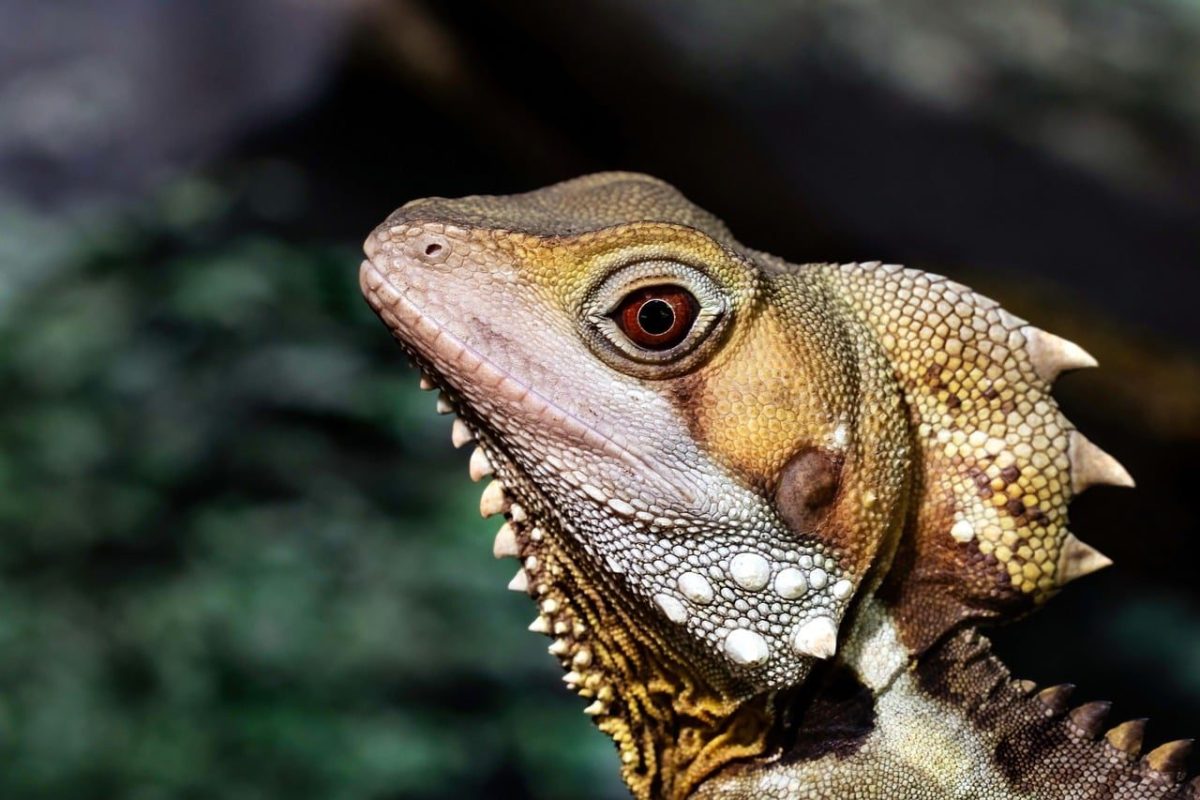
Italy is full of ancient stories, and the Roman dragon is one of them.
This creature, also called draco, was often shown as a winged serpent. In Roman mythology, it was linked with Jupiter, the king of the gods.
The Roman dragon stood for power and protection. It was also used as a symbol on Roman cavalry flags.
For travelers visiting Rome, this kind of legend adds more meaning to old ruins, museums, and ancient artwork. It reminds us that dragons were not always just monsters. Sometimes, they were signs of strength.
3. Korean Dragon, South Korea
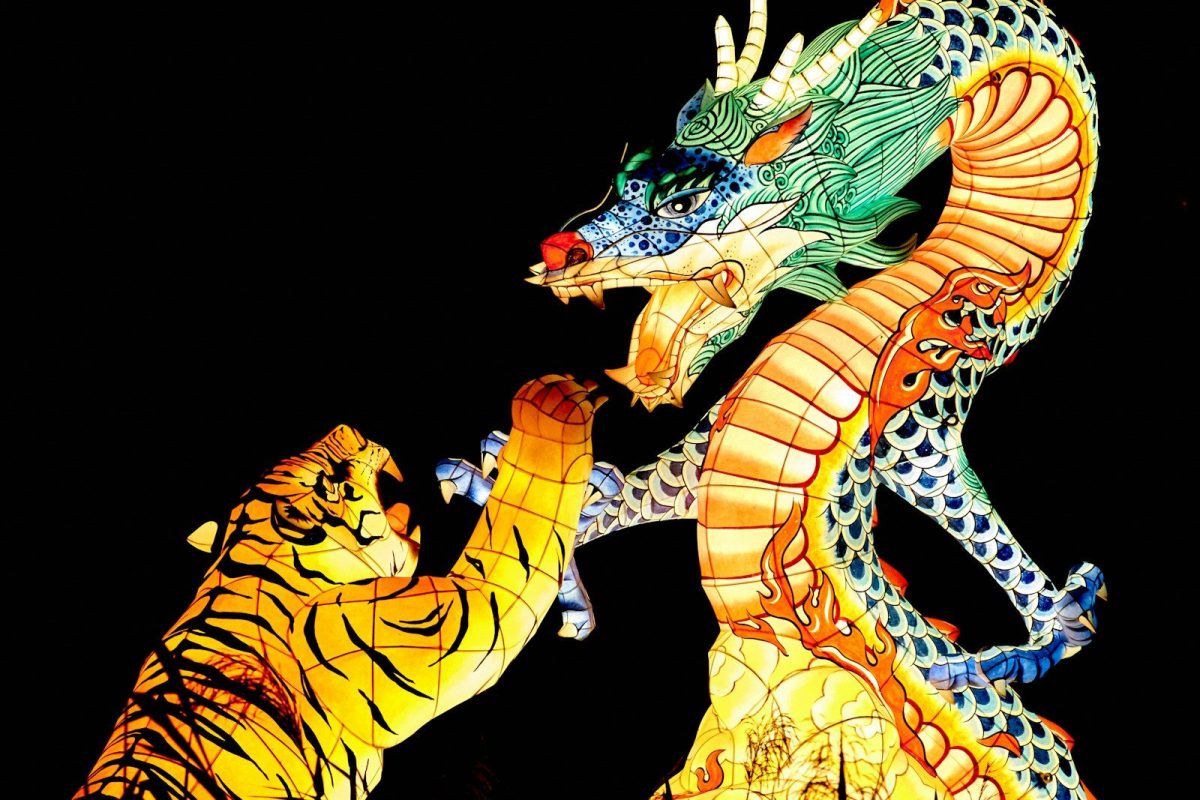
The Korean dragon is very different from many Western dragons.
It is called yong or mireu. It has a long snake-like body, horns, whiskers, and a beard. It usually has no wings.
Instead of breathing fire and attacking villages, the Korean dragon is often seen as a protector. It is linked with rain, rivers, lakes, and water.
For travelers in South Korea, dragon symbols may appear in temples, art, palaces, and festivals. They are often linked to wisdom, nature, and good fortune.
4. Golem, Czech Republic
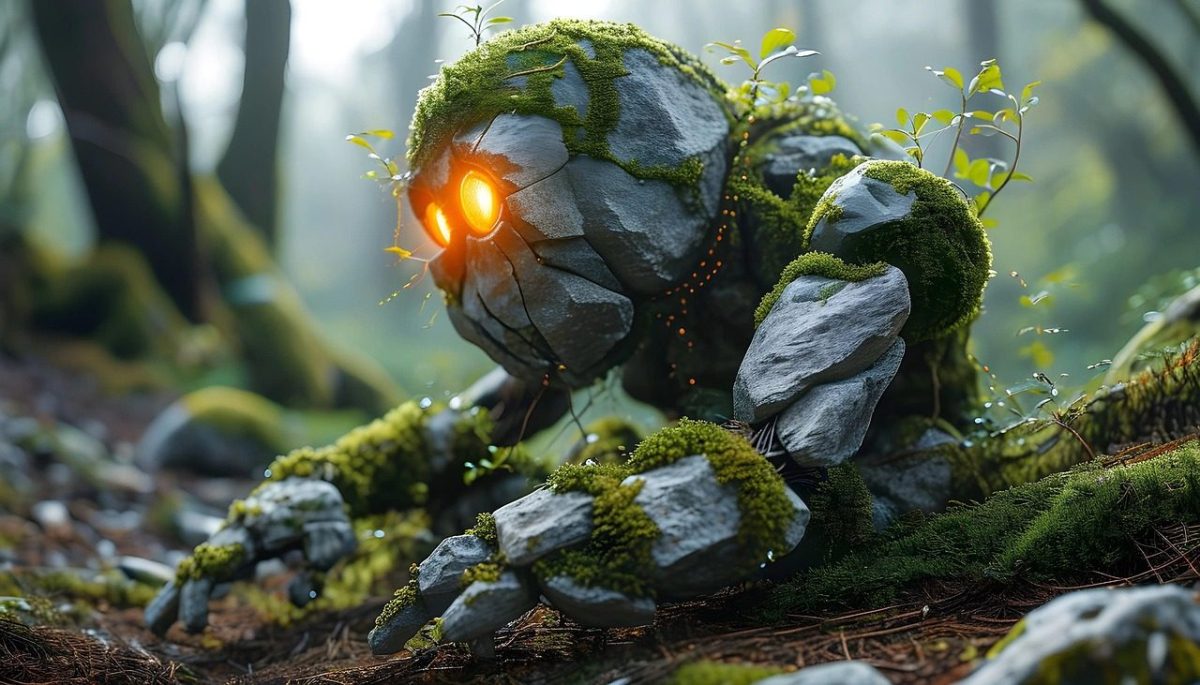
The Golem is one of the most famous legends connected to Jewish folklore.
In the story, the Golem is made from clay or mud. It looks like a human, but it is not born like one. It comes to life through mystical rituals.
The Golem was said to protect the Jewish community from danger.
This legend is strongly connected with Prague, especially the city’s old Jewish Quarter. Travelers who visit Prague can find stories of the Golem in local tours, books, and cultural sites.
It is a powerful reminder of fear, protection, and survival.
5. Baba Yaga, Poland and Slavic folklore
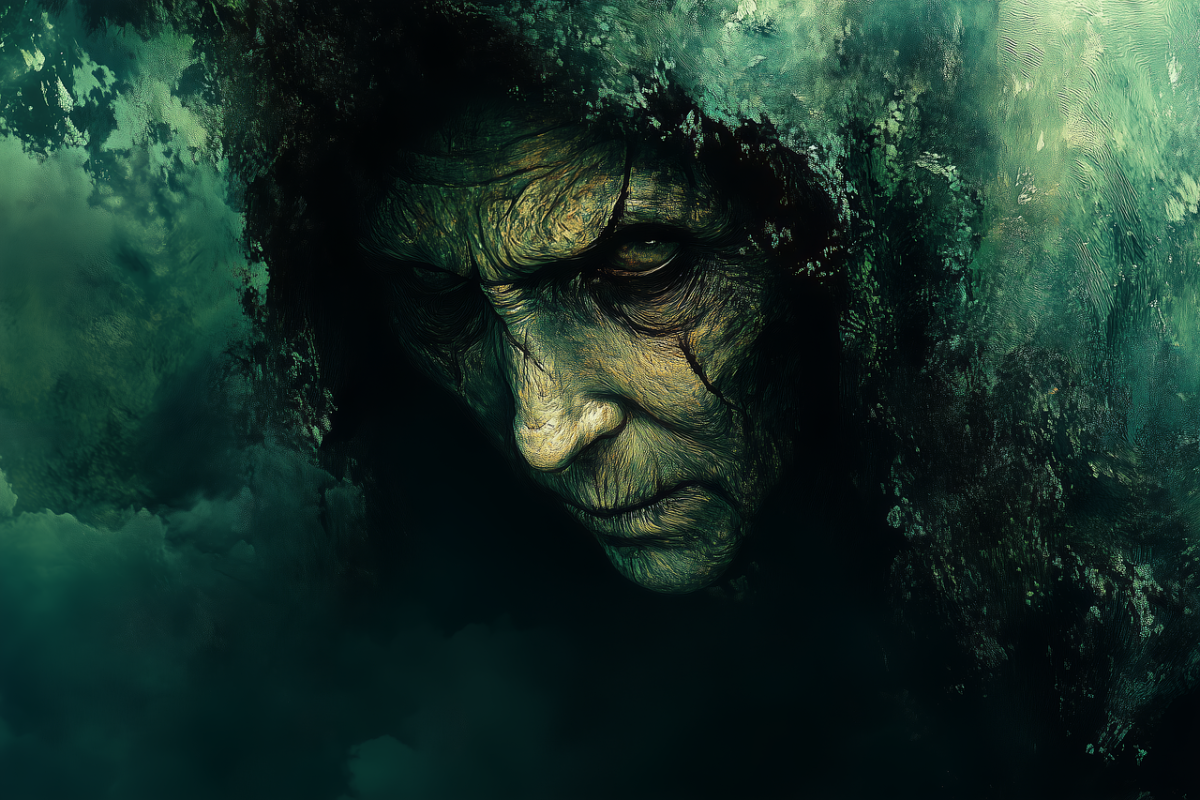
Baba Yaga is one of the most famous figures in Slavic stories.
She is often shown as an old woman with iron teeth, long nails, and a scary face. She travels in a mortar and uses a pestle to steer.
Her home is even stranger. It is a hut that stands on chicken legs.
Baba Yaga can be dangerous, but she is not only evil. In some stories, she gives wisdom or magical help. In others, she eats children.
For travelers in Eastern Europe, Baba Yaga shows how folklore can be both scary and wise at the same time.
6. Ördög, Hungary
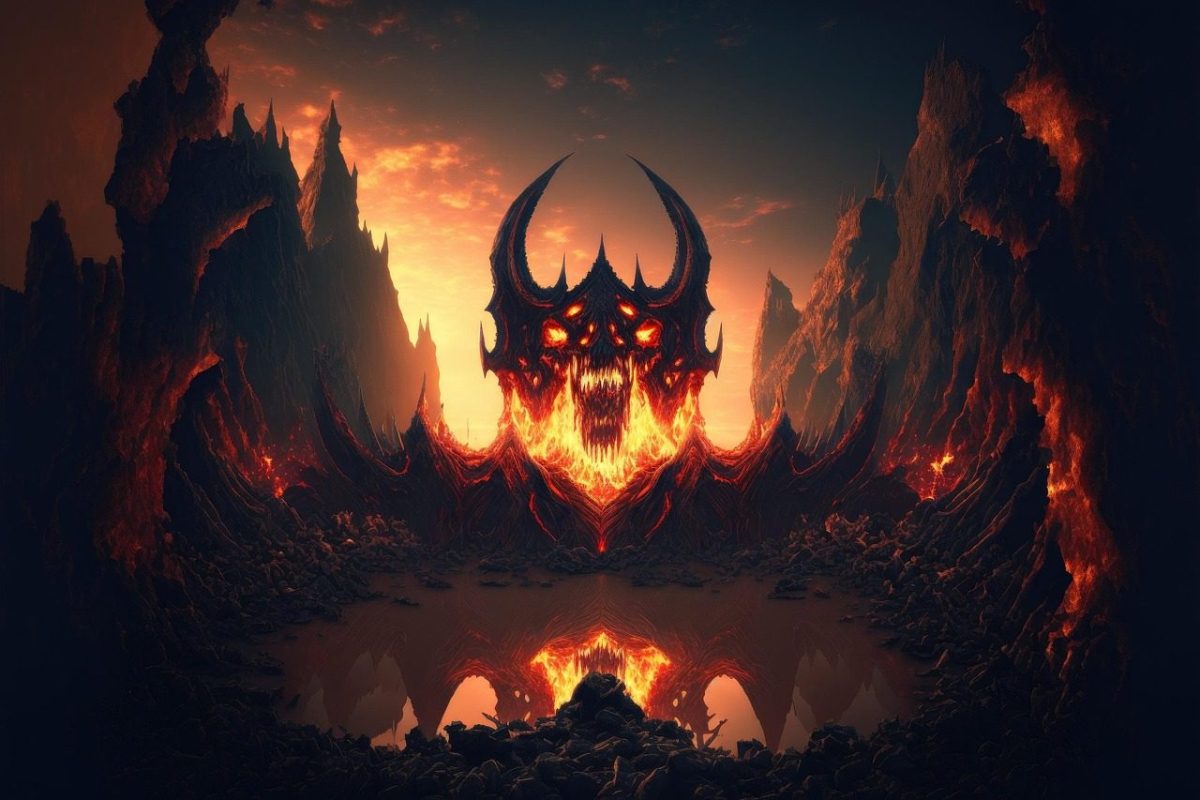
Hungary has many old legends, and Ördög is one of its darker creatures.
Ördög is described as a demon-like figure. He can change shape. He has the upper body of a man and the lower body of a goat.
He also has a long tail with a blade-like end and carries a pitchfork.
In some stories, Ördög is linked to dark forces and evil. He is part of old beliefs about good, bad, and the creation of the world.
For travelers, this legend adds a mysterious layer to Hungary’s folk tales and old village stories.
7. Aswang, Philippines
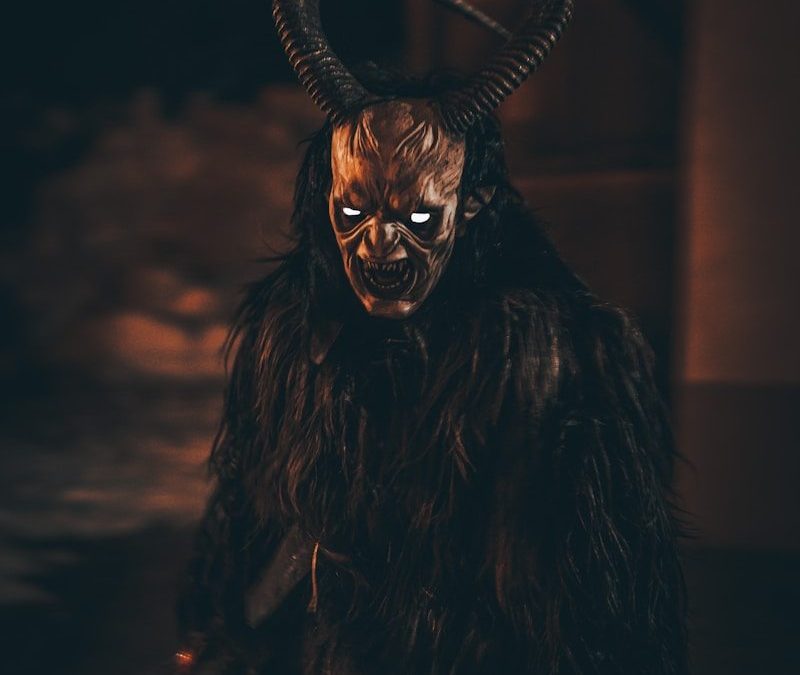
The Aswang is one of the most feared creatures in Filipino folklore.
It is a shape-shifting spirit. In different stories, it can appear as a vampire, witch, ghoul, werebeast, or other frightening form.
The Aswang is often said to target children, corpses, pregnant women, and funerals.
These stories are especially strong in parts of the Philippines, where folklore is still part of local culture.
For travelers, the Aswang shows how legends can reflect fear, warning, and mystery in everyday life.
8. Stollwurm, Switzerland
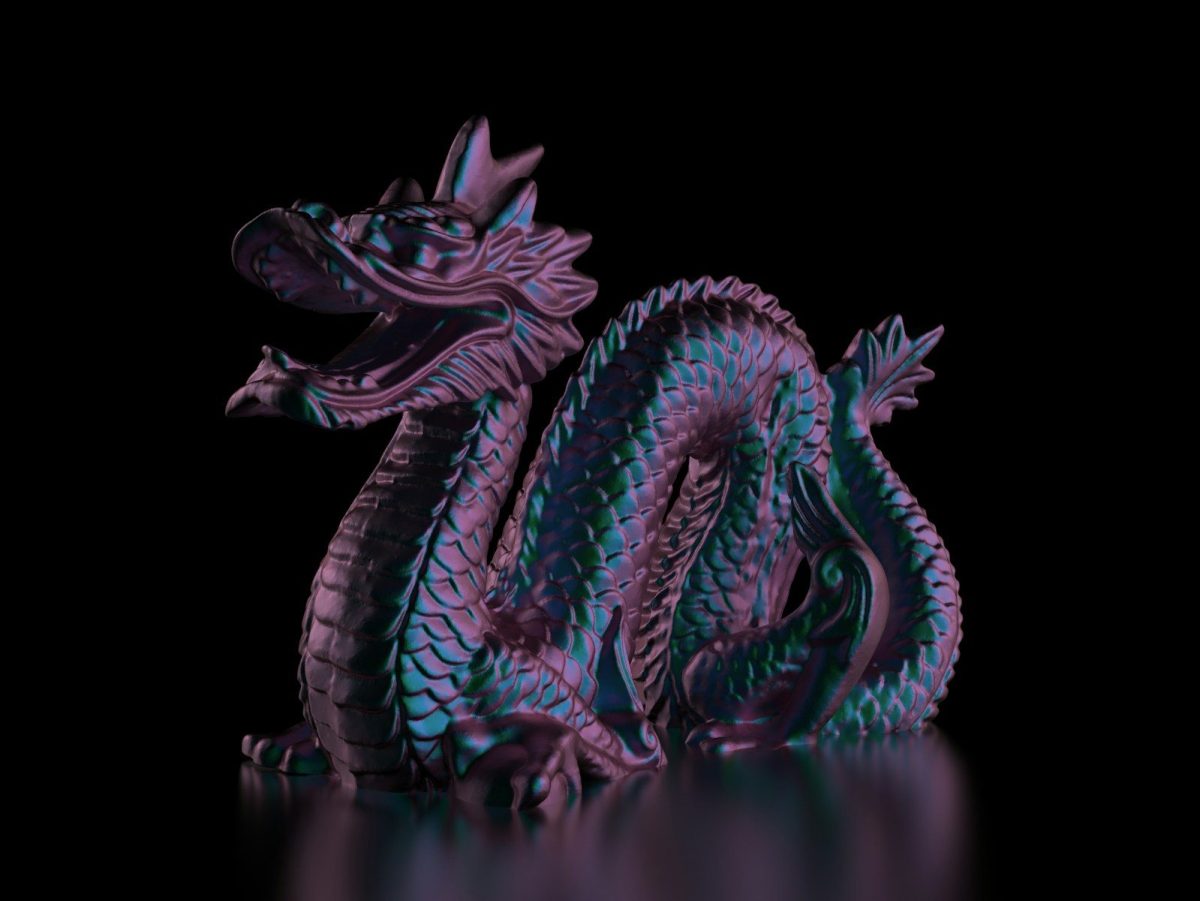
The Stollwurm, also called the Tatzelwurm, is a strange creature from Alpine folklore.
It is often described as a lizard-like animal with the face of a cat and a snake-like body. It has short legs and is said to be very poisonous.
People were told to listen for a hissing sound, because that meant the creature might be near.
This legend fits well with the wild mountain areas of Switzerland. Travelers hiking in the Alps may enjoy hearing stories like this, especially in old villages where local myths are still remembered.
Mythical creatures are more than old scary stories. They help explain what people feared, valued, and believed.
Austria has Krampus. Scotland has Nessie. Soutorea has gentle dragons. The Philippines has the frightening Aswang.
Each legend gives travelers a new way to understand a place.
The next time you visit a country, look beyond the famous buildings and food. Ask about its myths too. You may find that the best travel stories are the ones people have been telling for hundreds of years.
