
Tourism has always been a double-edged sword for popular U.S. destinations, but in recent years the balance has tipped sharply. What once felt like a seasonal inconvenience has turned into a daily strain as visitor numbers rebound harder than ever. Locals are dealing with overcrowded streets, longer commutes, inflated rents, packed grocery stores, and infrastructure that was never built to handle nonstop foot traffic. Add short-term rentals eating up housing, bad visitor behavior amplified on social media, and wages that have not kept pace with the cost of living, and frustration starts to boil over. In these hotspots, the tension is no longer subtle. Visitors feel it in side eye looks, stricter rules, and open pushback.
1. Times Square
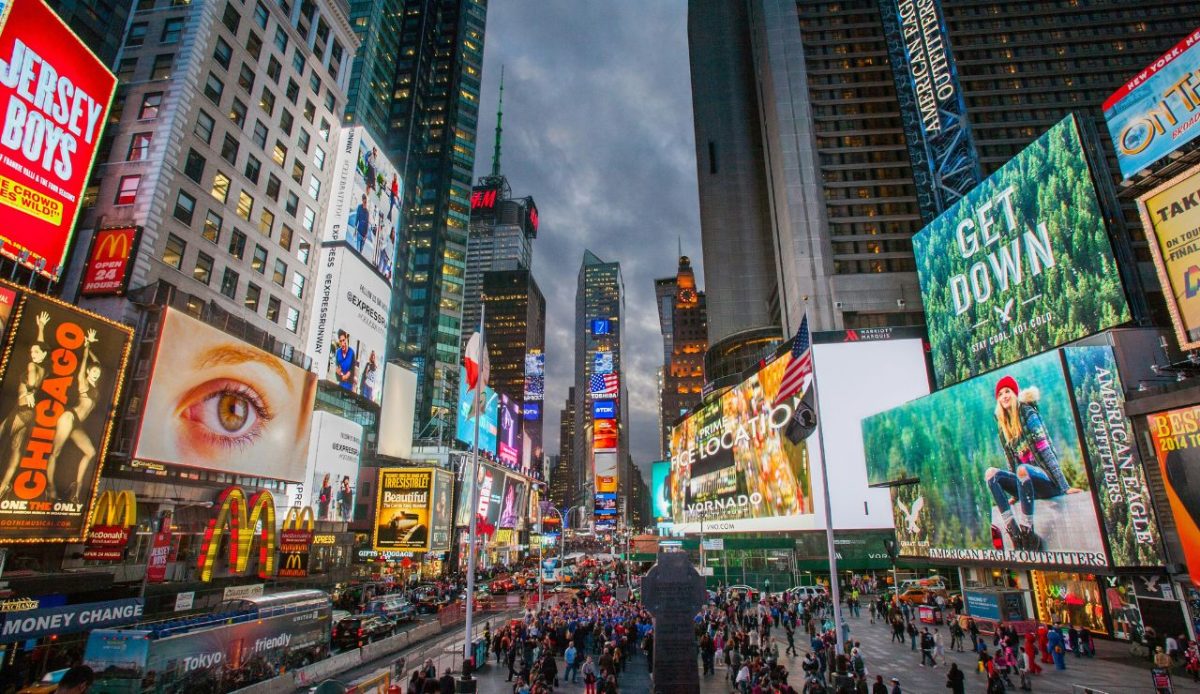
Times Square feels less like a neighborhood and more like a permanent crowd experiment, and that’s exactly why local patience has worn thin. What was once a commercial crossroads is now a constant surge of tourists stopping abruptly for photos, blocking sidewalks, and clustering around costumed performers. For people who live and work nearby, even short walks turn into obstacle courses. Office commuters report detouring several blocks just to avoid the congestion, while residents describe the area as functionally unusable during most daylight hours. The frustration isn’t about visitors existing. It’s about volume, unpredictability, and the sense that the area no longer serves anyone who actually lives in the city. Add aggressive ticket sellers, noise that runs late into the night, and rising rents tied to tourism demand, and the resentment becomes easy to understand. Locals don’t hate tourists. They hate losing access to their own streets.
2. Bourbon Street
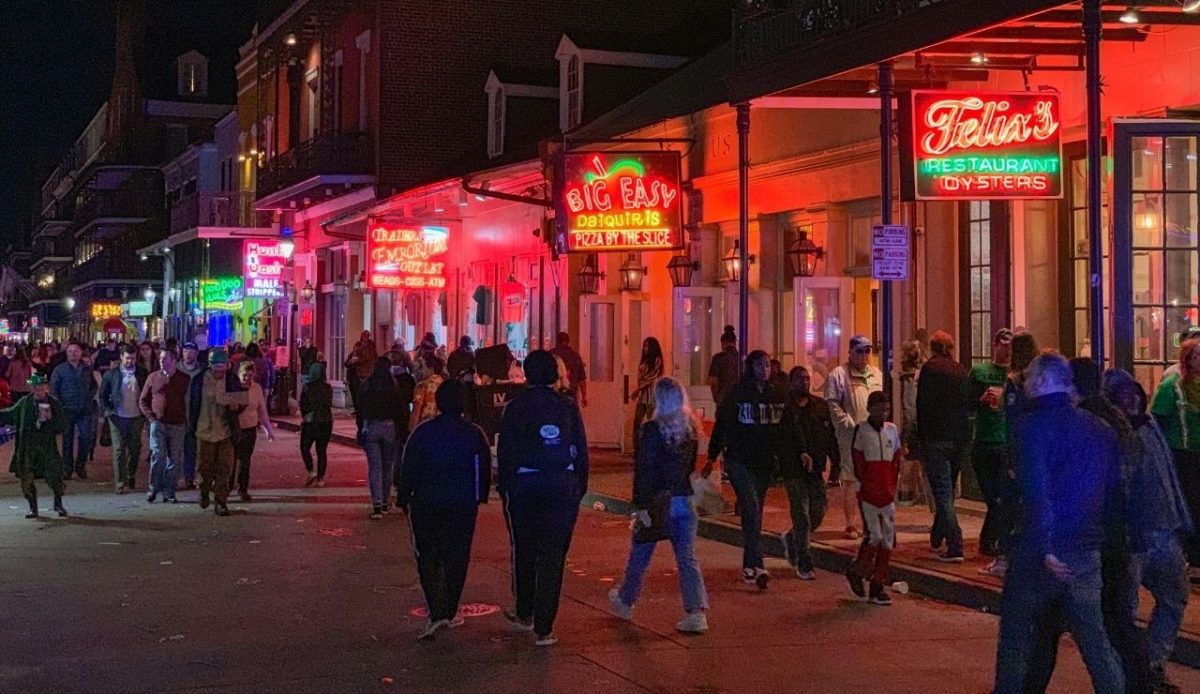
Bourbon Street has become shorthand for excess, and many New Orleans locals now treat it as a warning label rather than a destination. The problem isn’t nightlife itself. It’s the concentration of it in one narrow strip that attracts visitors who often arrive with little interest in the city beyond drinking. Residents point to trash buildup, public intoxication, and noise levels that spill far beyond bar closing times. Service workers frequently mention dealing with aggressive behavior and unrealistic expectations from visitors who see the area as a party zone detached from real people. Meanwhile, housing near the French Quarter has grown more expensive and less accessible to locals as short-term rentals multiply. What fuels hostility isn’t culture clash alone. It’s the feeling that Bourbon Street sells a caricature of the city while making daily life harder for the people who keep New Orleans running.
3. Brooklyn Bridge
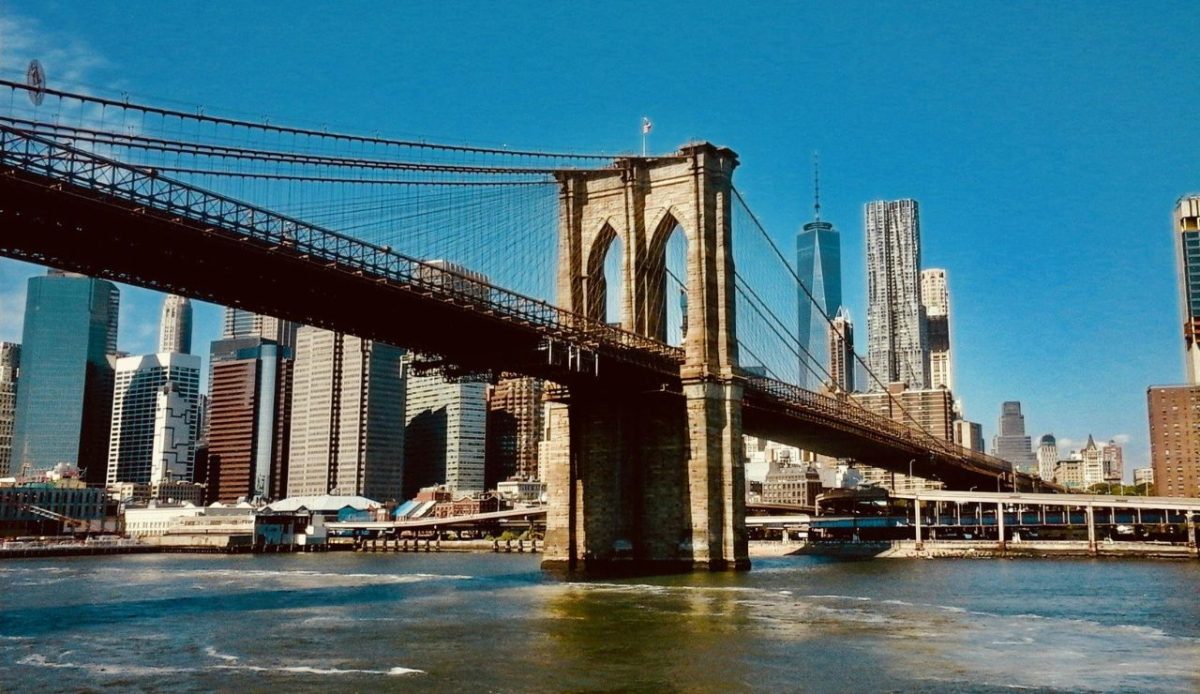
The Brooklyn Bridge is a marvel until you try to cross it on a schedule. Locals increasingly avoid it because pedestrian traffic has shifted from movement to spectacle. Tourists stop mid walkway for photos, group selfies, and social videos, creating sudden bottlenecks that can stretch a normally quick crossing into an exhausting crawl. Cyclists face safety issues as wandering foot traffic spills into bike lanes. Residents who once used the bridge as part of their daily commute now plan entire routes around avoiding it. The irritation runs deeper than inconvenience. The bridge is essential infrastructure, not just an attraction. When access becomes dominated by tourism behavior, locals feel displaced from something built for everyday use. Over time, that loss of function turns admiration into resentment.
4. Lake Tahoe
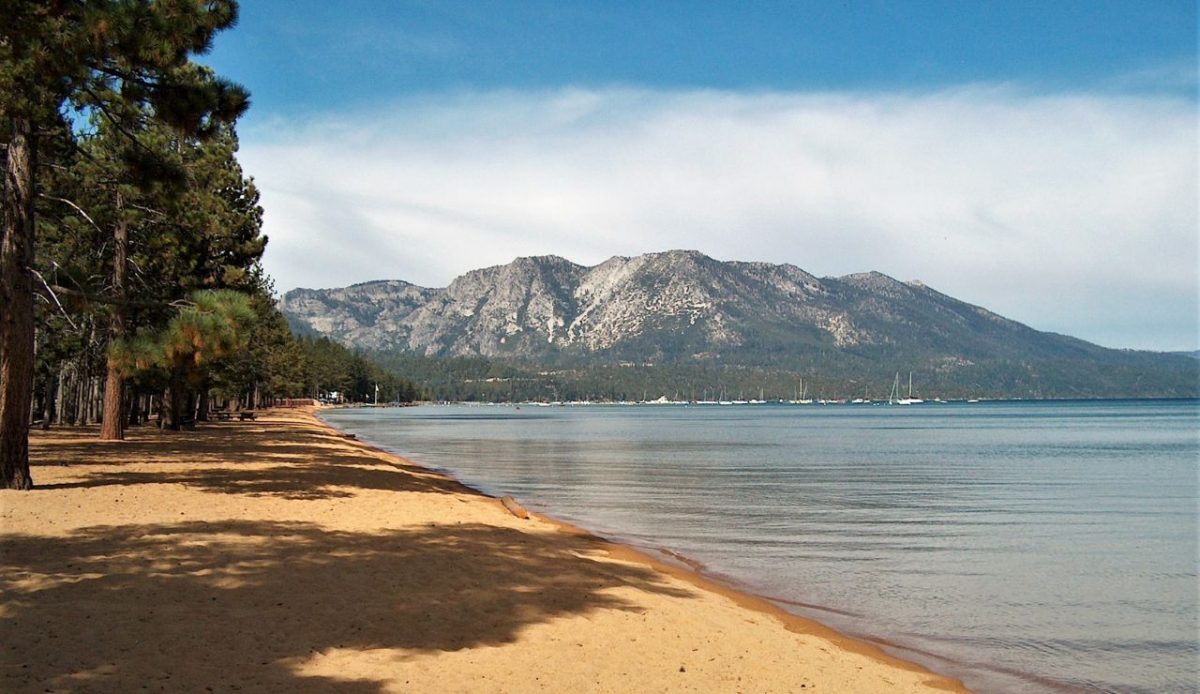
Lake Tahoe’s beauty has become its biggest problem. Seasonal tourism floods the region with far more people than local roads, housing, and services were designed to support. Residents describe weekend traffic jams that trap emergency vehicles, grocery shelves cleared by visitors, and rental prices driven upward by short term vacation demand. Environmental concerns add another layer of tension. Increased litter, shoreline erosion, and strain on water systems make locals feel like they are constantly repairing damage left behind. Many residents depend on tourism income, which complicates the resentment, but frustration grows when quality of life drops year after year. What used to feel like a shared natural escape now feels like a fragile place pushed beyond its limits.
5. Cape Cod
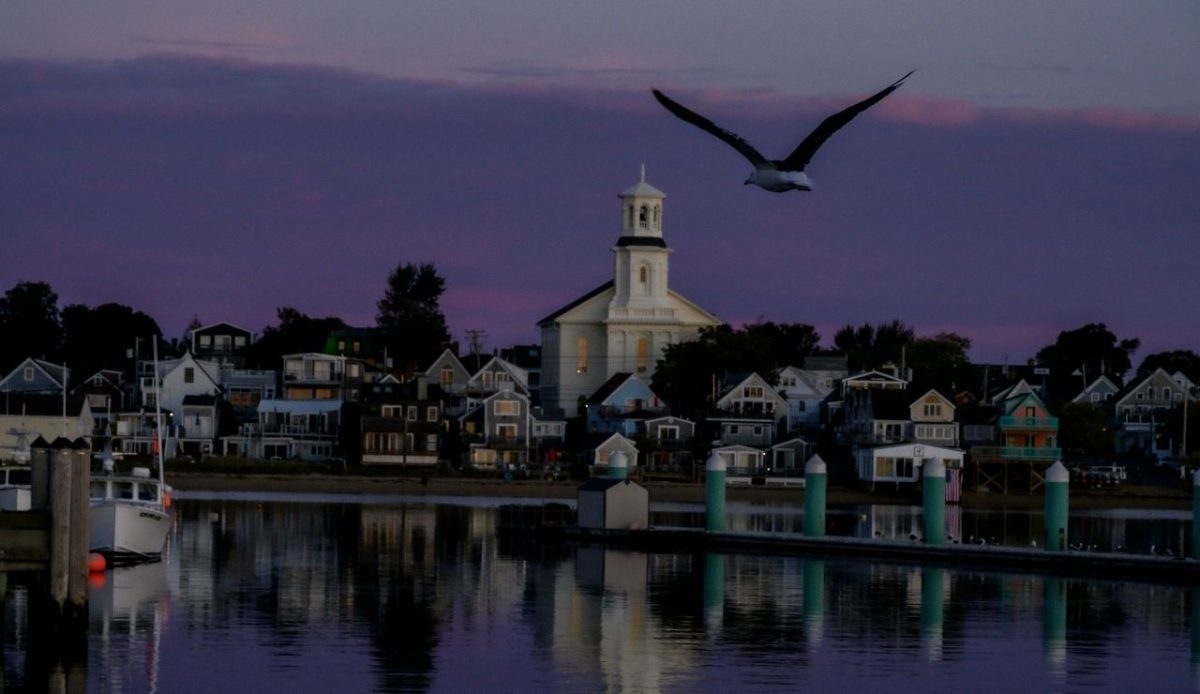
Cape Cod’s hostility toward tourists doesn’t come from dislike. It comes from exhaustion. The region’s population swells dramatically each summer, overwhelming roads that were never meant for constant gridlock. Locals talk about planning basic errands around tourist traffic or avoiding entire towns during peak weeks. Parking shortages near beaches spill into residential streets, while seasonal demand pushes housing costs higher for year-round residents. Workers in essential services face longer commutes and tighter housing options because short-term rentals dominate the market. The tension builds quietly. Visitors see a relaxing getaway. Locals see months of disrupted routines and limited access to their own communities. Over time, that mismatch breeds resentment that’s hard to shake.
6. Big Sur
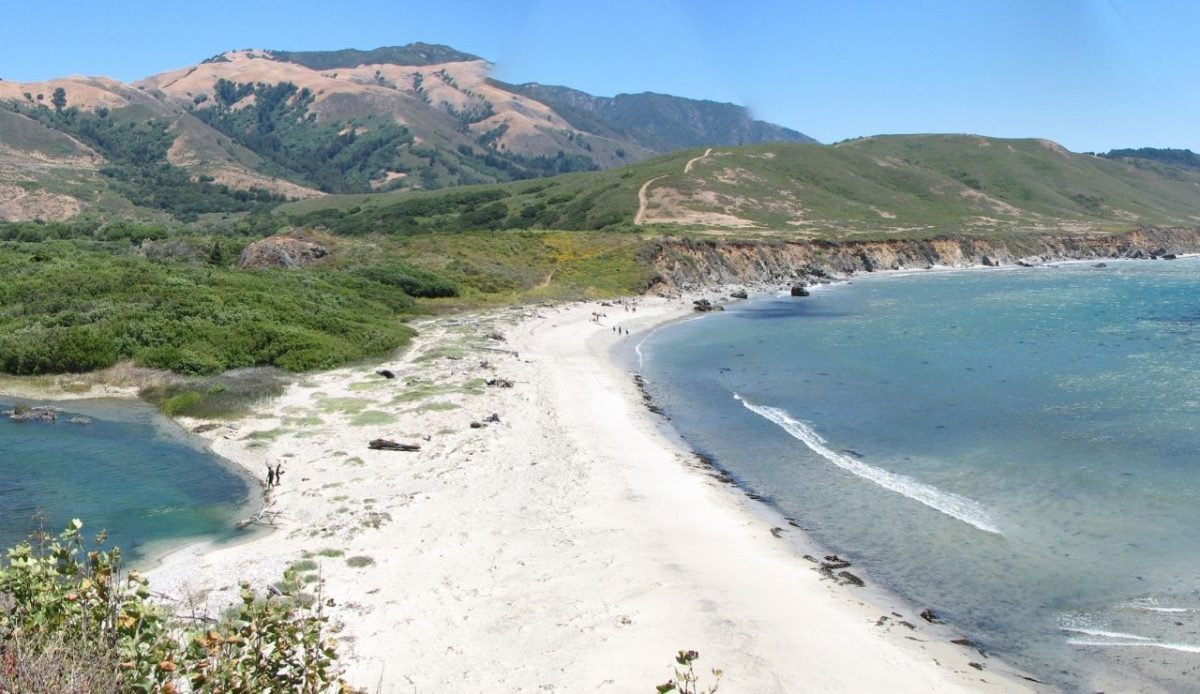
Big Sur’s infrastructure simply cannot support the number of people who want to experience it. Locals have grown openly frustrated as roadside parking blocks traffic, damages vegetation, and forces residents to navigate around crowds just to reach their homes. Limited restrooms lead to environmental damage that locals end up cleaning. Emergency access is another concern. Narrow highways become impassable during peak travel times, creating safety risks that residents feel tourists rarely consider. The anger isn’t abstract. It’s rooted in daily disruption and environmental degradation. Many locals support tourism in theory but argue that unmanaged volume threatens the very landscape people come to admire. When preservation loses to popularity, resentment follows.
7. South Padre Island
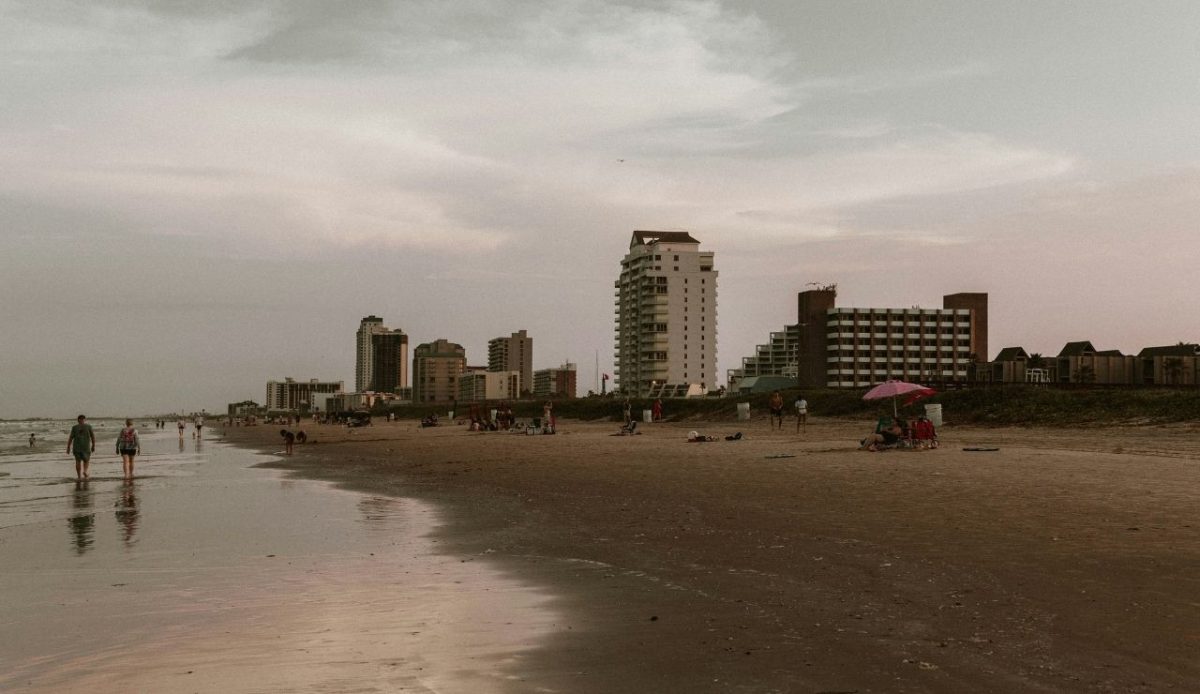
South Padre Island experiences its sharpest backlash during spring break, when visitor behavior shifts from vacation mode to full-scale disruption. Residents report noise that continues into early morning hours, public intoxication, and trash accumulation that overwhelms local cleanup crews. Traffic congestion makes routine travel difficult, while law enforcement resources are stretched thin. For locals, the issue isn’t visitors enjoying the beach. It’s the intensity and concentration of short-term partying that temporarily overwhelms the island. Many residents feel their home becomes a backdrop for behavior they have no control over. That lack of balance is what drives hostility more than tourism itself.
8. Las Vegas Strip
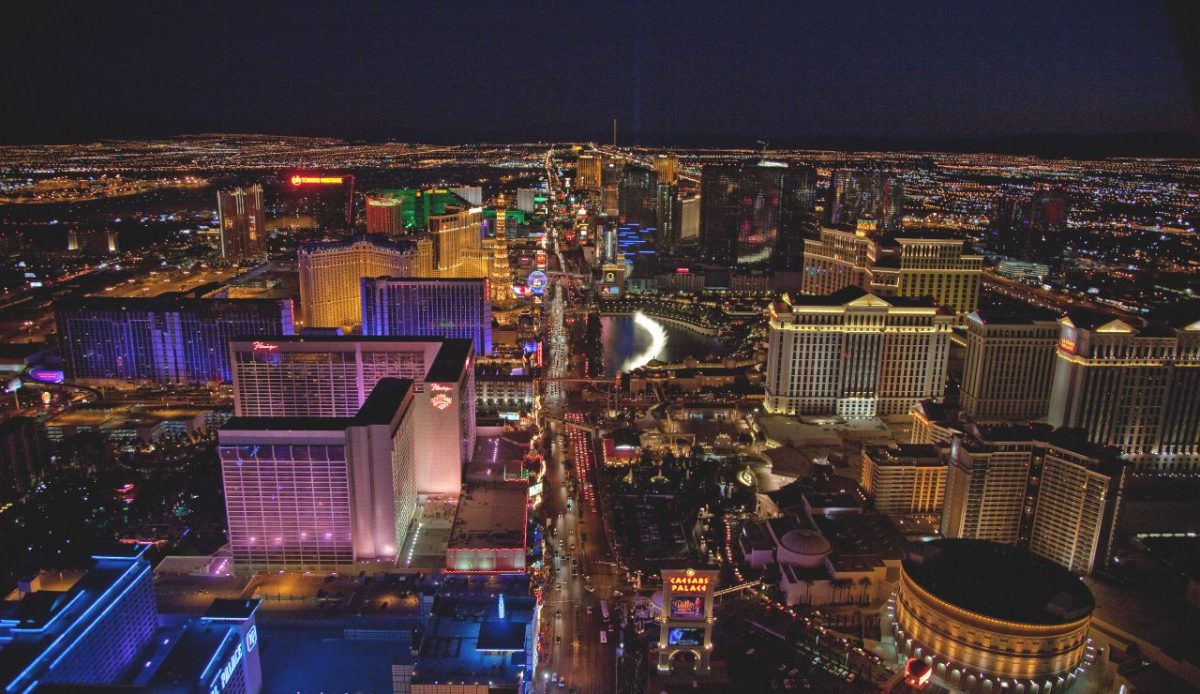
The Las Vegas Strip exists almost entirely for visitors, and locals increasingly treat it as foreign territory. Crowds move slowly, prices are inflated, and daily life feels impossible in an area designed for spectacle rather than function. Residents avoid the Strip because parking is expensive, walking is exhausting, and basic errands become time-consuming ordeals. The resentment grows as tourism-centered development expands while neighborhood services lag behind. Locals don’t object to visitors enjoying Las Vegas. They object to an economic focus that prioritizes tourists so completely that residents feel pushed out of their own city’s most visible spaces.
