
Some of the most visited places in the U.S. sell the idea of endless scenery, comfort, and escape, but behind the postcards is a growing problem travelers rarely think about: water scarcity. From desert resort towns to national park gateways, tourism-heavy regions are leaning on water systems already under stress from drought, climate shifts, and decades of overuse. Hotels still fill pools, golf courses stay green, and marinas keep operating, even as reservoirs shrink and aquifers struggle to recharge. The result is a widening gap between what visitors expect and what these places can realistically sustain. These regions are not running out of water overnight, but the warning signs are no longer subtle. Ignoring them only makes the pressure worse.
1. Lake Powell and Glen Canyon
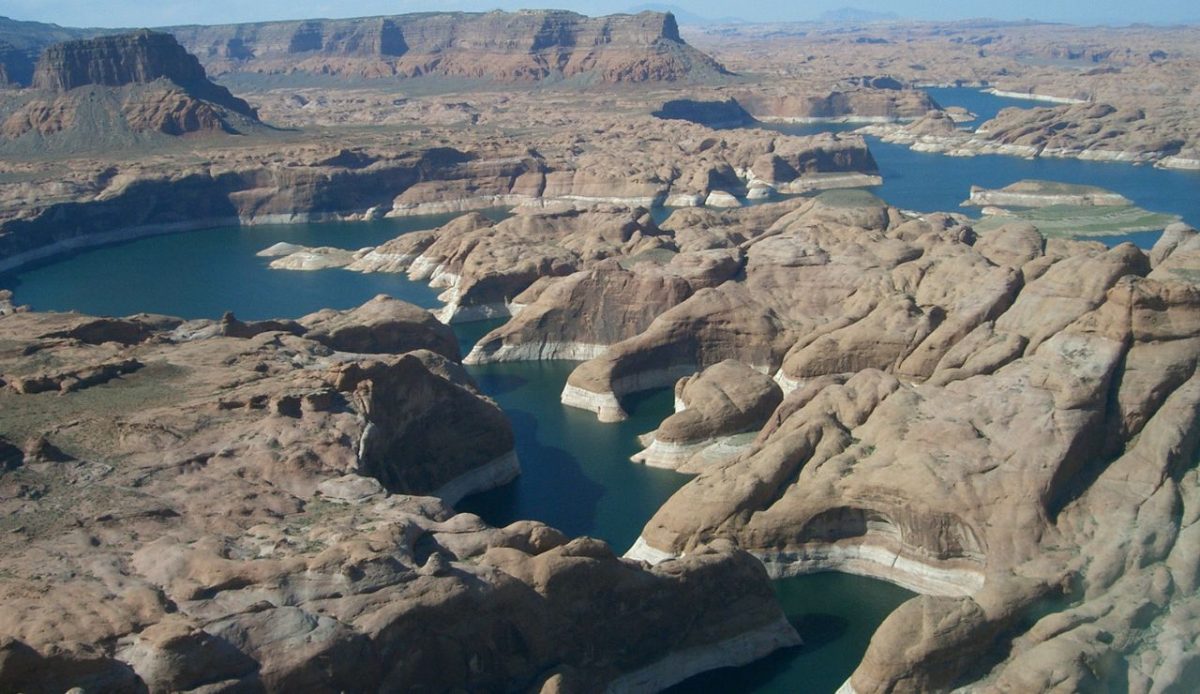
Here’s the thing most visitors miss when they pull up to Lake Powell expecting endless blue water and red rock drama: this destination exists almost entirely because of a reservoir that no longer behaves like one. Lake Powell was designed as a long-term storage bank for the Colorado River system, but decades of over-allocation combined with persistent drought have pushed it into a state of near permanent decline. Tourism still runs on houseboats, marinas, and shoreline recreation, yet every season brings new closures as water levels drop below critical thresholds. Boat ramps are extended, then abandoned. Marinas relocate at enormous cost. What looks like a scenic playground is actually a fragile balancing act between power generation, drinking water obligations, and recreation. Travelers rarely realize their vacation depends on water being released upstream and conserved downstream. The region survives on an illusion of abundance that no longer matches reality, and each busy summer quietly accelerates the strain.
2. Grand Canyon Region
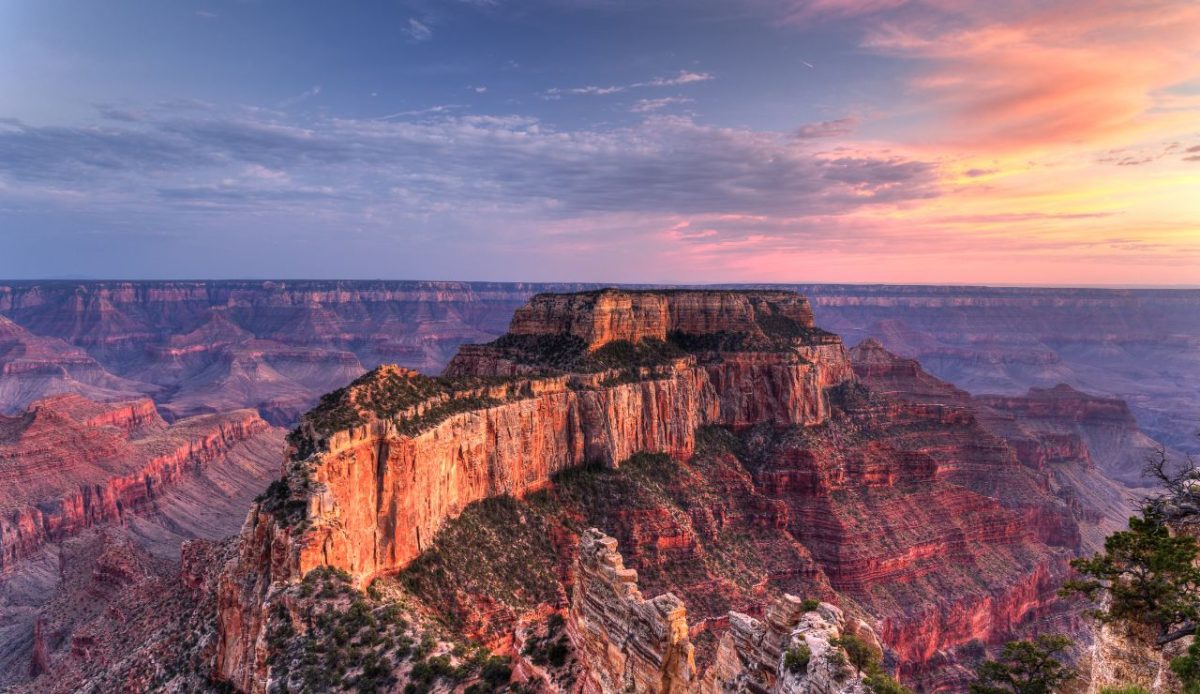
The Grand Canyon feels eternal, which makes its water problems easy to overlook. But the communities and facilities surrounding the canyon rely on limited groundwater systems and aging pipelines that were never designed for today’s visitor volume. Hotels, lodges, shuttle systems, and seasonal crowds place enormous pressure on fragile aquifers, especially during peak months when rainfall is scarce. Climate shifts have reduced snowpack that once helped recharge these systems naturally. Even small disruptions can force water conservation measures that affect showers, restrooms, and food service operations. Visitors see a vast canyon and assume endless resources. In reality, water here must be carefully managed, transported, and rationed. The disconnect between the canyon’s scale and its water vulnerability makes this one of the most quietly stressed tourist regions in the country.
3. Las Vegas and the Lake Mead Basin

Las Vegas markets luxury, excess, and nonstop entertainment, yet it sits beside one of the most stressed reservoirs in North America. Lake Mead supplies water to millions across the Southwest, and its shrinking shoreline tells a story most visitors never hear. While casinos showcase fountains and pools, the city operates under strict conservation rules behind the scenes. Indoor water use is heavily recycled, and outdoor landscaping is increasingly regulated. Still, tourism drives enormous daily demand through hotels, restaurants, and entertainment venues. The tension is constant: a city built on spectacle trying to survive on a shrinking water budget. Travelers rarely see the restrictions shaping new construction or the urgency behind conservation campaigns. What feels like effortless abundance is actually one of the most closely managed urban water systems in the country.
4. Phoenix and Central Arizona
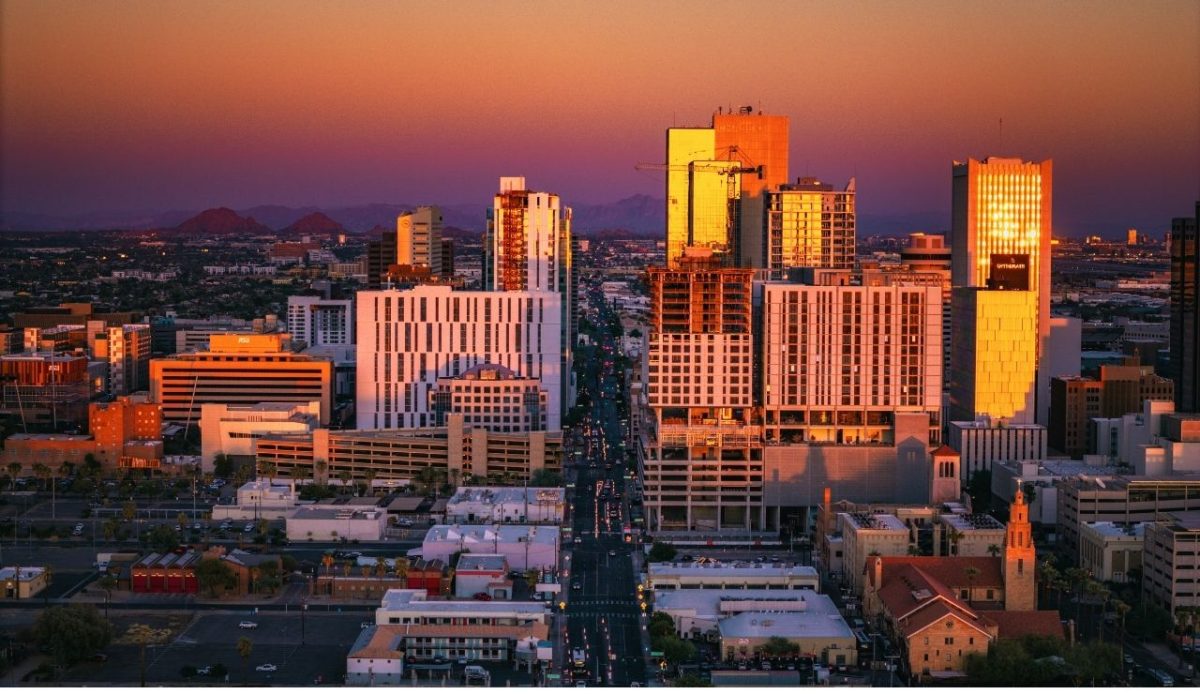
Phoenix grew rapidly during an era when Colorado River water seemed guaranteed. That assumption no longer holds. Central Arizona now faces reduced river allocations, increased reliance on groundwater, and rising temperatures that push water demand higher every year. Resorts, golf courses, and seasonal tourism intensify the strain during the hottest months, precisely when water availability is most stressed. Long-term planning is underway, but the gap between supply and demand is becoming harder to ignore. Visitors enjoy poolside escapes without realizing those amenities exist within a system facing enforced cutbacks and difficult choices. This region illustrates how growth, tourism, and climate realities collide, often invisibly, until limits are reached.
5. Palm Springs and Coachella Valley
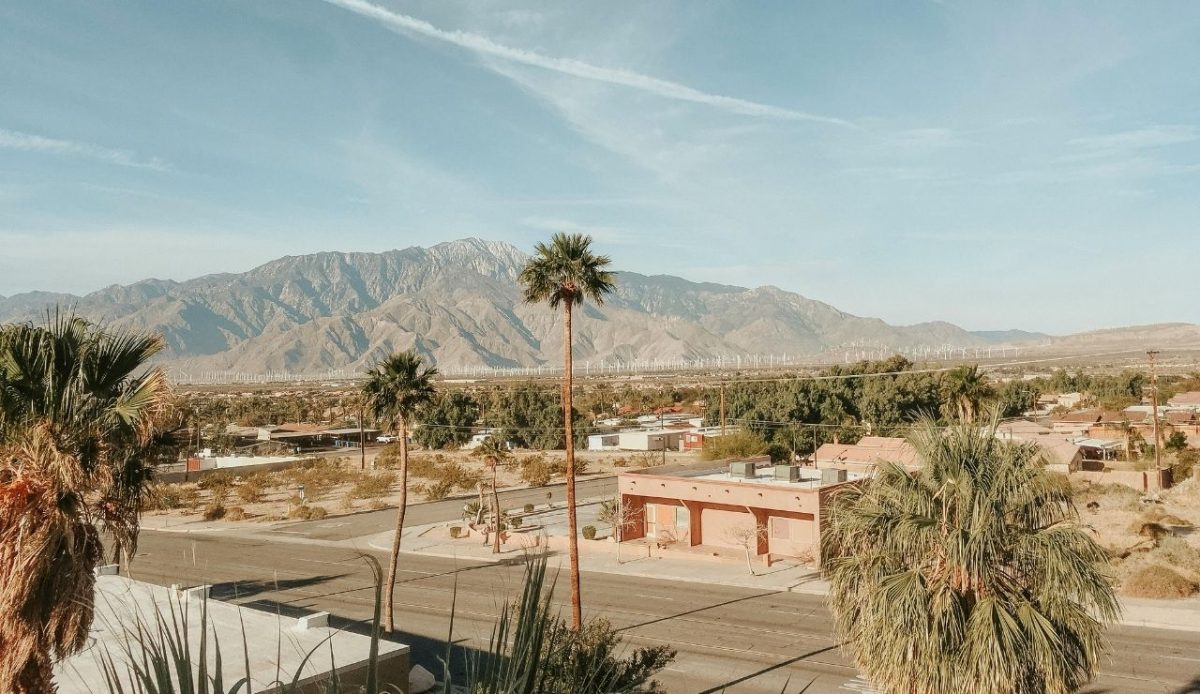
Palm Springs sells desert luxury: manicured golf courses, green lawns, and water-heavy landscaping set against an arid backdrop. The Coachella Valley relies heavily on groundwater and imported Colorado River water, both of which are under increasing stress. Tourism spikes seasonally, coinciding with low rainfall and high evaporation rates. Groundwater recharge cannot keep pace with extraction, and conservation measures increasingly target outdoor water use. Visitors often assume resorts operate on separate systems insulated from regional shortages. In reality, tourism competes directly with residents and agriculture for a limited supply. The polished appearance masks a region constantly recalculating how much water it can afford to use without exhausting what lies beneath.
6. Yosemite Region
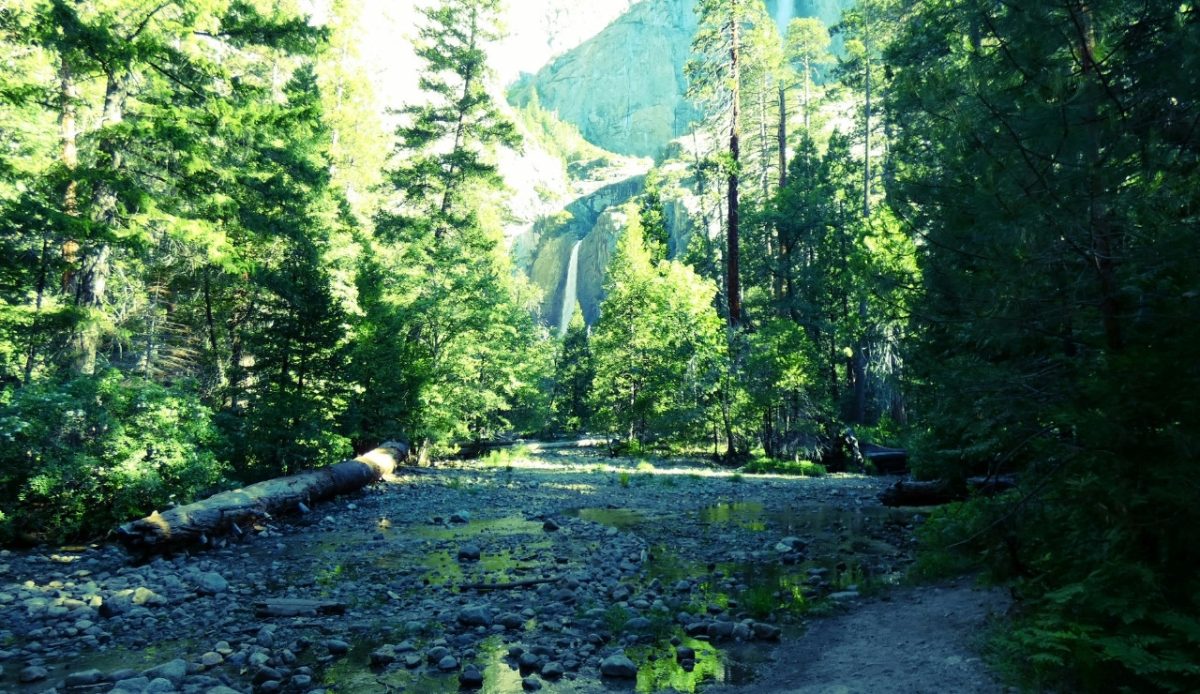
Yosemite’s water story begins in the snowpack. As Sierra Nevada winters grow warmer and less predictable, the natural storage system that feeds rivers and reservoirs weakens. Surrounding gateway towns depend on this runoff for drinking water, firefighting, and visitor services. Tourism peaks in summer, exactly when water availability is lowest and wildfire risk is highest. Infrastructure built decades ago strains under modern visitation levels. Guests focus on waterfalls and alpine views, rarely considering that those same systems are becoming less reliable year after year. Yosemite’s beauty still flows, but its water security no longer does.
7. San Diego and Southern California Coast
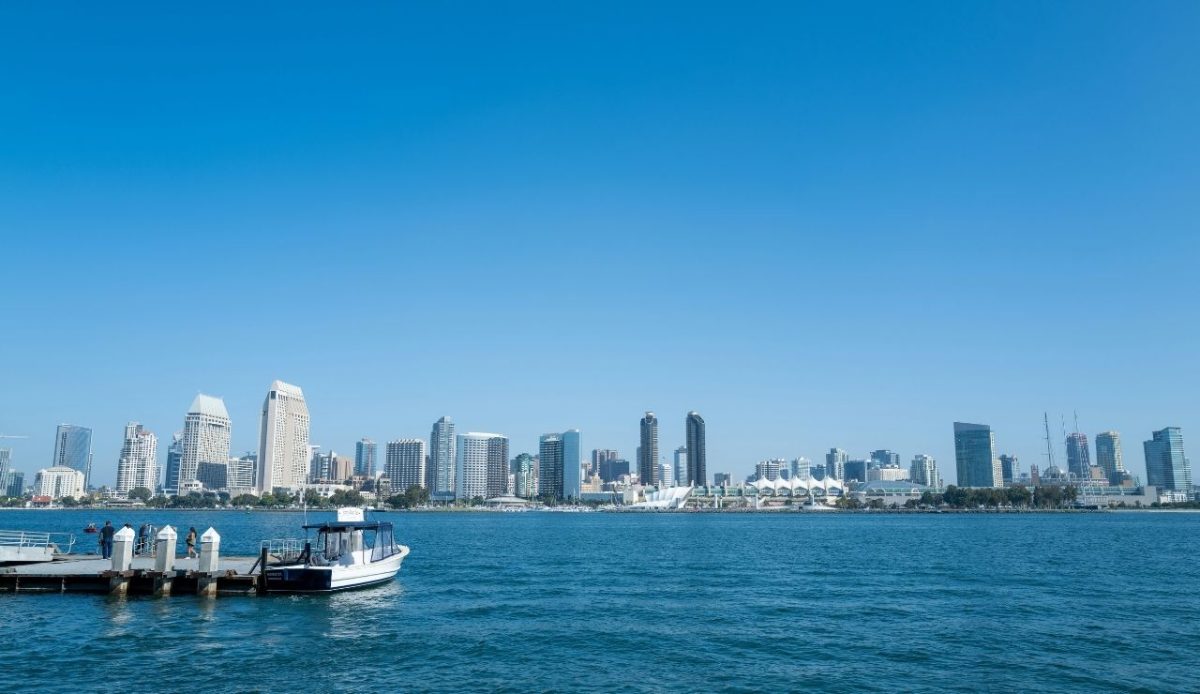
Southern California’s coastal cities rely heavily on imported water, long-distance aqueducts, and increasingly expensive treatment systems. San Diego supports massive tourism year-round, from beaches to conventions, all while managing chronic water scarcity. Desalination helps, but it is costly and energy-intensive. Conservation remains essential, yet visitors often arrive unaware of restrictions shaping landscaping, hotel operations, and municipal planning. The region balances hospitality with long-term survival, a challenge made harder by the assumption that coastal cities are naturally water secure. They are not.
8. Sedona and Northern Arizona
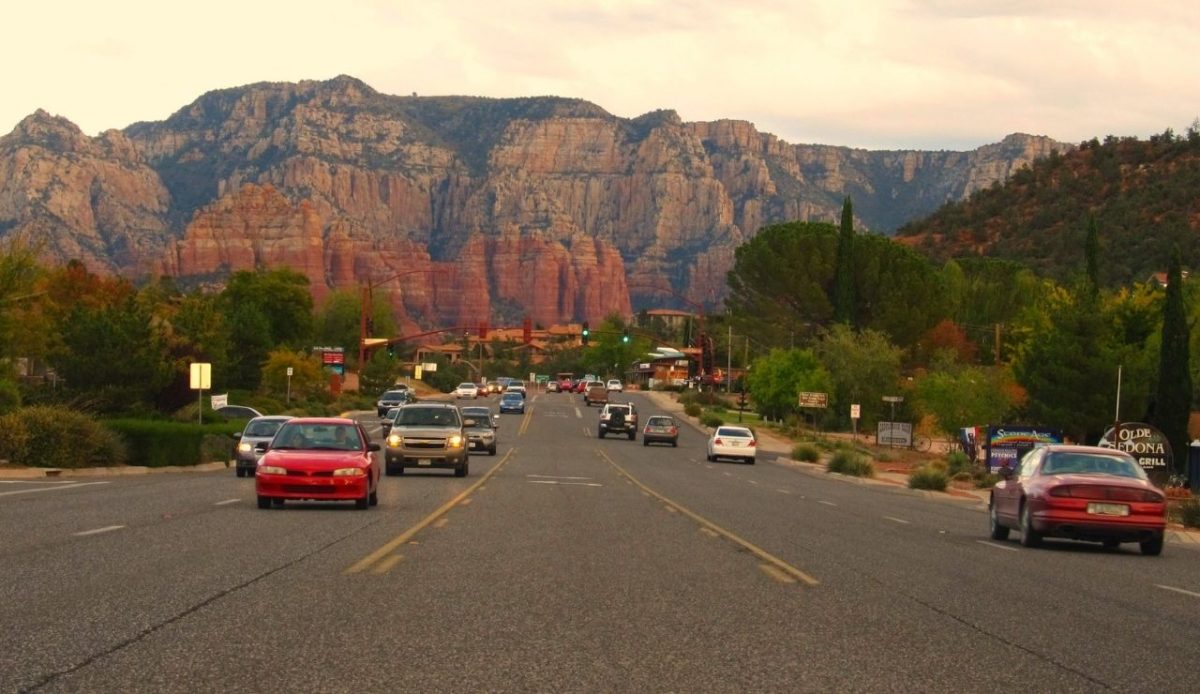
Sedona’s red rock landscapes and spiritual tourism draw millions into a region with limited natural water storage. Springs and small aquifers support both residents and visitors, but recharge rates are slow and increasingly unreliable. Development tied to tourism places additional stress on these systems, particularly during dry years. The area lacks the large-scale infrastructure of major cities, making conservation essential rather than optional. Travelers often view Sedona as pristine and untouched, not realizing how easily its water balance can be disrupted. The region’s popularity grows faster than its capacity to sustain it.
