
Some U.S. attractions still deliver the moment you pictured, but others now feel built for the camera first and the traveler second. These places didn’t become “traps” because they’re famous; they became exhausting when crowds cluster around one shot, prices rise near the hotspot, and the experience turns into a line.
This list highlights spots where visitors often mention long waits, aggressive vendors, or cramped viewing areas that push everyone toward the same photo. You can still enjoy them, but it helps to know what you’re walking into.
Treat these as high-visibility zones: go early, set expectations, and spend more time in the surrounding neighborhood so the day feels like travel, not a feed.
1. Times Square, New York City
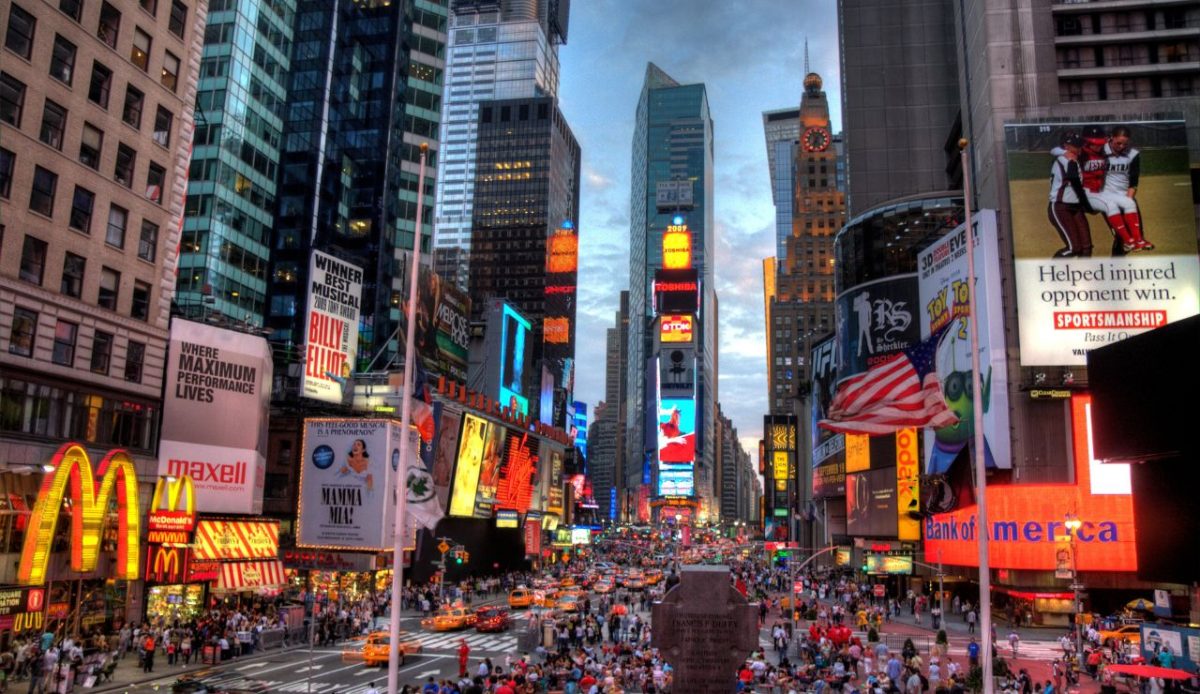
Times Square looks iconic on screen, but on the ground, it often feels like a crowded corridor of LED ads and costume characters. Many travelers say the scene is less “must-see” and more “move with the herd” at peak hours.
Photo seekers bottleneck at the red steps and the busiest corners, while vendors and performers compete for attention. Visitors also report pricey chain food, tourist-ticket booths, and constant pitching that can wear you down.
If you want the vibe without the crush, go early morning or late night, then pivot to nearby Broadway blocks, Bryant Park, or Hell’s Kitchen for a more breathable walk nearby.
2. Hollywood Walk of Fame, Los Angeles
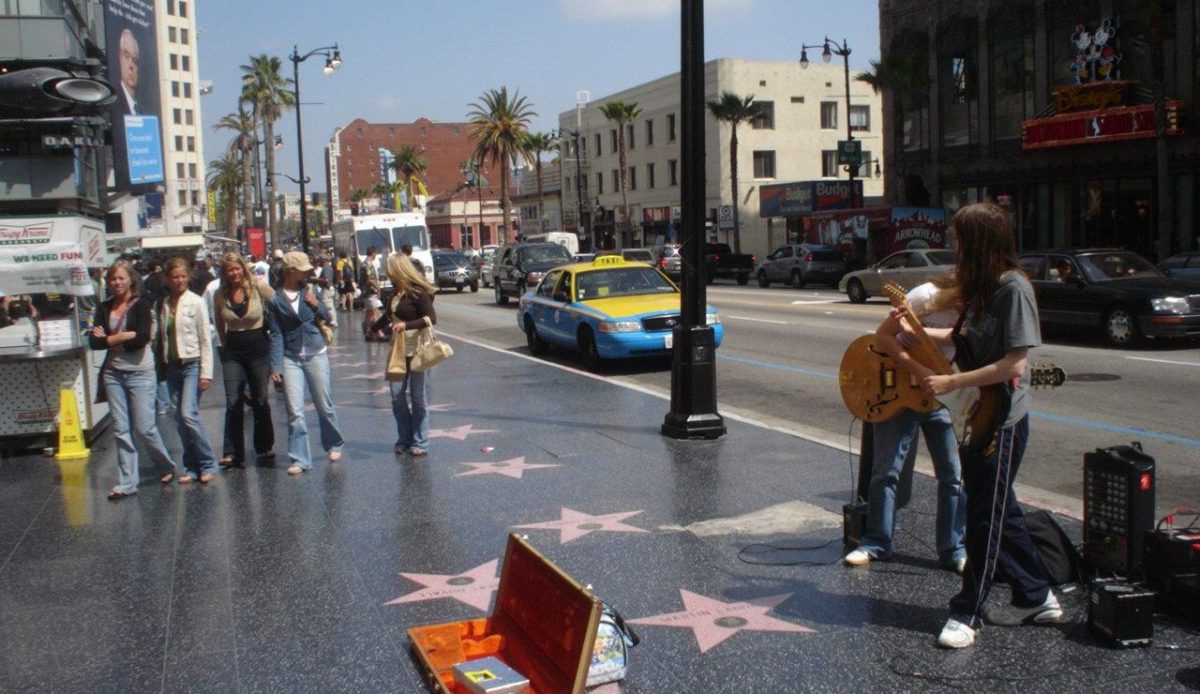
The star tiles look like a quick win for a classic LA photo, but many visitors say the reality is a busy sidewalk with little room to stop. Foot traffic, street solicitors, and tour groups can turn the hunt for one name into a slow shuffle.
Travelers often mention that the surrounding blocks feel more commercial than glamorous, with souvenir stands and paid photo ops competing for your attention. Some also report frequent litter and construction that breaks the “movie magic” expectation.
To make it worth the stop, choose one or two specific stars to find, then pair it with a timed museum visit or a hike to a viewpoint where the city and sign feel earned.
3. Welcome to Fabulous Las Vegas Sign, Nevada
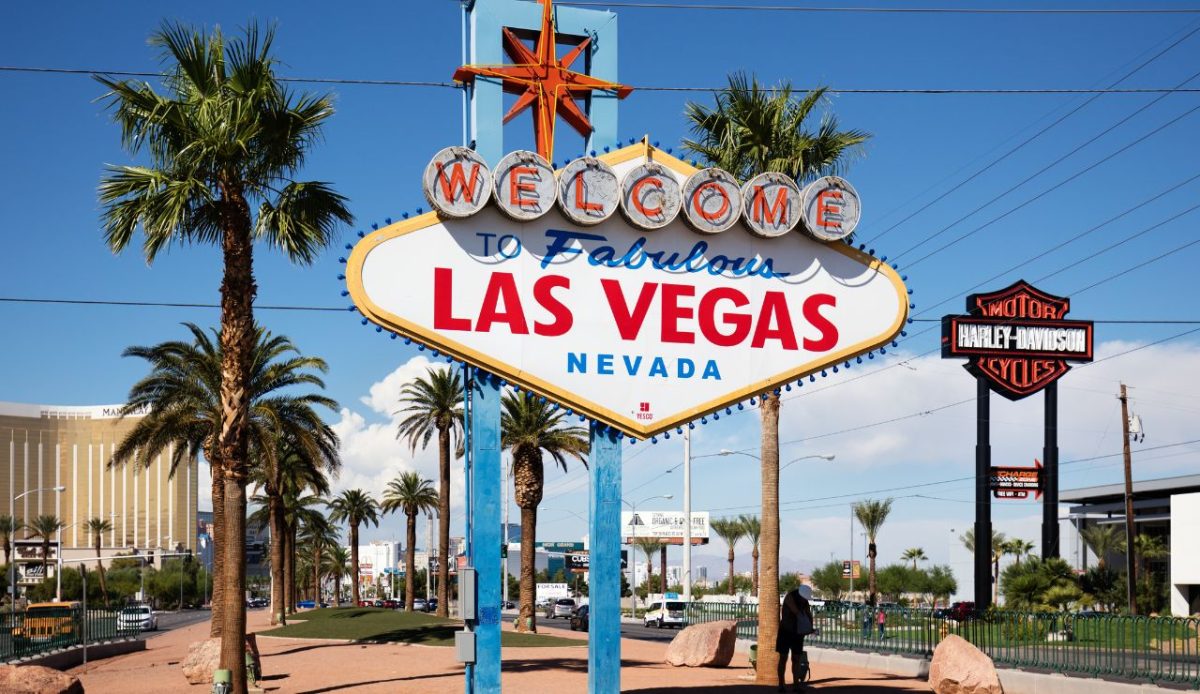
The Las Vegas sign is famous because it’s simple, but that simplicity creates a single-file photo ritual. Visitors regularly describe a long line in the sun, with everyone waiting for the same pose and the same framing.
The area sits beside a busy road, so the experience can feel like a parking-lot pit stop rather than an attraction. Travelers also mention drivers circling for spaces and people getting rushed by the next group once it’s their turn.
If you go, aim for sunrise, bring water, and treat it as a quick checkpoint. Then spend your time on a themed walk, a show, or a neighborhood meal where Vegas feels less like a backdrop and more like a place.
4. Lombard Street, San Francisco
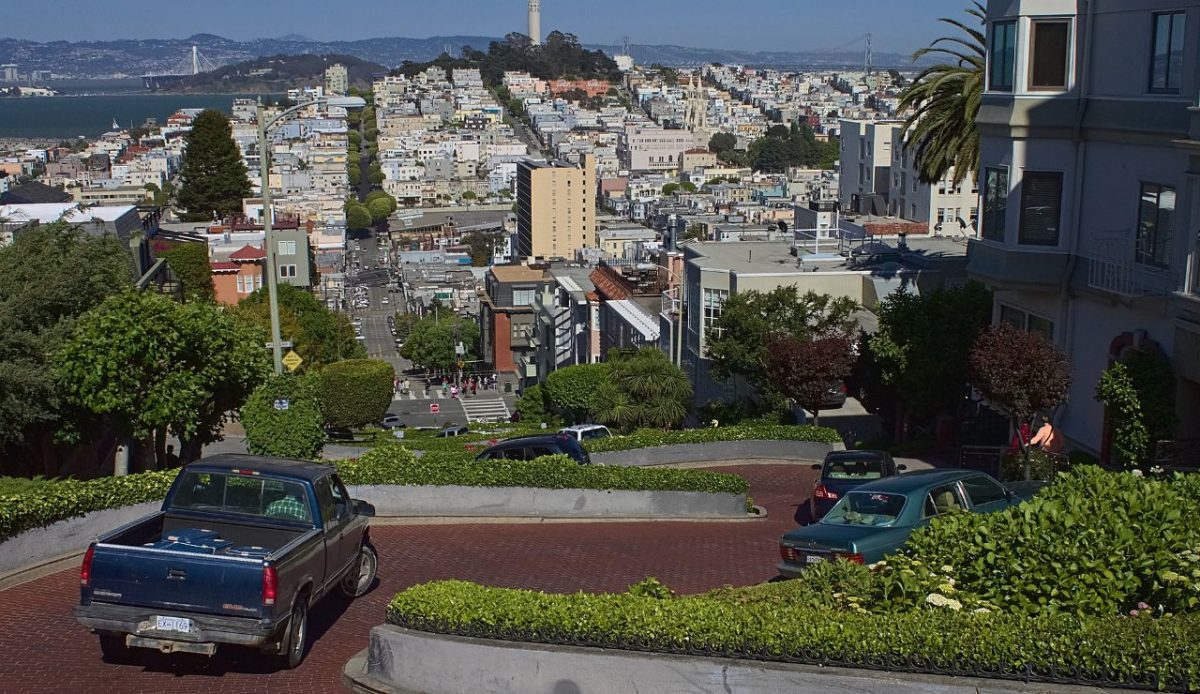
Lombard Street’s “crooked” switchbacks look great in a short clip, but the narrow roadway and sidewalks aren’t built for heavy crowds. Many travelers say the stop becomes a traffic jam first and a sightseeing moment second.
Cars queue to drive down while pedestrians pack the corners for photos, creating constant stop-and-go. Residents and visitors alike note that the atmosphere can feel tense, especially on weekends when tour buses and rideshares add pressure.
For a better experience, view it from above without joining the car line, then explore nearby Russian Hill streets on foot. Pair it with a quieter waterfront stroll or a cable car ride so the day isn’t defined by one over-scheduled block.
5. Cloud Gate (The Bean), Chicago
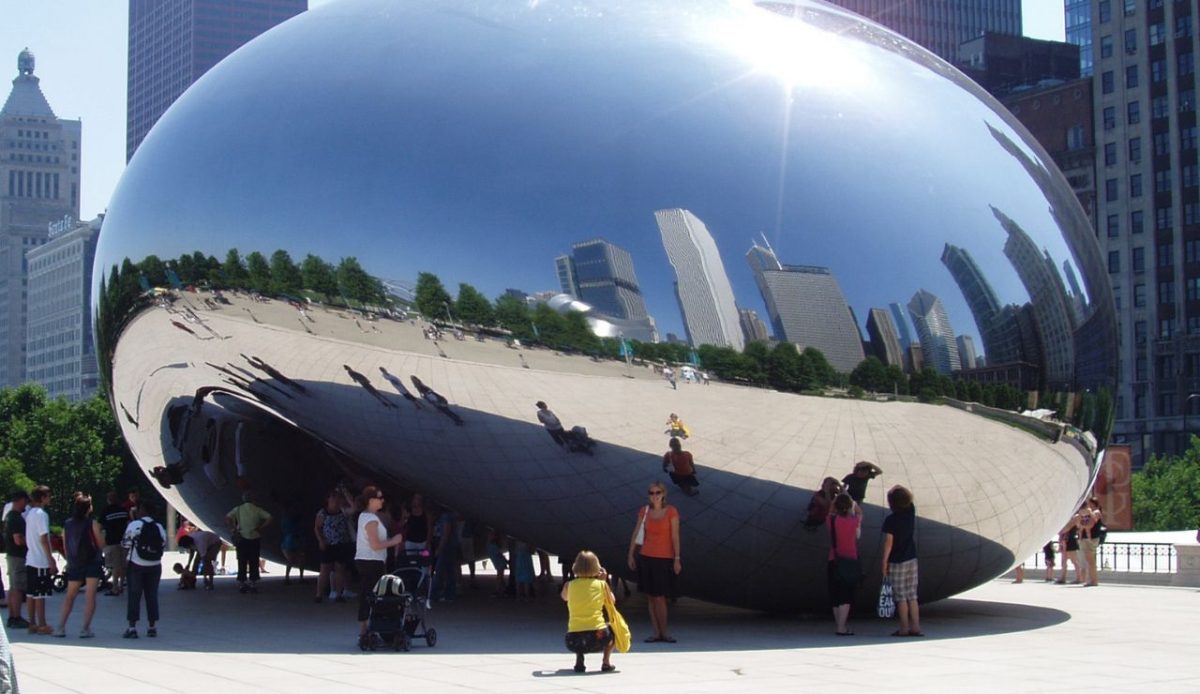
The Bean promises a fun reflection shot, but visitors often describe it as a constant crowd scene with limited space to linger. Because the sculpture sits in an open plaza, even small groups can make the area feel packed fast.
Travelers say the challenge isn’t finding it, it’s getting a clean photo without dozens of people in the frame. Security rules and occasional closures for maintenance or events can also surprise travelers who planned their day around that one image.
To keep it enjoyable, go early, take your photo quickly, and then spend time in Millennium Park and the Art Institute nearby. Chicago rewards longer walks along the lakefront more than a single reflective snapshot.
6. Horseshoe Bend, Arizona
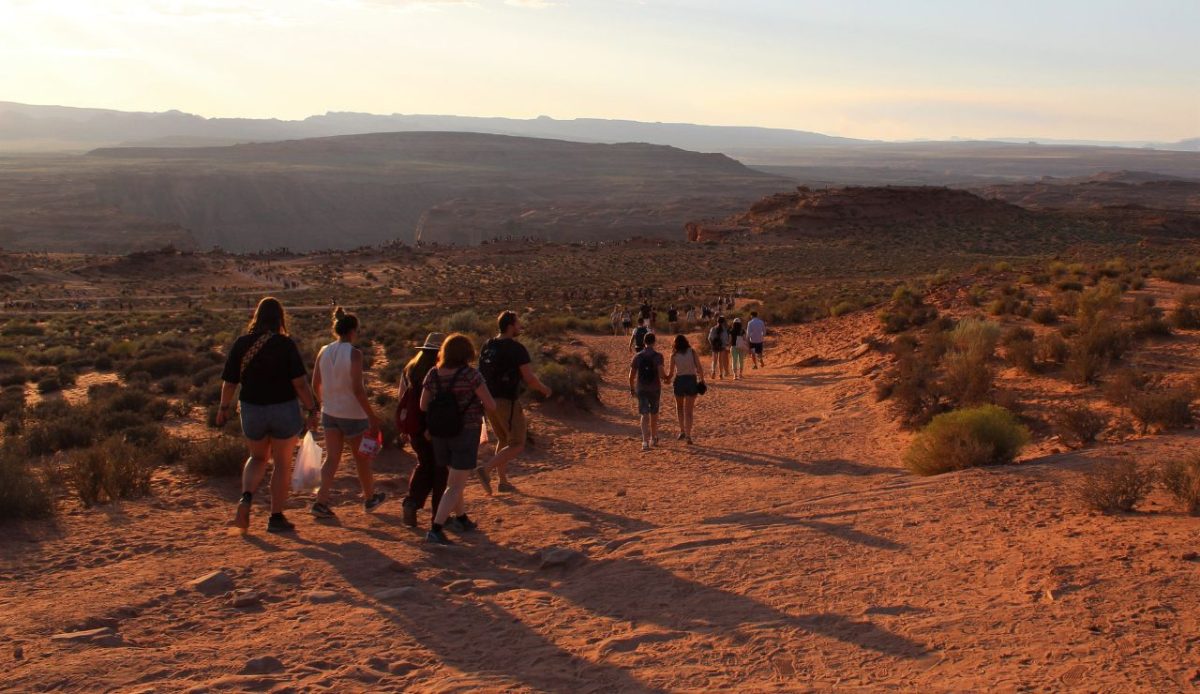
Horseshoe Bend delivers a dramatic view, but many travelers say it now feels like a social-media checkpoint with a timed, crowded overlook. The short walk is easy, yet the viewpoint itself can get shoulder-to-shoulder during midday waves.
Visitors often report jostling for the front edge, with people waiting for others to finish poses while the sun and heat build. Safety rails are limited, so the pressure to “get the shot” can tempt risky positioning near steep drop-offs.
Go at sunrise or late afternoon, stay well back from edges, and treat the photo as a bonus. Make the trip richer by adding a longer hike, a ranger-led stop, or a scenic drive where the landscape isn’t compressed into one crowded ledge.
7. Upper Antelope Canyon, Arizona
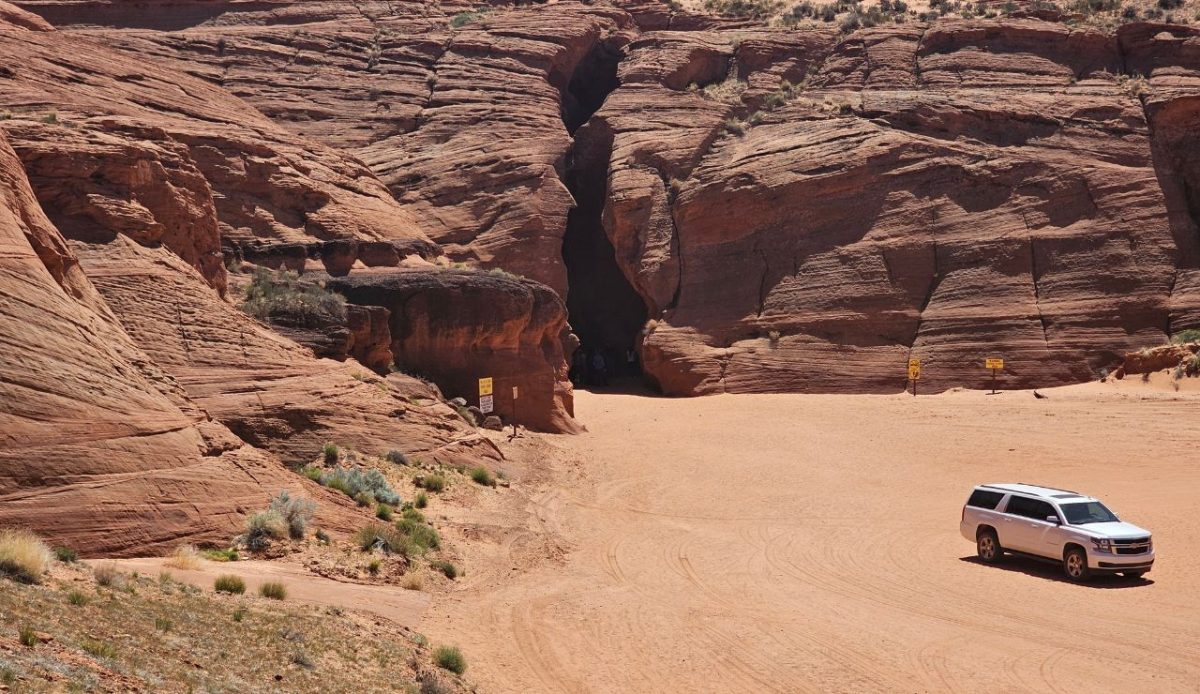
Upper Antelope Canyon’s light beams look unreal in photos, and that popularity has made the visit tightly managed. Travelers often say the canyon feels less like wandering nature and more like moving through a scheduled photo pipeline.
Access requires guided tours on set time slots, and groups can stack close together in narrow passages. Visitors report being ushered along to keep traffic flowing, which limits the quiet, immersive feeling people expect from a slot canyon.
To enjoy it anyway, book early, pick a smaller group if available, and treat the best shots as a bonus. Balance it with a quieter viewpoint or hike nearby so your day isn’t defined by one timed corridor.
8. Santa Monica Pier, California
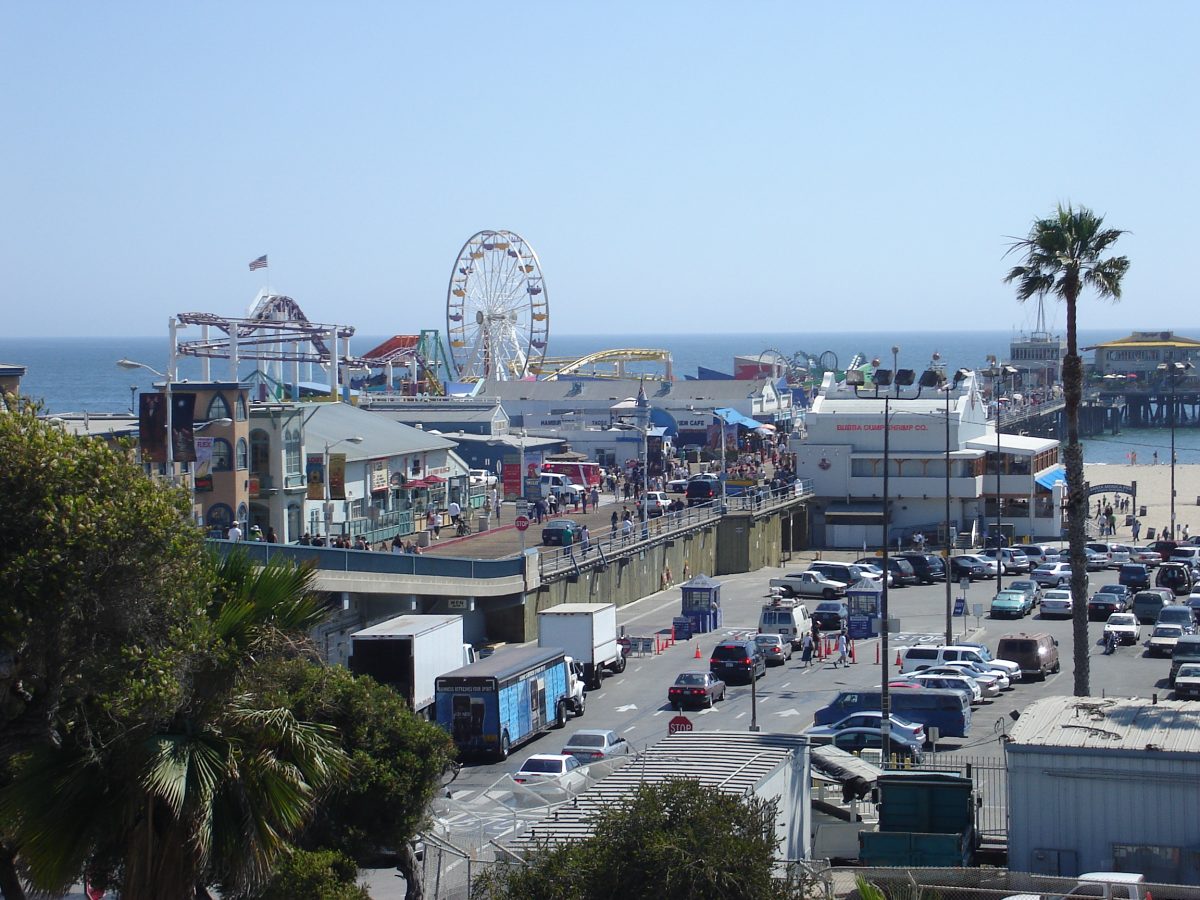
The Santa Monica Pier is a classic West Coast stop, but travelers often say it now plays like a backdrop for reels more than a relaxed beach hang. On busy days, the entrance and boardwalk can feel like a slow-moving funnel.
Visitors mention long waits for rides, packed photo spots by the sign, and inflated snack prices near the pier itself. Street performers and pop-up sellers add energy, but they can also make the space feel crowded and transaction-heavy.
To keep it fun, time it for weekday mornings, then walk south toward quieter sand or explore nearby neighborhoods for food. Pairing the pier with a longer coastal stroll helps the day feel bigger than one heavily filmed stretch of planks.
9. Pike Place Market, Seattle
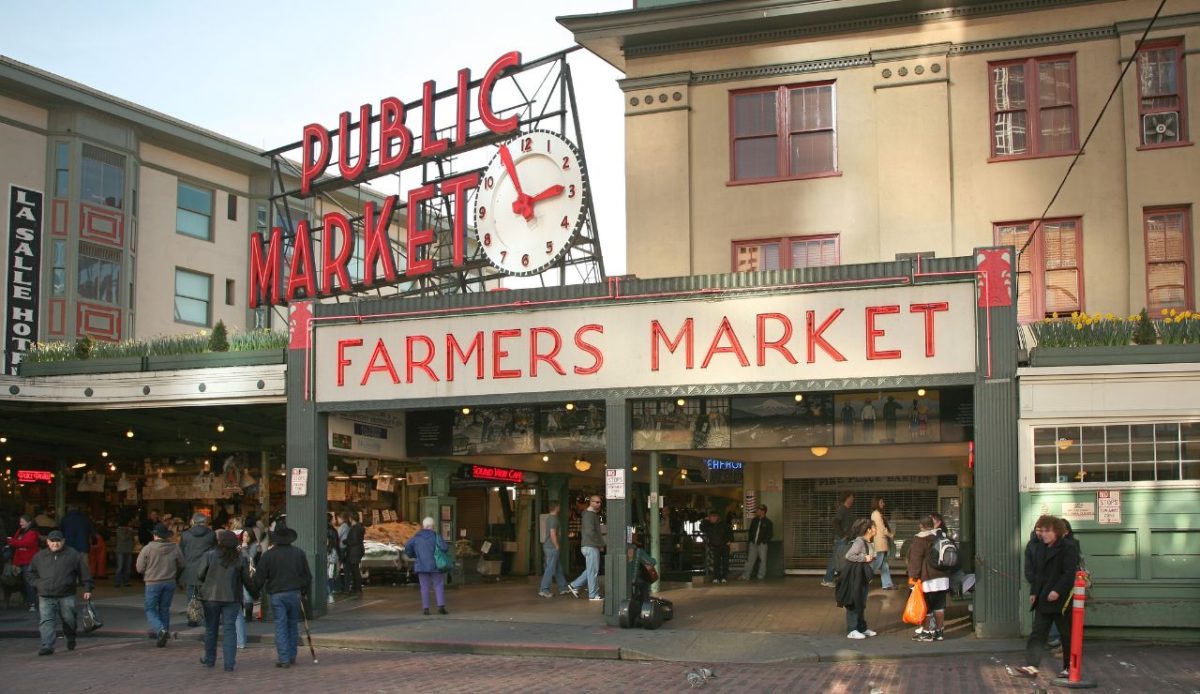
Pike Place Market is a real working market, but travelers say the most viral corners can turn it into a stop-and-stare zone. People bunch up for fish-throw photos, the main sign, and the famous coffee storefront, creating choke points.
Visitors often report that the busiest aisles feel more like a guided parade than a place to browse. Lines for specific “icon” stalls can eat time fast, and some travelers leave without seeing the quieter craft rows and food counters nearby.
Go early, enter from a side street, and focus on a few vendors you actually want to taste. Then explore the waterfront or nearby neighborhoods so Seattle doesn’t become a single crowded staircase and one predictable photo.
