
New Orleans is often recognized for defining Southern cooking, yet many other cities maintain food cultures with equal seriousness and depth. Their kitchens depend on nearby waters, steady farming, and methods taught through routine rather than novelty. Meals rely on patience and repetition, producing flavors tied to place and history. Restaurants reflect community habits more than visitor expectations, showing how daily life sustains long-standing traditions. Across these cities, dishes explain geography and local practice. Together, they reveal that Southern food’s strength extends well beyond a single celebrated destination.
1. Charleston, South Carolina
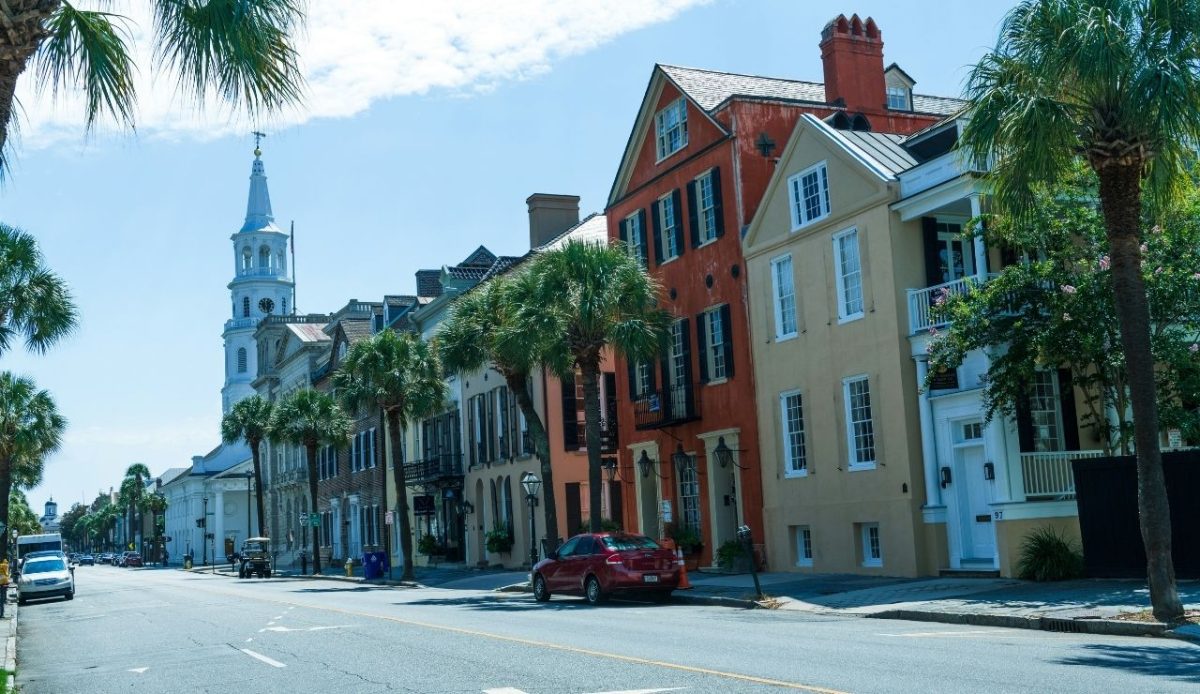
Charleston’s food identity grows from coastal access, historic farming, and steady ingredient handling. Shrimp, oysters, rice dishes, and slow-cooked soups reflect Lowcountry traditions linked to surrounding marshes and fields. Kitchens rely on methods taught through repeated practice, keeping flavors clear and direct. Dining often feels measured, shaped by streets, markets, and nearby waterfront views. Menus adjust slowly with season and supply instead of shifting with trends. Visitors quickly notice how meals highlight heritage and careful preparation, placing Charleston among the South’s most respected food destinations.
2. Savannah, Georgia
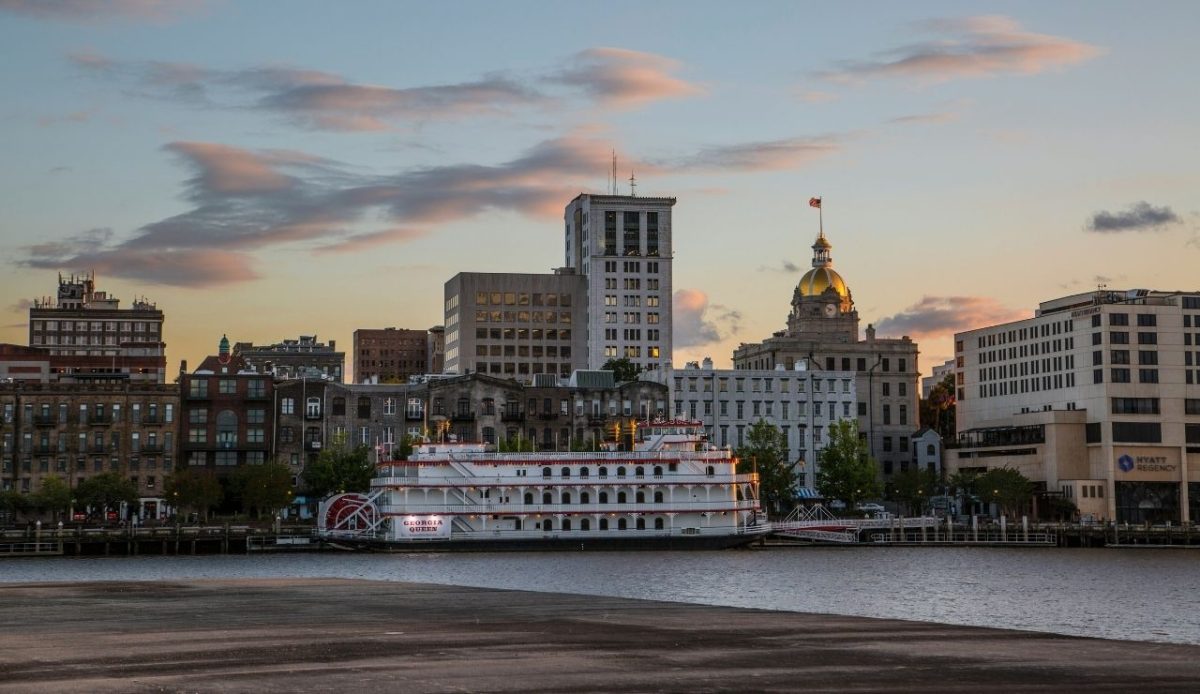
Savannah’s cooking develops around patience and steady technique. Seafood appears across menus, prepared simply to highlight natural freshness rather than heavy styling. Rice dishes, vegetables, and baked items follow regional customs that guide everyday meals. The city’s slower rhythm encourages unhurried dining and longer conversation. Restaurants often sit within historic neighborhoods and shaded porches, reinforcing a calm atmosphere. Chefs focus on balance and consistency, letting tradition direct choices rather than dramatic change. Savannah delivers depth through restraint, offering food that competes strongly with larger Southern culinary centers.
3. Lafayette, Louisiana

Lafayette treats Cajun cooking as routine rather than a special occasion. Boudin, gumbo, crawfish, and rice-based dishes appear in small restaurants, markets, and roadside kitchens where recipes move through family practice. Preparation depends on repetition, not detailed instruction, giving meals a personal and grounded feel. Eating often connects to gatherings, music, and community events that shape local culture. Nearby waters and fields supply essential ingredients, strengthening regional identity. Many visitors discover that Lafayette delivers food with notable clarity and sincerity, proving that culinary influence does not rely on population size.
4. Mobile, Alabama
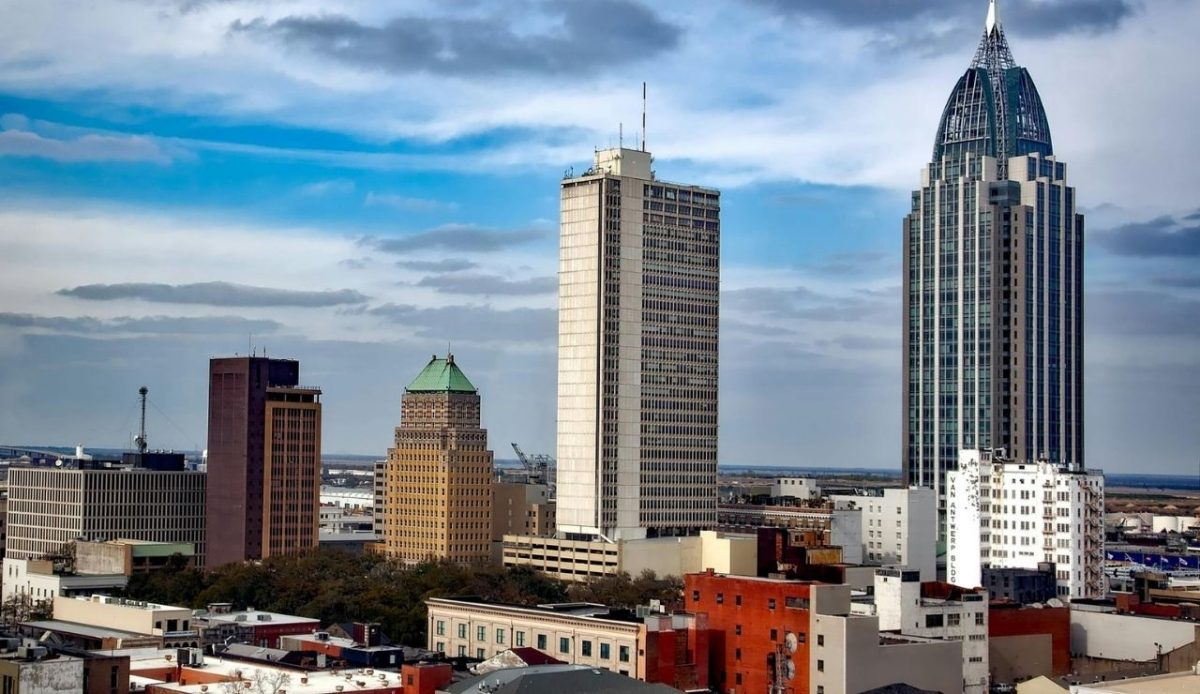
Mobile’s food culture develops from its Gulf position and working waterfronts. Shrimp, crab, and oysters define daily meals, prepared with restraint that keeps natural flavor central. Southern comfort dishes support the seafood focus, shaped by long-standing household habits. Restaurants prioritize reliable sourcing rather than decorative presentation. Seasonal availability influences menus, maintaining a direct link to coastal rhythms. Dining in Mobile feels connected to geography and routine, offering steady, grounded flavors that quietly rival more widely known Southern food destinations across the region.
5. Houston, Texas

Houston’s food scene stands out through variety supported by scale, access, and wide cultural influence. Gulf seafood, barbecue, and Tex-Mex anchor everyday eating, while immigrant communities shape cooking across neighborhoods. Meals range from simple counters to formal dining rooms, with quality remaining steady across price points. Chefs respect Southern roots while drawing from global traditions that reflect the city’s population. Many visitors leave surprised by the strength and reach of Houston’s food culture, recognizing its position as one of the South’s most dynamic culinary cities.
6. Austin, Texas

Austin balances experimentation with long-standing regional habits. Barbecue remains essential, guided by methods shaped through time, temperature, and consistent practice. Beyond that, the city supports casual kitchens where Southern staples meet global ideas in direct, practical ways. Food trucks and neighborhood counters set much of the daily rhythm for residents and visitors. Local sourcing adds stability, keeping meals grounded. Menus adjust gradually without losing familiar structure. Austin shows how creative approaches can operate beside tradition while preserving a clear sense of place and continuity.
7. San Antonio, Texas
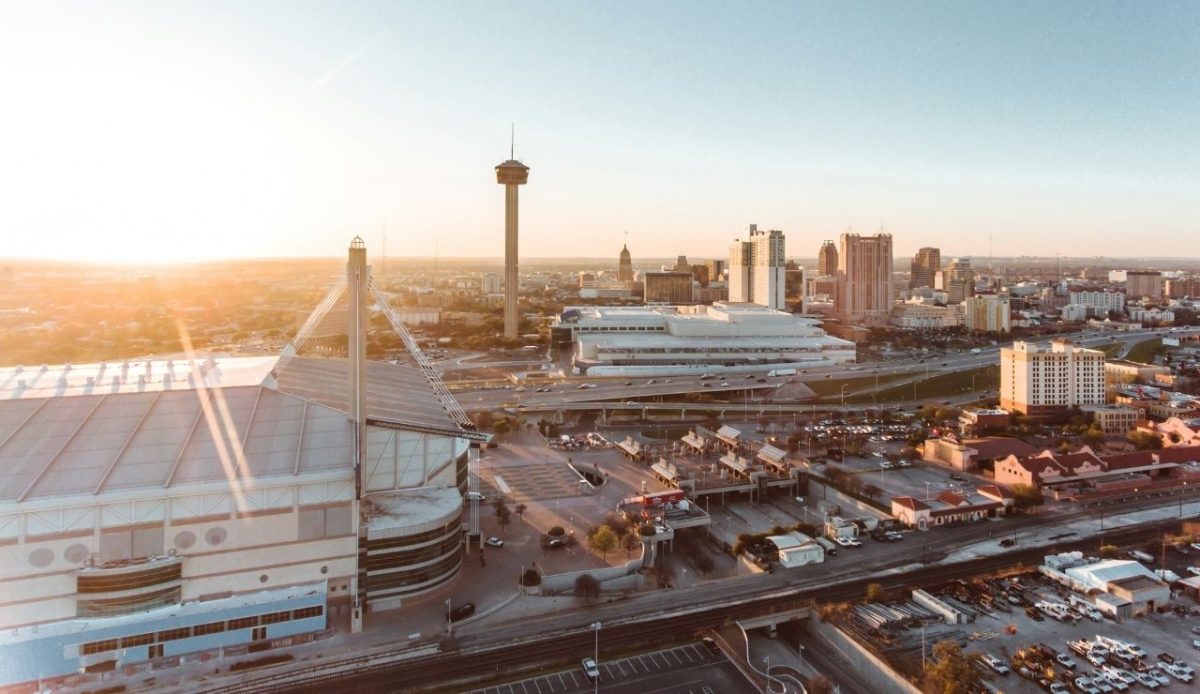
San Antonio draws strength from Tex-Mex traditions supported by long-standing family methods. Corn, beans, slow-cooked meats, and layered seasoning remain central across restaurants and home kitchens. Meals serve everyday needs, showing how routine guides preparation. Neighborhood cafes and local markets reinforce these habits, strengthening ties to memory and place. Techniques pass between generations with only slight adjustments, keeping identity consistent. San Antonio presents a food culture with depth and continuity, standing firmly beside more publicized culinary cities across the Southern region.
8. Birmingham, Alabama
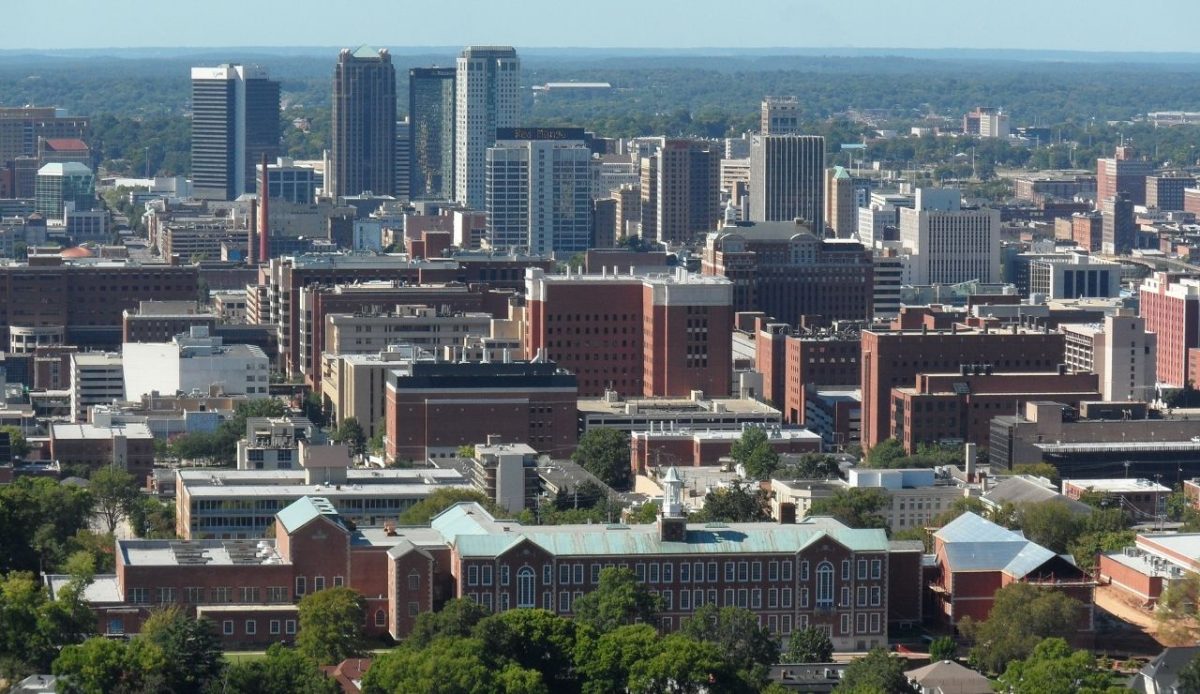
Birmingham’s rise in Southern food circles comes from kitchens that treat familiar dishes with disciplined technique. Fried vegetables, smoked meats, and seasonal sides gain depth through careful preparation rather than heavy reinvention. Strong ties to nearby farms influence menus that shift naturally with available produce. Dining rooms often feel intimate, supporting relaxed pacing and meaningful conversation. The city values accuracy, consistency, and thoughtful sourcing. Birmingham demonstrates how close attention to detail can strengthen traditional food while preserving its essential character.
9. Atlanta, Georgia

Atlanta’s food culture reflects city size and diversity while remaining anchored in Southern tradition. Comfort dishes appear beside influences from many communities, creating menus that feel broad yet coherent. Barbecue, baked goods, vegetable plates, and slow-cooked proteins remain central across neighborhoods. Some of the city’s strongest meals come from local restaurants where everyday routines shape cooking. Atlanta’s ability to support both tradition and range places it among the South’s most dependable food destinations, offering variety without losing structure or identity across its many districts.
10. Nashville, Tennessee
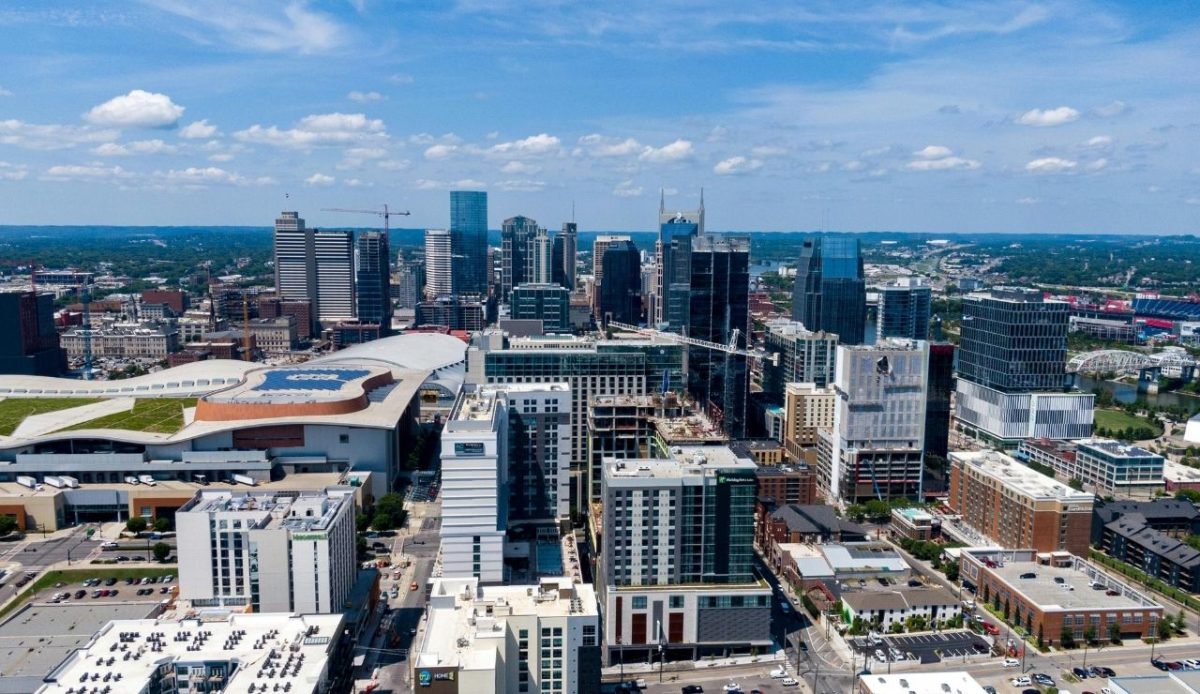
Nashville’s food identity reaches well beyond its famous dish. Hot chicken remains important, yet the city supports many kitchens centered on meats, biscuits, vegetables, and preserved flavors tied to regional habits. Restaurants focus on comfort and repetition, offering meals meant for steady return rather than one-time novelty. Local sourcing helps maintain consistent quality across neighborhoods. Dining often feels communal, shaped by shared tables and predictable pacing. Nashville delivers a food culture with depth and intention, standing comfortably alongside major Southern culinary destinations.
11. Memphis, Tennessee

Memphis builds its food culture on smoke, patience, and long-practiced technique. Barbecue defines the city, with pork cooked slowly through methods passed down within families and neighborhoods. Ribs, pulled meat, and sauces differ by area, giving the city a strong local character and recognizable style. Soul food plays an equal role, with vegetables, cornbread, and slow-cooked sides rounding out meals. Restaurants often feel informal and tied to routine, reinforcing long-standing habits. Eating in Memphis reflects a deep commitment to method and continuity rather than dramatic change.
12. Durham, North Carolina
Durham pairs Southern foundations with precise technique and strong local sourcing. Menus rely on seasonal produce, regional meats, and classic preparations handled with steady control. Biscuits, grits, and slow-cooked dishes appear balanced and measured. Close ties to nearby farms influence what reaches the plate throughout the year. Dining spaces often feel personal and community-driven without relying on heavy styling. Durham shows how a smaller Southern city can deliver food with clarity and confidence, placing it among destinations that compete successfully with much larger culinary markets.
