
Many air travel tips sound convincing because they have circulated for years, yet frequent flyers repeatedly say they do not reflect how modern flying actually works. Airline pricing systems, security procedures, and loyalty programs have changed significantly, while popular advice often stays the same. Travelers who fly regularly tend to rely on experience rather than online tricks, and their insights challenge assumptions casual flyers still follow. The myths below focus on booking behavior, airport security, airline policies, and upgrade expectations that frequent flyers consistently say are misunderstood.
1. Clearing Cookies Lowers Flight Prices

Many travelers believe airlines track searches through browser cookies and raise prices accordingly, but frequent flyers say this does not match how fares are set. Airline pricing depends on demand trends, seat inventory, route competition, and timing rather than individual browsing history. Clearing cookies may change how cached prices display, but it does not reset fare levels. Frequent flyers report seeing the same prices across devices and browsers when availability stays the same. What truly moves prices is when seats sell, or new fare buckets open, not repeated searches by one user.
2. Tuesday Is Always the Best Day to Book

Frequent flyers strongly disagree with the idea that Tuesday guarantees the cheapest flights. This belief comes from older airline pricing practices that no longer apply. Modern fares update continuously based on demand, competition, and remaining seat inventory. Experienced travelers say they have found good prices on every day of the week, including weekends. Price drops often happen when airlines adjust availability, not because of a specific calendar day. Monitoring routes, setting alerts, and being flexible with dates usually give better results than waiting for a single weekday.
3. Airlines Overbook So Much You Will Get Bumped
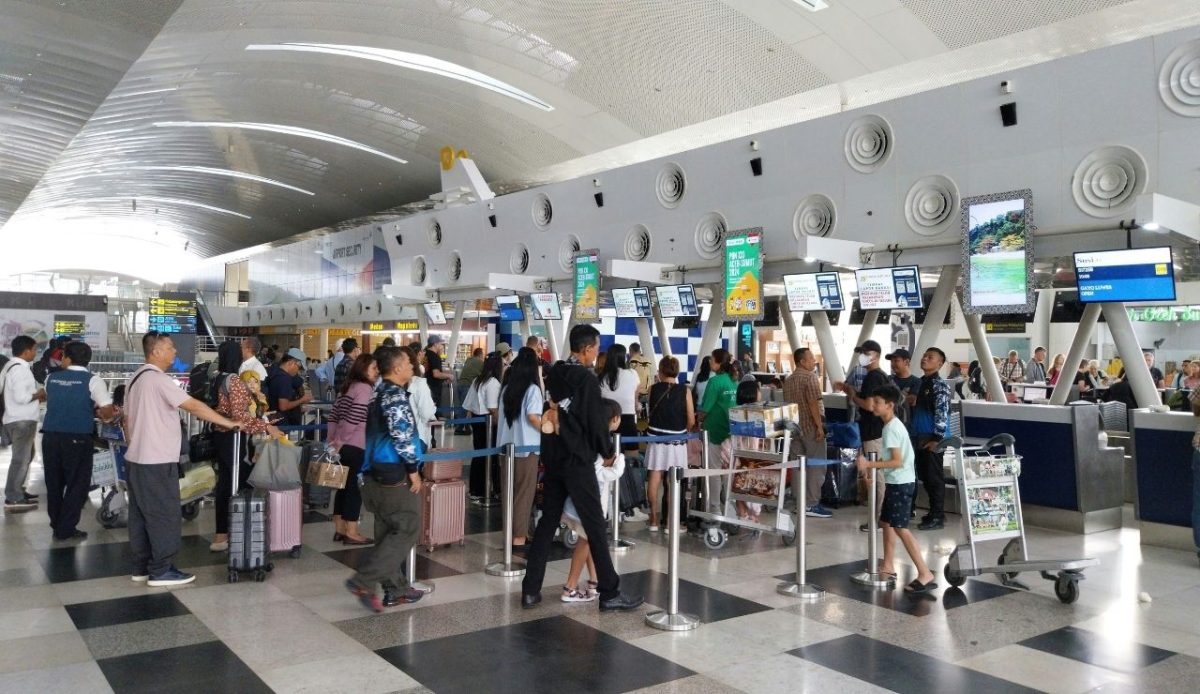
Overbooking causes anxiety, but frequent flyers say involuntary bumping is far less common than people expect. Airlines oversell flights using historical no-show data, and most passengers still travel as scheduled. When problems occur, airlines first ask for volunteers and offer compensation. Frequent flyers note involuntary denial usually affects very few travelers and depends on timing and route. Checking in early, avoiding tight connections, and holding elite status further reduce risk. Department of Transportation statistics in many countries also show that bumping rates remain low compared with total passenger volumes.
4. Round-Trip Tickets Are Always Cheaper
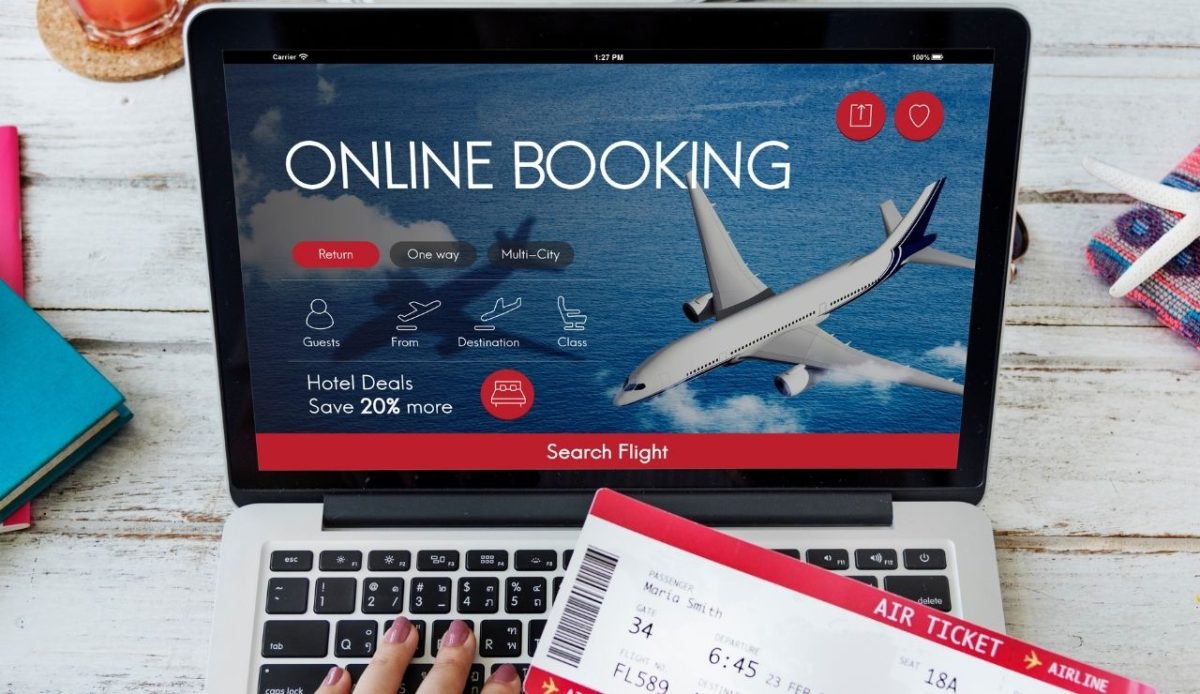
Many travelers still believe round-trip tickets automatically save money, but frequent flyers say this rule no longer holds consistently. Airlines often price each flight segment independently, especially on domestic and short-haul routes. One-way tickets can sometimes be cheaper or allow better timing and airline choice. Frequent flyers regularly mix one-way fares to reduce total cost. Round-trip pricing can also limit flexibility when plans change. Checking both round-trip and one-way options before booking helps travelers avoid locking into a more expensive or restrictive deal.
5. TSA PreCheck Means No Security Screening
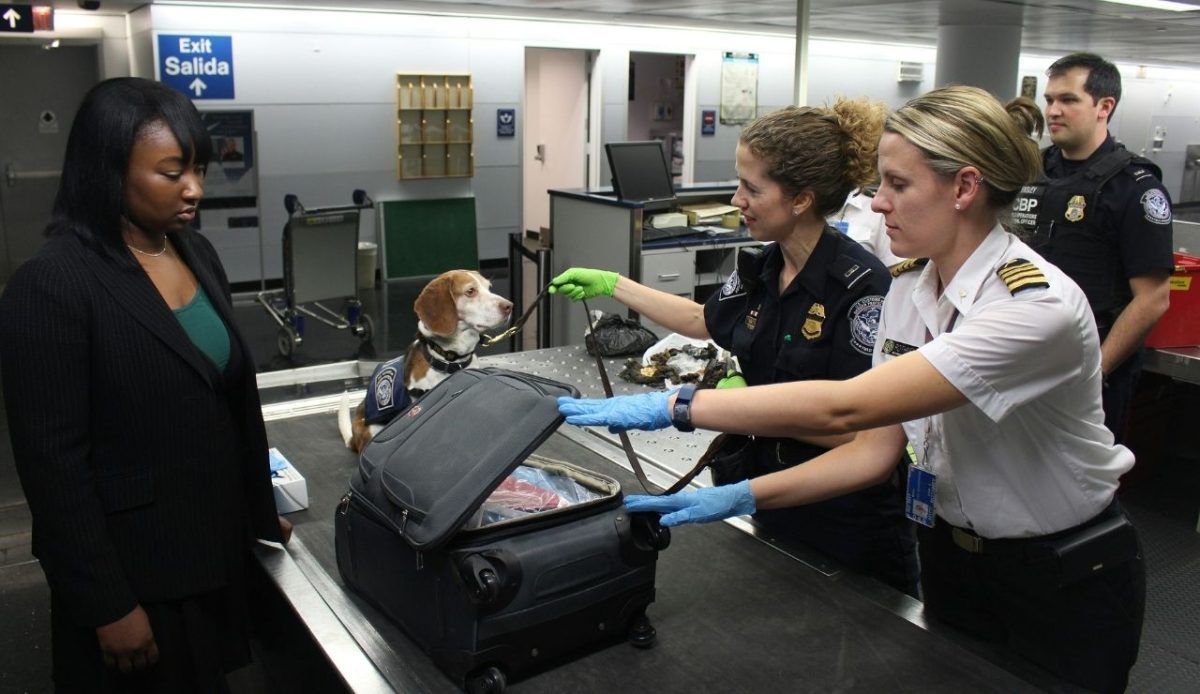
TSA PreCheck speeds up security, but frequent flyers stress that screening still happens. Travelers must still pass through metal detectors or scanners and may be selected for random checks. The benefit lies in simplified procedures, such as keeping shoes and light jackets on. Many misunderstand this and expect a full bypass. Frequent flyers treat PreCheck as a convenience, not a guarantee. Screening can also vary by airport staffing and security conditions, which affect the experience. Travelers who understand these limits usually feel less frustrated at checkpoints.
6. Dressing Nicely Gets You Free Upgrades

Some travelers believe appearance influences upgrades, but frequent flyers say airline systems decide upgrades long before boarding. Loyalty status, fare class, availability, and upgrade requests determine who moves to premium cabins. Clothing rarely affects outcomes. Experienced travelers note upgrades clear automatically through software, leaving little discretion for gate agents. Polite behavior matters, but it does not override priority lists. Travelers hoping for upgrades see better results by earning status or using miles, not by changing outfits at the gate.
7. You Cannot Bring Food Through Airport Security
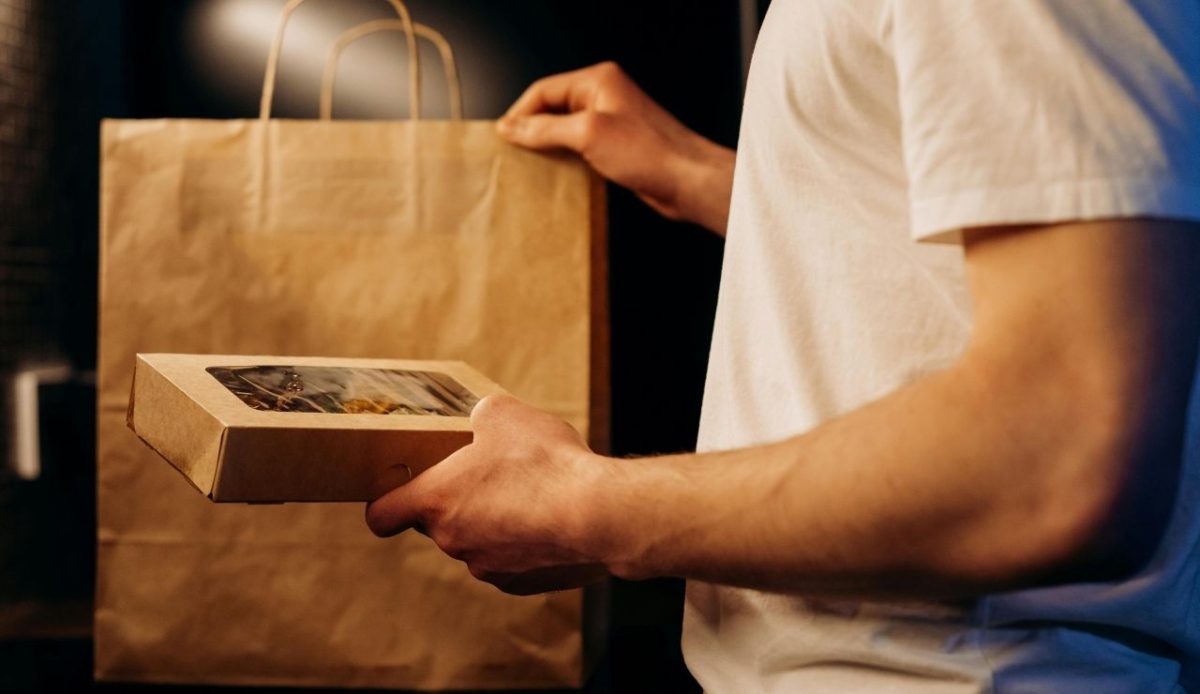
Many travelers avoid carrying food because they think it is prohibited, but frequent flyers say most solid food is allowed. Security rules mainly restrict liquids, gels, and spreads, not snacks, sandwiches, or baked goods. Frequent flyers often bring meals to avoid airport prices or limited options. Problems usually arise only with sauces, soups, or liquid-heavy items. Knowing basic security rules helps travelers save money and reduce stress at checkpoints. Checking an airport or security website before flying can prevent last-minute confusion about what is allowed.
