
Camping feels very different after sunset. Familiar trails become harder to follow, temperatures can fall quickly, and simple tasks take more effort in the dark. Many camping accidents happen at night because people lower their guard once the campsite is set up.
Campers in 2026 often travel with compact gear, rechargeable lanterns, and navigation apps. Those tools help, but they do not remove the risks that come with darkness, rough terrain, and changing weather. Good preparation matters long before bedtime. A safe night outdoors depends on smart decisions, awareness, and a campsite that stays organized after dark.
1. Using Weak or Unreliable Lighting
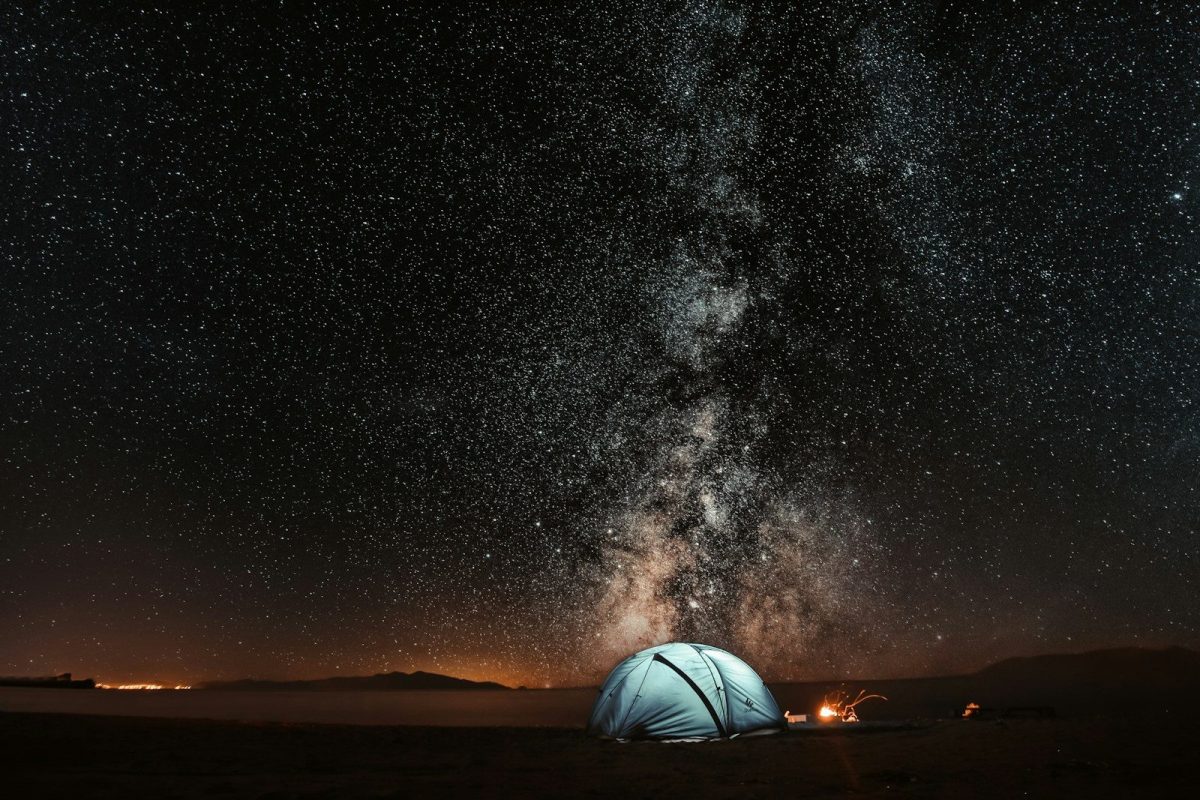
Poor lighting creates problems fast at a campsite. Rocks, roots, and uneven ground become difficult to spot once natural light disappears. Many campers still rely too heavily on phone flashlights. Phones lose battery life quickly during overnight trips, especially in colder weather. A dropped phone can also leave a camper without light or communication.
Headlamps remain one of the safest options because they keep both hands free. Lanterns also help around cooking areas and tent entrances. Backup batteries or a second light source should always stay within reach. Strong lighting reduces the chance of falls, injuries, and confusion around camp after dark.
2. Leaving Food or Trash Outside
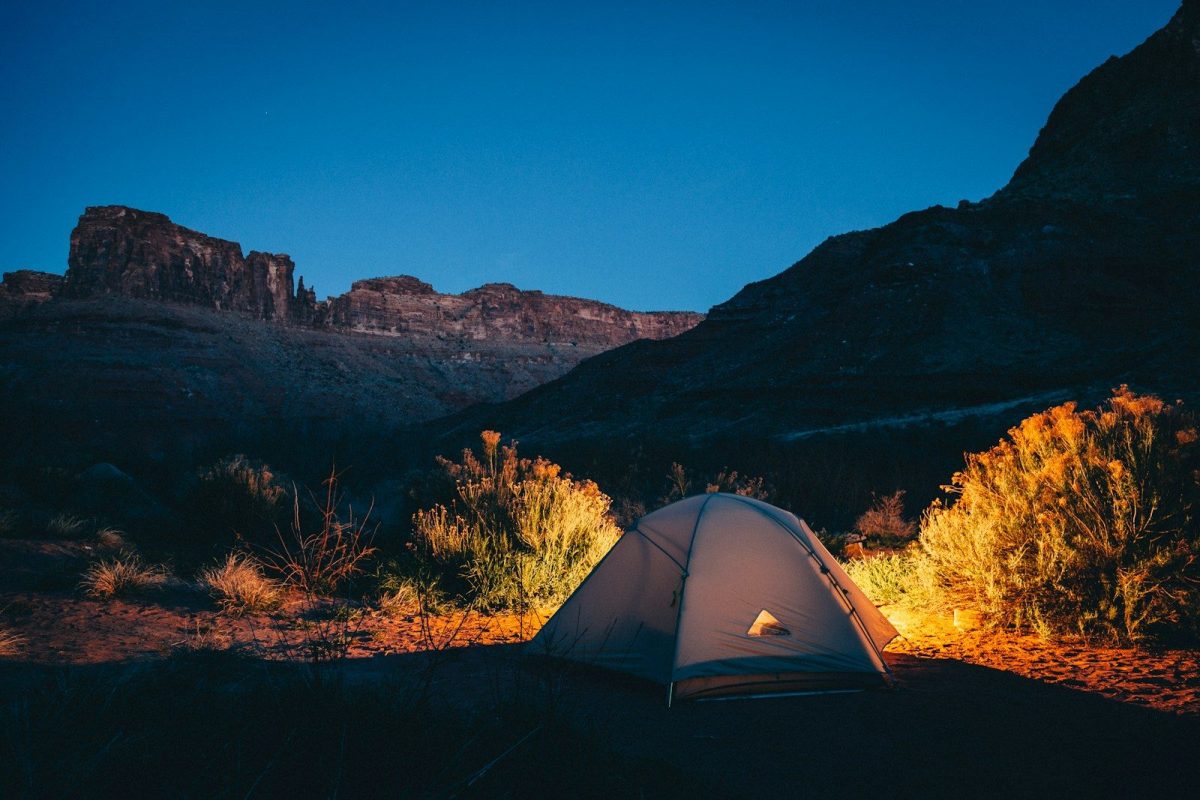
Food attracts wildlife much faster at night. Animals move through campgrounds searching for easy meals, and even small crumbs can bring unwanted visitors close to tents. Snack wrappers, drink containers, toothpaste, and cooking grease all carry strong scents. Some campers make the mistake of storing food inside tents, which can encourage animals to scratch or tear through fabric.
Food should stay inside secure containers, vehicles, or campground storage lockers when available. Trash also needs to be sealed properly before bedtime. Clean campsites usually experience fewer wildlife problems. Good habits protect both campers and animals.
3. Failing to Put Out Campfires Completely
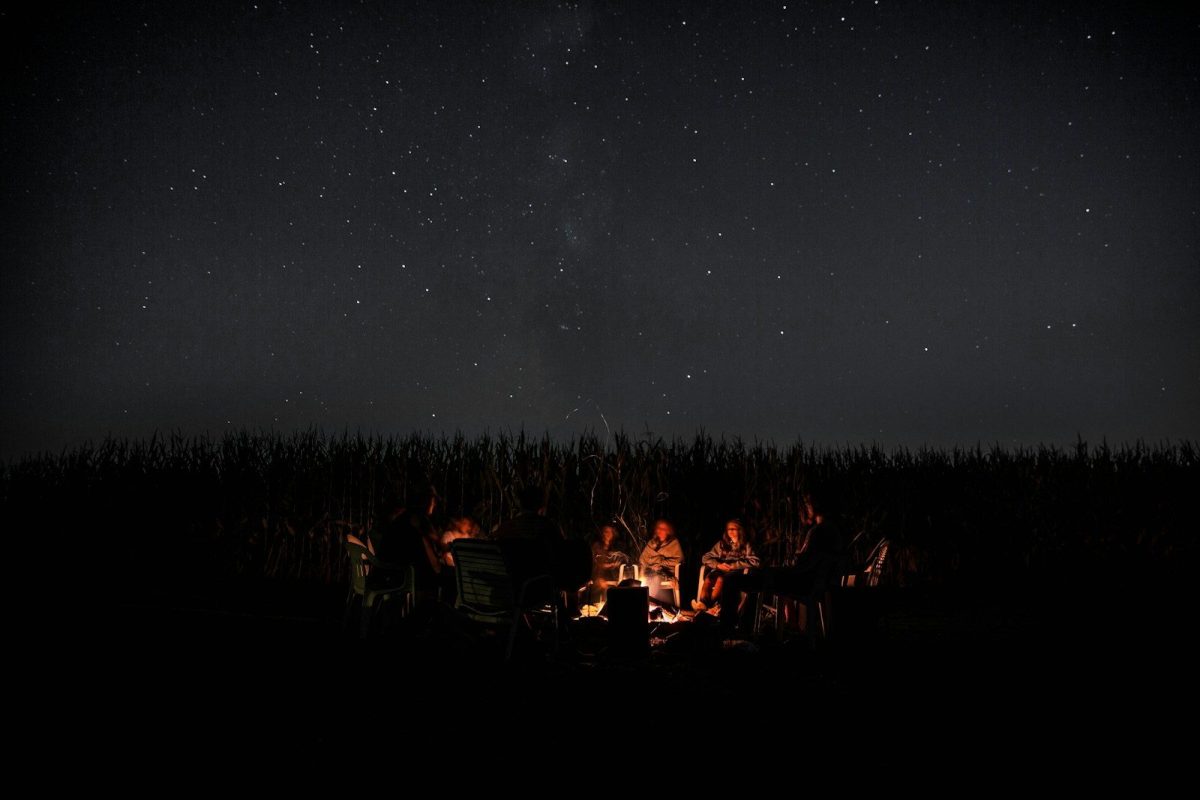
A campfire that appears harmless can still contain hot embers beneath the ashes. Strong winds during the night may spread sparks into dry grass or nearby brush. Wildfire concerns remain serious across many parts of the United States in 2026. Campgrounds continue to tighten fire rules because of dry conditions and rising temperatures in several regions.
Before going to sleep, campers should pour water over the fire, stir the ashes carefully, and repeat the process until everything feels cold. Dirt alone may trap heat instead of removing it. A few extra minutes spent checking the fire can prevent major damage.
4. Dressing for Daytime Temperatures
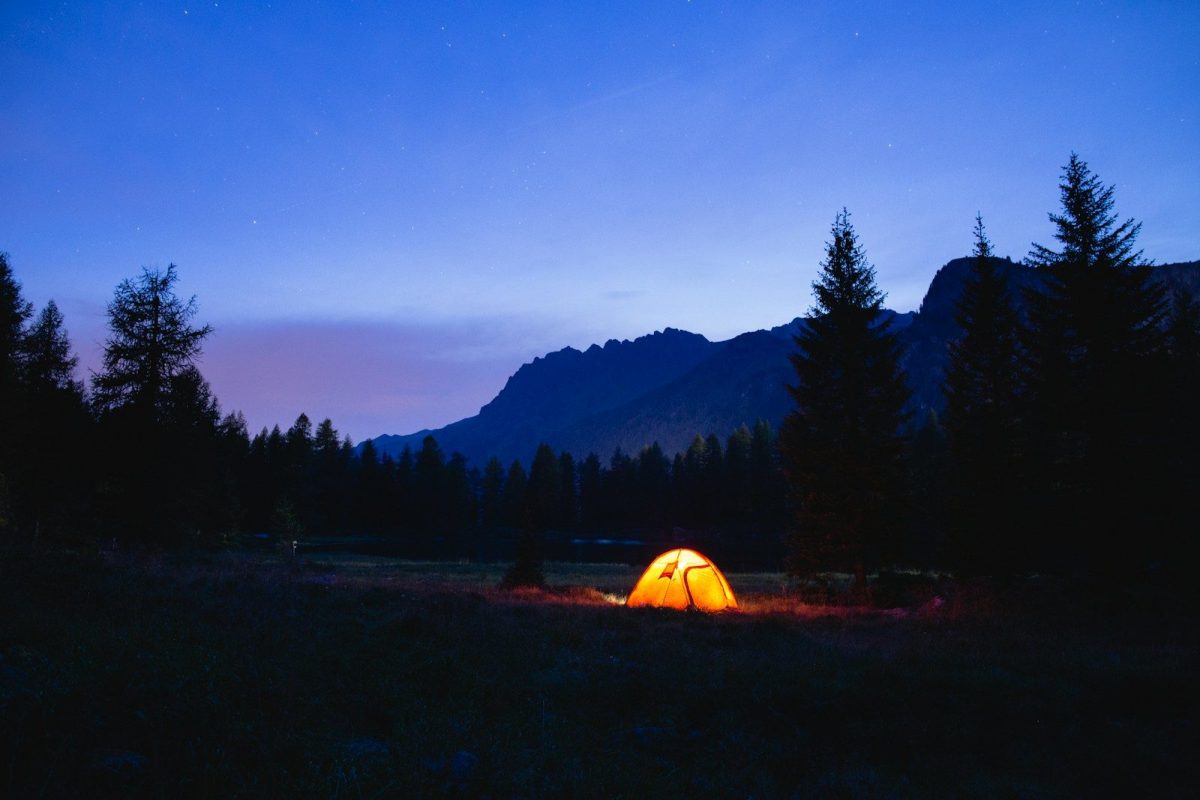
Warm afternoons often create a false sense of comfort. Nighttime temperatures in forests, deserts, and mountain areas can drop far more than expected. Cotton clothing becomes uncomfortable once it gets damp. Wet fabric pulls heat away from the body and increases the risk of hypothermia during colder nights.
Layered clothing works better for changing conditions. Thermal shirts, insulated jackets, wool socks, and waterproof outer layers help campers stay warm and dry. Keeping a separate set of clean, dry sleeping clothes also improves comfort overnight.
5. Depending Completely on Technology
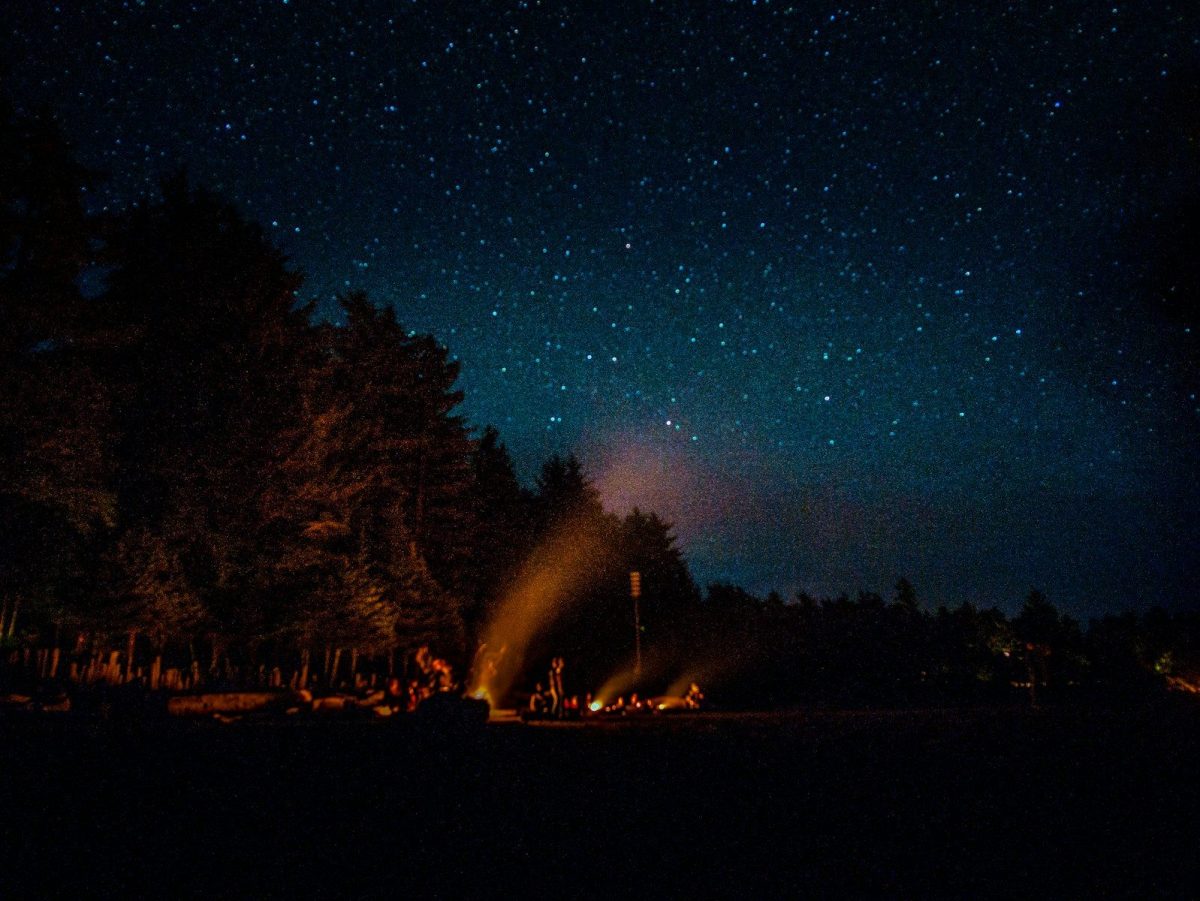
Modern camping equipment offers useful tools such as GPS trackers, weather apps, rechargeable lights, and portable power stations. Problems start when campers assume those devices will always work perfectly. Batteries drain. Signals disappear in remote areas. Rain and cold weather can damage electronics or reduce performance.
Paper maps, printed campground details, and basic navigation skills still matter in 2026. A compass and physical map can become extremely valuable during emergencies. Technology supports camping safety, but preparation matters more than gadgets alone.
6. Reacting Poorly to Wildlife Sounds
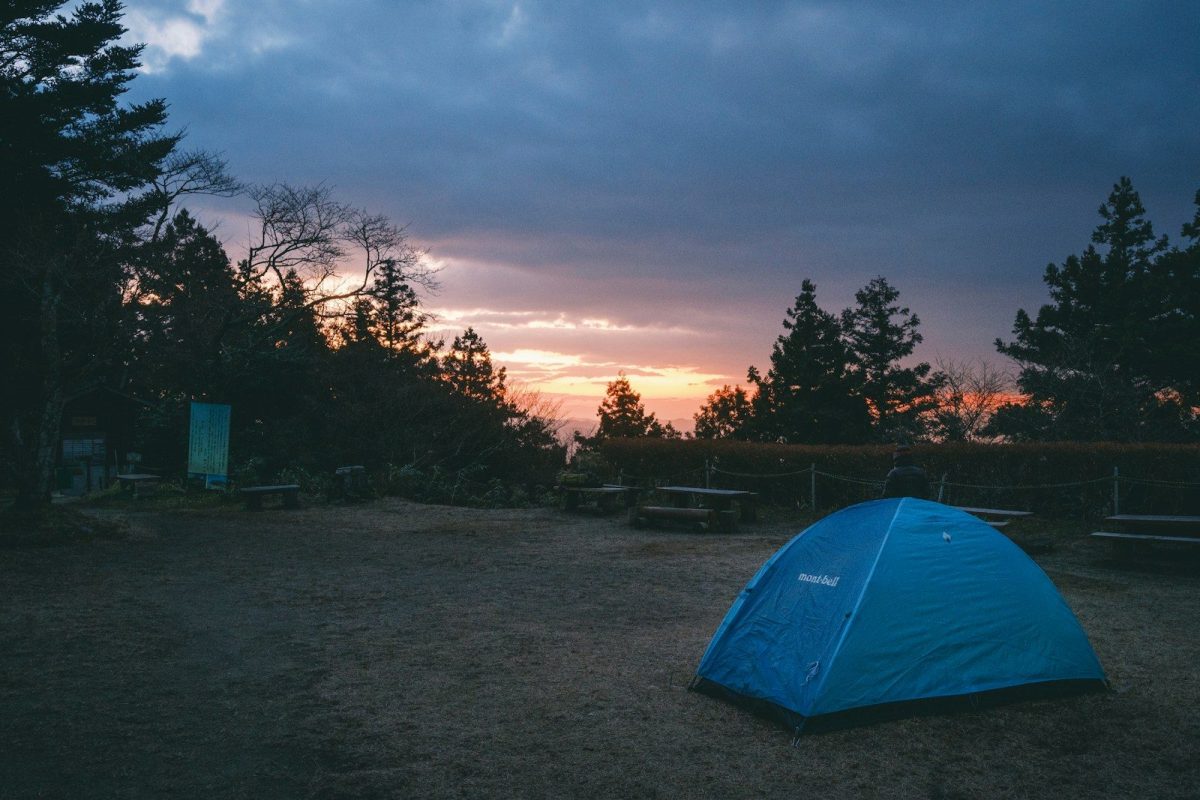
Nighttime sounds make many campers nervous. Rustling leaves, snapping branches, or movement near tents often come from small animals searching for food. Fear sometimes causes people to react carelessly. Running outside suddenly or approaching wildlife creates unnecessary danger.
Campers should stay calm, use a flashlight carefully, and make controlled noise if animals remain nearby. Learning about local wildlife before the trip also helps reduce panic after dark. Animals usually avoid campsites that stay clean and organized.
7. Choosing a Bad Campsite Location
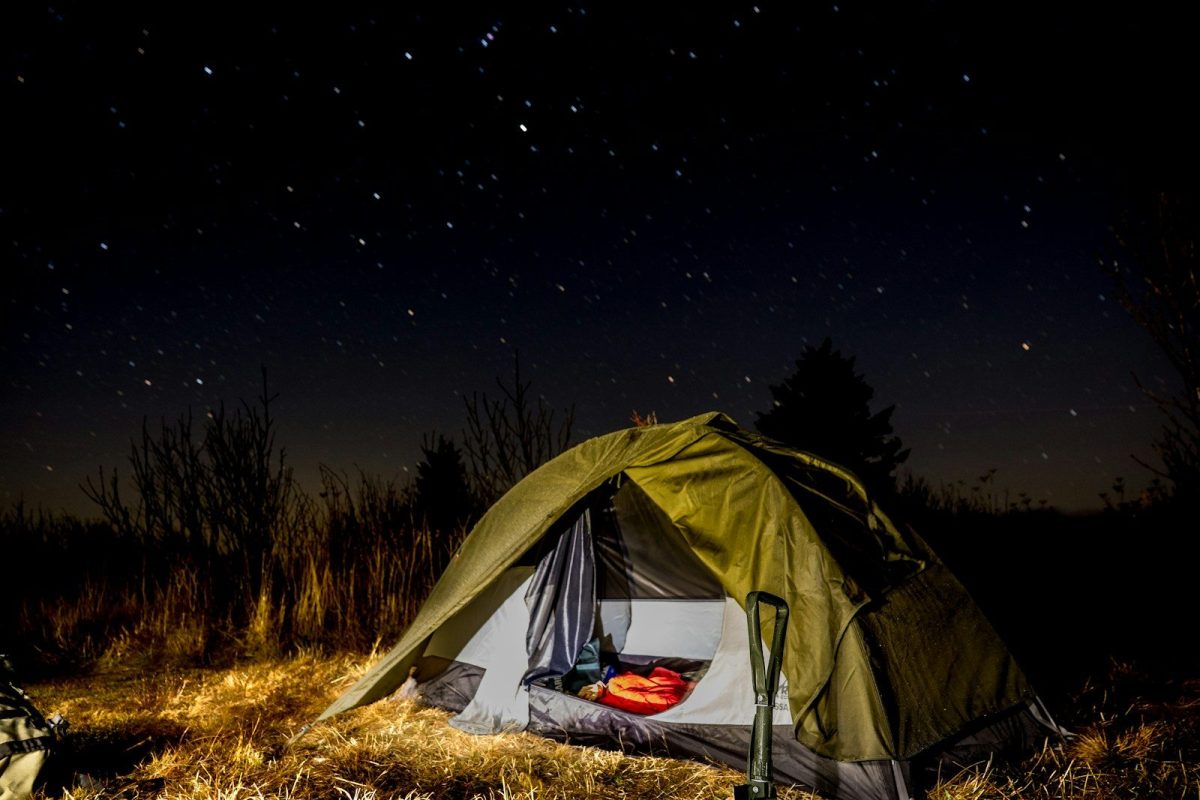
A campsite that looks safe during daylight may become risky overnight. Low areas can flood during heavy rain, and tents placed near unstable trees face danger during strong winds. Campers should avoid dry riverbeds, steep slopes, and areas directly beneath large dead branches. Wind direction also matters when setting up tents and cooking areas.
Flat ground with stable footing provides better safety and comfort. Campsites should also allow clear paths to vehicles, restrooms, or emergency exits at night. Good campsite selection prevents many common camping problems before they begin.
8. Sleeping Without Emergency Supplies Nearby
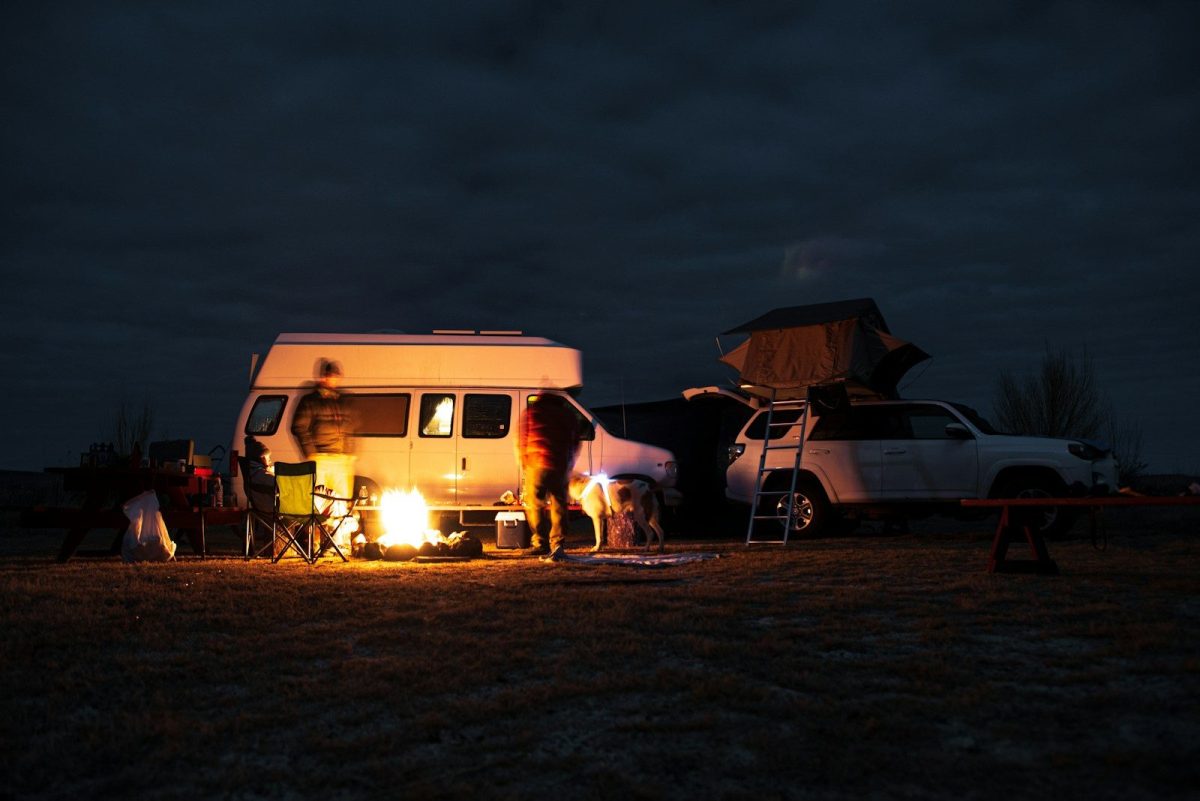
Many campers place important items too far away before going to sleep. Problems become harder to manage in darkness, especially during bad weather or medical emergencies. Flashlights, first aid kits, water, jackets, and car keys should remain easy to reach overnight. Group campers should also discuss meeting points in case someone becomes separated after dark.
Weather conditions can change quickly during overnight trips. Storm alerts and emergency notifications should stay enabled whenever possible. Simple preparation helps campers respond faster under pressure.
9. Ignoring Fatigue and Poor Judgment
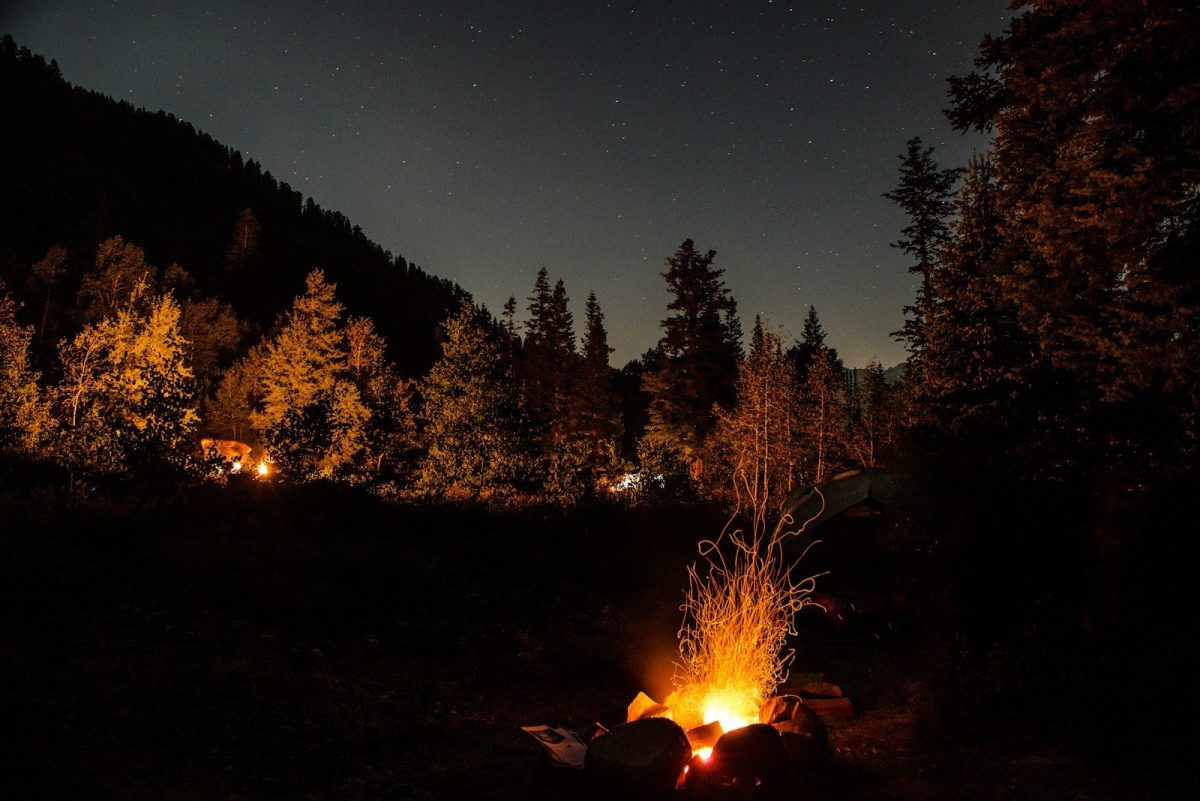
Exhaustion affects decision-making outdoors. After a long day of hiking, swimming, or setting up camp, people often become careless at night. Tired campers may forget to secure food, leave fires unattended, or wander away from camp without proper lighting. Small mistakes become more dangerous in darkness and unfamiliar surroundings.
Experienced campers still follow basic safety habits every night. Careful preparation, steady routines, and awareness make camping trips safer and more enjoyable. Camping after dark can be peaceful and memorable. Respect for nighttime conditions helps prevent accidents and keeps outdoor trips enjoyable in 2026.
