
The Grand Canyon remains one of the busiest national parks in the United States in 2026. Millions of visitors arrive every year to see the massive cliffs, layered rock formations, and sweeping desert views. The experience leaves a lasting impression on many travelers, though the trip can become stressful without proper preparation.
Crowds build quickly during spring and summer travel seasons. Parking areas often fill before noon, and shuttle lines grow longer throughout the day. Visitors who arrive early usually enjoy cooler temperatures and shorter wait times. Researching the park before arrival helps travelers avoid common mistakes. Choosing the correct entrance, booking lodging early, and understanding trail conditions can improve the entire visit.
1. The South Rim and North Rim Feel Completely Different
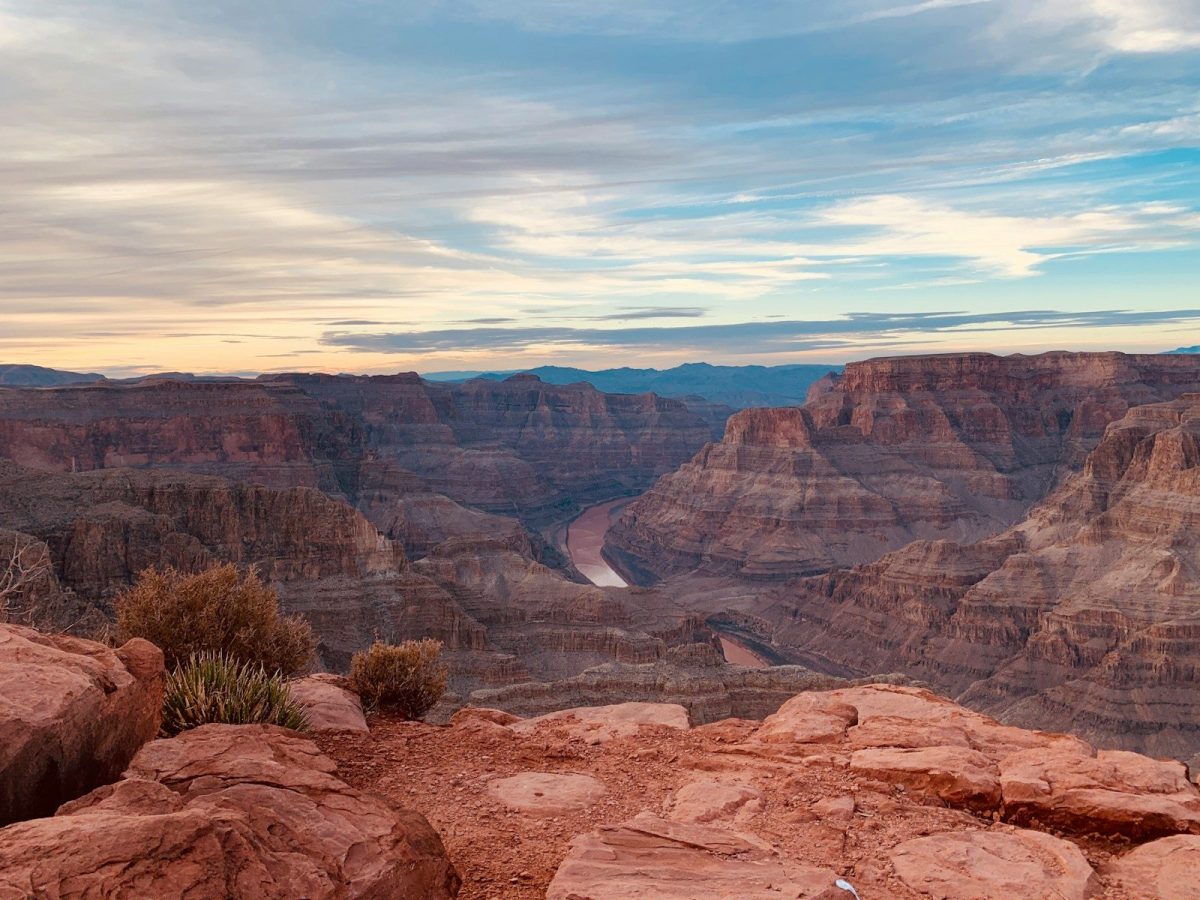
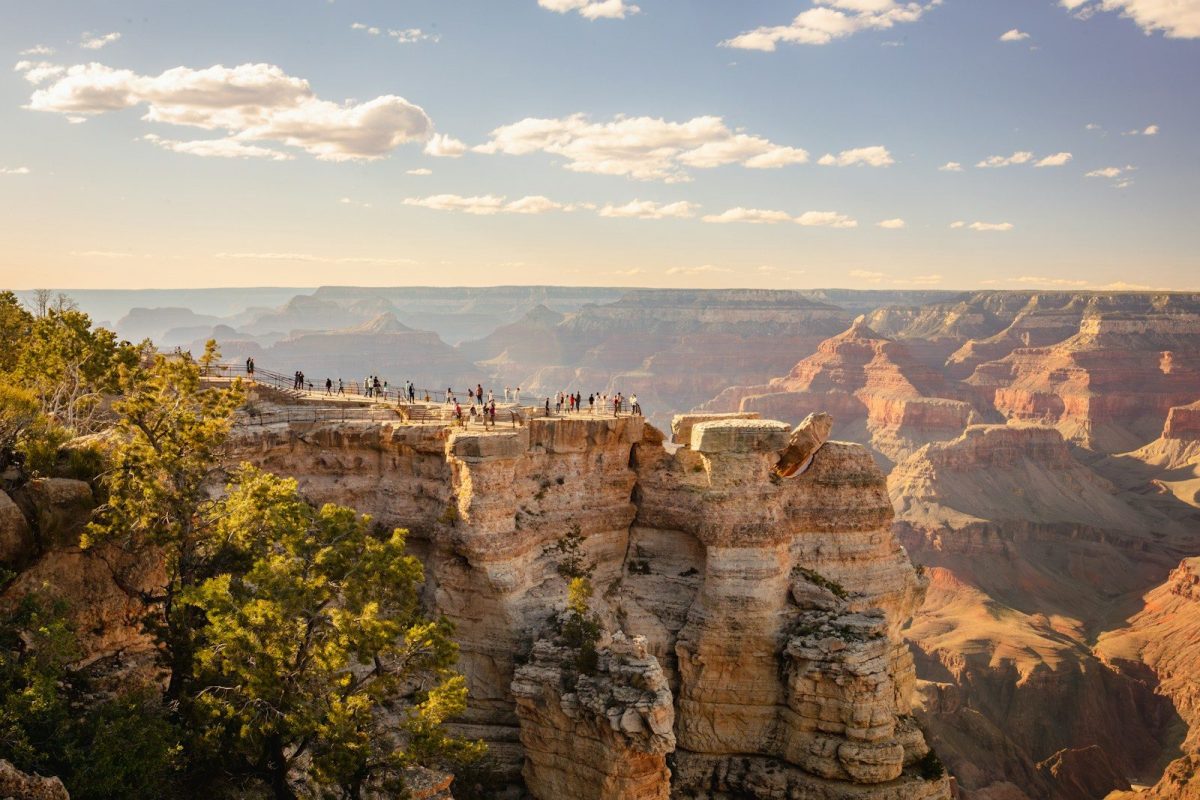
Many first-time visitors do not realize the Grand Canyon has multiple sections with very different conditions and travel experiences. The South Rim attracts the largest number of tourists because it stays open all year and offers more hotels, restaurants, shuttle buses, and viewing areas. Most popular viewpoints are located there, including Mather Point and Desert View.
The North Rim sits at a higher elevation and receives fewer visitors. Forests cover much of the area, and temperatures stay cooler during summer months. Snowfall closes many roads and facilities during winter and early spring. Travelers should confirm which rim fits their plans before booking hotels or mapping routes. Driving between the two rims takes far longer than many expect.
2. Temperatures Change Fast Across the Park
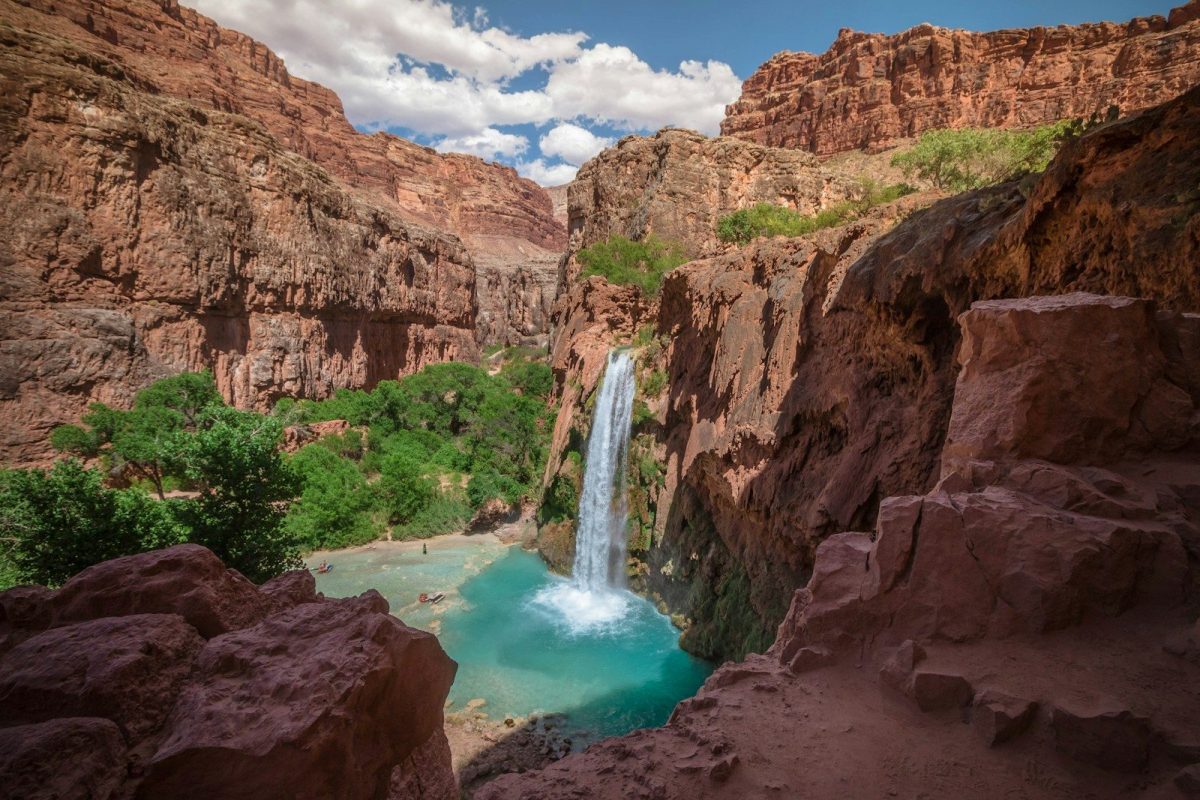
Weather conditions at the Grand Canyon surprise many visitors every year. Temperatures near the rim may feel comfortable during the morning, though the canyon floor can become dangerously hot by afternoon. Summer temperatures inside the canyon frequently rise above 100 degrees Fahrenheit. Heat exhaustion and dehydration remain common problems for hikers who underestimate the climate. Park rangers respond to rescue calls every season.
Cold weather also creates challenges. Winter storms can bring snow, icy roads, and strong winds near the rim. Visitors benefit from packing layered clothing, sunscreen, hats, and extra water during every season. Dry air increases the risk of dehydration even on shorter walks.
3. Hiking Requires More Preparation Than Expected
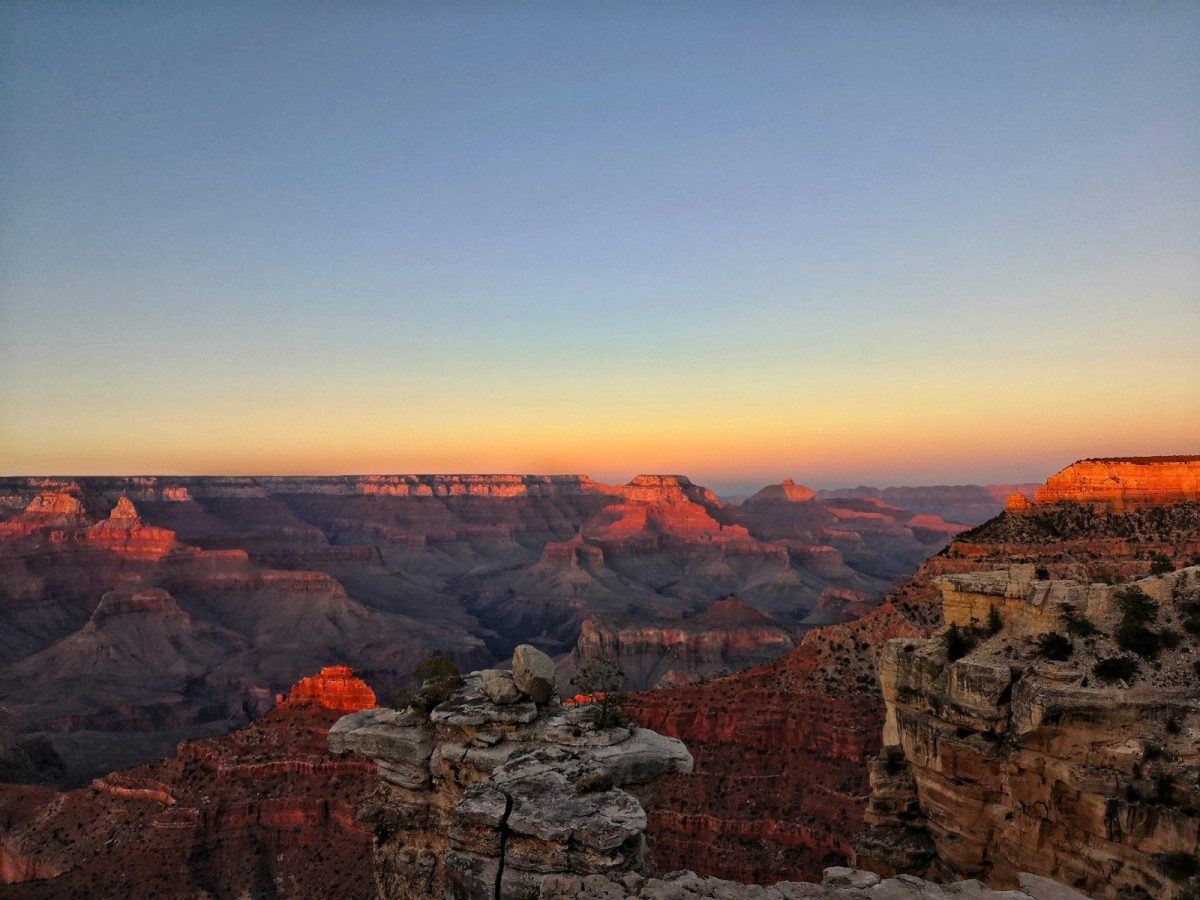
The Grand Canyon contains some of the most famous hiking trails in the country. Trails such as Bright Angel and South Kaibab attract thousands of hikers each year. Many visitors focus on the downhill portion of the hike and forget how difficult the climb back to the rim can become. Steep elevation changes and intense heat make the return trip much harder.
Park officials continue to warn against hiking from the rim to the Colorado River and back in a single day during warmer months. Even experienced hikers struggle with the extreme conditions. Shorter walks along the rim often provide excellent views without physical strain. Travelers who plan longer hikes should begin before sunrise and carry enough food and water for the entire trip.
4. Sunrise and Sunset Change the Entire View
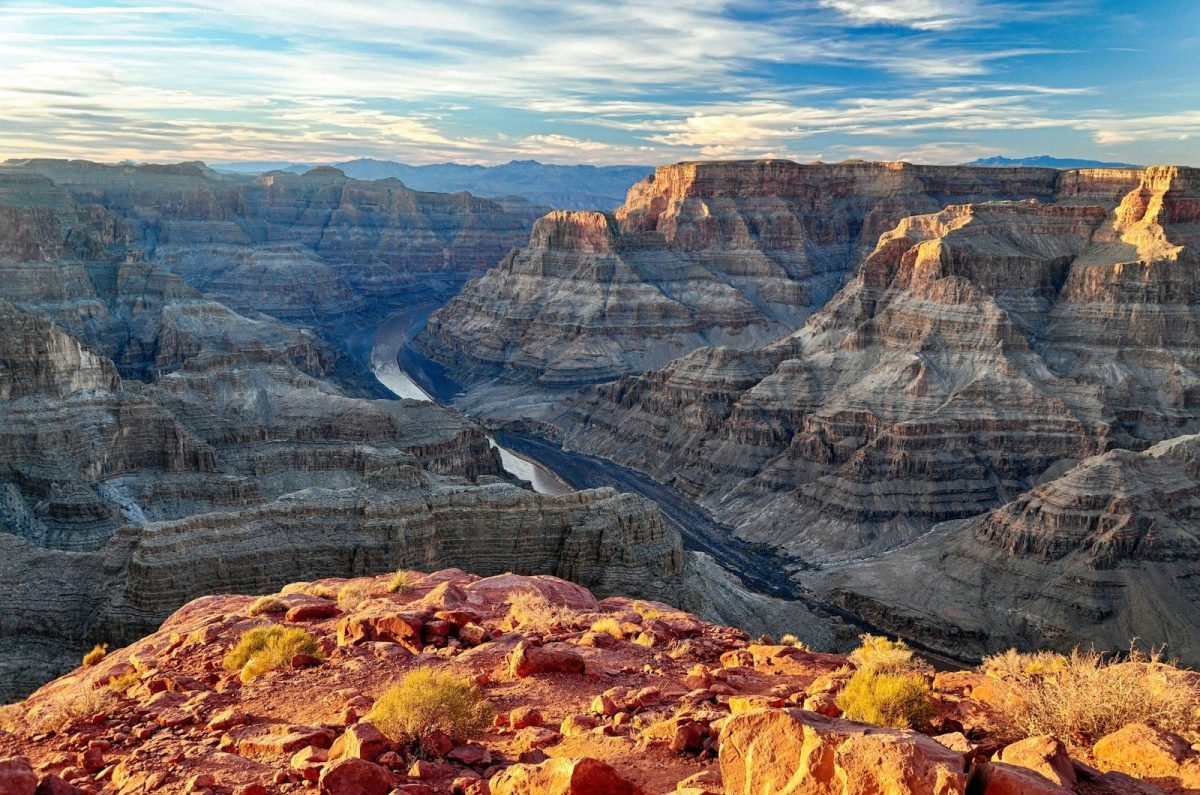
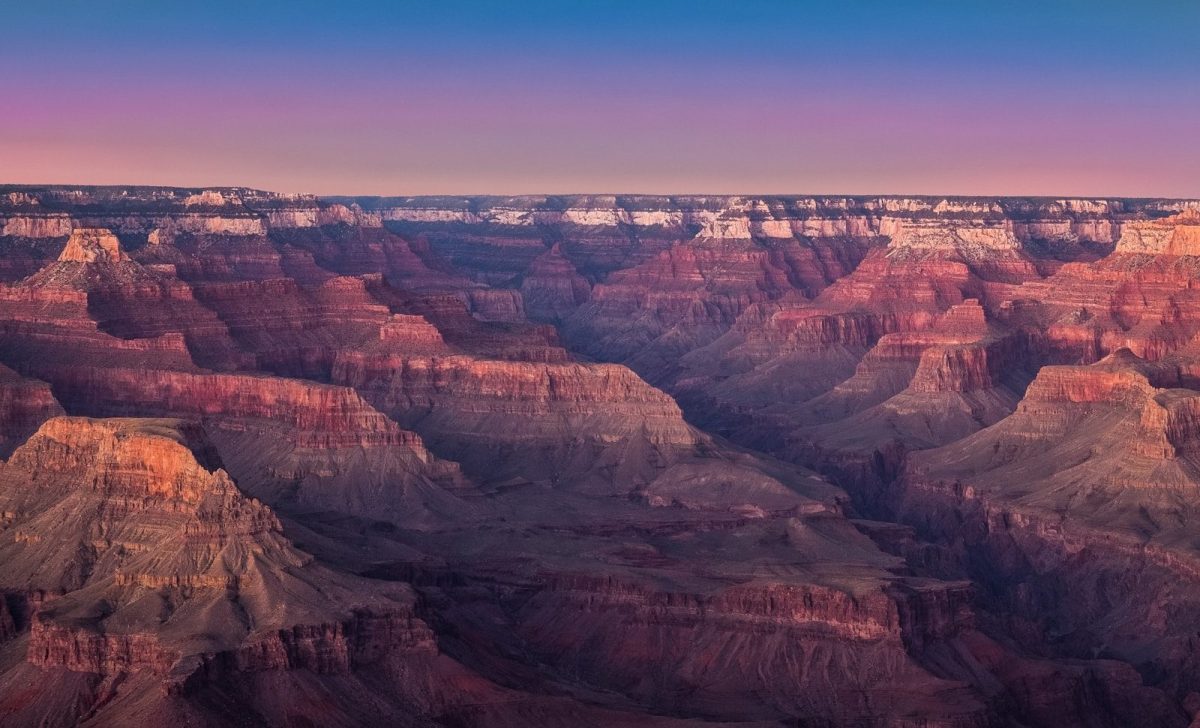
Lighting conditions transform the appearance of the canyon throughout the day. Early morning and evening hours create deeper shadows and stronger colors across the rock walls. Sunset attracts large crowds at popular viewpoints across the South Rim. Visitors often gather at Yavapai Point, Hopi Point, and Mather Point before dusk. Arriving early helps secure a clear viewing area.
Sunrise offers quieter conditions and cooler temperatures. Wildlife activity also increases during the early morning hours. Photographers often prefer sunrise because the softer light reveals more detail across the canyon walls and distant cliffs.
5. Wildlife Encounters Happen Regularly
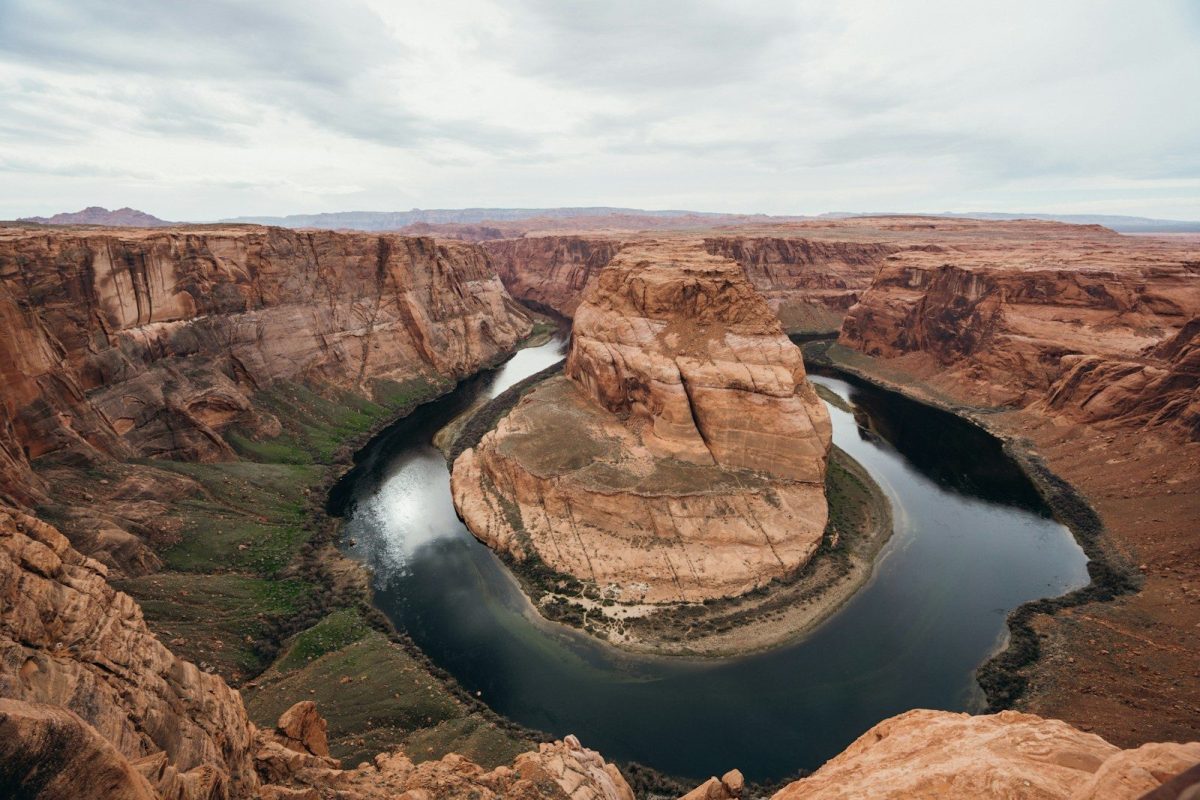
The Grand Canyon supports a wide range of wildlife, including elk, mule deer, coyotes, ravens, and bighorn sheep. Animals frequently appear near roads, trails, and parking lots. Visitors sometimes move too close to animals for photos. Park officials repeatedly warn tourists to keep a safe distance from all wildlife. Feeding animals is prohibited throughout the park.
Squirrels cause a surprising number of injuries every year because travelers attempt to feed them by hand. Ravens also search for unattended food near picnic areas and viewpoints. Proper food storage and respectful behavior help protect both visitors and animals.
6. Cell Service Is Limited in Many Areas
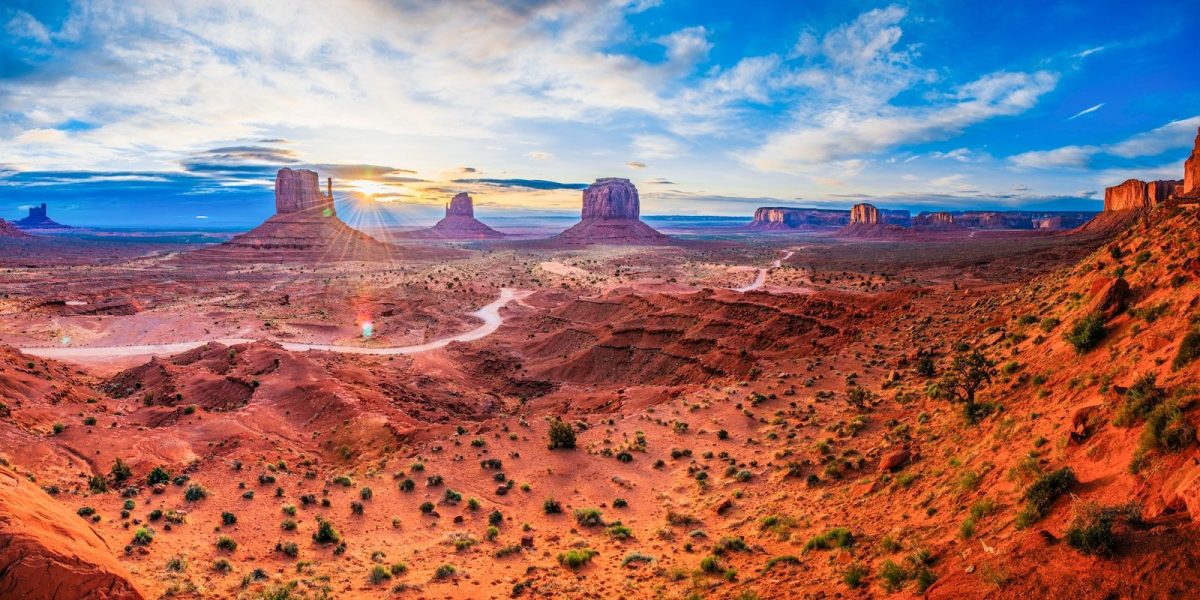
Phone service remains unreliable across large sections of the Grand Canyon in 2026. Some viewpoints and hiking trails have little or no signal. Visitors who rely on navigation apps should download maps before entering the park. Hotel reservations, digital tickets, and travel documents should also be saved offline before arrival.
Limited service creates challenges during emergencies or unexpected travel delays. Printed maps remain useful throughout the park. Many travelers appreciate the quieter atmosphere created by reduced phone usage and fewer online distractions.
7. Lodging and Campgrounds Fill Early
Hotels inside Grand Canyon National Park often sell out months ahead of peak travel periods. Spring break, summer vacation weeks, and holiday weekends attract especially large crowds. Tusayan, located just outside the South Rim entrance, offers additional hotels and restaurants. Prices often rise during busy travel seasons.
Campgrounds also require advance reservations in many cases. Last-minute travelers may struggle to find available rooms near the park. An overnight stay gives visitors more time to explore the canyon during sunrise, sunset, and nighttime hours. Dark skies above the canyon create excellent stargazing conditions.
8. Shuttle Buses Save Time and Reduce Stress
Traffic congestion remains one of the biggest frustrations for Grand Canyon visitors. Parking lots near popular viewpoints fill quickly during busy months. The park shuttle system helps reduce vehicle traffic across the South Rim. Shuttle buses stop at many major overlooks, trailheads, and visitor areas throughout the day.
Using the shuttle system often saves time and eliminates the stress of searching for parking spaces. Visitors can also enjoy the scenery without focusing on traffic conditions. Checking shuttle schedules before arrival helps travelers plan routes more efficiently.
A Slower Visit Often Becomes the Most Memorable
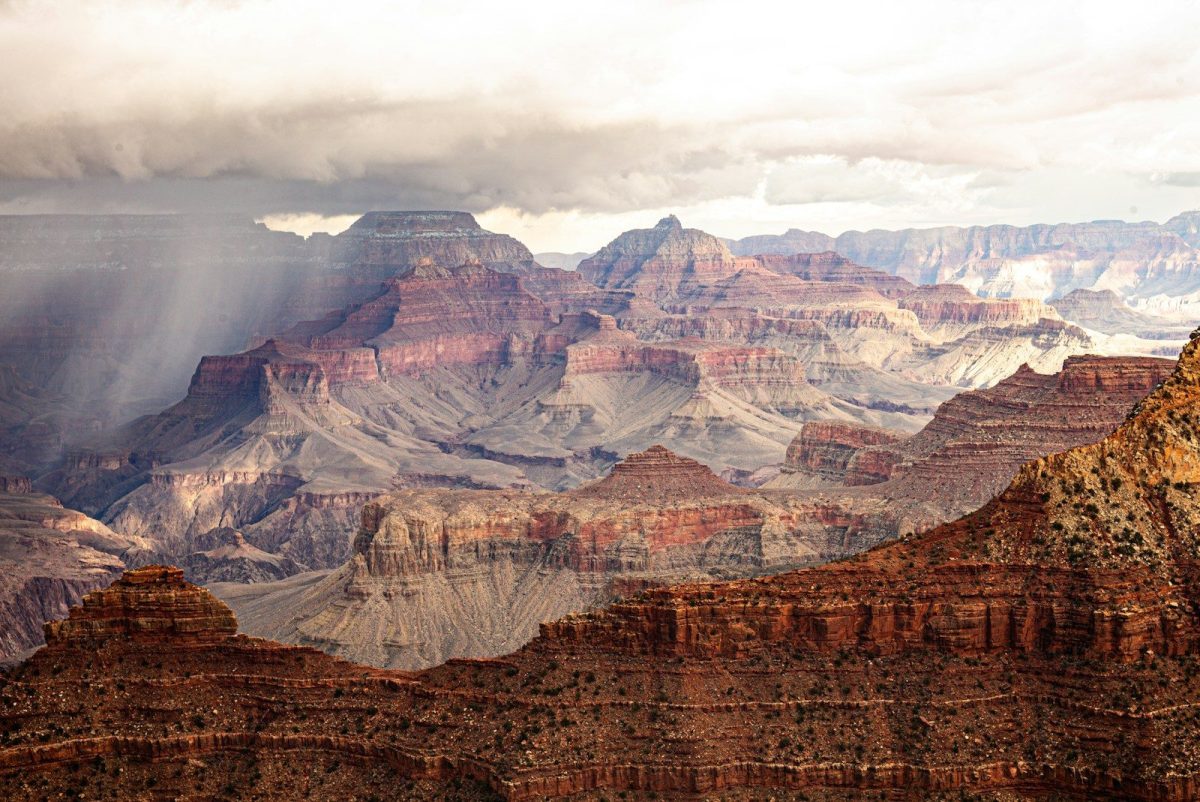
Some travelers attempt to visit the Grand Canyon in only a few hours before moving to another destination. Extra time usually creates a far better experience. Walking along the rim, stopping at quieter viewpoints, and watching changing light conditions allow visitors to appreciate the scale of the canyon more fully. Distances inside the park appear much shorter than they actually are.
The Grand Canyon continues to stand among the most remarkable natural destinations in the world because the scenery feels far larger in person than in photographs. Visitors who prepare carefully, stay hydrated, and allow enough time for exploration usually leave with a much deeper appreciation for the park and its history.
